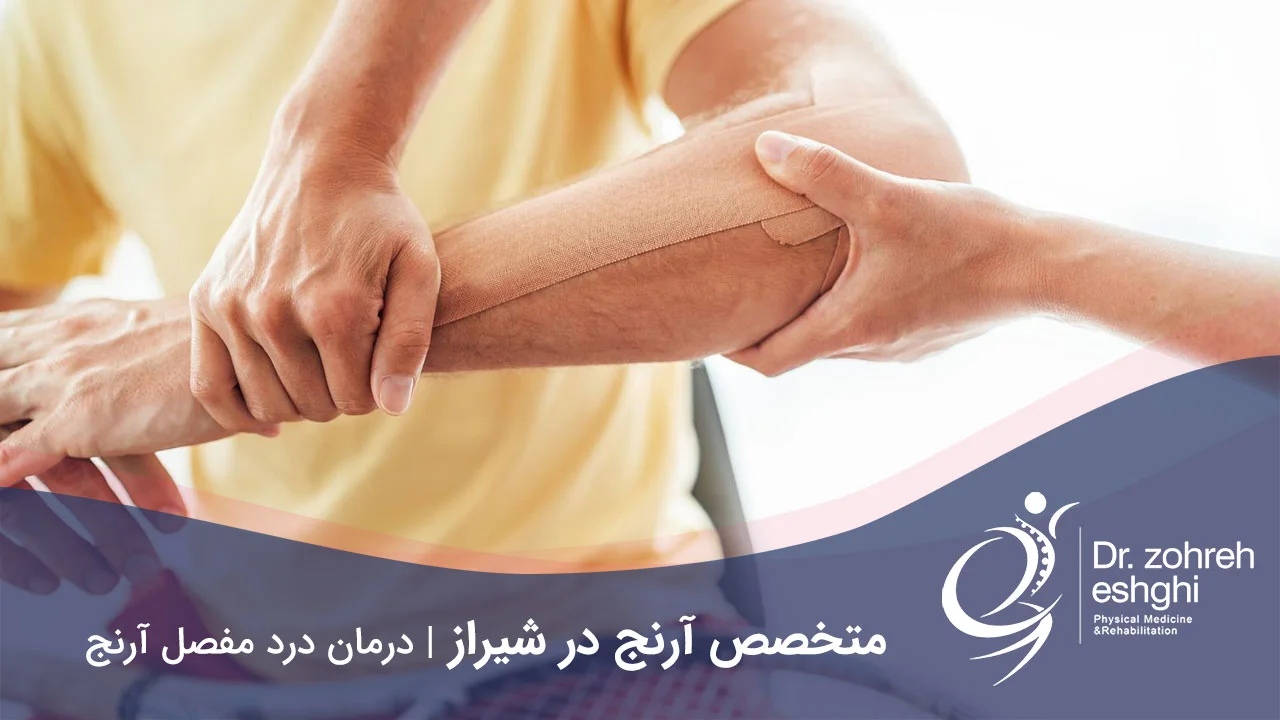

درد مفصل آرنج میتواند از خفیف تا شدید متغیر باشد و بر فعالیتهای روزانه مثل پوشیدن لباس یا حتی نگه داشتن لیوان در دست تاثیر بگذارد. Visiting an elbow specialist in Shiraz, who can be an orthopedic or physical medicine and rehabilitation specialist, is one of the most important measures you should take if you encounter an elbow injury.
This pain can be vague or severe and sharp, making it difficult to move the entire hand. Soft tissue damage and overuse are the most common causes of elbow pain.
Some pains can be relieved with home remedies, but to prevent the occurrence of possible complications and persistent pain, be sure to consult a specialist doctor.
Potential causes of joint pain Elbow
Elbow joint pain can have various causes such as damage to muscles, bones, tendons, ligaments and bursa. Also, it is a sign of problems such as arthritis or nervous tension. Below are some potential causes of elbow pain:
elbow soft tissue damage
According to Dr. Zohra Eshghi, an elbow specialist in Shiraz, "soft tissue damage is one of the most common causes of elbow pain. These injuries include damage to It becomes muscles, ligaments, tendons, and blood vessels.”
For example, a sprain, strain, or contusion is caused by a fall, a direct blow to the elbow, or a violent twisting of the arm.
A sprain is when the ligaments that connect the bones in the joints are stretched or torn. This pain can be sharp and intense, especially immediately after the injury. You may hear a popping sound when you sprain.
Overusing or stretching the muscles puts pressure and causes tiny tears. Lifting heavy weights and repeated movements using tools will cause muscle strain.
Symptoms include bruising, stiffness, swelling, and sensitivity to touch. Risk factors for sprains and strains include:
- improper warm-up before starting exercise
- weight training or resistance exercises
- dynamic sports such as skateboarding, skiing
- muscle weakness
elbow tendonitis
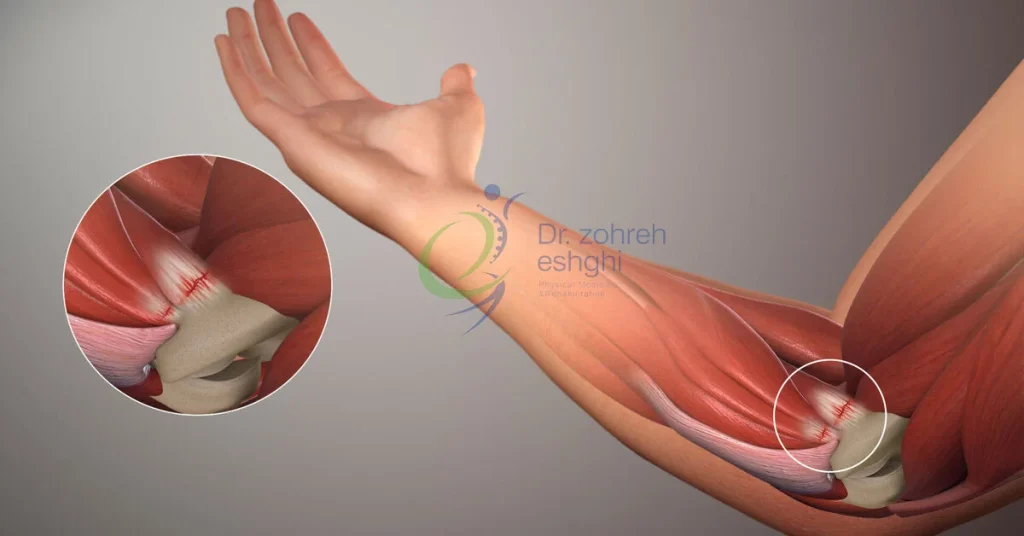
Injuries from overuse are other very common causes of elbow pain. These injuries occur when there is repeated use of the wrist or elbow or gripping of objects for long periods of time.
Tendonitis is an injury to the hand due to overuse of the hand that causes small tears in the tendons. These tendons connect the muscles to the bones.
Symptoms of elbow tendonitis include:
- A dull ache that radiates down the forearm
- Difficulty grasping objects
- Slight swelling
- Pain that gets worse when holding a glass or moving
- Stiffness in the elbow joint, especially after Rest
- Touch sensitivity
According to elbow specialists in Shiraz, the two main types of tendonitis that involve the elbow include the following:
Lateral epicondylitis (golfer's elbow) : This problem involves the medial elbow and the pain is often worse with gripping or squeezing.
Risk factors for elbow tendonitis include:
- Occupations such as carpentry, plumbing, mechanics or assembly lines
- Not warming up before activities
- Tennis, golf, baseball and rock climbing
Elbow bursitis
Elbow bursitis is an overuse injury that looks like a bruise on the inside of the elbow. This happens with the swelling of bursae, which are fluid-filled sacs that protect bones, tendons, and muscles.
Bursitis is one of the common causes of elbow pain, and if you encounter it, you should see a specialist doctor for the treatment of elbow bursitis in Shiraz. The pain worsens when you move or are under the pressure of liquid or activity.
It is also possible when you bend your elbow in a certain way. You make it worse. But not when someone else moves it for you.
Risk factors include:
- Arthritis
- Infection or injury
- Old age
- Prolonged pressure on bony areas (like resting elbows on a table)
- Repetitive motion and overuse
broken or dislocated elbow
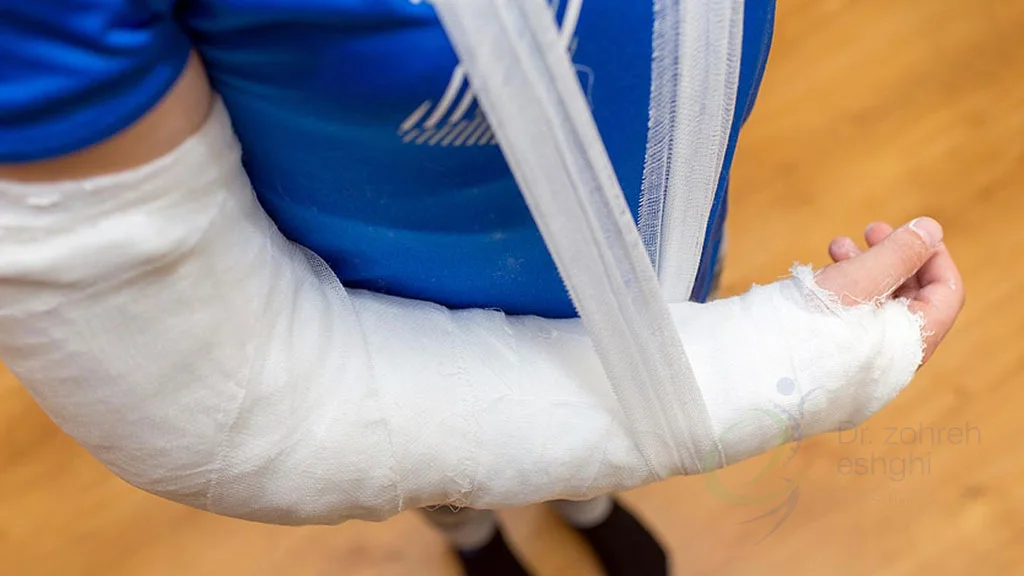
A bone fracture occurs due to a strong force such as a fall or direct impact. Dislocation occurs when the joint is displaced due to sudden impact or twisting movements. Fractures and dislocations are less common causes of elbow pain. Symptoms include:
- Bruising
- Elbow deformity (bent or out of place)
- Inability to bend, straighten, or grasp something
- Sudden, sharp, throbbing pain that gets worse with movement
- Swelling
Risk factors include:
- Age (children and the elderly are more at risk)
- High-impact sports
- Osteoporosis
If you or someone around you has a broken elbow, see an elbow specialist in Shiraz (orthopedics) immediately. Not paying attention to a fracture or sprain can cause a long-term injury that will accompany you throughout your life.
Arthritis or rheumatism of the elbow joint
Arthritis is joint inflammation that causes pain, stiffness, swelling, Redness or heat. Sometimes it also causes elbow pain.
Osteoarthritis is a type of arthritis that occurs over time. As the cartilage that holds the joints wears down, bone will rub against bone.
This leads to a dull ache, especially in the morning or after activity. You may also hear a grinding or clicking sound when you move your elbow.
Risk factors include:
- Old age, especially 50 years or older
- Previous injuries
- Repeated use of or pressure on the elbow
Nerve compression is another less common cause of elbow pain. Of course, visiting an elbow specialist in Shiraz with today's lifestyle, where most employees do their work at the computer desk, which is increasing for elbow injuries.
Nerve compression occurs when something puts pressure on the nerves and blocks the messages sent to the brain.
This is like keeping the water hose tight, slowing down or stopping the flow of water. Compression of the nerve can occur during diseases such as cubital tunnel syndrome It occurs where the ulnar nerve (one of the three main nerves of the arm that runs from the neck to the hand) is compressed inside the elbow joint. Other causes include:
- Bone growth from arthritis (narrowing of nerve spaces)
- Ganglion cysts (fluid-filled sacs near joints)
- Injury
- Nerve irritation in the neck or shoulder or other parts of the arm
- Neuropathy (damaged nerves)
- Movements Recurring
Elbow nerve compression symptoms include:
- Burning pain
- Muscle spasms in severe cases
- Numbness of hand or fingers
- Inner elbow pain and tenderness
- Tingling (like falling asleep)
- Weakness in hand or difficulty grasping objects
Symptoms may occur at night or when moving Elbows can be made worse by certain methods, such as bending.
Older people are more likely to notice ongoing problems that get worse, while younger people have symptoms that start suddenly. عوامل خطرساز عبارتند از حرکات مکرر آرنج و دیابت.
سایر علل بروز درد آرنج
سایر علل احتمالی درد مفاصل آرنج موارد زیر هستند:
- چینهای غیر طبیعی در بافت آرنج
- یک تکه استخوان یا غضروف سست
- خارهای استخوانی (رشد غیر طبیعی استخوان نزدیک مفاصل)
- شانه یخزده یا مفاصل سخت
- بیثباتی مفصل آرنج
- التهاب مفاصل
- انقباض پس از سوختگی
- زونا
- تاندونیت سه سر بازو
زمان مراجعه به متخصص آرنج در شیراز
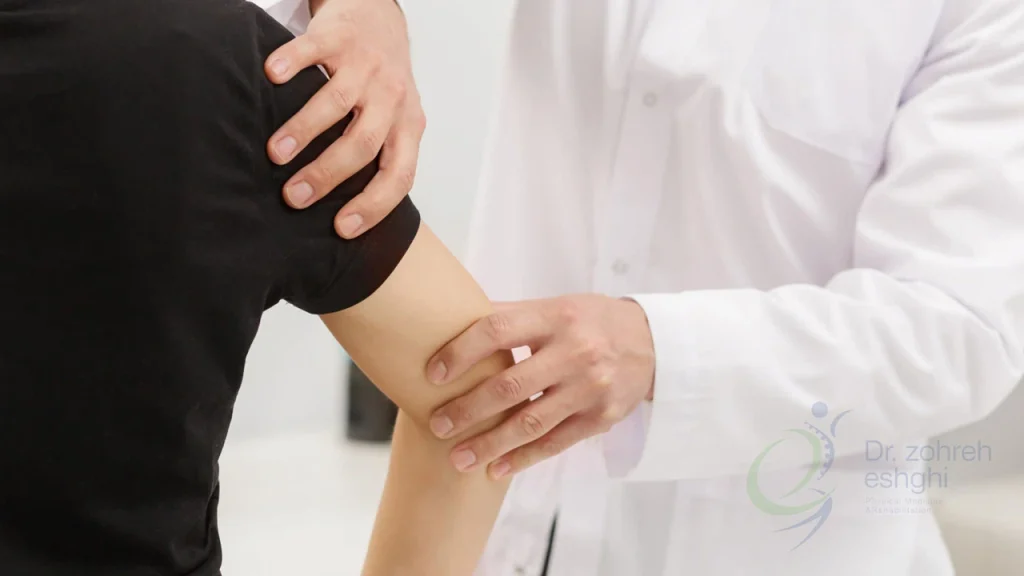
متخصص آرنج پزشک یا جراحی است که در درمان مشکلات مربوط به آرنج، از جمله بیماریهای مفصلی، آسیبهای ورزشی و شکستگیهای استخوانی تخصص دارد.
چند نشانه وجود دارد که نشان میدهند آرنج به بررسی پزشک نیاز دارد:
- شروع تدریجی درد (معمولا نشانه استفاده بیش از حد است)
- تورم خفیف، قرمزی یا کبودی
- دردی که بر فعالیتهای روزانه تاثیر میگذارد
- درد مداوم که حداقل یک هفته طول بکشد
- بدتر شدن درد
علائم زیر به مراقبتهای فوری نیاز دارند:
- مشکل در خم یا صاف کردن آرنج
- تب
- تورم یا کبودی متوسط
- شروع ناگهانی دردی متوسط اما غیرقابل تحمل
- تغییر شکل یا ناپایداری آرنج (کج یا لرزان شدن)
- بیحسی، گزگز یا ضعف شدید
- درد شدید مخصوصاً بعد از زمین خوردگی یا آسیب دیدگی
- تورم، کبودی یا قرمزی قابل توجه
درد آرنج چگونه تشخیص داده میشود؟
برای درد آرنج به پزشک متخصص ارتوپدی در شیراز مراجعه کنید تا آرنج را از نظر تورم، حساسیت، دامنه حرکتی و فشردگی عصب بررسی کند.
بسته به علت بروز درد، پزشک تستهای زیر را توصیه خواهد کرد:
- آزمایش خون برای بررسی علائم عفونت یا بیماریهای خود ایمنی
- سی تی اسکن برای تصاویر دقیق از استخوانها و بافتهای نرم
- آسپیراسیون مایع (بیرون کشیدن مایع از بورس متورم)
- MRI برای ارزیابی بافت نرم مثل پارگی رباط
- مطالعات هدایت عصبی (غیر تهاجمی بوده و از الکترود برای بررسی آسیب عصبی استفاده میشود)
- سونوگرافی برای تصویرسازی بافتهای نرم مثل تاندونها و رباطها
- عکسبرداری برای بررسی شکستگی یا آرتریت
درمان درد مفصل آرنج توسط متخصص در شیراز
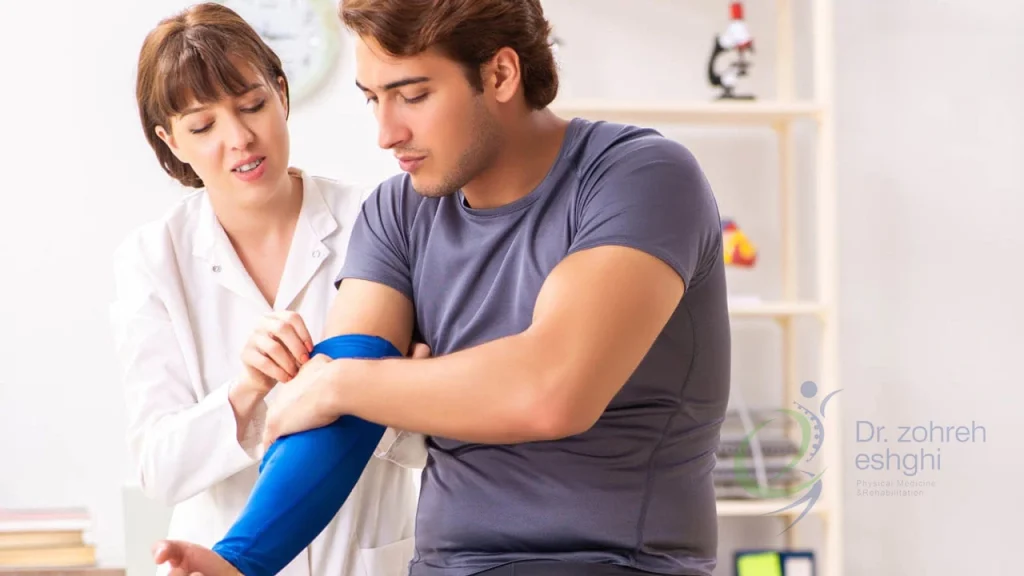
بسته به علت و شدت درد آرنج، گزینههای مدیریت و اقدامات خود مراقبتی و مداخلات پزشکی قابل انجام هستند.
درمانهای خانگی
- اجتناب از صاف یا کامل خم نکردن آرنج
- خم نگه داشتن آرنج هنگام بلند کردن وسایل سنگین
- محدودسازی فعالیتهایی که نیاز به گرفتنهای مکرر دارند
- کاهش حرکات مکرر دست و مچ
- استفاده از بک هند دو دستی در تنیس
- استفاده از هر دو دست برای نگه داشتن ابزار سنگین
- استفاده از پدهای مخصوص آرنج برای کاهش درد بورسیت
گزینههای کاهش درد و تورم آرنج:
- باند یا بریس فشاری
- بالا نگه داشتن آرنج
- استفاده از پکهای یخ چند بار در روز به مدت 15 تا 20 دقیقه
- مسکنهای بدون نسخه مثل موترین و آدویل
- کرمهای موضعی مثل ترولامین سالیسیلات و لیدوکائین
درمانهای پزشکی شامل موارد زیر میشود:
- آنتی بیوتیکها
- تزریق بوتاکس
- بیحس کننده موضعی
- تزریق پلاسمای غنی از پلاکت (از خون خود فرد برای بهبودی استفاده میشود)
- داروهای ضد التهابی و مسکنهای تجویزی
- شاکویو تراپی (امواج صوتی برای افزایش جریان خون)
- تزریق استروئید برای کاهش تورم
- جراحی برای موارد شدید
- نیتراتهای موضعی (با افزایش جریان خون، به بهبود تاندونها کمک میکند)
- فیزیوتراپی و بریس یا آتلهای سفارشی که در تقویت و تثبیت ناحیه آسیب دیده مفید هستند
- طب سوزنی
- کایروپراکتیک
- داروهای گیاهی مثل زردچوبه یا زنجبیل برای کاهش تورم
- مکملهایی مثل گلوکوزامین و کندرویتین برای حمایت از سلامت مفاصل
توصیههای پایانی آسیب آرنج
اگر در شیراز زندگی میکنید و از مشکلاتی مانند درد آرنج، التهاب تاندونها، آرتروز یا آسیبهای ورزشی رنج میبرید، مراجعه به متخصص آرنج در شیراز میتواند به شما در درمان این مشکلات کمک کند. Treatment methods include drugs, physiotherapy, injections and in severe cases, surgery. To choose the best specialist, consider the doctor's experience, patient reviews, and treatment methods offered.
Rest, ice, and over-the-counter pain relievers often help with minor, temporary problems.