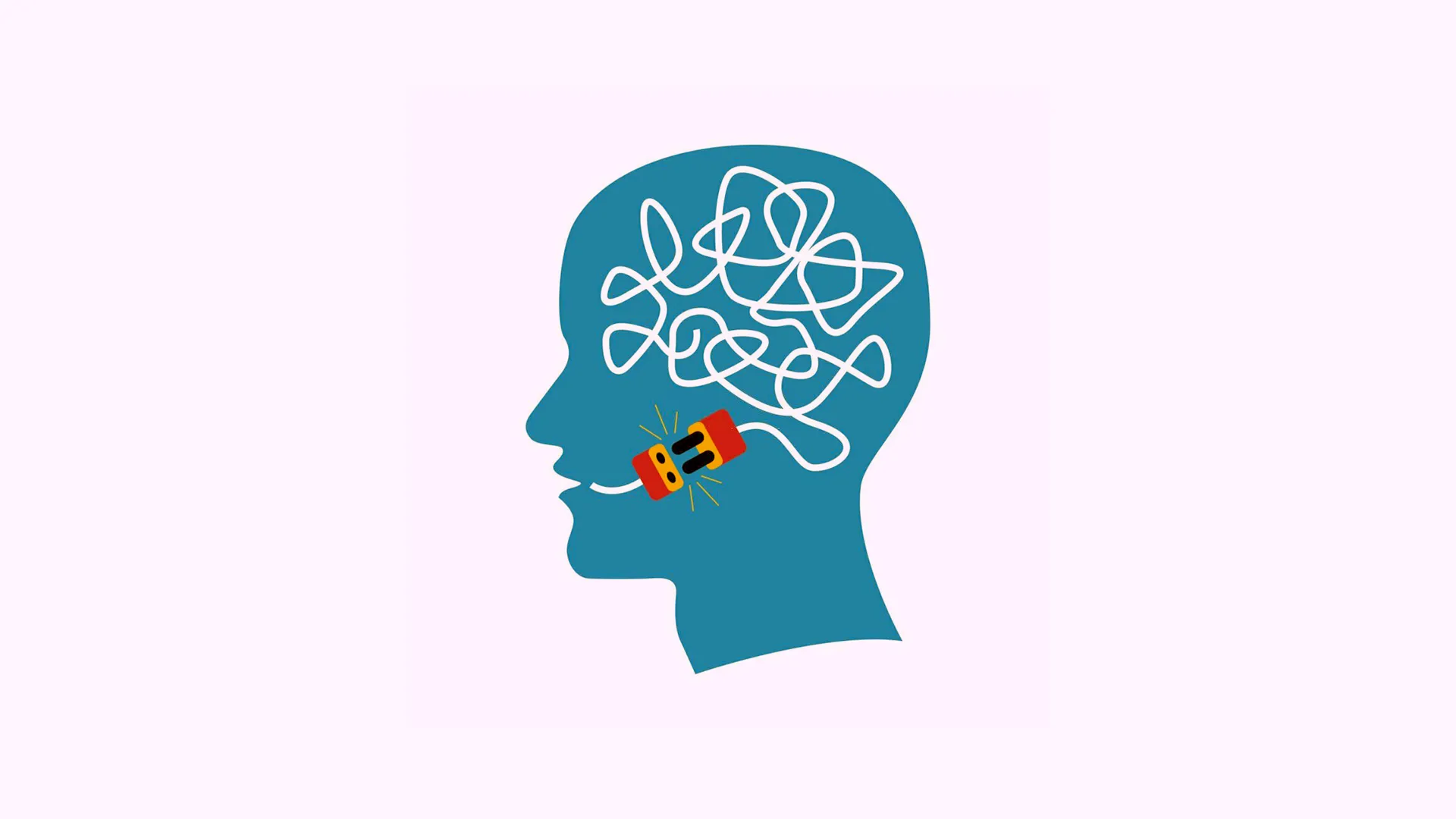

سکته مغزی یکی از مهمترین و جدیترین اختلالات نورولوژیک است که در اثر قطع یا کاهش شدید جریان خون در قسمتی از مغز اتفاق میافتد. زمانی که خونرسانی به یک ناحیه از مغز متوقف میشود، سلولهای عصبی در آن بخش در مدت چند دقیقه شروع به مردن میکنند و همین مسئله میتواند منجر به از دست رفتن تواناییهای حیاتی مانند حرکت، گفتار، حافظه و بینایی شود. The importance of a stroke is that it happens quickly and if a person is not treated in time, it may have irreparable effects on his health.
What is a stroke?
When we talk about stroke, we mean a group of diseases that disrupt the blood flow in the brain tissue. Today, stroke is the second leading cause of death and one of the most important causes of permanent disability in the world. This complication can occur in any person, but with increasing age, high blood pressure, diabetes, high blood fat and inappropriate lifestyle, the probability of its occurrence increases. The symptoms of a stroke usually appear suddenly and severely, and the person or the people around them must recognize them very quickly in order to save the brain.
In many cases, people think that stroke occurs only in the form of severe and clear stroke, but the fact is that there are different types of this problem; including mild stroke, silent stroke and hemorrhagic stroke. Knowing these concepts helps people to be more aware of warning signs and to go to the doctor quickly if symptoms appear. The important thing is that a stroke is an emergency situation and every second of delay in treatment destroys a significant number of brain cells. Therefore, information, education and prevention of this disease can play a vital role in the health of society.
Types of stroke
Stroke is one of the most important diseases of the brain and nerves that occurs when the blood supply to a part of the brain is disturbed. This disorder can occur as a result of vessel blockage or rupture. The longer the time goes without blood supply, the more brain cells are damaged. Stroke is the second cause of death and one of the most common causes of permanent disability in the world.
There are five main types of stroke:
- Ischemic stroke (the most common type)
- Hemorrhagic stroke
- mild stroke (TIA)
- Transient stroke
- silent stroke
Each of these types has its own characteristics. Ischemic stroke is caused by a clot, hemorrhagic stroke is caused by rupture of a vessel, and the silent type occurs without severe symptoms. Mild and transient strokes are also serious warnings for the occurrence of larger strokes.
How does a stroke occur?
One of the most important questions about this disease is how stroke occurs. In ischemic stroke, fat deposition in the walls of the vessels causes plaque formation. If this plaque ruptures, a clot forms and blocks the blood flow. Risk factors include high blood pressure, blood fat, diabetes, inactivity and unhealthy diet.
cause of stroke
When the cause of stroke is discussed, it is necessary to mention a set of factors that lead to the interruption of blood flow in the brain. In general, we have two types of stroke: ischemic and hemorrhagic. In ischemic stroke, which is the most common type, blood clots or fatty deposits block blood flow in the vessel; But in a hemorrhagic stroke, a blood vessel ruptures and causes bleeding in the brain.
The most important causes of stroke include the following:-
high blood pressure; The main cause of stroke in the world
-
diabetes and increased blood sugar
-
cholesterol and high blood fat
-
cigarettes and hookah
-
obesity and inactivity
-
Heart diseases such as arrhythmia or atrial fibrillation
-
Genetic factors and family history
-
Alcohol and drug use
Diseases such as carotid artery stenosis, coagulation disorders and the use of certain drugs also play a role in the occurrence of stroke. With increasing age, the risk of stroke increases, but today, due to unhealthy lifestyle, the rate of stroke in young people is also higher. Finally, it should be said that knowing the causes and controlling risk factors is the best way to prevent stroke.
stroke symptoms
Recognition of stroke symptoms is critical, as the chance of successful treatment is greatest in the early hours. The most important symptoms of a stroke include facial drooping, inability to raise an arm, speech problems, sudden headache, loss of balance, vision impairment, and sudden numbness or weakness on one side of the body. These symptoms usually appear suddenly.
In this section Symptoms it should be noted that some people may experience unusual symptoms such as sudden severe pain, nausea, extreme fatigue, behavioral changes or even loss of consciousness. Recognizing these symptoms helps to save a person's life. If you or someone around you develops these symptoms, even if they get better after a few minutes, you should call 911 immediately. Every minute of delay can cause the death of thousands of brain cells.
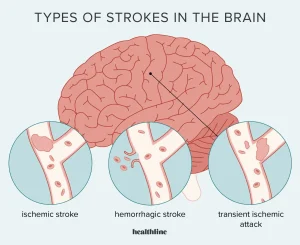
Hemorrhagic stroke
One of the most dangerous types of stroke is hemorrhagic stroke. This type occurs when a blood vessel in the brain ruptures and causes bleeding. High blood pressure is the main cause. This type of stroke causes the death of brain cells faster than ischemic.
Symptoms of hemorrhagic stroke
In hemorrhagic stroke, blood enters the brain tissue or the surrounding space from the ruptured vessel and causes an increase in intracranial pressure. This pressure causes severe damage to brain cells. The symptoms of this type of stroke are usually very sudden and severe:
- Sudden and very severe headache
- Nausea and vomiting
- Weakness or paralysis
- Consciousness disorder
In some cases, there is a need for immediate surgery.
Hemorrhagic stroke is one of the most dangerous types of stroke, which is caused by the rupture of blood vessels in the brain and leakage of blood to the surrounding tissues. This type of stroke quickly increases intracranial pressure and can cause extensive damage to the brain.
The main cause of hemorrhagic stroke is uncontrolled blood pressure. Brain aneurysm, severe trauma, drug use, and coagulation disorders are other important causes. Symptoms include very severe headache, nausea, vomiting, sudden weakness and loss of consciousness.
In this type of hemorrhagic stroke, prompt treatment is critical and surgery is often required. Blood pressure control and careful medical monitoring can save the patient's life.
Mild stroke (TIA)
TIA or mild stroke is not a complete stroke; But the blood supply to the brain is interrupted for a short time. This "warning light" condition is a major stroke and should be taken very seriously.
mild stroke
In a mild stroke symptoms may last less than a few minutes to as long as 24 hours, but minor brain damage may occur. This type of stroke is often caused by a temporary blockage of a vein. Those who experience a TIA are more likely to experience a severe stroke.
A mild stroke is dangerous
Although the name is "mild", but mild stroke is dangerous. Many people think that this type of stroke is not important because the symptoms will go away; But this thinking is completely wrong. The risk of a major stroke after this type is very high.
Mild stroke symptoms
One of the most serious types of this type of stroke is mild stroke or TIA, which although its symptoms are shorter and milder than severe strokes, it is still considered a serious warning. Symptoms of this type of mild stroke usually last from a few minutes to eventually 24 hours, but it should not be ignored, because almost one-third of those who experience this type of stroke will have a severe and permanent stroke in the coming months or years.
The most important symptoms of this type of mild stroke include sudden weakness on one side of the body, numbness of the face or limbs, speech problems such as slurred speech or inability to say words, impaired vision in one or both eyes, sudden confusion, dizziness and imbalance. Sometimes, a person may only feel heaviness in one arm or leg or even notice small changes in their face.
The important thing is that recognizing the symptoms of this type of mild stroke is not an easy task, as many people mistake it for fatigue, low blood pressure or temporary neurological problems. For this reason, the first step is public awareness and increased sensitivity to these symptoms. Doctors always emphasize that if you see these symptoms, even if they disappear after a few minutes, you should go to the emergency room immediately.
One of the ways to quickly diagnose a stroke is to use the well-known FAST technique:
-
F: facial sagging
-
A: weakness of hands
-
S: speech problems
-
T: time to call the emergency room
This technique is also used for mild strokes. Finally, it should be taken seriously that this type of mild stroke is a serious warning, and not paying attention to it increases the possibility of a severe stroke.
Ischemic stroke
Ischemic means "reduced blood supply". In this type of stroke, the blood flow is blocked due to blood clots or blood clots. This type includes about 85% of stroke cases.
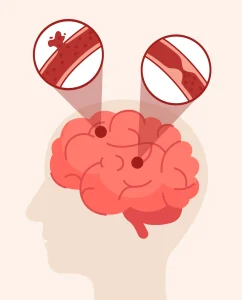
Transient stroke
This type of stroke is actually a milder version of ischemic stroke, but it has a high diagnostic value.
Symptoms of a transient stroke include sudden body weakness, numbness, facial droop, speech disorder, blurred vision, and imbalance. These symptoms may last only a few minutes and then disappear. However, a TIA is the biggest warning sign of a serious stroke and should be investigated immediately. Early diagnosis and treatment can prevent a fatal stroke.
transient stroke symptoms
The symptoms of a transient stroke, or TIA, are similar to those of a true stroke, but they usually go away in a short time. However, this type of stroke is very alarming. A person who experiences a TIA is actually experiencing a serious warning sign of a massive stroke. These symptoms often last between one and five minutes and in some cases up to several hours.
The most important symptoms of this type of transient stroke include weakness or numbness on one side of the body, impaired speech or understanding of words, blurred vision, double vision, severe dizziness, impaired walking, drooping of one side of the face, and sudden confusion. Although these symptoms may disappear quickly, it is very dangerous to ignore them.
TIAs are usually caused by small blood clots that temporarily block blood flow and then resolve. This condition indicates that the person is at serious risk of permanent stroke. Doctors recommend that people who experience any transient symptoms go to the emergency room immediately, even if the symptoms have completely resolved. Quick treatments can prevent subsequent strokes.
Silent Stroke
This type of stroke occurs without severe symptoms but causes real brain damage.
Silent stroke symptoms
Silent stroke symptoms are very hidden. A person may not have any sudden problems, but over time he may experience the following:
- Memory reduction
- Concentration disorder
- Frequent forgetfulness
- Slowing down
- Behavioral changes
This type of stroke is usually detected on an MRI and is very dangerous because the person is suffering ongoing damage without being aware.
Cause of stroke
The most important cause of stroke includes the following:
- High blood pressure
- Blood fat and cholesterol
- Diabetes
- Obesity and inactivity
- Cigarettes and alcohol
- Arrhythmia of the heart
- Family history
- Severe stress
- Unhealthy nutrition
By controlling these factors, the risk of stroke can be greatly reduced.
Can a stroke be cured?
One of the most frequently asked questions is Does a stroke get better?
The answer depends on the type of stroke, the severity of the injury, the time to visit the doctor, the person's age and rehabilitation. Many people make a full recovery with proper rehabilitation and prompt treatment. If the treatment is done late, the possibility of permanent damage will be higher.
If the stroke is controlled in the early hours with proper treatment, the chances of full recovery are much higher. Emergency treatments such as clot-dissolving drug injections and special surgeries can restore blood flow and prevent extensive damage. The faster this treatment is done, the better the result.
In response to Does a stroke get better it should be said: many patients recover to a significant extent, some completely return to normal life, and a percentage may have permanent problems. Physiotherapy, occupational therapy, speech therapy and psychological support play an important role in the recovery process.
Also, the patient's age, general health, severity of stroke and individual's will have a high impact during the treatment. Patients who do rehabilitation work on time will have more chances to return to function. Therefore, there is no definitive answer, but many people can experience an almost normal life with proper management, healthy lifestyle and specialized treatment.
The brain has an amazing ability to build new neural pathways; For this reason, many patients return to normal function after months of treatment.
Stroke treatment
The type of treatment depends on the type of stroke:
Ischemic stroke treatment:
- clot-dissolving drugs (tPA)
- Mechanical surgery to remove the clot
- Anticoagulants
Hemorrhagic stroke treatment:
- Blood pressure control
- Surgery to repair a torn vein
- Evacuation of bleeding
Rehabilitation:
- Rehabilitation
- Speech therapy Occupational therapy
- cognitive exercises
The best occupational therapy in Karaj
Preventing another stroke is the main part of treatment.
Stroke treatment depends on the type of stroke and the time of visit. In ischemic strokes, which are caused by a blood clot, an injection of a clot-dissolving drug (tPA) within the first three to four hours is very effective. In some cases, mechanical methods are used to remove the clot.
In hemorrhagic strokes, the main goal is to control bleeding, reduce intracranial pressure, and prevent damage from spreading. Surgery may be necessary to repair the damaged vessel.
The second part Treatment of types of stroke is related to rehabilitation. Physiotherapy, speech therapy, occupational therapy and cognitive exercises are necessary to restore lost abilities. Modifying lifestyle, controlling blood pressure, reducing fat and quitting smoking are also necessary to prevent stroke again.
Stroke prevention
- Blood pressure control
- Quit smoking
- Regular physical activity
- Low-fat diet
- Reduce stress
- Periodic examination
Preventing a stroke is one of the most important measures that every person can take to maintain their health. Many stroke risk factors are controllable and modifiable. In fact, even people with a family history of stroke can greatly reduce their risk by following a few basic principles. The most important ways to prevent stroke include blood pressure control, lifestyle modification, regular physical activity, and heart health care.
1. Blood pressure control
High blood pressure is the most important cause of stroke. Regular measurement of blood pressure, taking prescribed medications and reducing salt intake are essential. The goal is to keep the blood pressure below 13.8. Lowering blood pressure, even by a small amount, can reduce the risk of stroke by 30 to 40%.
2. Regular physical activity At least 30 minutes of daily exercise such as walking, cycling or swimming will help improve blood circulation, lower blood pressure and promote heart health. Even simple activities like climbing stairs or doing housework are effective.
3. Healthy eating
A diet rich in vegetables, fruits, whole grains and reducing consumption of saturated fats helps to prevent clogged arteries. Consumption of fried foods, fast food, soft drinks and sweets should be limited. Consuming fish twice a week, using healthy oils and increasing dietary fiber are highly recommended.
4. Quit smoking and hookah
Smoking and hookah cause blood vessels to narrow, increase blood pressure and damage the vessel wall. Studies show that the risk of stroke is two to four times higher in smokers. Quitting smoking is one of the most effective ways to prevent stroke.
5. Diabetes and blood fat control High blood sugar and high fat cause damage to the arteries. Performing periodic tests, taking medications regularly and following a diet can significantly reduce the risk of stroke.
6. Stress management and adequate sleep Long-term stress and lack of sleep increase blood pressure and inflammation in the body. Meditation, deep breathing, regular sleep schedule and reducing caffeine consumption in the evening are helpful.
Stroke symptoms in women
Mild stroke symptoms in women can be different than in men. In addition to the usual symptoms, women may have unusual symptoms such as:
- Sudden severe fatigue
- nausea
- chest pain
- Respiratory disorders
- Unusual headache
- Extreme lethargy or confusion
Because these symptoms are similar to other diseases, the diagnosis is late. Women should be very sensitive to sudden changes in their bodies.
stroke symptoms in men
Symptoms of stroke in men are usually more obvious than in women, but some symptoms may still be missed. Men are more likely to have classic symptoms of a stroke, and this makes it easier for them to be diagnosed. The most important warning signs include the following:
-
Sudden numbness or weakness on one side of the face, arm, or leg
-
Speech disorder or inability to understand what others are saying
-
sudden facial drooping
-
difficulty walking, imbalance or severe dizziness
-
Blurred vision or decreased vision in one or both eyes
-
sudden and severe headache without clear cause
In men, these symptoms may be mistakenly ignored due to busyness, work stress or fatigue. Some men also miss the "golden window of treatment" due to late visit to the doctor.
Early recognition of the symptoms of stroke in men is very important, because prompt treatment can prevent serious complications such as paralysis, memory problems and speech disorders. Any unexpected change in speech, movement or vision should be taken as a serious warning immediately.
stroke in young people
Contrary to public opinion, stroke is not seen only in the elderly, and in recent years the cases of stroke in young people are increasing. The main cause of this trend is the change in lifestyle and the increase in factors such as inactivity, obesity, smoking, extreme stress and unhealthy eating. Sitting for a long time, lack of sleep, high use of fast food and smoking hookah or cigarettes cause blood vessels to narrow and increase the possibility of blood clots in the brain.
On the other hand, the existence of some problems such as high blood pressure, diabetes, coagulation problems or congenital heart diseases can also be the cause of stroke in young people. The important thing is that many young people do not take the symptoms of stroke seriously, and this causes a delay in treatment.
By recognizing the symptoms and modifying the lifestyle, the risk of stroke at this age can be significantly reduced.