Following the instructions of specialized clinics and care after labiaplasty, patients can often return to light daily activities within 1 to 2 weeks, and within 4 to 6 weeks, the main restrictions such as the prohibition of sexual intercourse and heavy exercise are gradually removed. This procedure, although generally safe, requires strict adherence to postoperative care to achieve optimal results and prevent complications. Credible sources emphasize that proper post-operative care, including rest, use of cold compresses, and prescription medications, play a key role in recovery. This article reviews essential care after labiaplasty, including how to sleep, eat, exercise, and manage pain. The goal is to provide comprehensive guidance to speed up the recovery process and reduce potential risks. Your doctor is with you on this path.
What are the cares after labiaplasty?
Recovery from labiaplasty usually involves several weeks of rest with restrictions on physical activities such as vigorous exercise and sex. Swelling and discomfort after labiaplasty usually subsides within a week, but full recovery takes about six weeks. Following post-operative instructions, such as wearing loose clothing and avoiding tampons, will help facilitate labiaplasty recovery. Patients are advised to use cold compresses and take prescribed medications to manage pain and swelling after labiaplasty. It is important to visit the surgeon regularly to monitor recovery and eliminate any possible complications during labiaplasty recovery.
Primary care
medicines
Nutrition
Dressing
how to sleep
How to sit
Shower
Going to the bathroom
Sports
Sexual relationship
Smoking
Period
English text: Surgical correction (labiaplasty) in girls younger than 18 years should be considered only in those with significant congenital malformation, or persistent symptoms that the physician believes are caused directly by labial anatomy, or both. or have persistent symptoms caused by the anatomy of the labia or both; That too in the conditions that the doctor diagnoses.
1. Primary care after labiaplasty surgery
On the day after surgery, walk around the house every two hours for 2 to 5 minutes. In the first five days after the operation, minimize your activities. Drink plenty of fluids, eat a balanced diet and don't forget to take vitamins. Avoid wearing tight pants so that the wound area has proper ventilation and healing.
In the second week, you can start light activities with rest intervals. It is usually possible to return to light daily activities one to two weeks after the operation. Avoid any exercise or aerobic activity that increases heart rate or blood pressure for three weeks. Also, avoid straining during defecation and avoid lifting heavy objects (about 4.5 kg or more) for 3 to 4 weeks after the operation. Activities that cause friction, such as long walks or cycling, are also prohibited during this time.
Following care after labiaplasty should be taken seriously.
2. Medicines after labiaplasty
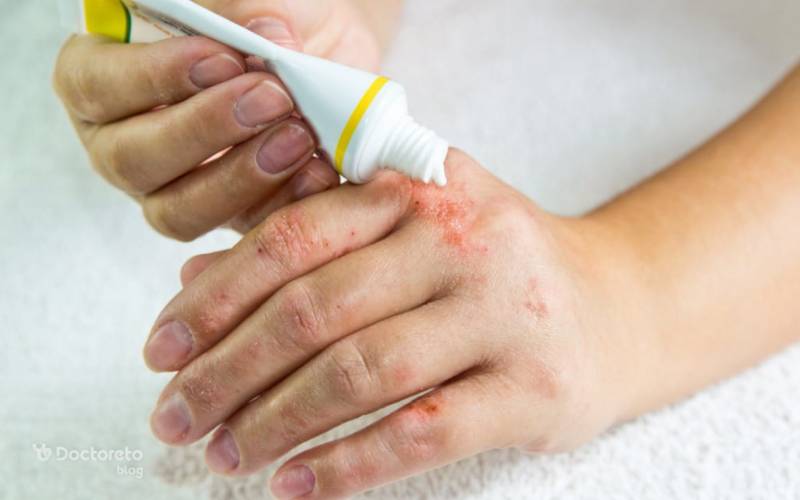
After labiaplasty surgery, pain control is especially important. Usually, the doctor prescribes strong pain relievers such as oxycodone or hydrocodone along with acetaminophen for the first few days; But their use is recommended only in case of severe pain. In most cases, over-the-counter medications such as acetaminophen or ibuprofen can be used to reduce inflammation and mild discomfort with noticeable pain relief. However, in the first weeks, the use of ibuprofen, aspirin or other non-steroidal anti-inflammatory drugs (NSAIDs) should only be done with the doctor's approval, because these drugs increase the risk of bleeding. In addition to pain relievers, oral or topical antibiotics are recommended to prevent infection. For example, it is common to use oral cephalexin or antibiotic ointments such as bacitracin or neosporin in the first few days after surgery. Some doctors also prescribe Toradol or high-dose ibuprofen for a short period of time in order to reduce swelling and pressure on the nerves and thus reduce pain. Also, to prevent constipation caused by the use of certain drugs, it is recommended to use stool softeners such as Miralax or Dacosat.
3. Nutrition after labiaplasty
Following a light and low-fat diet is the best care after labiaplasty. If you have no nausea or vomiting, resume your normal diet the day after surgery. Start with liquids for the first few hours after surgery and then slowly transition to more solid foods.
Keep your body hydrated by drinking 8 to 10 glasses of water a day. Avoid drinking alcohol for 48 hours after surgery while you are still taking pain medication.
4. Dressing after labiaplasty
After labiaplasty surgery, wear loose and comfortable clothes such as long skirts or loose pants; This prevents body pressure and friction. Be careful that wearing tight clothes such as jeans or fitted clothes will cause irritation and increase swelling. Also, using seamless cotton underwear can help reduce sweat and skin irritation. If possible, it is better to wear loose and comfortable clothes at home so that the air in the surgical area can be changed well and possible complications can be avoided.
5. How to sleep after labiaplasty
After labiaplasty surgery, sleeping in an arched position (on your back) with a pillow under your buttocks can help reduce swelling and pressure on the surgical area. This sleeping position prevents direct contact of the surgical area with the surface of the bed and speeds up the healing process. If you sleep on your side, placing a pillow between your knees will reduce pressure and prevent irritation of the surgical area. It is recommended to avoid sleeping on your back or stomach in the first weeks after surgery.
6. How to sit after labiaplasty
In the first days after labiaplasty surgery, it is better to avoid sitting for a long time. If you need to sit, using special pillows (such as donut pillows) can take the pressure off the surgical area and make the patient feel more comfortable. Also, if possible, it is recommended to lie down more and avoid prolonged sitting. If you sit, get up every 30 minutes and walk a little; This will improve blood flow and prevent complications.
7. Showering after labiaplasty
You can shower 48 hours after labiaplasty surgery, but you should avoid direct contact of hot water with the surgical area. It is recommended to use lukewarm water and mild soaps for bathing after the operation. If antibiotic ointments are used, their contact with water should be avoided in order to maintain their effectiveness. Also, using a bathtub or swimming pool for three weeks after surgery is dangerous and should be avoided; This prevents infection and irritation of the labia. If you notice any abnormal discharge or signs of infection, you should contact your doctor immediately.
8. Going to the bathroom after labiaplasty
In the first days after labiaplasty surgery, you may feel burning or pain when you urinate. Using a hot water spray bottle while urinating can help reduce this sensation. Also, to avoid constipation and additional pressure on the surgical area, it is recommended to drink plenty of fluids and use stool softeners such as Miralax. If you experience any difficulty urinating or severe pain, you should consult your doctor.
Be careful when going to the bathroom to prevent infection after labiaplasty.
9. Exercise after labiaplasty
After labiaplasty surgery, it is recommended to avoid heavy sports activities such as running, cycling or swimming for 4 to 6 weeks after the operation. However, light walking begins on the second day after surgery and helps improve circulation and reduce swelling. After 2 to 3 weeks, lighter exercises such as yoga or stretching exercises can be started with the doctor's advice. Paying attention to body symptoms and not doing activities that cause pain or discomfort is of great importance.
10. Failure to have sex
After labiaplasty surgery, it is recommended to refrain from sexual intercourse for 4 to 6 weeks until the surgical area is fully healed. In general, it is forbidden to enter any foreign object into the vagina during this period. If you notice any pain, bleeding or abnormal symptoms after this period, you should consult your doctor. Returning to sexual activities should be done under the supervision of a doctor and with caution.
English text: It is important for patients to understand that pregnancy after labiaplasty may compromise their original results and lead to the need for a second or subsequent procedure. href="https://sskplasticsurgery.com/blog/does-labiaplasty-impact-a-womans-ability-to-get-pregnant" target="_blank" rel="noreferrer noopener">sskplasticsurgery
11. No smoking and smoking
Another care after labiaplasty is to quit smoking. Smoking after labiaplasty surgery slows down the healing process and increases the risk of infection. Smoking reduces blood flow and delays tissue repair. It is recommended to avoid smoking for at least 4 to 6 weeks before and after surgery. If you need help to quit smoking, you should consult your doctor.
12. Menstruation after labiaplasty
Menstruation after labiaplasty surgery may be accompanied by a slight delay or change in the intensity of bleeding. Using a tampon during this time is not recommended, because it may put pressure on the surgical area. It is more appropriate to use sanitary pads during this period. If you notice any abnormal bleeding or severe pain, you should consult your doctor.
care after laser labiaplasty
Care after labiaplasty with laser is similar to traditional surgery; But recovery time may be shorter. Using a cold compress in the early days helps reduce swelling. Also, the use of antibiotic ointments such as bacitracin or aquaphor is recommended to prevent infection. Paying attention to the doctor's instructions and not self-medicating during labiaplasty with laser is very important.
Care after labiaplasty with laser
Care after labiaplasty with RF
Using a cold compress in the first days to reduce swelling
Maintaining the hygiene of the surgical area and avoiding too much pressure or tension on Tissues
Using antibiotic ointments such as bacitracin or Aquafor to prevent infection
Regular use of prescribed drugs to reduce pain and inflammation
Paying attention to the doctor's instructions and not self-medicating after the operation
Avoid wearing tight clothing and keeping the operation area clean and dry
In the presented table, two labiaplasty methods are compared.
Care after labiaplasty with RF
Post-operative care Labiaplasty with RF includes maintaining the hygiene of the surgical area, avoiding too much pressure or tension on the tissues and avoiding heavy activities. Regular use of prescribed medications is important to reduce pain and inflammation. Also, it is better to avoid wearing tight clothes and keep the operation site dry and clean. It is very important to follow the doctor's recommendations to prevent infection and speed up recovery.
Conclusion
Recovery after labiaplasty is a gradual and predictable process in most people. Most symptoms of discomfort, such as swelling, tenderness, and bruising, usually subside noticeably within 1 to 2 weeks, and most patients resume light daily activities at this time. The next stage of recovery lasts until about the sixth week and includes the complete repair of the surgical site, the absorption of the stitches, the reduction of the protrusion of the stitch site and the resumption of sexual activities.
However, it may take 3 to 6 months to achieve the final appearance and complete resolution of the swelling. In order to achieve the best result, it is necessary to follow the recommendations of the gynecologist and perform the care after labiaplasty. including wearing cotton and loose clothes, maintaining proper hygiene of the area, refraining from having sex and doing heavy activities until the allowed time, avoiding smoking and regular use of prescription drugs.
Your doctor takes care of your beauty!
Frequently Asked Questions
Experts recommend at least 4 to 6 weeks after labiaplasty to have sex. refrain By observing this issue, the surgical site will be completely healed and possible complications will be prevented.
Itching is normal in the first week after labiaplasty and usually using Cold compresses or wet pads provide relief. In case of persistent or severe itching, a visit and consultation with a doctor is necessary. This reduces the possibility of infection or allergic reaction.