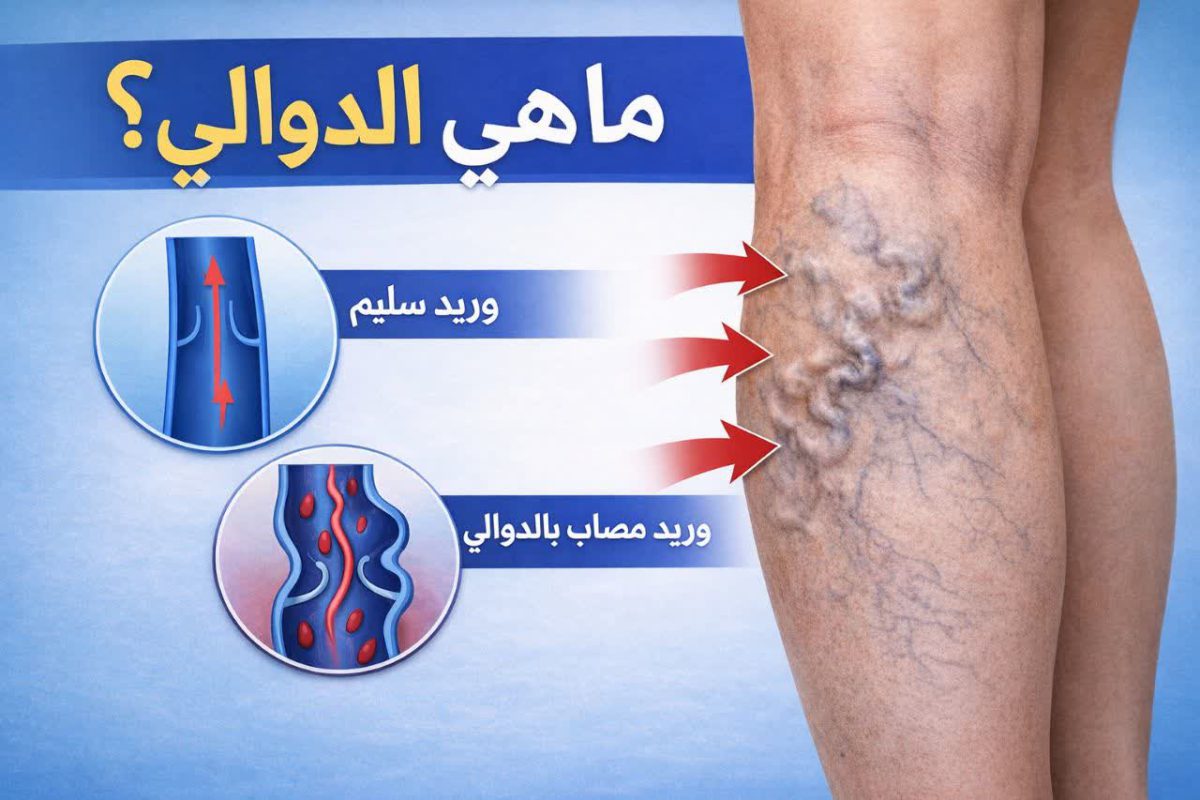

تتناول هذه المقالة أحد أكثر الأسئلة التي تطرحونها یعنی ما هي الدوالي و ما هي علاج الدوالي. يجب أن تعلموا أن الدوالي مشكلة شائعة يعاني منها الكثيرون، وخاصة النساء. الدوالي هي تلك الأوردة البارزة والملتوية التي تظهر عادةً في الساقين وتُسبب مظهراً غير مرغوب فيه. لكن الأمر لا يقتصر على المظهر فقط؛ It may cause pain, swelling, fatigue, and even more serious complications.
In order to define this disease in more detail, Dr. Mahmoud Hadizadeh (the best varicose vein specialist in Iran) and (President of Klinic Election : Varicose veins are abnormal expansion and twisting of the veins. They often appear in the legs due to weak vein valves that prevent blood from flowing back. When these valves weaken, blood collects in the vein, which expands and becomes more prominent. For more detailed information about this disease and how it occurs, you can refer to Dr. Hadizadeh's article ( What is the disease?).
Why do varicose veins occur
There are many reasons that lead to the appearance of varicose veins, but according to the best varicose veins specialist in Iran (Dr. Hadi Zadeh), the most important reasons include the following:
Genetics (an important factor), standing or sitting for long periods, pregnancy (increased pressure and hormones), obesity, aging, lack of movement, female hormones (estrogen)
What are the symptoms of varicose veins:
Complications of varicose veins vary from person to person, but according to reports from the Isfahan Varicose Vein Treatment Center (Dr. Hadi Zadeh), the most common complications of varicose veins include the following: prominent blue or purple veins, heaviness or pain in the legs, swollen ankles, itching or burning around the vein, night cramps, and fatigue that increases with prolonged standing
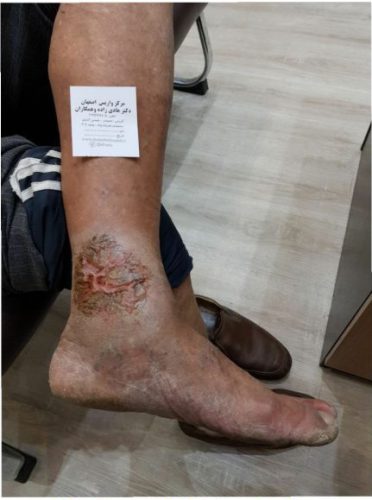
It should be noted that in advanced cases it may appear; Skin color changes, skin ulcers, superficial clots
Are varicose veins dangerous
According to the advice of the best varicose vein specialist in Iran (Dr. Hadi Zadeh), if varicose veins are not treated and get worse, they may cause serious health risks, such as skin infections, chronic ulcers, bleeding from a vein, and clots
Diagnosis of varicose veins
The following two methods are used to diagnose varicose veins:
The first is a clinical examination, the second is an ultrasound scan (Doppler) to evaluate blood flow and vein valves
Drug treatment for varicose veins
According to the opinion and advice of Dr. Mahmoud Hadizadeh (the best varicose veins specialist in Isfahan), varicose veins cannot be treated with medications, but they can be prescribed to some extent to prevent the development of the disease, as well as to relieve pain and heaviness in the legs and reduce swelling to some extent.
Non-surgical (modern) treatment
Without a doubt, radiofrequency intravenous laser therapy is the best treatment for deep varicose veins, and it is performed at the Isfahan Varicose Veins Clinic (Dr. Hadi Zadeh). The best way to treat superficial and spider varicose veins is sclerotherapy, which is also performed in this clinic. Many other treatments are also performed in this clinic, such as varicose vein patching, micro varicose vein removal, and others, depending on the severity and type of varicose veins.

Prevention of varicose veins
In this section, we provide some recommendations from Dr. Hadi Zadeh for preventing varicose veins, including: regular movement, avoiding prolonged standing or sitting, elevating the legs, maintaining a healthy weight, and wearing compression stockings when needed
When should you see a doctor
According to patient reports and Dr. Hadi Zadeh’s clinic for treating varicose veins, it is recommended to see a varicose veins specialist immediately after feeling any change in the shape or size of the legs, or feeling pain or any other problem in them. Of course, if you suffer from any of the following or similar problems, you should see a varicose veins specialist immediately.
Severe pain or sudden swelling, skin color change, blistering, bleeding from a vein, rapidly worsening symptoms
What are heart diseases?
The best cardiologist (Dr. Hadi Zadeh) defines heart disease as follows
They are disorders that affect the heart or blood vessels and affect its ability to pump blood normally.
The most important types of heart diseases
There are different types of heart diseases, and here we will explain some of the most important ones to you through the words of Dr. Hadi Zadeh (the best cardiologist and varicose veins specialist)
Coronary artery disease: caused by narrowing or blockage of the arteries feeding the heart due to fats (atherosclerosis).
Symptoms: pain or pressure in the chest, shortness of breath, fatigue upon exertion, which may lead to a heart attack.
Heart attack (myocardial infarction): occurs due to a sudden blockage in a heart artery.
Symptoms: severe chest pain that extends to the arm or jaw, severe sweating, nausea, shortness of breath.
Heart failure: Weakened ability of the heart to pump blood. Symptoms: swelling of the feet, shortness of breath when lying down, constant fatigue, which may be acute or chronic.
Heart rhythm disturbances (arrhythmia) such as: tachycardia, slowness, atrial fibrillation. Symptoms: palpitations, dizziness, and sometimes fainting
Heart valve disease: stenosis or regurgitation of the valves. Symptoms: shortness of breath, fatigue, swelling of the legs.
Congenital heart disease: Defects present at birth, varying in severity from minor to serious. Risk factors: high blood pressure, diabetes, high cholesterol, smoking, obesity, lack of physical activity, stress, family history.
Diagnosis of heart disease:
To diagnose heart disease, according to reports from Dr. Hadi Zadeh Heart Clinic, a series of the following procedures must be performed based on the opinion and prescription of the specialist doctor. Such as: electrocardiogram (ECG), echo (ultrasound), stress test, cardiac catheterization, blood tests (fats, enzymes).
Preventing heart diseases
To prevent heart disease, the best cardiologist in Iran (Dr. Hadi Zadeh) gives us the following recommendations: healthy diet (low in fat and salt), exercise regularly, quit smoking, control blood sugar and pressure, and periodic check-ups.
When should you see a doctor immediately?
Severe or sudden chest pain, severe shortness of breath, loss of consciousness, persistent severe palpitations
Is there a connection between heart disease and varicose veins?
According to reports from Dr. Hadi Zadeh's Cardiovascular Clinic, there is an indirect link between heart disease and varicose veins, but they are not the same disease and the presence of one does not necessarily mean the presence of the other.
Heart failure and varicose veins
In heart failure (especially the right one), the return of blood to the heart decreases, and venous congestion occurs in the legs. هذا الاحتقان قد يزيد الدوالي سوءاً و يسبب تورم القدمين.
ضعف الدورة الدموية
بطء عودة الدم الوريدي یسبب ضعف ضخ القلب و يؤدي إلى توسع الأوردة و زيادة الضغط الوريدي
عوامل خطر مشتركة
يقول أفضل أخصائي دوالي الأوردة في أصفهان إن هناك عوامل مشتركة مهمة بين هذين المرضين، بما في ذلك:
كلاهما يتأثر بالسمنة، قلة الحركة، التقدم في العمر، الحمل (عند النساء)، الوقوف أو الجلوس الطويل
الجلطات الوريدية
الدوالي قد تزيد خطر الجلطة الوريدية العميقة و إذا تحركت الجلطة قد تصل إلى الرئة (انسداد رئوي)و هذا يؤثر على القلب والرئتين بشكل خطير
ما الذي لا يُعتبر ارتباطاً؟
وفقًا للرأي النهائي للدكتور هادي زاده(أفضل أخصائي لعلاج الدوالي في إيران) الدوالي لا تسبب أمراض الشرايين القلبية، أمراض القلب التاجية لا تسبب الدوالي مباشرة
في النهایة:
الدوالي مرض وريدي، أمراض القلب مرض شرياني/عضلي الارتباط وظيفي وغير مباشر خاصة في فشل القلب