
میوم رحم چیست؟ انواع، علائم و دلایل ایجاد آن
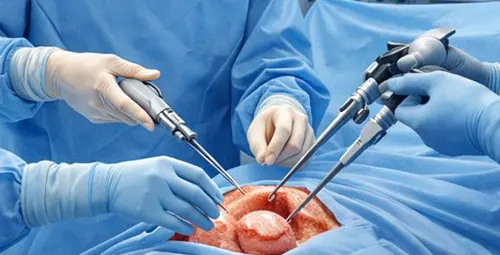
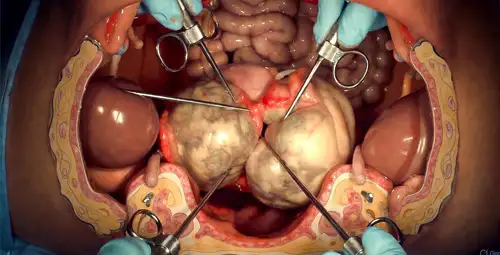
اگر بخواهیم تعریف کلی از میوم رحم ارائه کنیم میتوان گفت که، توده هایی غیر سرطانی هستند که از بافتهای خود بدن تشکیل میشوند. به طور کلی این توده ها از از سلول های خود بدن شکل می گیرند. انداز های ن توده ها متفاوت هستند و از چند میلیمتر تا چند سانتی متر را شامل می شود.
این بافتها می توانند به صورت تکی یا چندتایی در بدن ظهور کنند. در بسیاری از موراد این میوم ها در هنگامی معاینه و یا سونوگرافی توسط پزشک یافت می شوند. این بدین معنی است که شخص هیچ علامت بالینی را حس نمی کند. با این وجود اگر میوم بزرگ شود می تواند عوارضی را ایجاد کند، از جمله خونریزی شدید و درد در زمان قائدگی، احساس فشار یا درد در قسمت لگن، مشکلات گوارشی، تکرر ادرار و احساس ناراحتی در هنگام رابطه جنسی شامل این علائم و مشکلات هستند. علت دقیق ظهور این توده ها هنوز به طور دقیق مشخص نیست، با این حال عواملی مانند سابقه خانوادگی، چاقی و مشکلات هورمونی میتوانند دلیل بروز آنها باشند. توجه داشته باشید که اسم دیگر این بیماری فیبروم رحم است.
فهرست مطالب
- انواع
- علائم
- دلایل ایجاد
- روشهای تشخیص
- چه زمانی باید به پزشک مراجعه کرد
- سوالات متداول
- جمعبندی و نتیجهگیری
- منابع
انواع میوم رحم
میوم اینترامورال
رایج ترین نوع میوم رحم میوم اینترامورال است. This type of myoma is formed in the uterine wall and its muscular layer. If this type of mass grows, it is possible for the uterus to become larger or asymmetrical. The size of intramural myoma plays an important role in causing complications and symptoms. This type of myoma can lead to symptoms such as heavy or prolonged menstrual bleeding, pelvic pain or pressure in the abdomen or back, and sometimes affect fertility.
Subserous myoma
Subserous myoma occurs when the uterine myoma grows from inside the uterine wall to the outside and reaches the outer surface of the uterus (serous lining) or a little. placed outside the uterus. This type of myoma often grows outside the uterine cavity; For this reason, it usually does not have much effect on menstruation and may remain asymptomatic. When the size of the myoma increases, it may put pressure on the surrounding organs such as the bladder or intestine and cause symptoms such as pelvic pressure, bloating, frequent urination, back pain or pain during sex.
Submucosal myoma
This type of myoma occurs under the inner lining of the uterus and may grow to the inside of the abdominal cavity. This type of myoma is less common than other types. Submucosal myoma causes more serious complications for the patient due to the place of growth. Even small types of it can cause heavy bleeding during menstruation, the presence of blood clots, pain or enlargement of the uterus. In addition, submucosal myoma can cause problems for pregnancy or trying to conceive. To get full information about the article peduncle myoma (peduncle) peduncle myoma differs from other types in terms of structure, because it is connected to the uterus by an appendage. This is the reason for its name. This myoma can grow both on the outer surface of the uterus and inside the uterine cavity. In some cases, the base that connects the mass to the uterus twists and this event causes sudden and severe pain for the patient. Peduncle myoma is more difficult to diagnose than other types, so ultrasound or MRI is often used for accurate diagnosis. This disease may occur in many women without specific symptoms, but when it grows, common symptoms appear. Among these symptoms are long or heavy bleeding during menstruation, feeling of pressure or pelvic pain, bloating or enlarged abdomen and repetition. Urine pointed out. Basically, myoma symptoms appear gradually, the severity of the symptoms depends on factors such as the size and location of the mass. Small myomas usually do not cause problems, but large or multiple myomas can affect daily life. Some types may cause severe or warning symptoms that require immediate medical attention. These include very heavy or sudden bleeding, severe abdominal or pelvic pain, anemia due to anemia and fertility problems. If the myoma creates pressure in the uterine cavity or near other organs, it can cause difficulty urinating or having bowel movements and, in rare cases, severe pain during sex. Identifying these symptoms in time and visiting a doctor can prevent the development of problems. One of the most important causes of uterine myoma is hormonal changes in the body. Female sex hormones, especially estrogen and progesterone play a key role in the growth and division of uterine wall cells. Increasing estrogen and progesterone levels can stimulate the growth of muscle cells and connective tissue in the uterus, and as a result accelerate myoma formation. It can be said that this is the reason why this disease appears mostly in women before menopause. In other words, reducing the level of these hormones can stop the growth of myomas. Diagnosis is usually done with a combination of clinical examination and imaging. The doctor may first perform a pelvic exam to check for any changes in the shape or size of the uterus. Ultrasound Transvaginal or abdominal ultrasound is the most common imaging method to identify small and large myomas. In some cases, it is difficult to accurately diagnose a myoma, or there is a need to accurately diagnose the location and size. In such cases, the doctor orders MRI or hystersonography. Women who Experience heavy or prolonged bleeding during menstruation, persistent pelvic pain, abdominal pressure or abnormal uterine enlargement, they should see a doctor. Also, if myoma causes problems in fertility or disturbances in urination and movements Intestinal infection requires immediate medical evaluation. This disease is one of the most common problems of women of reproductive age that can occur without symptoms or with various symptoms such as heavy bleeding, pelvic pain and abdominal pressure. Recognizing the types — including intramural, subserosal, submucosal, and peduncular — helps the doctor determine the best course of treatment. To read more about the article The cause of uterine myoma is a combination of hormonal changes, genetic factors and lifestyle. Diagnostic methods include clinical examination, ultrasound and, if necessary, MRI or hystersonography. It is necessary to see a doctor when severe symptoms or fertility problems appear.Symptoms of uterine myoma
Common symptoms
Severe and warning symptoms

causes of uterine myoma
Hormonal changes
Uterine myoma diagnosis methods
When to see a doctor
Early diagnosis and treatment of severe symptoms can prevent problems from progressing and provide appropriate treatment options.Frequently Asked Questions
What is a uterine myoma?
What causes uterine myoma?
What are the symptoms of uterine myoma?
How can a uterine myoma be diagnosed?
Summary
Early diagnosis and regular follow-up can prevent the development and occurrence of serious complications and help choose the appropriate treatment method. Therefore, Women's awareness of uterine myoma symptoms and risk factors plays an important role in reproductive health and quality of life.sources

Comparison of vaginal tightening methods: surgical and non-surgical With the passage of time or after childbirth, the walls of the vagina relax and the muscles...