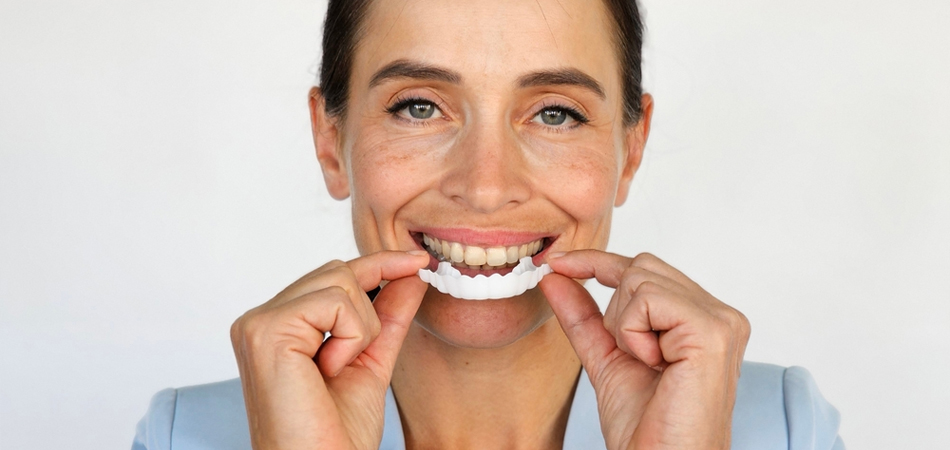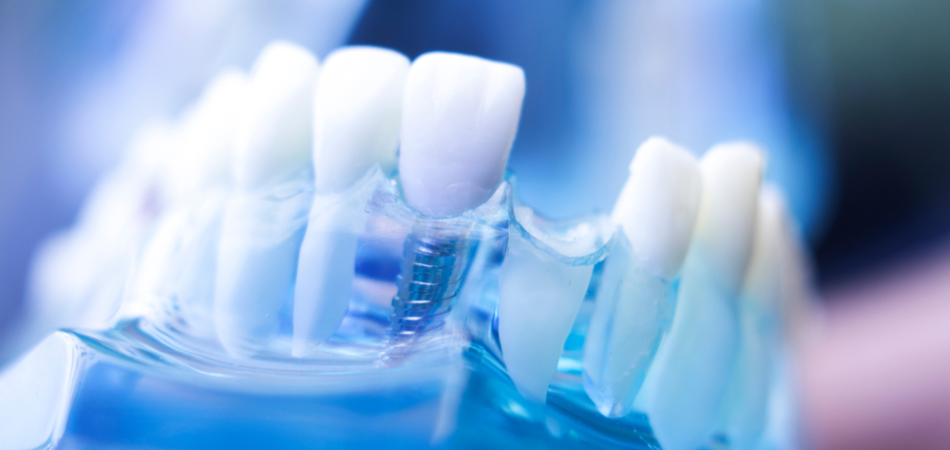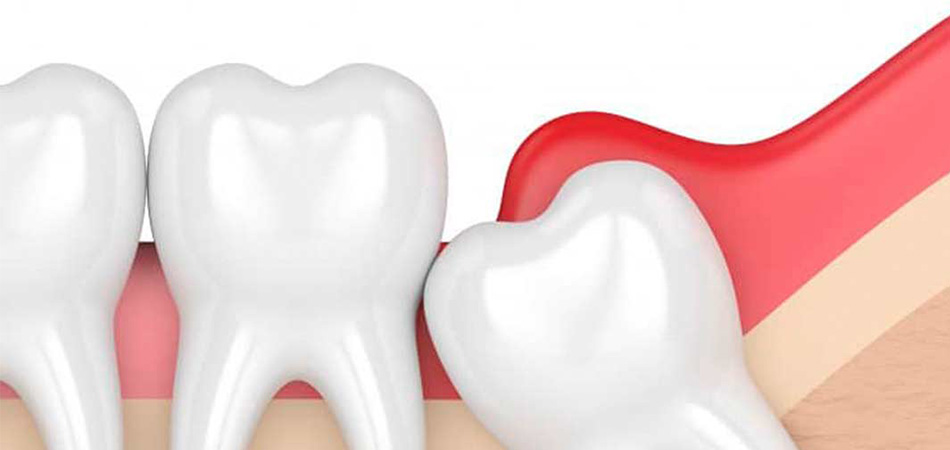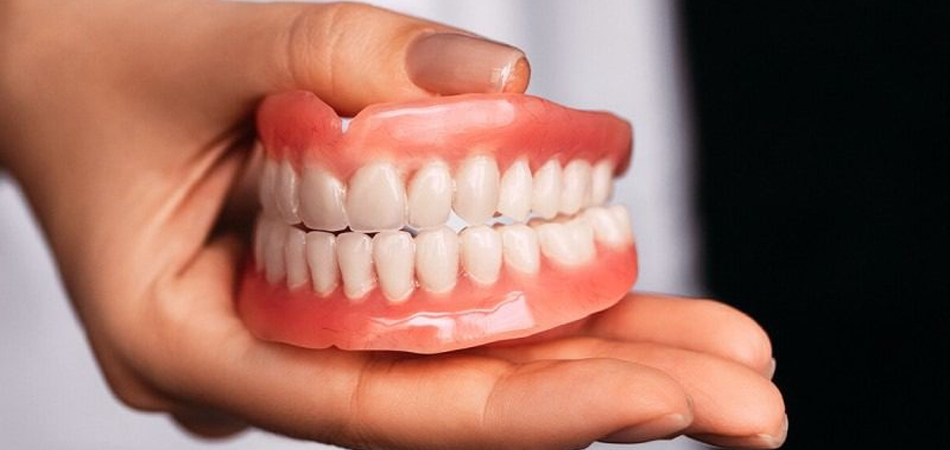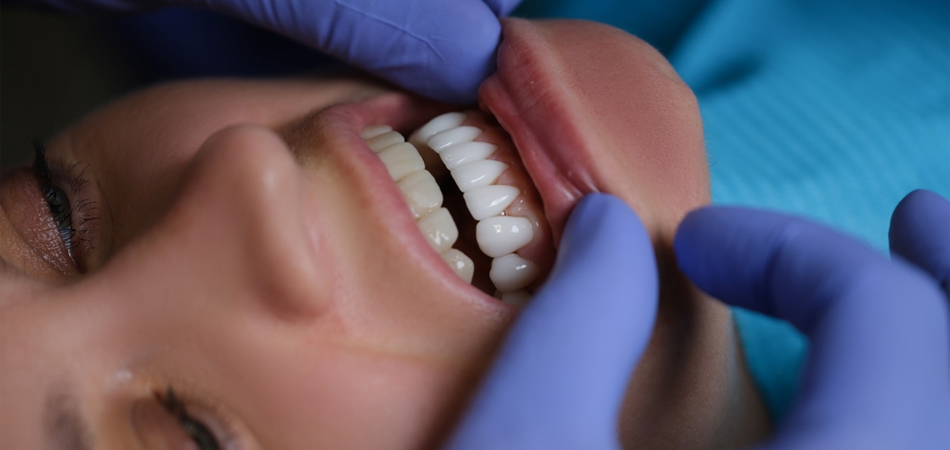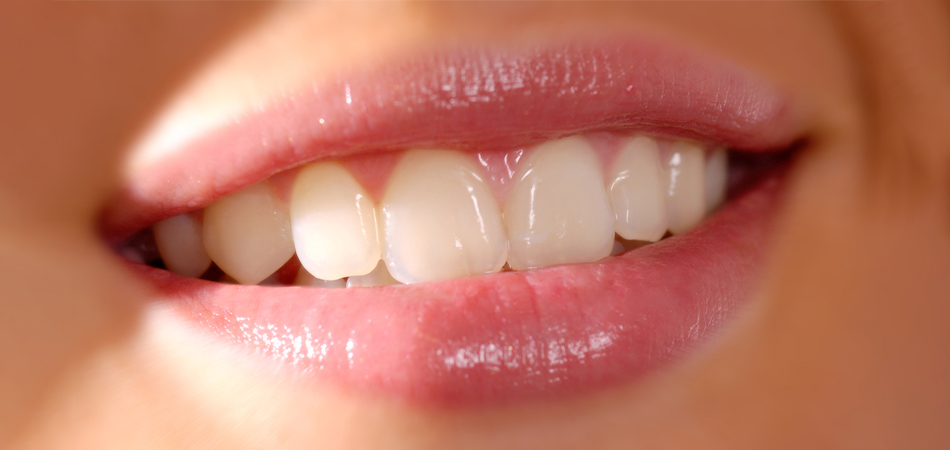

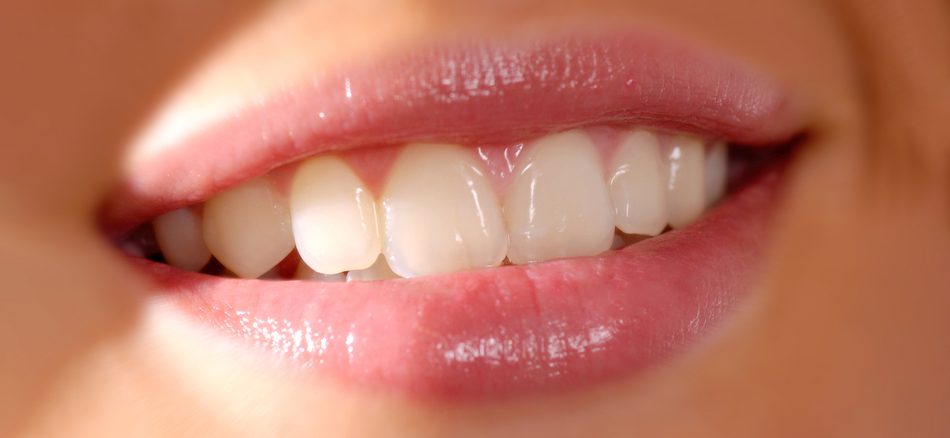
لبخند یکی از اولین نشانههایی است که در روابط اجتماعی توجه را جلب میکند. Sometimes the shape of the teeth is in such a way that they look too far forward and it is called a rabbit tooth. Although this situation has a special and even pleasant effect in some people, it often causes concern in terms of the beauty or function of the teeth. Advances in restorative dentistry have provided a variety of solutions to correct this condition, one of the most widely used of which is the rabbit tooth composite. Due to its high speed, minimal invasiveness and immediate results, this method has been able to attract the attention of patients and specialists and is known as a cost-effective option to achieve a harmonious and proportionate smile.

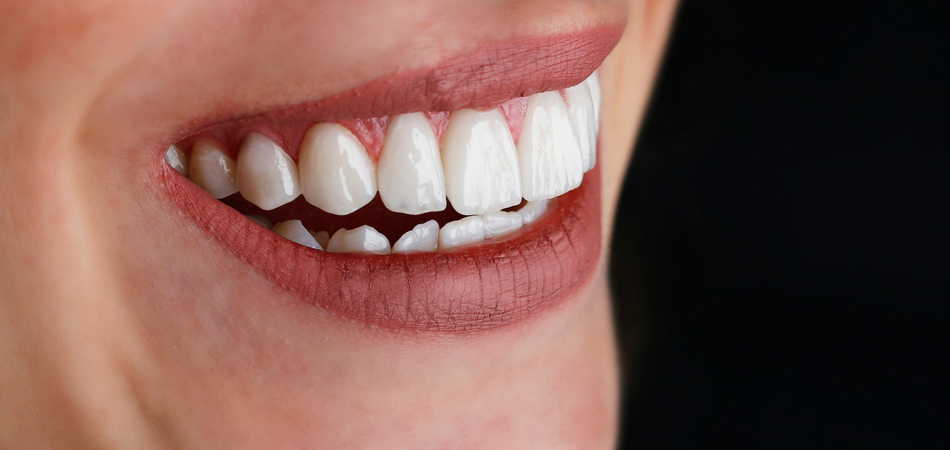
This dental composite is a new method in the field of cosmetic and restorative dentistry, which uses tooth-colored resin materials to modify the surface of the front teeth to give them a more natural and harmonious appearance. This method is especially used for people whose front teeth are protruding and so-called rabbit teeth. In this treatment, the dentist changes their shape and size by layering and shaping composite materials on the surface of the teeth.
The main advantage of this method compared to similar treatments is that it is less invasive; This means that usually there is no need to sharpen the teeth and a large part of the natural structure is preserved. In addition, the treatment time is short and the patient can see a significant change in his smile in one or two sessions. This feature has made composite veneers a popular option among people who are looking for a quick smile improvement without undergoing long-term treatments such as orthodontics.
What are rabbit teeth? class="ez-toc-section-end">
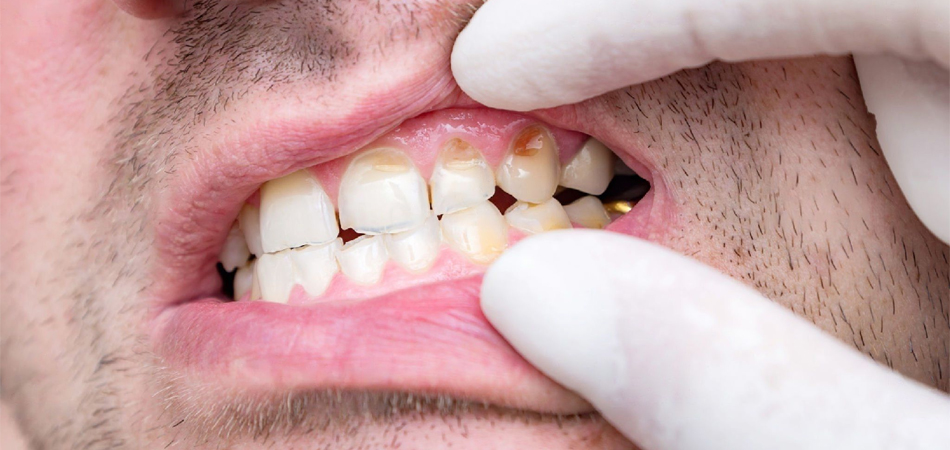
Rabbit tooth is a condition in which the front teeth of the upper jaw lean forward more than normal and are seen in front of other teeth. This condition can be mild, moderate or severe and affect the beauty and function of the mouth at any level.
In some cultures, this condition is seen as an attractive feature, but from a dental perspective, in many cases, it can cause problems such as difficulty biting or abnormal tooth wear. For this reason, many patients seek to correct it. Accurately knowing the rabbit tooth and distinguishing it from other dental abnormalities helps to choose the most appropriate treatment method.

The causes of this abnormality are diverse and often a combination of genetic factors, behavioral habits and jaw problems play a role in its creation. In the following, we will examine the most important factors.
1- Genetics
Heredity is one of the main reasons for front teeth. If in a person's immediate family, parents or siblings have cleft teeth or similar jaw abnormalities, the possibility of passing this trait on to the next generation will be higher. Genetics can affect the size of the jaws, the shape of the teeth and the way they grow, and this issue provides the background for rabbit teeth slow.
2- Incorrect childhood habits
Childhood behaviors and habits have a great influence on the way teeth and jawbone grow. If these habits are not corrected, it is more likely that the teeth will protrude.
1- Thumb sucking

Continuous thumb sucking in children is one of the most common causes of tooth decay. The constant pressure of the finger on the front teeth causes them to move outward, and if it continues, the shape of the upper jaw will also change.
2- Long-term use of a pacifier
If the pacifier is used beyond the normal age of the child, it puts the same pressure on the front teeth. This habit eventually causes a change in the angle of teeth growth and their coming forward.3- Tongue pressure on the front teeth
Some children and even adults press their tongue behind their front teeth when swallowing or speaking. This behavior creates continuous and long-term pressure that can push the front teeth forward.
3- Jaw abnormalities
The structural problems of the jaws also play an important role in the development of rabbit teeth.
Small mandible
When the lower jaw is smaller than the upper jaw, the natural fit between the two jaws is lost and the upper jaw teeth are seen further forward. This imbalance is often the cause of front teeth protruding.
Maximum size
When the upper jaw is larger than usual, more space is created for the front teeth and they move forward. This condition is also considered one of the main causes of rabbit teeth.
4- hidden or missing teeth
The presence of teeth embedded in the jawbone or the early loss of baby teeth can disrupt the natural order of teeth growth. In such a situation, the remaining teeth are moved and the previous teeth are pushed forward. Also, the lack of enough space in the jaw makes the front teeth look protruding.
Correcting rabbit teeth is not only done for the beauty of the smile, but there is a set of functional, health and psychological reasons that make this treatment necessary. If this situation is not corrected at the right time, its consequences can worsen over time and have a negative effect on the overall health of the mouth and even the quality of a person's life.
Facial asymmetry
Every person's face looks balanced and beautiful when its components are harmonious. Too much front teeth disrupts the natural fit of the face. This asymmetry is not only obvious when smiling, but even in normal facial expressions. Correction of rabbit teeth can solve this disharmony and restore the balance of the facial components.
Decreasing self-confidence
The appearance of the teeth has a direct relationship with how a person feels about himself. Many people with crooked teeth avoid smiling in public or try to cover their mouths when speaking. This issue can affect social relationships, career success and even the quality of daily life. Correcting this problem increases a person's self-confidence significantly.
Problems biting and chewing
Incorrect positioning of the teeth makes biting and chewing food not be done correctly. People with crooked teeth may not be able to bite hard foods like raw fruits or vegetables easily. This problem can cause digestive discomfort over time, because the food is not crushed and soft enough.
Abnormal wear of teeth
The teeth are designed so that the pressure of chewing is evenly distributed between them. But in the case of rabbit teeth, this balance is lost and some teeth are under pressure more than normal. The result of this situation is premature wear, filling of lips or creation of small cracks in the teeth. If this issue is not corrected, more complex treatments such as veneers or root canal treatment may be required.
Speech problems
Teeth play an important role in the formation of sounds and the correct pronunciation of words. Front teeth can cause a person to have problems in pronouncing some consonants such as "s", "sh" or "z". This issue is especially important in children and teenagers, because it can negatively affect their language learning and communication skills.
Probability of decay
One of the common consequences of rabbit teeth is the increased risk of caries. When the teeth are pushed forward, it becomes more difficult to brush or floss. These conditions provide a suitable environment for the accumulation of bacterial plaques and the formation of dental plaque. Consequently, tooth decay and gum disease will be more common.
Deterioration of teeth
If this condition is not treated, over time the front teeth are more exposed to damage. Small daily impacts or even sudden collisions during sports can cause these teeth to chip or break. Also, unbalanced pressure can cause further displacement or loss of teeth.
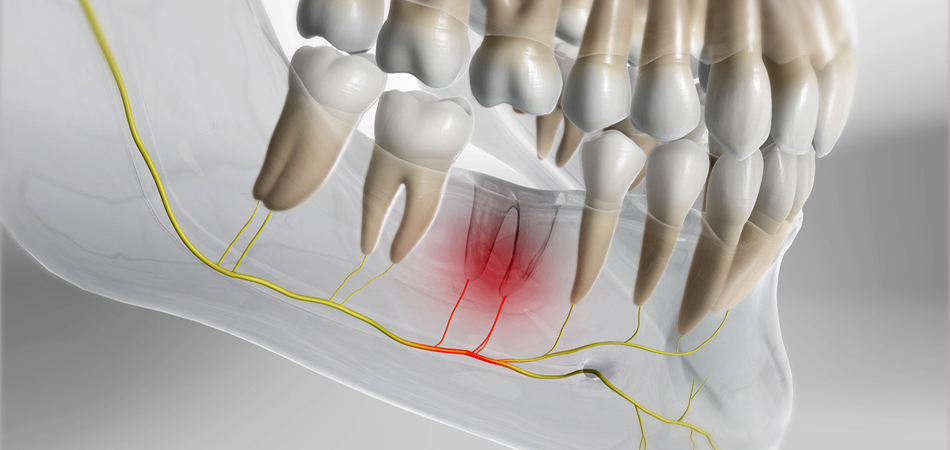
temporomandibular joint (TMJ) pain
Temporomandibular joint disorders are one of the problems experienced by many patients with tooth decay. Abnormal pressure caused by teeth misalignment can cause chronic pain in the jaw, ear or even frequent headaches. In some people, when opening and closing the mouth, there is a clicking sound or restriction of jaw movement. Correcting rabbit teeth can prevent these symptoms to a large extent.Advantages of rabbit tooth composite

Composite veneer is one of the most popular methods for correcting rabbit teeth. The reason for this popularity is the numerous and practical advantages of this method, which has made it a suitable choice for many patients.
1- Improving the beauty and appearance of teeth
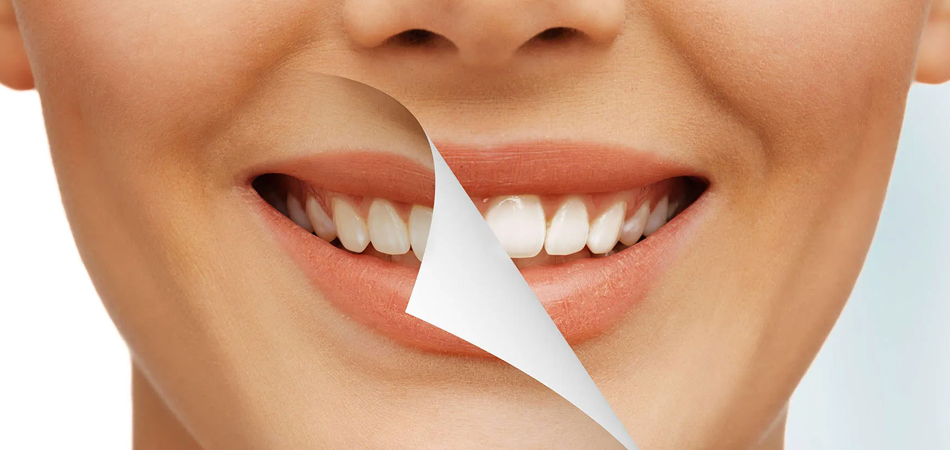
The most important reason for choosing this method is the dramatic change in the beauty of the smile. Correcting the protrusion of the teeth with composite makes the teeth look more level and harmonious. This change has a direct effect on increasing the attractiveness of the face.
2- Quick and minimally invasive repair
One of the great advantages of composite is that, unlike methods such as dental laminate or orthodontics, it does not require a long time. You can usually see the result in one or two sessions. Also, in most cases, there is no need for extensive tooth grinding and only surface preparation is done.
3- Ability to adapt and repair easily
If the composite is damaged or filled, the dentist can easily repair it. This feature makes patients choose this method with more peace of mind, because there is no need to worry about the need for a complete replacement.
4- Increasing strength and durability
Today's composites are made with advanced technologies and are more resistant to pressure and impact than in the past. Although their strength is less than laminate, but with proper care, they can last for several years.5- Affordable cost
Compared to other cosmetic treatments such as laminate or orthodontics, the cost of composite is more economical. This issue is very important for many patients, because they can achieve a beautiful smile at a lower cost.
6- Maintaining the natural tooth structure
One of the common concerns of patients is sharpening their teeth. In the composite method, there is usually no need for extensive cutting and the natural structure of the teeth is preserved to a large extent. This feature helps the long-term health of the teeth.
7- Immediate results
Unlike orthodontics, which takes months or even years, composite results are visible immediately after the work is finished. This advantage is especially valuable for people looking for a quick change before an important event.
8- Natural beauty
Composite materials have the ability to choose various colors and can match perfectly with the patient's natural teeth. This feature makes the final appearance of the smile natural and harmonious, so that it is difficult to distinguish it from the original teeth.
Disadvantages of rabbit tooth composite

Although composite veneer is one of the most popular methods for correcting rabbit teeth, it has its own limitations and disadvantages like any other treatment. Being aware of these points helps patients to make decisions with a realistic view and align their expectations with the final result.
1- Less durability and resistance than other materials
composite is less resistant to pressure and impact compared to ceramic laminate or dental veneers. This means that if you eat very hard foods or get a sudden impact, it is more likely to fill or break the lip. Although new technologies have increased the quality of composites, their durability is still less than that of laminate.
2- Color change and staining
Composite materials, like natural teeth, are sensitive to food or beverage pigments. Frequent consumption of coffee, tea, soft drinks or cigarettes can change the color or create stains on the surface of the composite over time. For this reason, people who choose this treatment must modify their food and hygiene habits to maintain the appearance of the teeth.
3- The need for continuous repair and maintenance
Composites, unlike laminate, which remain unchanged for years, require care and sometimes repair. Filling or scratching their surface is a common thing that can be fixed with periodical repairs. Visiting the dentist regularly for polishing and checking the condition is an integral part of this treatment.
4- tooth sensitivity
Some patients may experience temporary tooth sensitivity after composite. This sensitivity usually occurs when consuming cold or hot drinks and decreases over time. However, in some cases, the sensitivity may last longer and require a dentist's examination.
5- limitations in complex therapeutic applications
Composite is mostly used to correct mild to moderate problems. In cases where the protrusion of the teeth is severe or there are serious jaw abnormalities, this method cannot replace more specialized treatments such as orthodontics or jaw surgery. Therefore, the doctor's correct diagnosis plays a decisive role in choosing the right method.
6- The risk of decay under the composite
If the composite is not installed correctly or if oral hygiene is not followed well, the possibility of plaque accumulation in its margins increases. This issue can lead to tooth decay under the composite. For this reason, choosing a skilled dentist and paying attention to daily health care is very important.
The composite veneer process has specific steps that are carefully performed by the dentist. Knowing these steps helps patients to enter the treatment with a clear vision and to know what happens in each session.
1- Diagnosis and treatment planning
The first and most important step is a detailed evaluation by a dentist. At this stage, a complete examination of the mouth and teeth is performed and the condition of the gums, the amount of protrusion of the front teeth and the overall health of the teeth are checked. Sometimes it is necessary to use radiographs or digital scans for a more accurate diagnosis. At this stage, the patient's expectations about the shape and color of the teeth are heard, and the dentist designs a personalized treatment plan according to the individual's conditions. This careful planning ensures that the final result is natural and according to the patient's wishes.
2- Preparation of teeth
After determining the treatment plan, teeth preparation begins. In the composite method, there is usually no need for deep cutting, and in most cases, only a very thin layer is cut from the surface of the enamel to better connect the composite materials. This stage is painless and in most cases even anesthesia is not needed. Basic preparation allows the composite to be placed evenly on the tooth and increase its durability.
3- Selection of color and composite materials

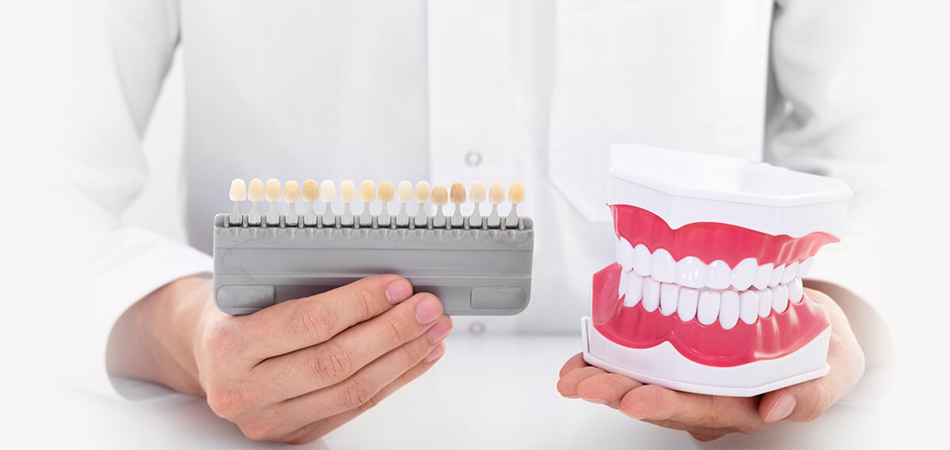
One of the important factors in the naturalness of the result is the right choice of composite color. Using shade guides, the dentist selects the closest color spectrum to the patient's natural teeth. Some patients prefer their teeth to be brighter than the current state; In this case, the dentist chooses a color that harmonizes with other teeth and creates a brighter smile. In addition to color, the type of composite material is also important. Today, microfil composites or nanocomposites are used, which are more durable and transparent.
4- Application of binding materials (bonding)
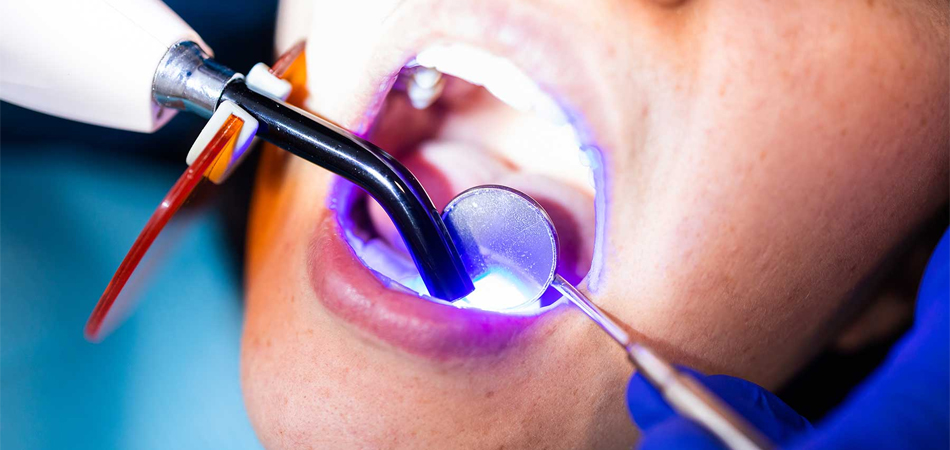
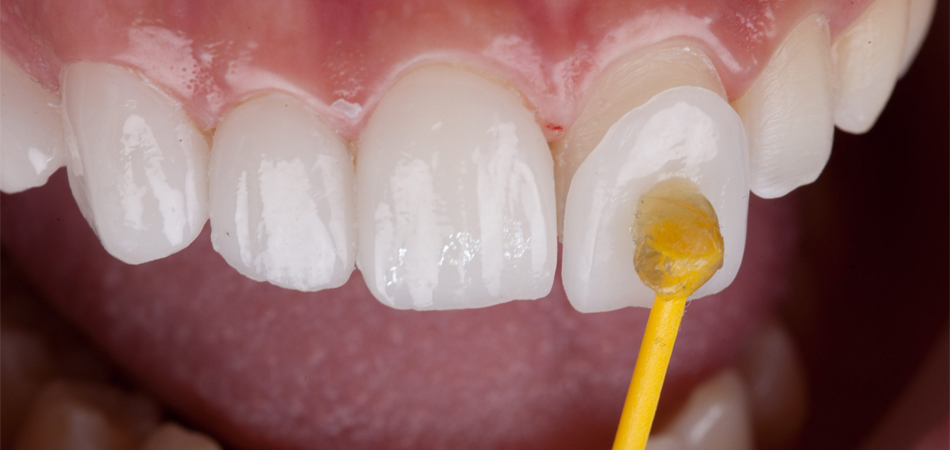
In order for the composite layers to stick to the surface of the tooth, first a very thin layer of bonding material is placed on the tooth. Before that, the surface of the tooth is etched with special acidic materials in a controlled manner to create the microscopic roughness necessary for adhesion. Then bonding is placed on the surface and hardens with a special light. This step is the most basic part of the treatment, because if the bonding is not done correctly, the composite will not last long enough.
5- Composite application
After preparation, the composite resin is placed layer by layer on the surface of the tooth. After initial shaping, each layer is hardened with a light cure machine. This layered process allows the dentist to create a more precise form and increase final strength. At this stage, the necessary changes in the length or width of the tooth can be applied to establish a perfect fit with other teeth.
6- shaping and polishing
After applying all the layers, the dentist cuts the composite surface with special tools and makes it into the final shape. This step includes correcting the angles, smoothing the surface and creating natural enamel lines. Next, using discs and polishing pastes, the surface of the composite is polished to achieve the same transparency and shine as a natural tooth. In addition to beauty, correct polishing also prevents the accumulation of plaque on the surface of the composite.
7- Final evaluation and adjustments
In the last step, the dentist checks the contact between the upper and lower jaw teeth. If the composite is a little long or short, precise adjustments are made so that there is no problem when chewing or closing the mouth. Also, the patient observes the result of the work in the mirror and if minor changes are needed, corrections are applied. This final evaluation ensures that the patient's smile, in addition to beauty, has a natural and comfortable function.
What kind of care is needed for rabbit tooth composite?
Doing a rabbit tooth composite is not the end of the job; The durability and beauty of this treatment largely depends on the aftercare. Compliance with health and behavior tips can increase the life of the composite and prevent problems such as discoloration or decay.
Oral and dental health care

Regular brushing with the right toothpaste is the first and most important recommendation after composite. Using dental floss or waterjet is also necessary to prevent the accumulation of microbial plaques. If oral hygiene is not followed properly, the possibility of tooth decay under the composite and gingivitis increases. It is also recommended to use soft toothbrushes so that the composite surface does not get scratched.
Avoid hard and sticky food
composite is less resistant to strong pressure than natural teeth or laminate. For this reason, direct biting of very hard foods such as ice, hard-shelled nuts, or candy should be avoided. Also, eating sticky foods such as gum or toffee can cause the composite to separate or fill the lips. It is better to either remove these substances completely or use them with more caution.
Regular dental examinations
Periodic visits to the dentist every 6 months will help to check the condition of the composite and to carry out reparative measures in case of lip discoloration or discoloration. In addition, the dentist can perform periodic polishing to make the composite surface shiny again. These regular examinations prevent more serious problems in the future.
Using mouth guards
The use of mouth guards (night guard or sports guard) is recommended for people who have a habit of grinding their teeth in their sleep or engage in high-risk sports. These protectors prevent high pressure or direct impact to the composite and increase its lifespan.
What is the cost of rabbit teeth composite?
The cost of rabbit teeth composite depends on many factors and cannot be considered a fixed amount for all patients. The most important effective factors include:
-
- Number of teeth under treatment: The more the number of teeth that need composite, the higher the total cost.
- Type and quality of composite materials: nano or microfil composites are usually more expensive than old types, but they are more durable and beautiful.
- Experience and skill of the dentist: the cost of treatment in reputable clinics or by specialist dentists is usually higher, but the result will be more natural and lasting.
- The geographic location of the clinic: the location of the clinic also affects the cost. For example, the cost in dentist in Tehran is usually higher than in smaller cities.
In general, the cost of this treatment is lower compared to alternative methods such as laminate or orthodontics, which is why many patients choose it.
Which composite is better or laminate?
Choosing between composite and laminate to correct rabbit teeth depends on the condition of each patient. Both methods can beautify the appearance of the teeth, but they have differences in the treatment process, durability and cost.
Composite is a minimally invasive method that usually does not require a lot of teeth grinding and can be done in one or two sessions. Its cost is lower than laminate and it is easier to repair. On the other hand, ceramic laminate is superior in terms of resistance and durability and is less subject to color change. However, lamination requires more grinding of the tooth surface and is less reversible than composite.
In general, for patients who are looking for a quick and affordable correction, composite is the right choice. But people for whom long-term durability and resistance are more important, usually prefer laminate. Finally, choosing the best method should be done in consultation with the dentist and after examining the condition of the teeth. More complete details about the difference between these methods can be found in the related articles Dental Journal.
The difference between rabbit composite and orthodontics
Orthodontics and composite are two completely different methods for correcting rabbit teeth. Orthodontics is a specialized treatment that corrects the problem from the root by actually moving the teeth and jaws. This method is the best option for severe and structural cases, but it is time-consuming and usually lasts one to two years.
Composite, on the other hand, is more of a cosmetic and covering treatment. In this method, the teeth are not moved, but their form and appearance is modified by layering composite materials. Therefore, composite is suitable for mild to moderate problems and the result is seen faster. Simply put, orthodontics is root and fundamental treatment, while composite focuses more on improving appearance. The choice between these two depends on the severity of the problem, the patient's age and the treatment goal. In many cases, the dentist may recommend orthodontics as the main treatment and, in the end, to complete the beauty of the composite.
Frequently asked questions1- How are rabbit teeth identified?
When the front teeth of the upper jaw are further than normal and are too visible, it is called a rabbit tooth.
2- Is the composite of rabbit teeth better than other methods such as laminate and orthodontics?
Composite is suitable for quick and minimally invasive correction, laminate is more durable and orthodontics is a more radical treatment. The choice of method depends on the condition of the patient.
3- Is the rabbit tooth composite suitable for all people?
No, this method is mostly used for mild to moderate problems. In severe cases, orthodontics or other treatments are usually recommended.
4- How to have beautiful rabbit teeth?
By choosing the right method such as composite, laminate or orthodontics and observing oral hygiene, you can have more beautiful rabbit teeth.
5- Is a rabbit tooth beautiful and can it have an effect on the attractiveness of the face?
In some people, it has a special and beautiful effect, but if it is severe, it usually needs correction.