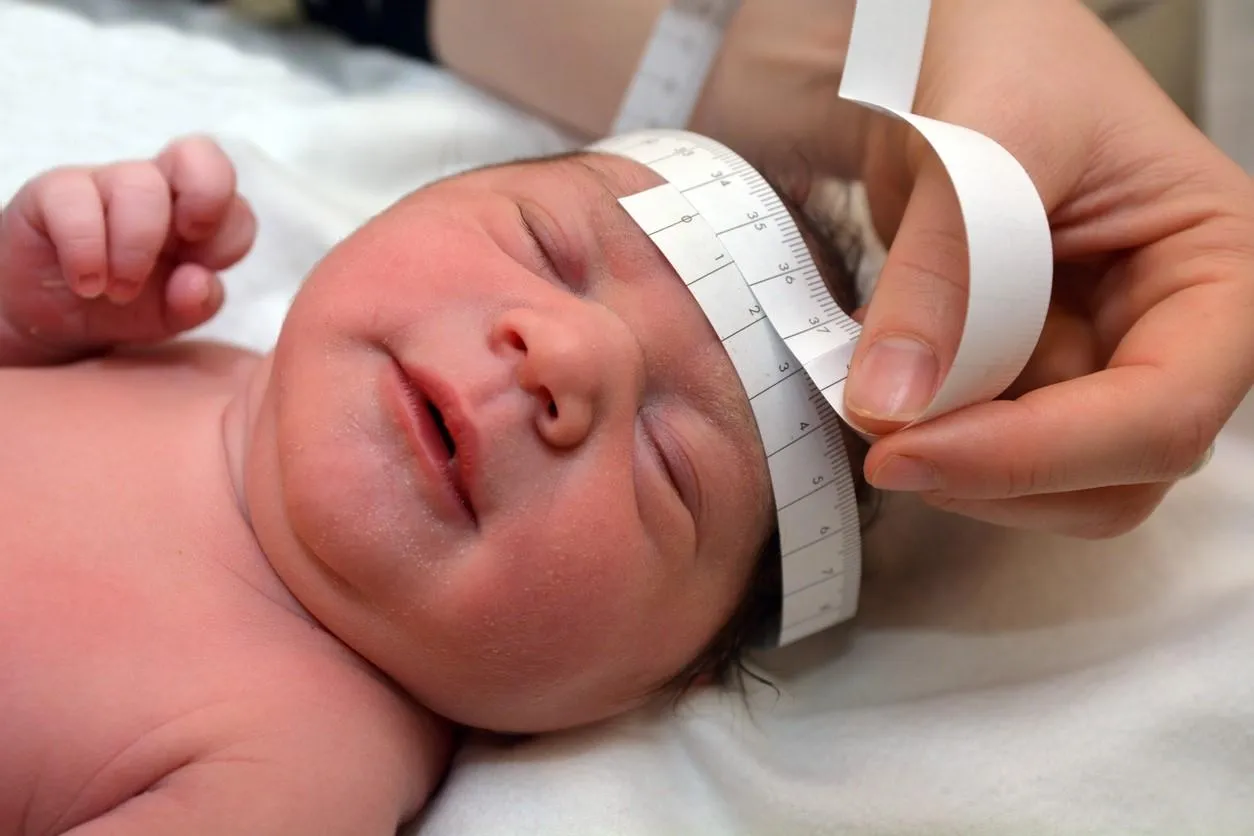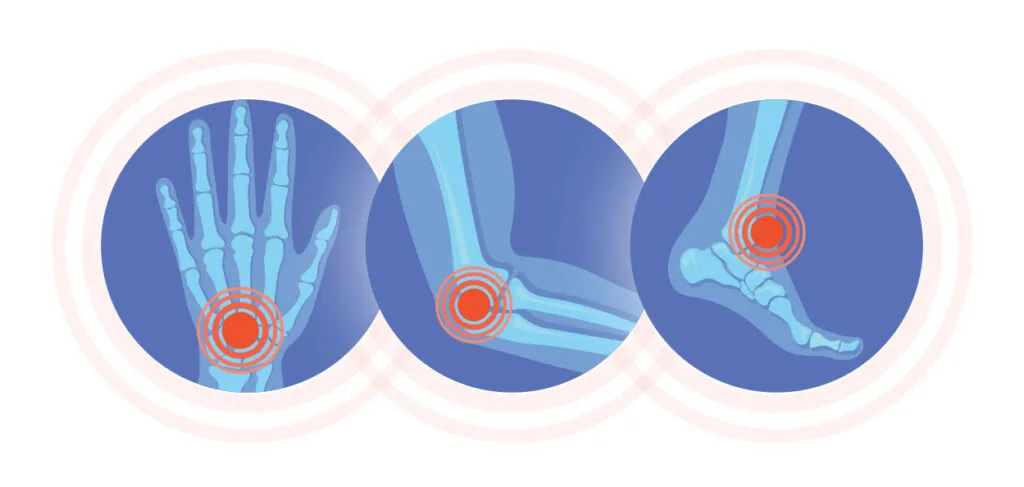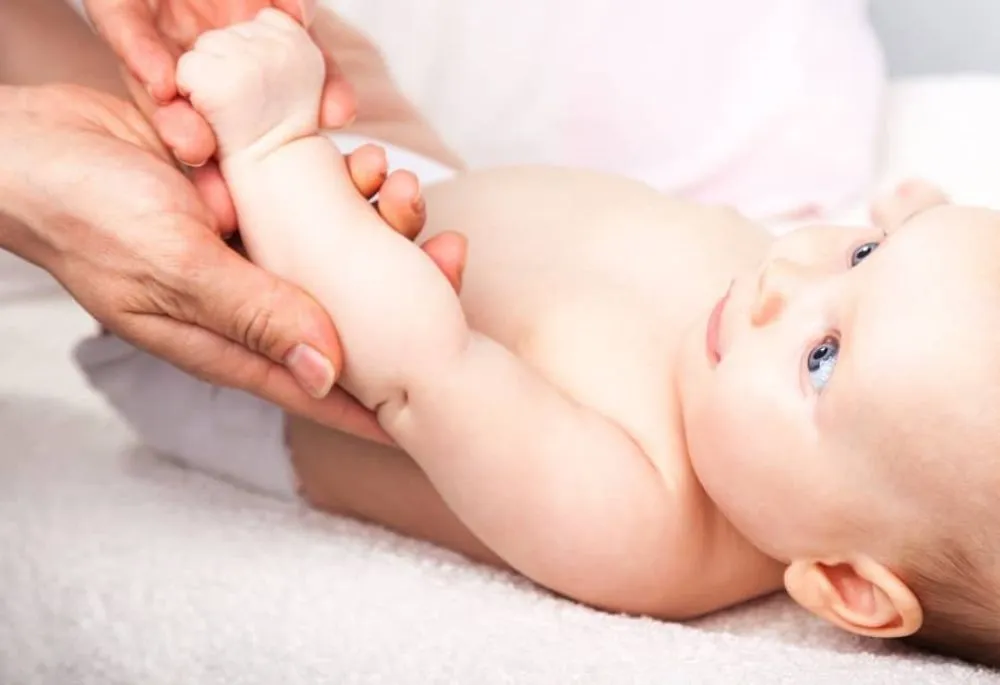


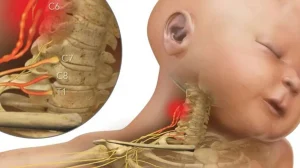
فلج ارب یکی از اختلالات عصبی عضلانی است که عمدتاً در نوزادان رخ میدهد و ناشی از آسیب به شبکه عصبی بازویی است. این شبکه شامل مجموعهای از اعصاب است که از نخاع گردنی منشعب شده و کنترل عضلات شانه، بازو و دست را بر عهده دارند. آسیب به این شبکه باعث ضعف یا از دست دادن عملکرد بازو میشود و شدت آن میتواند از محدودیت جزئی حرکت تا عدم توانایی کامل در حرکت بازو متغیر باشد.
فلج ارب چیست؟
فلج ارب اغلب بهعنوان یک اختلال زایمانی شناخته میشود، اما در بزرگسالان نیز ممکن است در اثر ضربه، سقوط یا تصادفات رخ دهد. علائم اولیه شامل ناتوانی در حرکت بازو، حفظ آن در حالت خمیده یا غیرطبیعی و ضعف عضلانی است. Paying attention to these symptoms in the early stages is very important, because the sooner the diagnosis is made, the better the chance of recovery.
One of the important points in Erb's palsy is its effect on the child's natural development. The affected child may use the affected arm less, which can cause muscle shortening and joint restriction. Also, Erb's palsy can cause hand movement coordination disorders and precise movement problems, so medical and rehabilitation interventions are very crucial from the very first days of life.
Studies have shown that with early diagnosis and a regular treatment program, more than half of infants with Erb's palsy regain significant ability to move the affected arm. Parents play an important role in the treatment process and by cooperating with the medical team and doing exercises at home, they can maximize the effect of the treatment.
The cause of Erb's paralysis
The cause of Erb's palsy is usually damage to the brachial nerve network, most of which occur at birth. During difficult births, severe pressure on the shoulders can stretch or tear nerves. This happens mostly in cases where the baby is big or the labor is long and complicated. Using tools such as forceps or vacuum can also increase the risk of Erb's paralysis.
Other factors that cause Erb's palsy include high birth weight, improper positioning of the fetus in the womb, multiple births, and some congenital disorders. Also, in adults or older children, injuries from accidents, falls, or severe trauma can also lead to Orb's paralysis.
Other causes include genetic problems that cause weakness or vulnerability of brachial nerves. Knowing the cause of Erb's palsy helps to choose the best treatment method, and in cases of childbirth, preventive measures such as prenatal counseling and choosing the appropriate delivery method are carried out.
Types of Erb's paralysis according to severity
Erb's palsy is divided into three main categories based on the severity of nerve damage: mild, moderate and severe. Accurately knowing the type of Erb's palsy helps doctors and parents to design an appropriate treatment plan and have a realistic expectation of the recovery process.
1. mild paralysis
Mild Erb's palsy usually involves minor damage to the brachial plexus nerves and causes limited weakness in the arm. In this type, the child is able to perform most arm movements, but the muscle strength may be slightly reduced or the range of motion may be slightly limited.
Symptoms of mild Orb's paralysis include:
-
Inability to fully raise the arm
-
Decreased speed or strength of arm movements
-
Sometimes difficulty grasping or holding objects
In this type, treatment usually includes physical therapy and occupational therapy. Stretching exercises, muscle training, and daily activities can help restore almost full function. Most children with mild Erb's palsy will recover within a few months and the limitations will be minimal.
2. Moderate Erb's palsy
Moderate Erb palsy involves more damage to the nerves of the brachial plexus and causes significant weakness in the arm. The child may not be able to perform some arm and hand movements and the muscles may be more weak.
Symptoms of moderate Orb's paralysis include:
-
Difficulty raising or turning the arm
-
Inability to perform complex movements such as holding a pencil or playing with a ball
-
Shoulder and elbow muscle weakness that causes limitations in daily activities
In this case, treatment is often a combination of physical therapy and sometimes minor surgery. The goal of treatment is to maintain joint flexibility, strengthen muscles, and prevent abnormal muscle shortening or contraction. Regular exercises at home and periodic follow-ups with an orthopedic and physical therapy specialist play a very important role in the success of the treatment.
3. Severe Orb's paralysis
Severe Erb's palsy refers to complete or near-complete damage to the nerves of the brachial plexus. In this type, the arm is unable to move or only a few limited movements can be performed. Severe paralysis can have a significant impact on a child's daily life and even create long-term movement restrictions in adulthood.
Symptoms of severe Orb paralysis include:
-
Injured arm almost immobile
-
Severe contraction or shortening of the arm muscles
-
Inability to grasp or hold objects
-
Sometimes shoulder or hand joint deformation
In severe paralysis, treatment includes nerve repair surgeries, nerve grafts or tendon transfers, as well as long-term physical therapy. Even after surgery, some limitations may remain, but with regular exercises and rehabilitation, the function of the arm can be greatly improved and the quality of life increased.
Important points
-
The severity of Erb's palsy can change over time and requires periodic evaluation.
-
Early start of treatment and rehabilitation exercises play a key role in improving any type of Orb's paralysis.
Symptoms of Erb's paralysis
Erb's palsy is a neuromuscular disorder that causes weakness or loss of arm movement. Identifying the symptoms of Erb's palsy in the early stages helps to quickly diagnose and start treatment and increases the chances of recovery.
1. Weakness or inability to move the arm
One of the most common symptoms of Erb's palsy is weakness or inability to raise the arm, bend and straighten the elbow, and move the hand. In severe cases, the arm may be completely immobile or limited to a few simple movements.
2. Abnormal positioning of the arm
Erb's palsy can cause the arm to be in a bent position, at the side of the body, or an abnormal rotation of the shoulder. This condition is especially visible in infants, and parents may move the child's arm less or the affected arm may appear smaller.
3. Decreased muscle strength
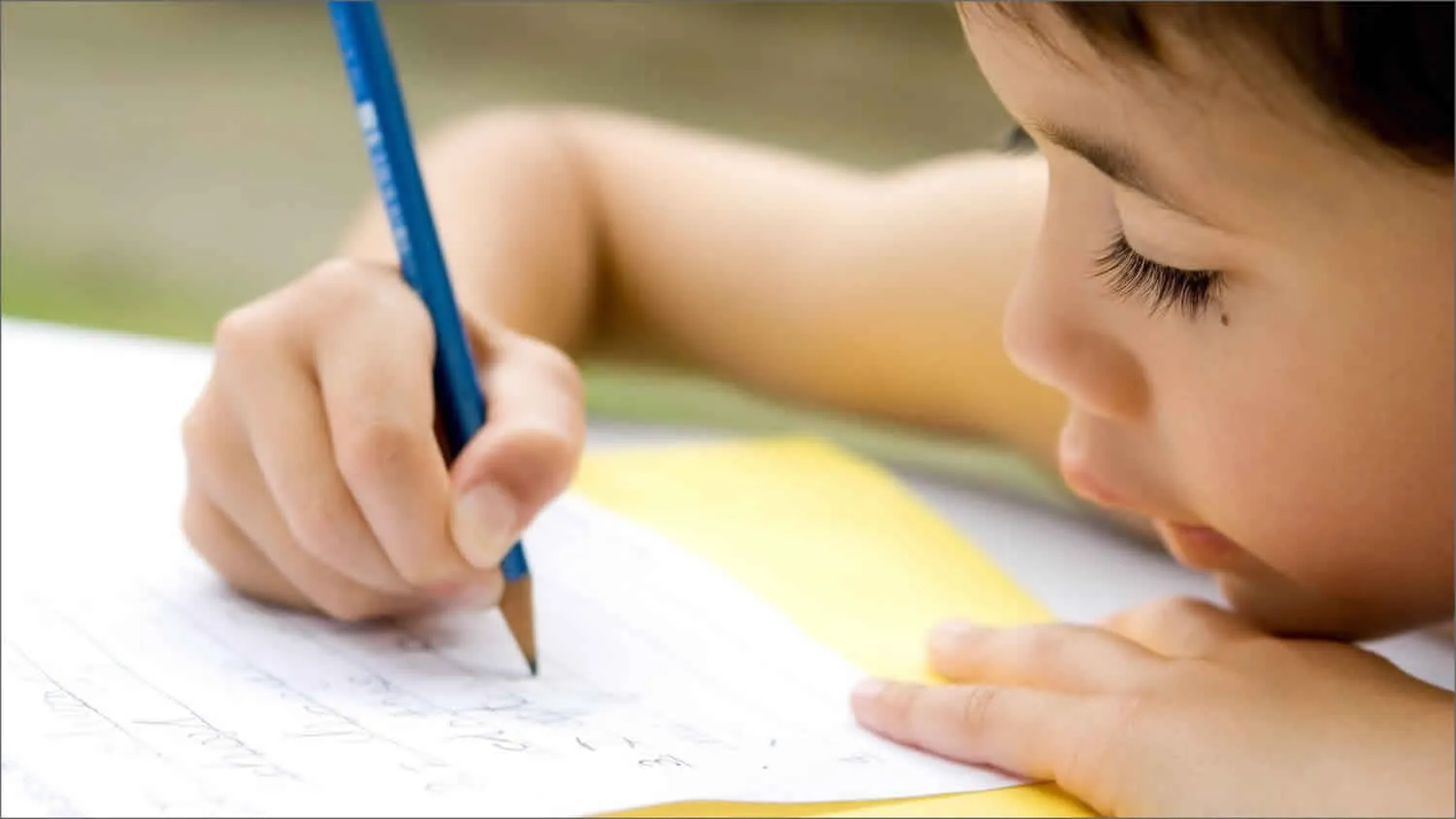
Arm, shoulder and forearm muscles may be weaker or thinner than the healthy side of the body. This decrease in strength causes limitations in performing daily activities such as holding objects, writing or dressing.
4. Less hand and arm coordination
Afflicted children and adults may have problems in eye-hand coordination, and arm and hand movements are less coordinated when performing activities.
5. Side symptoms
In some cases, Erb's palsy can cause pain, muscle spasms, or muscle shortening. Also, in infants, there may be a delay in motor skills and interaction with the environment.
Diagnosis of Erb's palsy
Diagnosis of Erb's palsy is one of the vital steps in the treatment of this neuromuscular disorder, because the amount of nerve damage and its type determine the treatment process and improvement of arm function. The diagnosis process usually begins at birth, especially if parents or doctors notice that the baby's arm moves less or is in an abnormal position.
Clinical examination
The first step in diagnosing Erb's palsy is a clinical examination by a pediatrician or orthopedic specialist. The doctor evaluates the amount of damage by examining arm movements, muscle strength and reflexes. At this stage, special attention is paid to symptoms such as inability to lift the arm, keeping the arm bent or weakness in grasping objects.
The doctor may compare the affected arm with the healthy arm to determine range of motion, strength, and muscle coordination. These examinations help to determine the severity of Erb's paralysis (mild, moderate or severe) and form the basis of designing a rehabilitation program.
diagnostic tools
To diagnose Erb's palsy more accurately, sometimes it is necessary to use specialized tools:
-
Electromyography (EMG): This test examines the electrical activity of muscles and nerve function. EMG helps determine the extent of nerve damage, the type of damage (partial damage or complete nerve tear) and predict the healing process.
-
Imaging with MRI: MRI can show the damage to the brachial nerve network, the location of nerve rupture or stretching, and the condition of the surrounding muscles. This method is very useful especially in severe and suspected complex injury cases.
-
Neurological ultrasound: This non-invasive method is used to examine nerves and muscles and can be helpful in diagnosing Erb's palsy.
The importance of early diagnosis
Timely diagnosis of Erb's palsy plays a very important role in the success of treatment. The sooner the treatment starts, the better the chance of full or partial recovery of the arm and muscle shortening and joint limitation are avoided. Parents should take seriously any decrease in movement or weakness in the baby's arm and consult a specialist without delay.
Detailed performance evaluation
In addition to examining muscle strength, the doctor also evaluates the shoulder, elbow, and wrist joints. This examination is necessary to prevent muscle shortening and disruption of the normal growth of the arm. During the treatment, these evaluations are used as a reference for the child's progress and the effectiveness of the physiotherapy and occupational therapy program.
The role of parents
Parents play a key role in the diagnosis and follow-up of Erb's palsy. Recording changes in arm movement, reporting accurately to the doctor, and performing suggested exercises at home can greatly improve the process of diagnosis and treatment.
Learn more:
Erb's palsy is a neuromuscular disorder that causes weakness or loss of arm movement. Treatment of Erb's palsy depends on the severity of the injury and when treatment begins, but many cases can be improved or managed. In babies and children, physiotherapy, occupational therapy and rehabilitation exercises strengthen muscles and maintain joint range of motion. In severe cases, nerve repair surgery or tendon replacement is performed. Starting treatment in the first months of life increases the chance of complete recovery. In adults, treatment mostly includes rehabilitation, physical therapy, and occupational therapy, and if needed, corrective surgery is performed. With regular exercise, the flexibility of the joints and muscle strength improves and daily activities become easier. In general, Erb's palsy can be treated or managed, but its success depends on the severity of the injury, the time of initiation of treatment and continuity of follow-up. Erb's palsy treatment is a multifaceted and comprehensive process that includes physiotherapy, occupational therapy, surgery, speech therapy and long-term rehabilitation. The aim of these treatments is to improve the function of the injured arm, increase joint flexibility, strengthen muscles and prevent abnormal shortening or contraction. Each stage of treatment has a special role in improving the quality of life of the child. Physiotherapy is the most important and basic part of Erb's palsy treatment. Physiotherapy exercises include active and passive arm movements, joint stretching, strengthening of weak muscles and hand and arm coordination exercises. The purpose of these exercises is to maintain joint range of motion, prevent muscle shortening and increase arm strength. Exercises should be done regularly and under the supervision of an expert. Parents can also do simple exercises at home with expert training, such as moving the child's arm slowly, movement games and daily activities. Occupational therapy complements physiotherapy and focuses on the practical abilities of the arm and hand. Occupational therapy exercises include manual activities such as grasping objects, drawing, using tools, and movement games. The goal of occupational therapy is to promote the child's independence and increase fine motor skills. The occupational therapist also teaches parents to continue appropriate exercises at home and use assistive devices such as clamps and handles to maximize the child's performance. In severe cases of Erb's palsy, when the nerve damage is extensive and the arm is unable to move, surgery is necessary. Surgeries include nerve repair, nerve grafting, and tendon replacement. The aim of the surgery is to restore muscle function, correct the position of the joints and increase the mobility of the arm. The right time for surgery in babies is usually the first six months of life, because the damaged nerves are more capable of repair during this period. After surgery, physiotherapy and occupational therapy continue to stabilize the function of the arm. Although Erb's palsy does not directly affect the muscles of the face or larynx, many affected infants may grow slightly slower due to limited movement and problems with the inability to use their hands, language interactions, and speech skills. Speech therapy helps the child improve communication skills, hand-eye coordination, and the ability to focus on speech and language. The speech therapist strengthens the child's language and communication skills with game-based exercises, motor coordination exercises and social interaction activities and helps to improve his quality of life. Comprehensive rehabilitation includes a combination of physiotherapy, occupational therapy and speech therapy along with continuous medical follow-up. Parents should continue the exercise program and do regular rehabilitation sessions to prevent secondary problems such as muscle shortening, joint contracture and reducing the child's independence. Rehabilitation also includes training parents to manage daily activities, use assistive devices, and prevent secondary injuries. Even after surgery or partial recovery, regular exercises and rehabilitation support play an important role in stabilizing the results. Learn more: What should we do with a stubborn child? Treatment of Erb's palsy in infants is of particular importance, because damage to the arm at this age can affect the development of muscles and joints. Starting treatment as soon as possible increases the chance of improving the function of the injured arm and prevents long-term movement limitations. Physiotherapy is the basis of treating Erb's palsy in infants. Exercises include active and passive arm movements, joint stretching and strengthening of weak muscles. The goal is to maintain joint range of motion and prevent muscle shortening or contraction. With expert training, parents can do simple exercises at home to speed up the healing process. Occupational therapy for infants includes play-based activities and simple motor exercises that encourage the child to use the injured arm. The goal of occupational therapy is to improve fine motor skills, increase the ability to use the arm and prevent the habit of not using the injured arm. Although Erb's palsy mostly affects the arm and hand, some infants may have delays in speech and communication skills due to limited movement and reduced interaction with the surrounding environment. Speech therapy helps a child improve language skills, hand-eye coordination, and the ability to focus on speech and social interaction. The speech therapist supports the speech and cognitive development of the baby with movement games and communication activities. In severe cases, when the nerve damage is extensive and the arm cannot move, surgery is necessary. Surgery includes nerve repair, nerve graft or tendon replacement. The best time for surgery is the first six months of life so that the newly damaged nerve has a better chance of recovery. Infant rehabilitation includes a combination of physical therapy, occupational therapy, speech therapy and parental support. Parents play a key role in doing daily exercises and taking care of the joints. Regular follow-up with specialists, evaluating the child's progress and modifying the exercise program are very important. Rapid start of treatment has a great impact on recovery. The combination of physiotherapy, occupational therapy, speech therapy and, if necessary, surgery gives the best results.Is Erb's paralysis curable?
Treatment of Erb's paralysis
1. Physiotherapy
2. Occupational therapy
3. Surgery
4. Speech therapy
5. Rehabilitation and long-term care
Treatment of infantile paralysis
Physiotherapy
Occupational therapy of Erb palsy
Speech therapy
Surgery
Rehabilitation and follow-up
key points
Treatment of Erb's palsy in adults
In adulthood, the treatment of Erb's palsy is slightly different than in infancy and childhood, because the muscles and joints are less flexible. However, the right treatment program can improve the ability to move the arm, independence in daily activities and quality of life.
Physiotherapy
Physiotherapy plays the main role and includes stretching, strengthening and active and passive movements of the arm. These exercises help maintain joint flexibility, strengthen muscles and reduce spasms. Examples include shoulder circular movements, arm pulls up and to the side of the body, and resistance exercises with light weights or pull-ups.
occupational therapy
Occupational therapy helps adults regain practical everyday skills such as grasping, writing, and dressing. Also, the occupational therapist introduces suitable auxiliary tools to increase the individual's independence.
The best occupational therapy in Karaj
Speech therapy
Some affected adults may have poorer speech or communication skills due to limited mobility or problems resulting from reduced interaction with the environment. Speech therapy can strengthen hand-eye coordination, focus on speech, and social communication ability and improve quality of life.
Surgery and rehabilitation
In severe cases, surgery includes nerve repair, nerve grafting, or tendon replacement, followed by a regular rehabilitation program to strengthen muscles and maintain range of motion. Comprehensive rehabilitation is a combination of physical therapy, occupational therapy, speech therapy, and daily exercises that improves arm function and individual independence.
Key points
-
Treatment in adulthood requires patience and continuity.
-
The combination of physiotherapy, occupational therapy, speech therapy and, if necessary, surgery produces the best results.
-
Regular follow-up and modification of the treatment plan play an important role in the success of the treatment.
With a comprehensive and regular program, movement restrictions are reduced and a person can carry out his daily life with a higher quality.
Duration of Erb's palsy treatment
The duration of Erb's palsy treatment depends on the severity of the injury, the age of the person and the treatment method and can vary from several months to several years.
In infants and children, mild cases usually resolve within 3 to 6 months, while moderate to severe cases may take 1 to 2 years or longer. If neurosurgery or tendon displacement is required, physical therapy and occupational therapy are continued after the operation to stabilize the movement and strength of the arm.
In adults, treatment is usually longer because muscles and joints are less flexible. Regular rehabilitation, physical therapy, and occupational therapy may last 6 months to several years, and even after corrective surgery, regular exercises are essential to maintain mobility.
Early start of treatment and regular follow-up play a key role in shortening the duration of treatment and increasing its success.
About the syndrome Baby Digital Learn more
Exercises for Erb Paralysis
Exercises for Erb's palsy are a vital part of the treatment and rehabilitation of this neuromuscular disorder. Regular exercises can improve joint flexibility, muscle strength, and arm range of motion and prevent long-term movement limitations. Erb's paralysis exercises are divided into three main categories: stretching exercises, strengthening exercises and active and passive arm movements.
1. Stretching exercises
Stretching exercises help loosen and stretch shortened muscles and maintain flexibility in the shoulder, elbow, and wrist joints. Common examples include:
-
Stretching the arm up and to the side of the body
-
slowly pulling the arm back and forth
-
circular shoulder movements
Stretching exercises should be done slowly and without causing pain. Performing these movements daily prevents muscle shortening and movement limitation and prepares the arm for practical activities.
2. Strengthening exercises
strengthening exercises are performed with the aim of increasing the strength of weak muscles and include activities such as:
-
Grab the soft ball and push it
-
Opening and closing the hand in resistance mode
-
Lifting the arm with the help of a specialist or assistive devices
These exercises strengthen the muscles of the shoulder, arm and forearm and increase the ability of the child or adult to perform daily activities.
3. Active and passive movements
Active movements include moving the arm by the individual, and passive movements are performed by a specialist or parents. Examples:
-
Turning the arm sideways or up
-
Bending and straightening the elbow
-
Circular and zigzag movements for the shoulder
Active movements teach muscles to act independently and increase motor coordination, while passive movements are vital for maintaining joint flexibility and preventing muscle shortening.
Important tips for doing sports
-
Exercises should be done under the supervision of a physiotherapist or occupational therapist to prevent further damage.
-
Exercising daily, even for a few minutes, can have a significant impact on the recovery process.
-
Parents should perform the movements calmly and carefully and assure the child that the sports are safe.
-
The combination of stretching, strengthening and active/passive exercises produces the best results and gradually improves the range of motion and arm strength.
Exercises for Erb's palsy not only increase arm mobility, but also improve the child's self-confidence and the ability to perform daily activities. A regular program and careful follow-up are the most important success factors in Erb's paralysis rehabilitation.
Learn more:Treatment of apraxia in Karaj