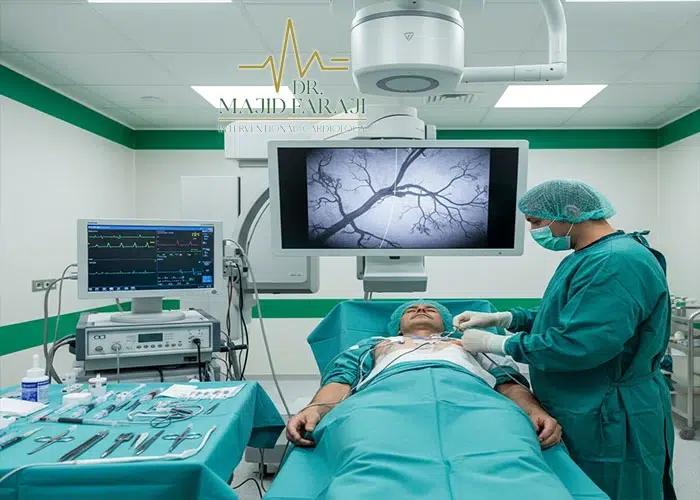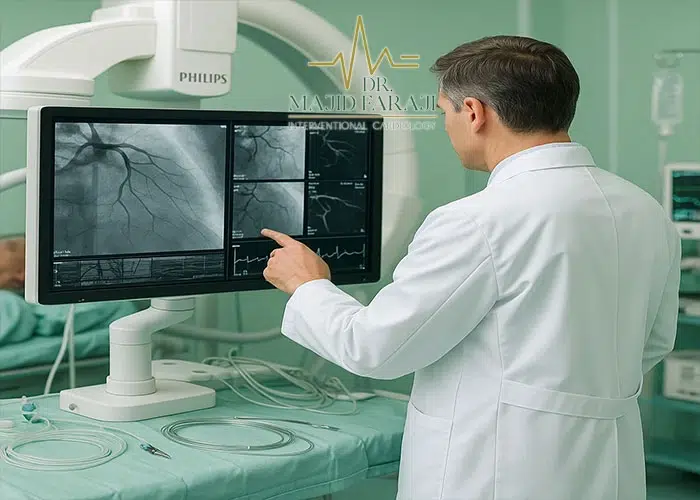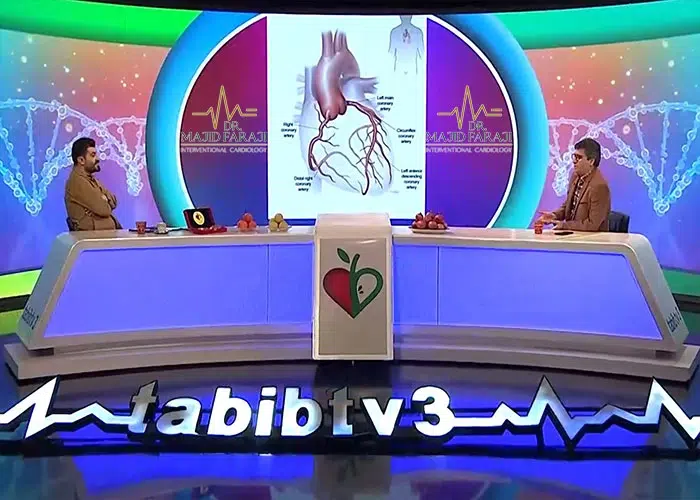


نارسایی قلبی را میتوان یکی از شایعترین و در عین حال پیچیدهترین اختلالات قلبی قلمداد کرد. در این اختلال، قلب قادر نیست خون را به اندازه کافی پمپ کند و نیازهای متابولیک بدن را برآورده سازد. اگر بخواهیم روشنتر به این سوال پاسخ دهیم که نارسایی قلب یعنی چه؟ باید بگوییم که این بیماری به معنای توقف قلب نیست و مربوط به کاهش توان عملکردی آن میشود.
در سالهای اخیر، با افزایش جمعیت سالمند، میزان بروز نارسایی قلبی در سالمندان نیز به طور قابل توجهی افزایش یافته است. شناخت علائم، مراحل پیشرفت بیماری و روشهای درمان نارسایی قلبی، اصلیترین نکات در کنترل این اختلال میباشند. In many patients, timely referral to a heart failure doctor or a cardiologist and specialist doctors such as Dr. Majid Faraji, can completely change the treatment process.
Symptoms of heart failure
In most people, heart failure symptoms appear gradually; For this reason, the patient may first think that he is only tired or stressed. The most important of these symptoms are:
- Shortness of breath during activity or lying down
- Swelling of legs, wrists or abdomen
- Extremely tired feeling and decreased ability to exercise
- Nocturnal cough or wheezing
- Decreased concentration and memory impairment
- weight gain due to fluid accumulation
On the other hand, symptoms of mild heart failure may only include mild shortness of breath or decreased energy, which in most cases, the patient does not take seriously.
Cause of failure Heart
The cause of heart failure is different according to age, underlying diseases and lifestyle. But the most common effective factors include the following:
- coronary artery disease and heart attack
- high blood pressure
- Valvular diseases
- Cardiomyopathies
- diabetes and obesity
- Tobacco and alcohol consumption
In children, heart failure in children and heart failure in infants are usually caused by congenital abnormalities, viral infections or genetic disorders.
The progression of heart failure has four main stages, which are reviewed in the table below.
| step | description | Features |
|---|---|---|
| Step A | High risk without symptoms | high blood pressure, diabetes, obesity |
| Step B | Structural damage without symptoms | ventricular dysfunction |
| Step C | Existence of heart failure symptoms | shortness of breath, swelling of limbs |
| Step D | Advanced and resistant failure | need for specialized interventions |
Patients who are in stages C and D usually require specialized treatments and clinical evaluations by specialist doctors.
The treatment of heart failure is determined based on the stage of the disease, the patient's age and clinical conditions. Treatment of heart failure is a combination of drug treatment, lifestyle modification and in some cases advanced methods.
1. Medicines
An important part of the treatment is the use of standard drugs. Some of these drugs include the following:
- ACE inhibitors
- Betablockers
- Diuretics
- ARNIs
- SGLT2 drugs
According to the patient's condition, the doctor may prescribe a special heart failure pill. In many cases, SGLT2 inhibitors and ARNIs have been proposed as the best drugs for heart failure in recent years.

2. Lifestyle change
Treatment is not complete without lifestyle modification. Essentials include limiting salt intake, weight control, quitting smoking, regular physical activity, and eating the right foods. But the question arises, what foods are useful for heart failure? In this case, we should mention green vegetables, fatty fish, whole grains, nuts and foods with low sodium.
3. Advanced treatments
In advanced stages, there may be a need for pumping devices, CRT, ICD or even a heart transplant.
length Life of heart failure patients
The patient's life expectancy is also related to the stage of the disease, age, type of treatment and the patient's adherence to medication. Patients who have regular treatment and see a specialist like Dr. Majid Faraji on time, usually have a better life expectancy and quality of life. But another important question that arises is whether heart failure causes death? If this complication is not treated or diagnosed late, it may increase the risk of death; But with timely treatment, the progress of the disease slows down.
Heart failure MildIn mild heart failure, symptoms may only include fatigue or mild shortness of breath. But if this stage is not controlled, it will reach more advanced stages. Therefore, it is necessary to visit a cardiologist periodically, monitor blood pressure and modify the diet.
Summary
Heart failure is a common and dangerous disorder that can be prevented by timely diagnosis and adopting effective treatment methods. By knowing the stages of heart failure and taking appropriate drugs, the complications of this disease can be prevented. Patients should see a heart failure doctor or cardiologists upon seeing the smallest symptoms so that the disease does not progress from a mild stage to more advanced stages.
Source: