Table of Contents
- What is the symptom of vertigo?
- The cause of vertigo in women
- The cause of vertigo in men
- The cause of vertigo in children
- The cause of sudden vertigo
- What disease is vertigo a symptom of?
- What are the symptoms of vertigo?
- Signs of dangerous and emergency vertigo
- Different types of vertigo
- How is vertigo diagnosed?
- What is good for dizziness?
- Guide to see a doctor
- Conclusion
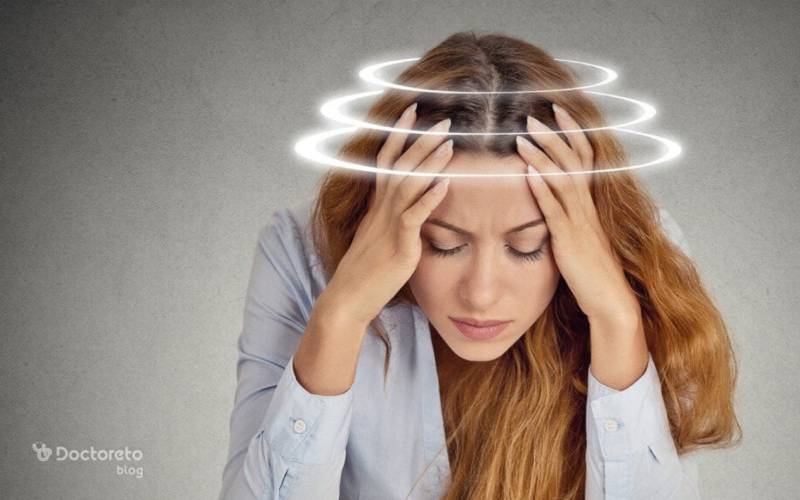
Have you ever felt so dizzy that you feel off balance or that the environment around you is spinning? Dizziness is not just a passing sensation and can be a sign of inner ear disorder, low or high blood pressure, migraine or neurological problems. Identifying the type of vertigo and its associated symptoms is the most important step to choose the right treatment. In this article from your doctor's blog, in simple but scientific language, we review the types of vertigo, common causes and methods of diagnosis and treatment; Do not miss the continuation of this article.
What is dizziness?
Dizziness is usually a symptom of a disorder in one of the body's balance systems, i.e. the inner ear, the nerve pathways related to balance in the brain, or the cardiovascular system. Feeling dizzy and light-headed can be a result of a sudden drop in blood pressure, heart problems, anemia, hypoglycemia, migraine, anxiety disorders, or the use of certain medications.
Sometimes the causes of dizziness are simple things such as dehydration, extreme fatigue, or standing up suddenly from a sitting or sleeping position. If the feeling of dizziness is persistent, severe or accompanied by neurological symptoms, it must be evaluated by a doctor to determine the exact cause.
| Common causes of vertigo | Treatment methods |
|---|---|
| BPPV (benign positional vertigo) caused by displacement of inner ear crystals | Positional maneuvers such as Appli, avoiding sudden head movements, anti-vertigo drugs if needed Short-term |
| Labyrinthitis and vestibular neuronitis (inflammation of the inner ear or vestibular nerve) | Rest, short-term anti-vertigo and anti-nausea drugs |
| Meniere's disease | Salt restriction, diuretics, caffeine and alcohol avoidance, stress management |
| Migraine Vestibular | Medications to prevent migraines, avoid stimulants (foods, light, insomnia) |
| Postural hypotension | Increase fluid intake, slowly change body position, adjust blood pressure medications |
| Arrhythmias and other heart diseases | Diagnosis by electrocardiogram and cardiac examination, rhythm-regulating medications, Blood pressure control |
| Anemia and metabolic disorders (such as hypoglycemia) | Correction of anemia with iron supplementation or treatment of the underlying disease, diet adjustment |
| Central nervous system problems (stroke, cerebellar lesions) | Immediate referral to a neurologist and emergency room, brain imaging, specific treatment Stroke |
| Anxiety disorders and panic attacks | Psychotherapy (CBT), training in breathing and relaxation techniques, if necessary, anti-anxiety medications |
| Drugs and substances (alcohol, some sedatives and antiepileptics) | Review of medication prescription, reduction or change of medication under doctor's supervision |
1. The cause of dizziness caused by the stomach
If vertigo occurs with digestive symptoms, it is possible to point to the simultaneity of the symptoms, but to find the cause, more common factors such as dehydration, pressure drop, anemia or bleeding, drug side effects or inner ear causes should also be considered. In some people, digestive problems such as flatulence or gastritis can affect the balance of the body by creating pressure in the abdomen. If dizziness is accompanied by other digestive symptoms, it is better to see a doctor so that the exact cause can be diagnosed and appropriate treatment can be started.
2. The cause of dizziness and heaviness of the head and nauseacause of dizziness and heaviness of the head and sudden nausea often occur in inner ear disorders, migraines, anxiety or panic attacks, low blood sugar, dehydration and viral infections. Usually, when the neck muscles are stiff or the blood flow is disturbed a little, the person feels dizzy and heaviness of the head.
3. The cause of dizziness when closing the eyes
The reason for dizziness when closing the eyes is that the body uses three sources of information to maintain balance: the eyes, the inner ear, and deep receptors in the muscles and joints. Closing the eyes removes visual input and can reveal a problem with balance sensory inputs. If you lose your balance by closing your eyes, this situation needs a professional evaluation.

4. The cause of vertigo behind the head
The cause of vertigo in the back of the head is usually related to problems with the neck, cervical vertebrae, tension in the muscles behind the head, or disorders in the neck vessels. In this situation, the feeling of dizziness is seen more as heaviness or pressure in the back of the head and dizziness. The cause of vertigo when shaking the head can be related to BPPV (benign positional vertigo) or stimulation of the crystals in the inner ear, which causes a sudden and brief feeling of vertigo with head movement.

5. The cause of dizziness and imbalance in walking
The cause of dizziness and balance disorder is usually related to a disorder in the vestibular system (inner ear), cerebellum, or neural pathways related to balance. In this condition, the feeling of dizziness may be accompanied by staggering, turning to one side, or dizziness when walking. If the imbalance is accompanied by a fall, limb weakness or speech disorder, you should go to the emergency room immediately.
6. Cause of dizziness and cold sweat
Dizziness and cold sweat can be a sign of sudden drop in blood pressure, heart attack, arrhythmia, shock, severe drop in blood sugar or severe anxiety reaction. In this case, the person feels dizzy, dizzy, nauseated, pale and heartbroken at the same time. Dizziness with cold sweat should be taken seriously because it may be related to cardiovascular problems or internal bleeding.
7. The cause of dizziness and blurred vision and lethargy Dizziness with blurred vision and lethargy is usually related to low blood pressure, anemia, heart rhythm disorders, migraine attacks, or eye nerve problems. A person may feel dizzy, black eyes, dizzy, and difficulty concentrating. The causes of dizziness in this case can include dehydration, blood pressure lowering drugs, diabetes, vascular problems or in some cases stroke.
8. What are the symptoms of nosebleeds and dizziness?
Dizziness and nosebleeds at the same time can be related to head trauma, coagulation disorders, use of anticoagulants or structural problems of nasal vessels. In this situation, a feeling of dizziness or lightheadedness with nosebleeds may be a sign of hemodynamic instability or blood loss. The causes of dizziness in this situation should be investigated in terms of high blood pressure, anemia, blood diseases and drug use.
9. Ear problems and dizziness
In BPPV (benign positional vertigo), small particles of calcium carbonate (otoconia) are separated from their natural place and get stuck in the semicircular canals, and by changing the position of the head, they can cause short-term rotational vertigo. Sometimes ear infection and dizziness can occur.
10. Causes of dizziness when standing up and lying down
cause of dizziness when standing up is usually related to orthostatic hypotension. When you suddenly get up from a sitting or lying position, if the blood pressure is not regulated well, the blood will collect in the legs for a few moments and the brain will experience transient anemia; The result is a feeling of dizziness, black eyes and a confused head.
cause of dizziness while lying down is mostly related to BPPV (benign positional vertigo) and displacement of inner ear crystals. By changing the position of the head on the pillow, the person feels a sudden, short and spinning dizziness. Home remedies for vertigo when lying down include avoiding sleeping on the affected side, using two pillows to prop up the head, and avoiding sudden neck movements. If the feeling of dizziness is persistent or severe, it needs a specialist evaluation.
11. Eye pressure and dizziness
Eye pressure and vertigo can occur in the context of eye problems (such as uncorrected refractive errors, accommodation spasm, eye fatigue from prolonged work with a screen) or diseases such as glaucoma, ocular migraines, and vascular problems. A person may experience dizziness, pain or pressure behind the eyes, blurred vision and dizziness at the same time.

12. What is the cause of persistent dizziness?
The cause of persistent vertigo is usually more complex than a brief attack and can be related to long-term inner ear disorders, migraines, chronic cardiovascular problems, anxiety disorders, age-related balance disorders, or neurological diseases. In this condition, the feeling of dizziness is almost constant or returns frequently and may be accompanied by dizziness, movement intolerance, nausea, imbalance and extreme fatigue.
English text:
quoted from mayoclinic
Dizziness often gets better without treatment. The body usually adapts to whatever is causing the condition within a few weeks.
Persian translation:
Vertigo usually improves without the need for treatment. The body usually adapts to the cause of this condition within a few weeks.
13. The effect of medicine on confusion and vertigo
Many drugs can make you feel dizzy and confused; including anti-hypertensive drugs, diuretics, anti-depressants, anti-anxiety drugs, anti-epileptic drugs, sedatives and some antibiotics or chemotherapy drugs. These drugs affect balance by lowering blood pressure, affecting the central nervous system or the inner ear, and cause medicinal dizziness.
14. Dizziness due to dehydration and improper dietIt's interesting to know that even mild dehydration can be the reason you feel dizzy. Dehydration can cause a drop in blood pressure, which itself leads to dizziness. It should not be forgotten that some diets cause dehydration and affect the feeling of confusion and dizziness.

15. Causes of dizziness after exercise
Dizziness after exercise can occur for reasons such as dehydration, overtraining, high blood pressure, or hypoglycemia, and should be evaluated if it is recurrent or severe. In most cases, this happens by eating a sugary substance, but there may be other reasons.16. The reason for dizziness and drowsiness
When your blood sugar levels drop, you may feel dizzy, light-headed, shaky, tired, and sleepy. Low blood sugar is often a side effect of insulin and other drugs used to treat diabetes.17. Cause of dizziness and shortness of breath
Cardiac arrhythmia and conditions that cause difficulty in breathing, including emphysema, pneumonia or other infections, as well as intense exercise are among the causes of shortness of breath and sudden dizziness.
18. What are the causes of dizziness and nausea?
Dizziness with nausea usually occurs when the balance system of the inner ear or the blood flow of the brain is disturbed. In diseases such as benign paroxysmal vertigo, inner ear inflammation (labyrinthitis, vestibular neuronitis) or Meniere's disease, wrong messages reach the brain and stimulate the balance center and the nausea center at the same time. Vestibular migraine, sea travel or car sickness, low blood pressure, cardiac arrhythmia, dehydration, and some medications are also causes of dizziness and nausea that should be investigated with a detailed history.The cause of dizziness in women
cause of dizziness in women Hormonal changes during menstruation, pregnancy and menopause are often the cause of dizziness, lightheadedness and fluctuating blood pressure. Iron deficiency anemia, migraine (especially vestibular migraine), anxiety disorders, and the use of some hormonal pills are among the causes of dizziness in women. During pregnancy, blood pressure drop, dehydration and severe nausea also play a role.
In simple words, the cause of dizziness in women can be caused by various factors, including hormonal changes (dizziness and nausea during ovulation and dizziness before period), low blood sugar, inner ear disorders, dizziness and anemia, anxiety or panic attacks.
The cause of dizziness in men
The cause of dizziness in men can be related to cardiovascular diseases (arrhythmias, narrowing of the arteries), high or low blood pressure, diabetes, alcohol consumption, smoking and some medications. In this group, occupational factors such as contact with noise, vibrations, lack of sleep and work stress also play a role in feeling dizzy and confused. Causes of vertigo also include BPPV, labyrinthitis, vestibular neuritis, and neck problems.
The cause of dizziness in children
The cause of dizziness in children can include children's migraines, inner ear viral infections, vision problems, anemia, hypoglycemia, high fever, dehydration, or even school anxiety and stress. Children usually describe the feeling of dizziness or lightheadedness with spinning of the room or heaviness of the head. The causes of dizziness at this age should be carefully investigated.
Dizziness in children can have various causes, including:
- Ear infections or disorders
- Motion sickness or car sickness
- Anemia or low iron level
- Neurological diseases, such as benign paroxysmal vertigo of childhood

cause of sudden dizziness
The cause of sudden vertigo can vary from a simple BPPV (benign paroxysmal positional vertigo) to a serious condition such as a stroke. The cause of vertigo when changing the position of the head is usually BPPV, which is accompanied by short bouts of sudden and spinning vertigo. The cause of sudden dizziness with weakness, double vision, speech disorder or limb numbness can be a stroke or brain disorder.
The cause of sudden dizziness and fainting may be related to cardiac arrhythmia, severe drop in blood pressure or internal bleeding. Any type of sudden dizziness with neurological symptoms or loss of consciousness is an emergency and should be investigated immediately.
Dizziness is a symptom of what disease?
Dizziness is not an independent disease, but a symptom of a disorder in the balance system, cardiovascular system, blood or nervous system. Dizziness can be caused by inner ear diseases such as Meniere's disease, heart problems, blood pressure, anemia, migraines, or even anxiety disorders. To understand the causes of vertigo, one should pay attention to the age, duration, type of vertigo (dizziness or lightheadedness) and accompanying symptoms. It is important to know that dizziness may be both benign and a sign of a serious illness.
Dizziness can be a symptom of the following diseases:
- BPPV and other inner ear disorders Labyrinthitis, vestibular neuronitis, Meniere's disease
- Vestibular migraine or other types of migraine
- Cardiac arrhythmia, heart failure, severe drop or increase in blood pressure Anemia, hypoglycemia, hormonal disorders
- stroke or transient ischemic attack (TIA)
- Anxiety disorders and panic attacks

Dizziness and Hyperlipidemia Do they have?
What are the symptoms of vertigo?
About the symptoms of vertigo, it should be said that usually the patient feels spinning, imbalance or lightheadedness. Symptoms of vertigo can include feeling dizzy, nausea, vomiting, sweating, intolerance to movement, blurred vision or black eyes. Sometimes ringing in the ears, a feeling of ear pressure or hearing loss also occurs, which is a sign of inner ear involvement.
The symptoms of vertigo can be different and according to its cause, the intensity and type of feelings can also change. The most common symptoms of dizziness are:
- Feeling that the world is spinning or spinning (which is called vertigo)
- Lightheadedness or a feeling that one might fall
- Loss of balance and difficulty standing or walking
- Nausea and in some cases vomiting
- Feeling confused or confused General fatigue and weakness
These symptoms may occur temporarily and may gradually get better or worse, depending on the cause of the vertigo.
Symptoms of dangerous and emergency dizziness
Some dizziness is benign and can be controlled by lifestyle modification, but the sign of dangerous dizziness and emergency should be recognized well. A sudden, severe, never-before-experienced feeling of dizziness, along with neurological, cardiac, or impaired consciousness symptoms, can be a sign of a stroke, serious heart arrhythmia, or other life-threatening conditions. In these other cases, it is not just a matter of getting dizzy, but the function of the brain and heart are at risk, and the causes of dizziness must be investigated immediately.
Dizziness is an emergency if the following symptoms are present:
- Sudden weakness or numbness on one side of the face, arm or leg
- speech disorder, diplopia or severe and sudden blurred vision
- Obvious imbalance, falls or inability to walk Severe chest pain, irregular heartbeat, shortness of breath
- Anesthesia or reduced level of consciousness
- Very severe and sudden headache (like the worst headache of my life)
English text:
Dizziness can result from a drop in blood pressure, medications you take, a vision problem, or a mental health condition. href="https://www.webmd.com/brain/vertigo-symptoms-causes-treatment" target="_blank" rel="noreferrer noopener">webmd
Different types of vertigo
In general, there are several main types of vertigo. Peripheral vestibular vertigo, which is more related to the inner ear (such as benign paroxysmal positional vertigo, labyrinthitis, Meniere's) and is usually seen as a feeling of spinning vertigo, confusion of the head with head movements and obvious reasons for positional vertigo.
Another type is central vertigo, which is caused by brain problems (such as stroke, cerebellar lesions) and is often accompanied by neurological symptoms. The third type is non-vestibular vertigo or lightheadedness, which is seen in low blood pressure, heart problems, anxiety, anemia, and metabolic disorders. Diagnosing the type of vertigo is important to choose the right treatment.
How is vertigo diagnosed?
There are different ways that a doctor can detect the presence of peripheral and central vertigo, which we mentioned in the table below. Ear examination to check for signs of infection and walking in a straight line to check balance are checked by the doctor:
| How to identify types of vertigo in children and adults | Descriptions |
|---|---|
| Recurring neurological examination | The doctor asks the person to stand and put his arms next to his legs and then close his eyes. |
| Assisted screening with Limitation of accuracy | The doctor asks the person to walk with eyes closed for 30 seconds. If the person veers off course or loses balance, it may indicate a lesion in the inner ear that causes peripheral vertigo. |
| Diagnosis of benign paroxysmal vertigo | If the doctor suspects benign paroxysmal vertigo, the Dix-Hallpike maneuver may be performed. During this test, the doctor will quickly move you from a sitting position to a lying position, while your head is lower than your body. In this case, you should keep your eyes open so that the doctor can track your eye movements. This maneuver causes vertigo in people with benign paroxysmal status vertigo. |
| Laboratory tests | Electronystagmography, or electrical assessment of vertigo, can help distinguish between peripheral and central vertigo, but is not routinely performed. According to the results of the said examination and tests, the doctor requests imaging tests such as CT scan and MRI of the brain and neck to rule out other causes of vertigo.
What is good for dizziness?To reduce vertigo, you can help at home with relative rest, avoiding sudden movements of the head and neck, drinking enough fluids, avoiding alcohol, cigarettes and caffeine, regular meals, and slowly getting up from sitting or lying down. If needed, dizziness treatment professionally includes the use of short-term anti-vertigo and anti-nausea drugs, blood pressure correction, treatment of infection or migraine, serum, vestibular rehabilitation and sometimes surgery. guide to see a doctorFor more information about vertigo, you can make an appointment with Iran's best neurologists, otolaryngologists, and otolaryngologists. In the following, you can see a list of the most prominent neurologists and otolaryngologists in some different cities of Iran:
ConclusionVertigo can be annoying and even scary, but in most cases it can be diagnosed and controlled with careful evaluation. It is important to take this symptom seriously, record its pattern (time, duration, triggers, and accompanying symptoms) and provide the doctor with clear information so that the root cause can be identified more quickly. If your vertigo is frequent, worsens with a change of position, or is accompanied by symptoms such as severe headache, double vision, weakness of arms and legs, or speech disorder, consult a neurologist or an ear, nose, and throat specialist. Your doctor takes care of your health! Frequently Asked QuestionsDizziness after eating sweets can be caused by sudden changes in sugar levels. be blood Consuming high-sugar sweets may cause a rapid increase in blood sugar, and after a while, a rapid decrease in blood sugar (hypoglycemia) will lead to dizziness, weakness, and a feeling of confusion. This reaction can be seen more in people who have diseases such as diabetes or sugar sensitivity. Also, the consumption of sweets may cause allergic reactions or digestive problems in some people, which eventually leads to dizziness. To reduce this problem, it is better to avoid consuming sugary sweets and eat foods with a low glycemic index. Dizziness is a sign of imbalance between the systems responsible for body balance (inner ear, eyes and brain). Dizziness can be caused by low blood pressure, heart problems, anemia, migraines, inner ear infection or inflammation, medications, or anxiety. The causes of vertigo should be measured based on the duration, severity, causing condition and accompanying symptoms to determine if we are dealing with a benign problem or if there is an urgent need for investigation. Dizziness and headache at the same time can be a symptom of migraine (especially vestibular migraine). High or low blood pressure, viral infections, neck problems or, in rare cases, brain lesions. In this condition, feelings of dizziness, lightheadedness, and sensitivity to light or sound are common. The causes of dizziness should be investigated according to the type of headache (throbbing, pressing, sudden). Very severe and sudden headache with dizziness can be an emergency. Severe vertigo, especially if it starts suddenly and feels like a severe spinning of the environment, can be a sign of acute otitis media Internal (neuronitis or labyrinthitis) or in more dangerous cases, a stroke in the cerebellum. Severe dizziness is usually accompanied by nausea, vomiting and inability to walk. If dizziness is accompanied by weakness, diplopia, or speech disorder, the causes of dizziness should be investigated immediately in the emergency room. Yes, stress and anxiety can cause dizziness. In panic attacks, heart rate increases, breathing changes and neck muscles contract, leading to confusion, lightheadedness, palpitations and sometimes feeling suffocated. Not all types of dizziness are dangerous; Most of them are benign and treatable. But vertigo is dangerous when it is accompanied by neurological symptoms (weakness, speech disorder, double vision), chest pain, shortness of breath, strong heartbeat or unconsciousness. In these cases, feeling dizzy and dizzy can be a sign of a stroke or heart problem. The causes of dizziness in such circumstances should be investigated immediately in the emergency room. Postural, cardiac arrhythmia, anemia, dehydration or severe anxiety are related. In this case, the blood flow to the brain decreases for a moment, and the person feels dizzy, dizzy, blurred vision, and heart palpitations.
Sudden diplopia with vertigo can be a sign of involvement of the optic nerve pathways or cerebellum. It should be taken very seriously. This condition may be seen in stroke, brainstem injury, myasthenia gravis or other brain lesions. Dizziness with dizziness, imbalance and double vision are dangerous causes of vertigo. In case of sudden diplopia, even if it is temporary, it is necessary to go to the emergency room and have a neurological evaluation. |