0 (0)
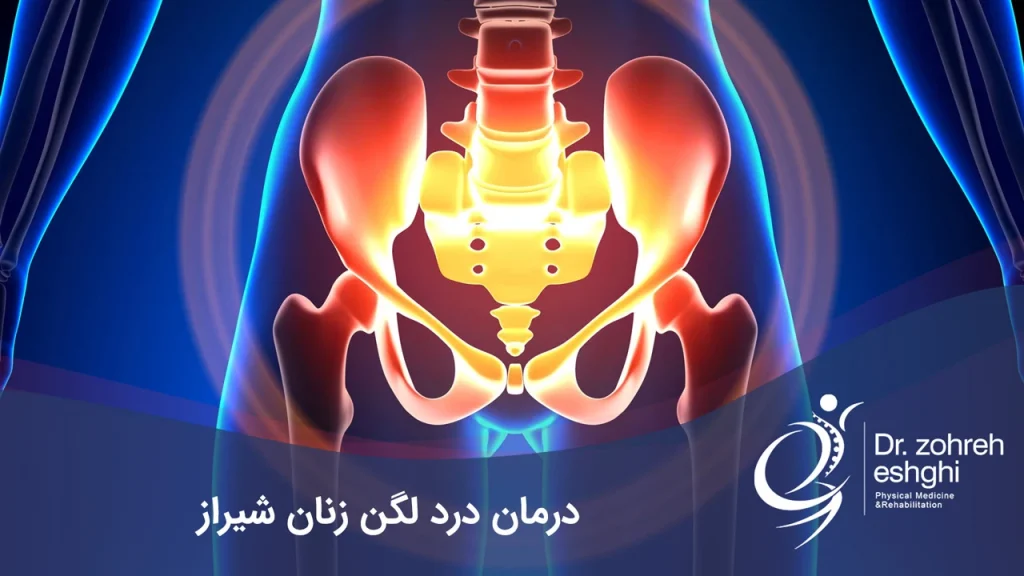
Pelvic pain or lower abdominal pain in women is very common and has many causes. First of all, you should visit an orthopedic doctor in Shiraz or a gynecologist to find out what caused the pain so that you can get treatment for women's pelvic pain in Shiraz.
The pelvic area contains some of the most important organs in the body, such as organs that help digest food and eliminate waste. Also, the organs of the female reproductive system are also in the pelvis, such as the ovaries, uterus and fallopian tubes. It is understandable, then, to worry when you have hip pain.
Especially when it interferes with your activities and affects your quality of life. While many problems can cause pelvic pain, such as appendicitis and kidney stones, some are unique to women.
What is pelvic pain in women?
Pelvic pain in women can vary in severity, duration, and cause. This pain may be acute (sudden and severe) or chronic (long-term) and can have various causes, and the treatment of women's pelvic pain in Shiraz will be different depending on the type of pain.
Pelvic pain is any pain that is related to the lower part of the abdomen, between the navel and the groin, or the pelvic area.
Acute pelvic pain can be sudden and usually lasts for a short time. It can also come and go with the menstrual cycle, sex, or other activities.
Chronic pelvic pain is when symptoms last for 6 months or more and have not improved.
Symptoms of pelvic pain in women

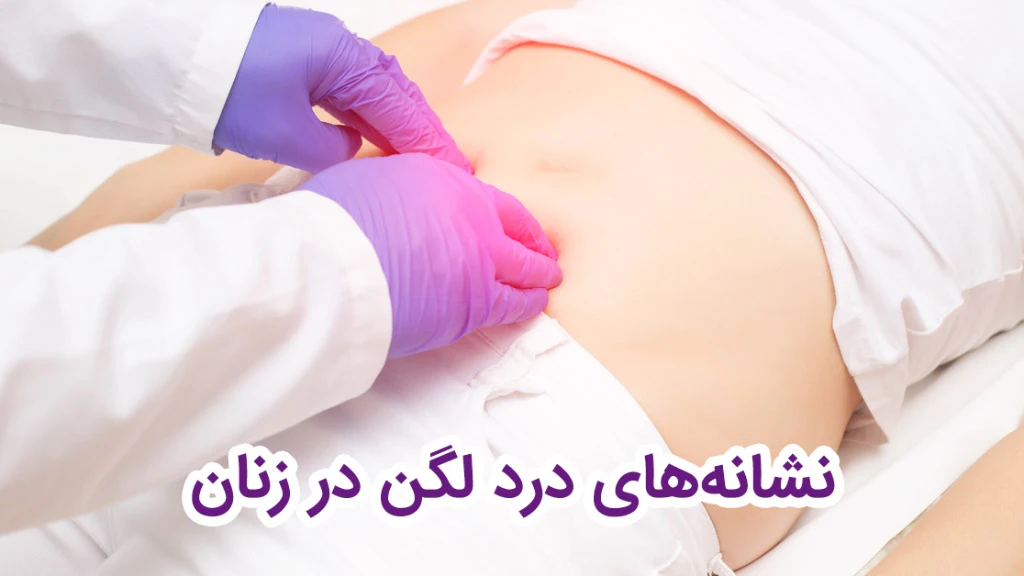
The pelvic area contains many organs, muscles, and other structures that can make it difficult to pinpoint the exact location of the pain.
Pelvic pain varies in severity and includes many different types of pain. Symptoms include:
- sudden onset of severe, localized pain
- worsening pain during menstruation, ovulation, or intercourse
- dull, shooting, or sudden pain
- pain in the lower abdomen that spreads over a wide area
- cramping or throbbing that is constant or comes and goes with the menstrual cycle
- a feeling of twisting or knotting
- bleeding Abnormal, nausea, vomiting, fever or chills
- Pain during urination or defecation
Symptoms of pelvic pain in women vary depending on the cause. If you have unusual pain or associated symptoms, it is essential to see a doctor.
Pelvic Pain Outlook
Whether or not you know what is causing your pelvic pain can be difficult and scary. The good news is that hip pain can be cured by visiting an orthopedic specialist in Shiraz. Or if it is not accessible, it can be treated by visiting a gynecologist.
Many people target this area and other connected structures with lifestyle changes and pelvic floor muscle exercises.
16 common causes of pelvic pain in women
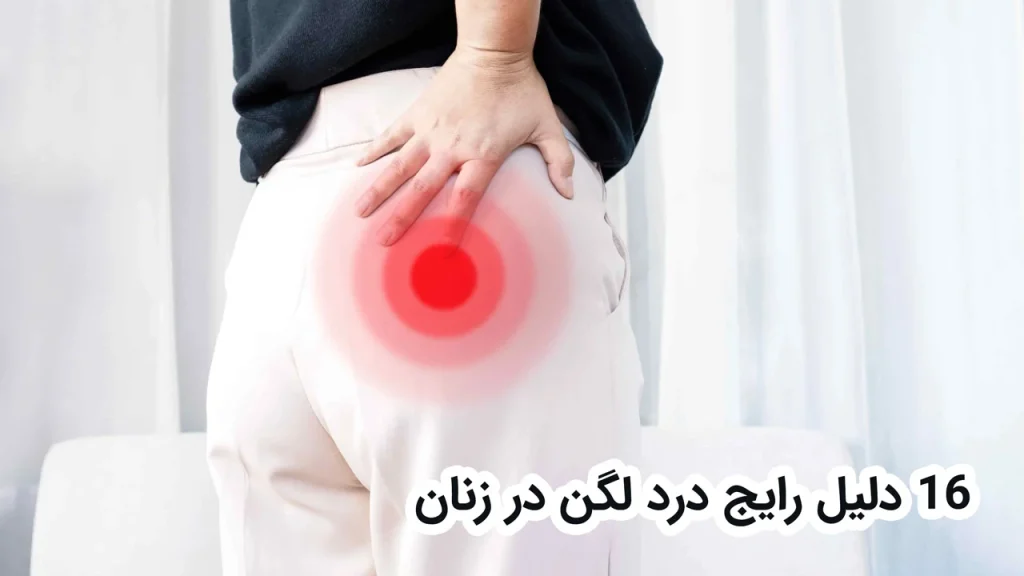
Many problems can cause pelvic pain and other distressing symptoms in women. Some of them, such as appendicitis, kidney stones, and digestive problems such as constipation, affect both men and women. Pelvic pain in women has more than one cause, but most problems are in the genital organs. Below are some of the most common causes of pelvic pain:
1- Menstrual pain (dysmenorrhea): usually occurs in the first days of menstruation and is caused by uterine contractions.
2- Endometriosis: abnormal growth of the internal tissue of the uterus outside of it, which causes chronic pelvic pain.
3- Ovarian cyst: formation A cyst in the ovaries that may cause sudden or chronic pain.
4- Painful ovulation: This problem occurs when the egg is released from the ovary and is usually only on one side of the body. This pain is likely to be sharp and disappear within a few hours.
5- Pelvic adhesion: In the pelvic cavity after infection or surgery, scar tissue is created. Pain and other symptoms may occur when scar tissue joins tissues that are normally separate.
6- Pelvic inflammatory disease (PID): Bacterial infections in the uterus and fallopian tubes that cause pelvic pain and inflammation.
7- Urinary tract infection (UTI): Causes pain and burning when urinating and a feeling of pressure in the pelvis.
8- Kidney stones or bladder stones: May cause severe pain that spreads to the sides and lower abdomen.
9- Constipation or Irritable Bowel Syndrome (IBS): May cause cramping, bloating and pelvic pain.
10- Intestinal inflammation (Crohn’s or Ulcerative Colitis): Pelvic pain may be accompanied by diarrhea or bleeding.
11- Ectopic pregnancy: severe and sudden pain that needs immediate treatment.
12- Abortion: may be accompanied by bleeding and pelvic pain.
13- Uterine fibroid: fibroid is usually painless and non-cancerous, but sometimes it causes pelvic pain, pressure or back pain.
14- In rare cases of cancer: Genital cancers can occur in the cervix, ovaries, or other structures. Cancer causes hip and back pain, painful sex and other symptoms
15- 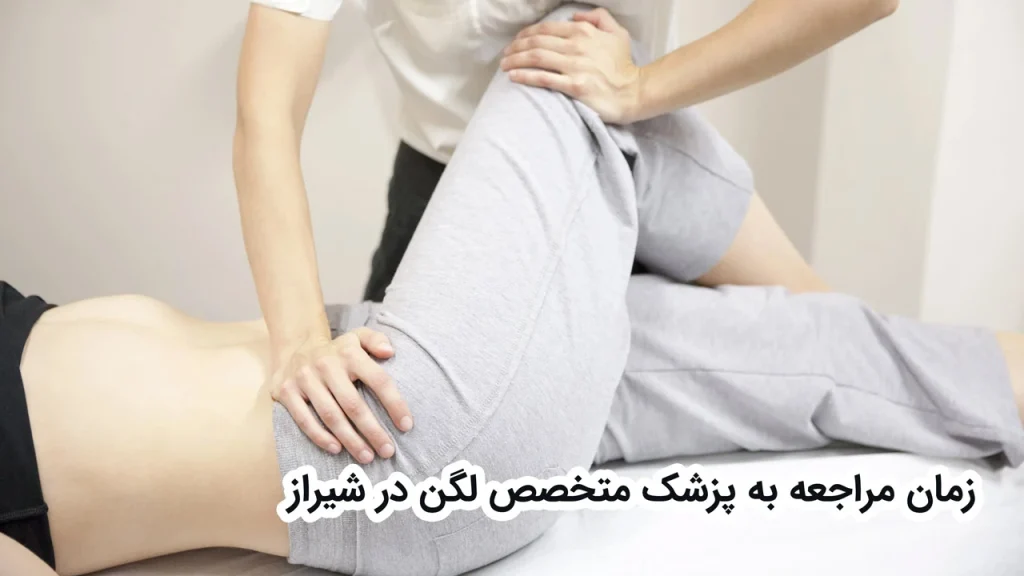
Most causes of pelvic pain in women are not serious, but some problems require immediate attention. If you have severe pain that does not go away after a few days, see a pelvic floor specialist in Shiraz. In the first stage, this specialist can be a female orthopedic specialist or in the second stage, a gynecologist and obstetrics specialist.
If you notice the following pain or symptoms, consult a doctor:
- Smelling or bloody urine
- Foul-smelling vaginal discharge
- Severe or irregular vaginal bleeding
- Difficulty urinating
- Problems with bowel movements such as constipation, diarrhea, gas, bloating, bleeding Anal
- Pelvic pain
- Symptoms of infection such as fever, chills, nausea, and vomiting
If you have severe pain, irregular bleeding, or other red flags and the pain does not respond to simple measures, see a doctor for an examination.
Diagnosing pelvic pain
Diagnosing pelvic pain can be difficult. The doctor starts by observing the symptoms, medical history and examination and asks these questions:
- When did the pain start?
- At what point is the pain?
- What is the intensity or nature of the pain? Sharp or dull? When does the pain occur? During the menstrual cycle, during urination, sex?
- How long have you had pain?
Diagnostic tests help the doctor identify the cause of pelvic pain, including:
Laboratory tests
- Blood tests to detect infection
- Pregnancy tests
- Tests to detect infection Urinary
- Vaginal or cervical culture to detect infection or signs of cancer
- Stool sample to check blood
Imaging
Other tests
- In laparoscopy from the laparoscope (thin tube with light and camera) is used, which enters the body through the abdominal wall. The laparoscope will show the pelvic structures to the doctor and the signs of infection will be detected.
- Colonoscopy, which is a long and flexible tube, which is inserted into the body through the rectum to examine the large intestine.
- Hysteroscopy uses a narrow, lighted scope that enters the body through the vagina to view the inside of the uterus.
Treatment of pelvic pain in women in Shiraz

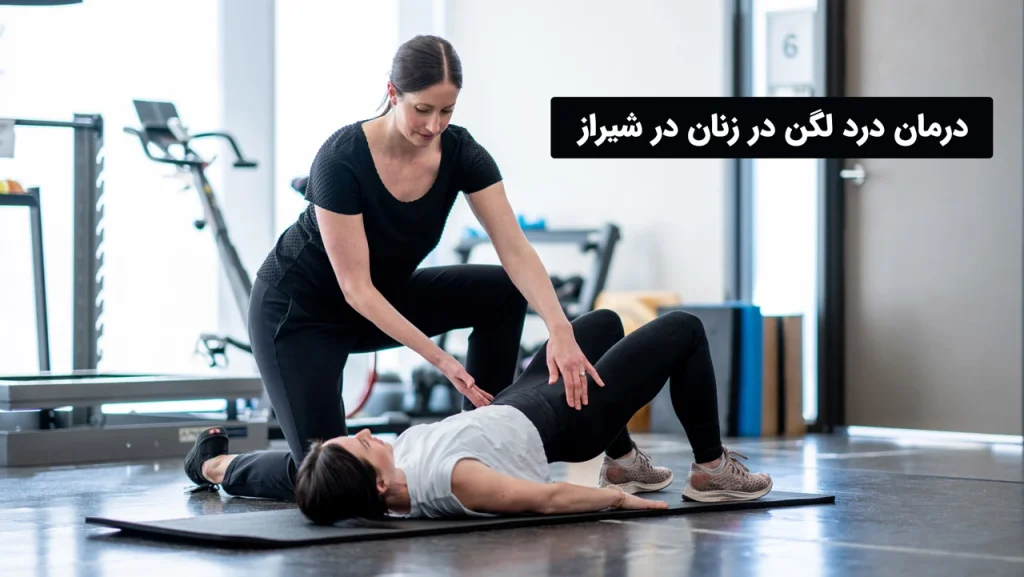
Pelvic floor treatment for women in Shiraz depends on the cause of the pain and the nature of the symptoms. The following tips will relieve pelvic pain:
Drug therapy
- Pain relievers (ibuprofen, acetaminophen) to reduce pain
- Anti-inflammatory drugs or antibiotics if there is an infection
- Hormone-regulating drugs (such as birth control pills)
Medical and specialized treatments
- Pelvic physical therapy To reduce muscle spasm
- Injection of anesthetic drugs in case of chronic pain
- Surgery in severe cases such as endometriosis, ovarian cyst or fibroid
Home treatment of pelvic pain and lifestyle changes
- Rest and stress reduction
- Using warm compresses on the abdomen
- Consumption of sufficient fluids and a healthy diet
- Light exercises such as yoga and Walking
Home treatments and methods to control pelvic pain in women using these methods will be effective only when the pain is not acute or chronic, otherwise, be sure to consult a specialist doctor in Shiraz.
Physiotherapy and exercise for pelvic pain
Regular exercise and physiotherapy help prevent and treat some pelvic pain. Some pelvic problems are caused by pelvic floor disorders.

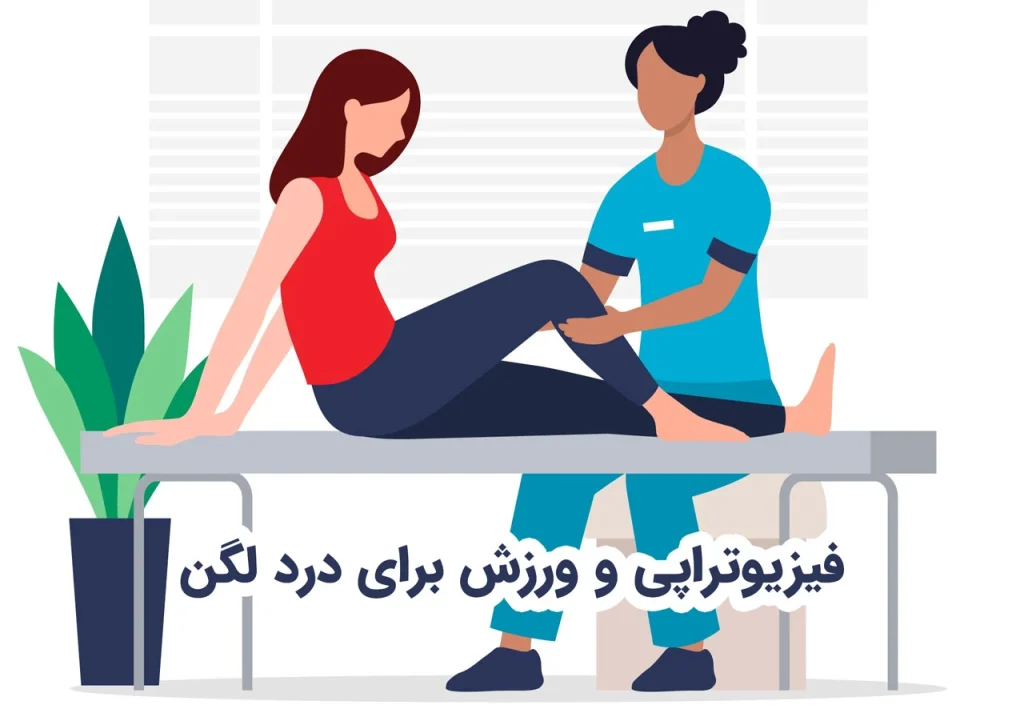
The pelvic floor is made up of layers of muscles, ligaments, and connective tissue that stretch from the pubic bone in front of the body to the tailbone.
These parts can become stiff, inflamed, and weak, or just not work as they should. they don't Pelvic floor physical therapy for pelvic pain and other symptoms is a complete treatment that includes education, technology and lifestyle strategies, movement and exercise, and manual therapy.
Depending on the symptoms, the physical therapist may recommend the following:
- Stretching exercises to loosen tight muscles and increase flexibility
- Pelvic floor exercises
- Total body exercises to strengthen the areas that support the pelvic floor
- Bladder retraining
- Stress management techniques
- Changes in eating style
- Sleep strategies
- Other treatments such as internal massage
Many women with pelvic floor pain after a few weeks 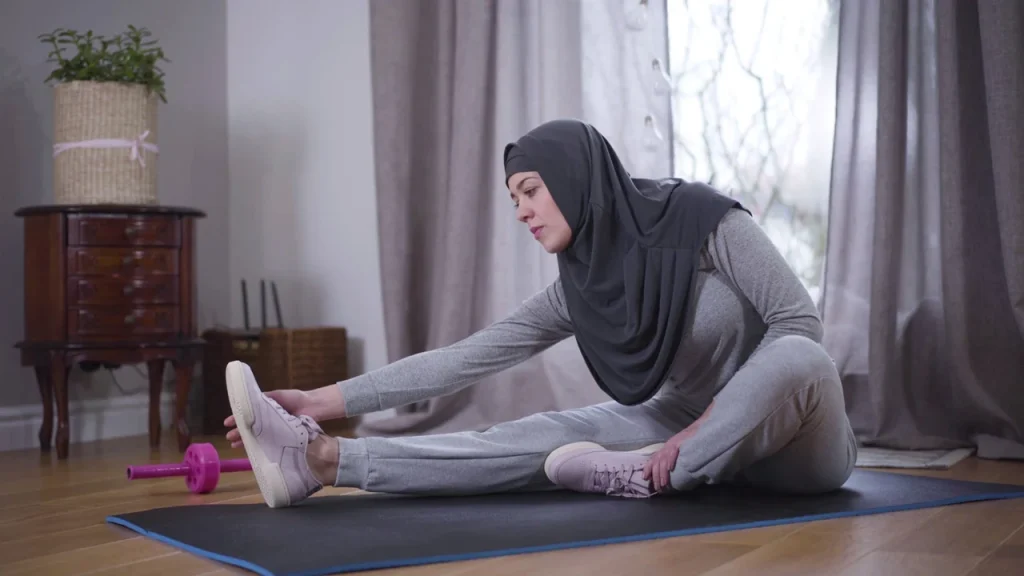
Pelvic pain has many causes and not all pains can be prevented. Some lifestyle habits reduce the likelihood of experiencing pelvic pain.
Do not forget routine examinations with a gynecologist to identify problems before pain occurs.
- Observe personal hygiene and wash the genital area properly
- Use cotton and loose clothing
- Perform regular female examinations and necessary tests
- Prevent urinary and genital infections by drinking Sufficient water, complete emptying of the bladder after sex
- maintain hormonal health and regular menstruation by exercising regularly and maintaining a balanced weight, managing stress and getting enough sleep, consuming healthy, fiber-rich and low-fat foods
- preventing digestive problems by consuming fiber-rich foods to prevent constipation, avoiding flatulent and high-fat foods, taking probiotics to improve intestinal health
Is there pain? Is pelvic pain always a sign of a serious illness?No, in many cases pelvic pain is caused by menstruation or ovulation, but it should be investigated if it is persistent or severe.
Can pelvic pain be a sign of pregnancy?Yes, in some cases, pelvic pain can be an early sign of pregnancy or complications such as an ectopic pregnancy
When should you see a doctor for pelvic pain?If the pain If it is severe, sudden, accompanied by abnormal bleeding, fever or vomiting, it is necessary to see a doctor immediately.
If you suffer from pelvic floor pain in women, we suggest you to see an orthopedic specialist in Shiraz. After performing the necessary examinations, Dr. Zohra Eshghi will provide you with various treatment solutions according to your current condition.
Solutions such as physiotherapy, medical and home treatments. Contact us to get an appointment for examination.

Was the content useful?
Give a star rating
Register a rating Average rating 0 / 5. Number of points: 0
No points registered yet, be the first one





