
What is malabsorption syndrome?
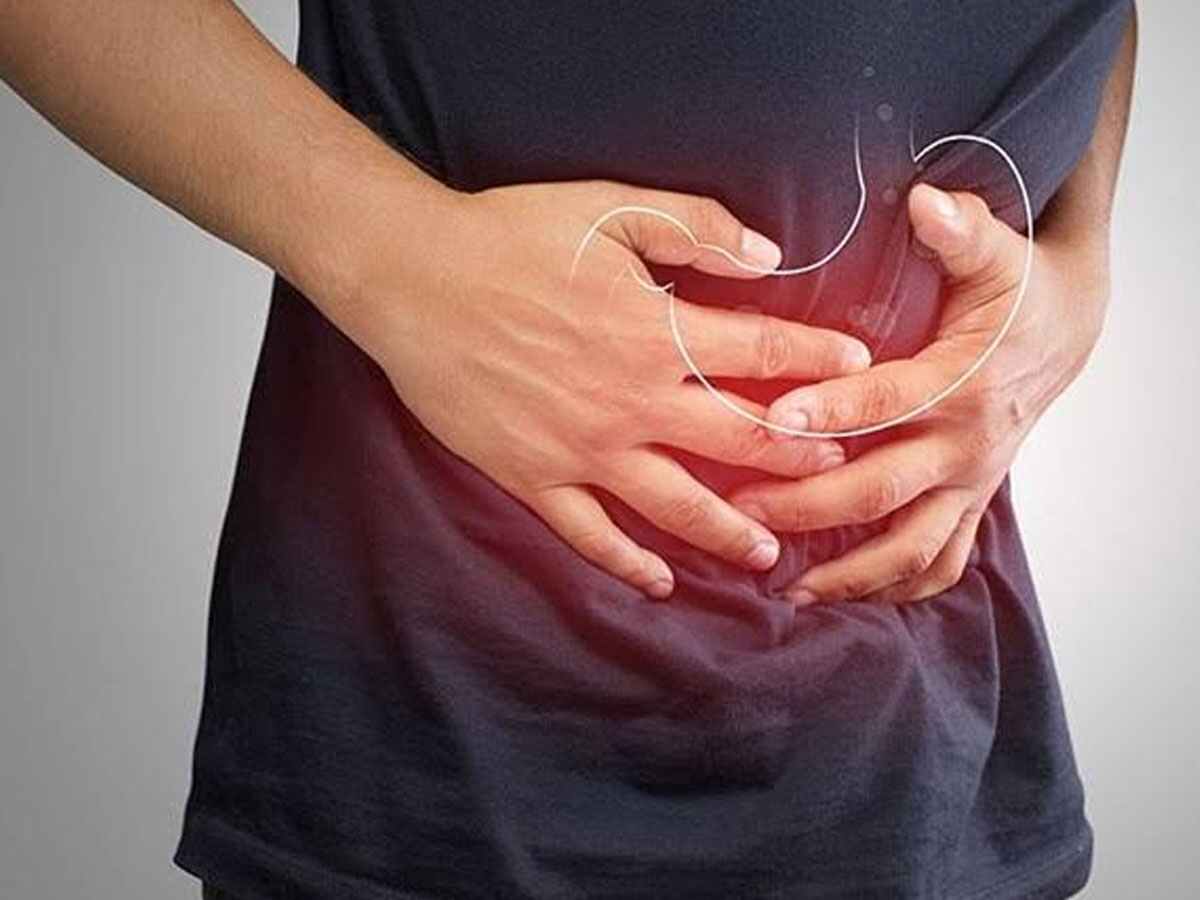
If you have a healthy diet. The vitamins and minerals in them are absorbed by the body. But if you have a disease called malabsorption syndrome. The body cannot absorb enough nutrients and vitamins in food. Digestive problems cause symptoms such as bloating and diarrhea. More importantly, malabsorption syndrome will cause more serious problems such as increased risk of infection and bone fractures.
Causes of malabsorption syndrome
Normally, most nutrients pass through the wall of the small intestine and enter the bloodstream as food is digested through the digestive tract. The remaining nutrients are absorbed by the large intestine. The blood then carries nutrients such as calcium and protein to the bones, muscles and organs of the body. In addition, excess substances are eliminated from the body through feces.
Diseases affecting the absorption of nutrients in the body
Infection caused by bacteria, viruses, and parasites damages the intestinal wall, and because of this, nutrients will lose the ability to pass through it and find their way to the blood, in this case, nutrients are excreted from the body through feces.
Some other reasons for malabsorption:
Cystic fibrosis and other diseases that affect the pancreas.
Lactose intolerance and other related enzyme problems
Intestinal disorders such as celiac disease in which the gluten protein found in wheat, barley and rye stimulates the body's immune system and causes this system to attack the body.
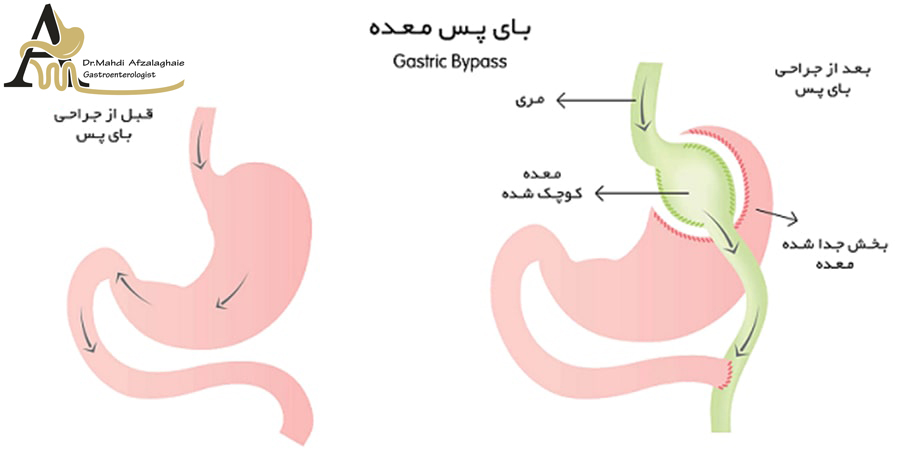
Understanding some of the causes of malabsorption syndrome will be easier when we know how these factors affect the human digestive system. For example, surgery to remove part of the intestine will result in a smaller area of the intestine being able to absorb nutrients. Celiac disease sometimes leads to the creation of ulcers in the digestive system, and this problem makes it difficult to absorb nutrients into the blood.
Suggestion of study: congenital defects of the digestive system

Symptoms of malabsorption syndrome
- The most important symptom of chronic diarrhea
- Feeling of discomfort in the stomach such as gas and bloating
- Loose and foul-smelling stools
- lightening of stool color or bulkiness
- Feces that cannot be easily siphoned to the sewage well due to being sticky or floating.
- Weight loss
- Eczema or scaly skin rashes
If malabsorption is not treated
- increasing the risk of infections
- The density of bones decreases, which increases the incidence of fractures
- Children's growth and weight gain is slower A group of nutrients such as vitamin A and zinc are very vital for the health of the body's immune system and growth. If the body does not absorb enough of these substances and other important vitamins and minerals, human health is at risk.
Ways to diagnose malabsorption syndrome
- Stool test: If there is a lot of fat in the stool, there is a possibility of malabsorption disease.
- Hydrogen-lactose breath test: In order to measure the absorption of nutrients, after a person eats a solution containing milk sugar or lactose, the amount of hydrogen present in the person's breath is measured.
- Sweat test: Examining a sweat sample and measuring its chlorine level will help diagnose cystic fibrosis. One of the complications of this disease is the lack of enzymes for proper digestion of food
- Sampling of the small intestine: A small tissue sample is removed from the small intestine and examined in the laboratory for signs of infection or other problems.
- Endoscopy: In this diagnostic method, the inside of the intestine is carefully examined using a narrow, long and flexible tube with a small camera at the end.
Treatment of malabsorption syndrome
The treatment of malabsorption syndrome depends on its cause. Sometimes it is possible to design a special diet for the patient that is easier and faster to digest and absorb. Sometimes nutritional supplements are prescribed to compensate for the lack of nutrients that are poorly absorbed. Sometimes the cause of malabsorption syndrome is the excessive activity of the digestive tube. In this situation, special drugs will be prescribed for the person so that the digestive system becomes calmer and the nutrients have more time to enter the blood stream. If the cause of this disease is an infection, antibiotics will be prescribed for the person.
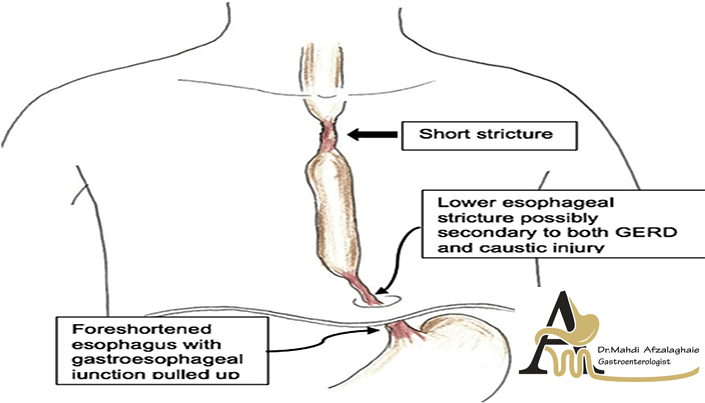
Study proposal: benign esophageal stricture