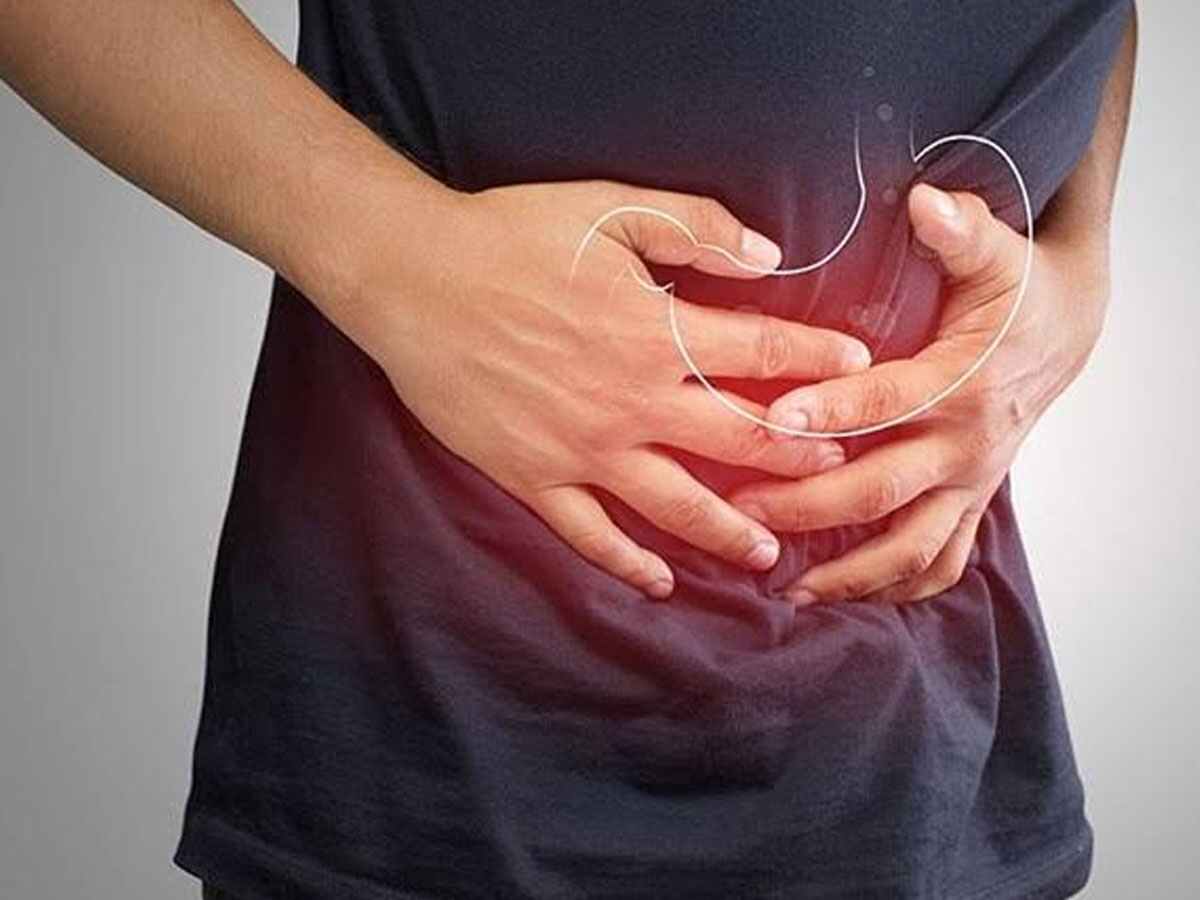

In general, cancer starts when cells in the body grow out of control. Cells in almost any part of the body can become cancerous and then spread to other parts of the body. In this article, we will examine stomach cancer, how it starts and spreads, and the factors that increase the probability of stomach cancer.
Stomach
Stomach cancer begins when stomach cells begin to grow uncontrollably. To better understand stomach cancer, it is better to first talk about the structure and normal function of the stomach.
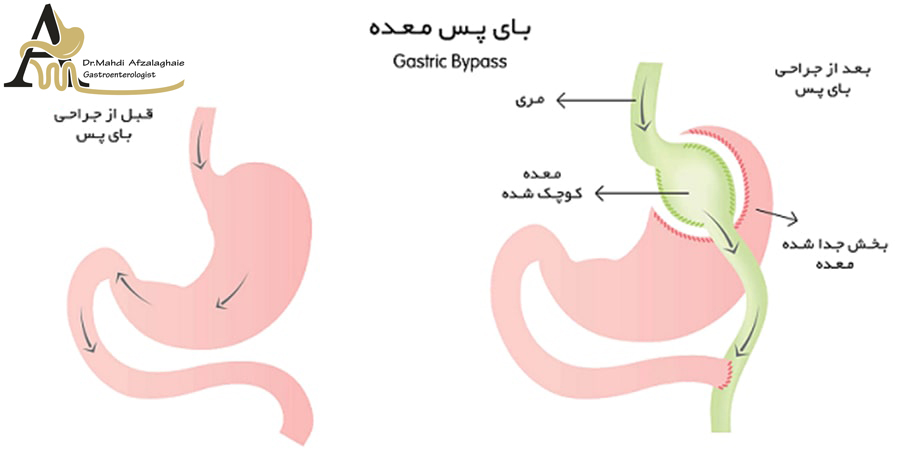
- The stomach is a bag-like organ that is an important part of the digestive system.
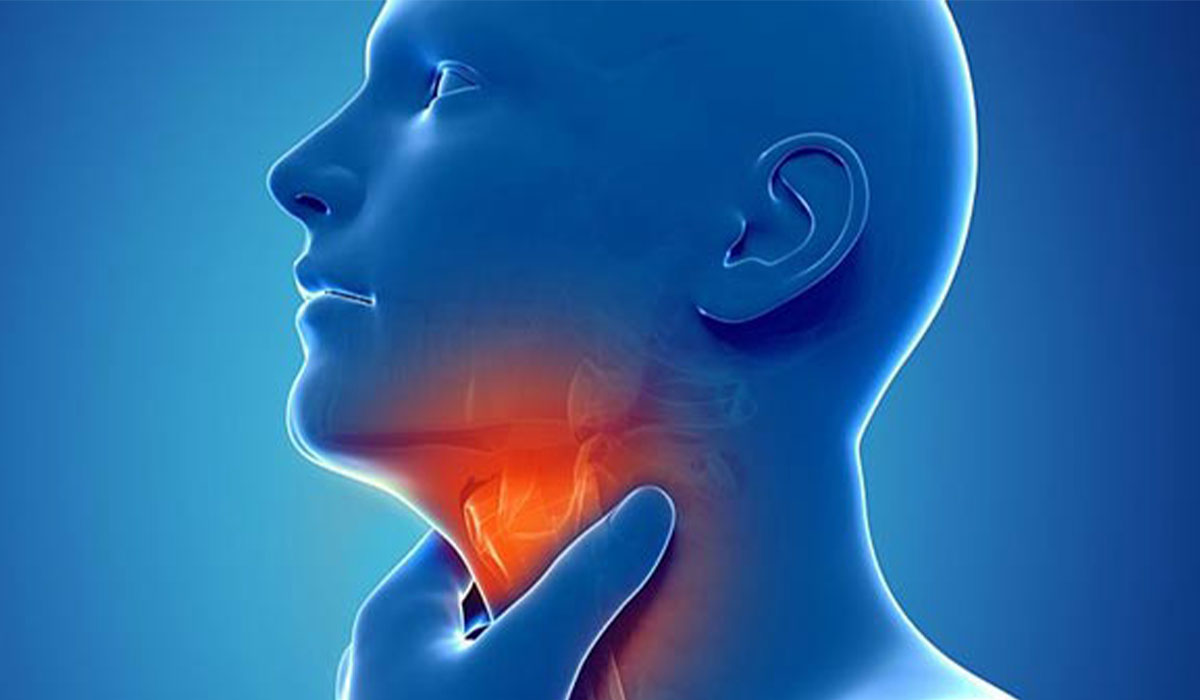
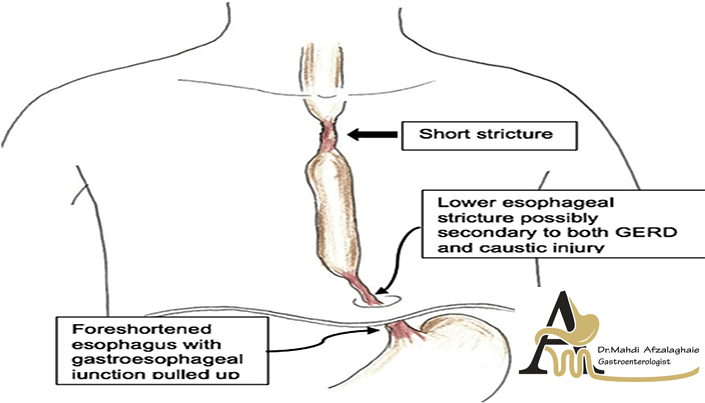
- After chewing and swallowing, food enters the esophagus. Esophagus is a tube that carries food through the throat and chest to the stomach.
- Then the stomach starts digesting food by releasing gastric juice.
- Food and gastric juices are mixed and then emptied into the first part of the small intestine called the duodenum.
>>
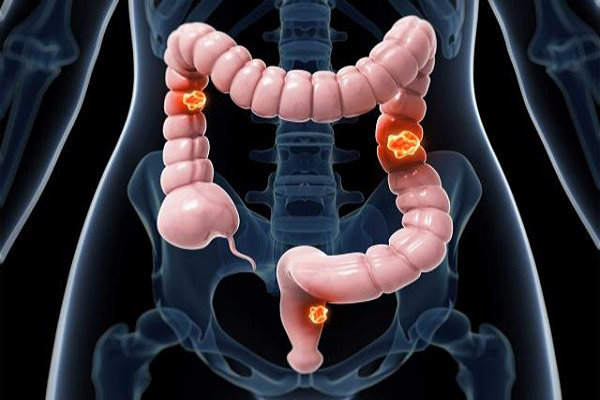
Stomach cancer is different from other cancers that can occur in the abdomen, such as cancer of the colon or rectum (large intestine), liver, pancreas, or small intestine. These cancers can have different symptoms, different perspectives and different treatments.
Different parts of the stomach
The stomach has 5 parts as follows.
The first three parts form the proximal stomach:
- Cardia: the first part that is closest to the esophagus.
- Fundus: the upper part of the stomach next to the cardia
- Body: the main part of the stomach, between the upper and lower parts
برخی از سلولهای این قسمتهای معده اسید و پپسین (آنزیم گوارشی) میسازند که با هم ترکیب میشوند و شیره معده را میسازند که به هضم غذا کمک میکند. They also make a protein called intrinsic factor, which the body needs to absorb vitamin B12.
The lower two parts form the distal stomach:
- Antrum: the lower part (near the small intestine), where food mixes with gastric juice.
- Pylorus: the last part of the stomach that acts as a valve to control the emptying of stomach contents into the small intestine.
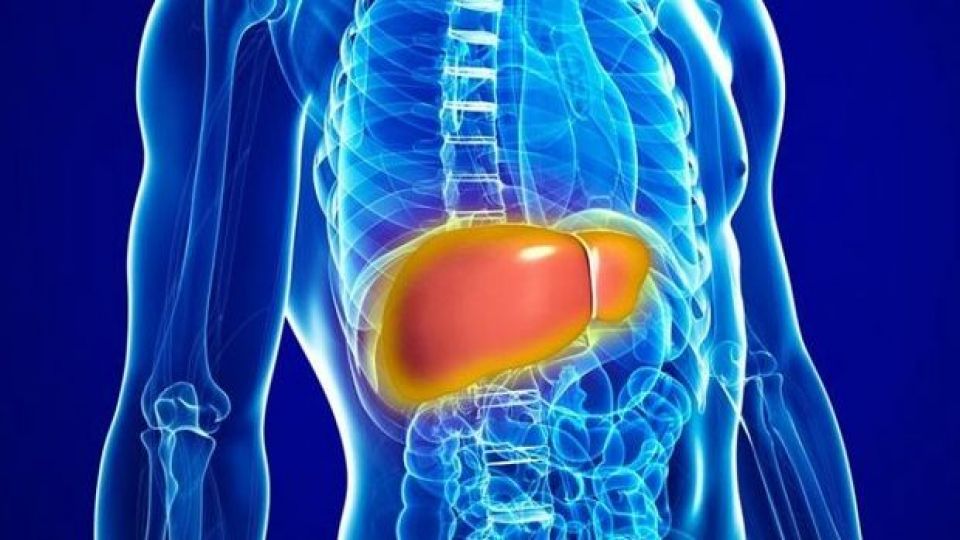
Other organs near the stomach include the small intestine, colon, liver, spleen and pancreas.
To book an appointment with the best gastric balloon doctor click here
Different parts of the stomach wall
The stomach wall has 5 layers, which are: mucosa, submucosa, muscularis propria, subserosa and serosa.
1) It is the innermost layer of mucus. Here stomach acid and digestive enzymes are made. Most stomach cancers start from this layer.
2) After the mucosa, there is a support layer called submucosa.
3) Outside the submucosa, there is a thick layer of muscle that helps move and mix the contents of the stomach.
4 and 5) The outer layer is the sub-serosa and the outermost layer of the serosa that covers the stomach.
>
لایه ها در تعیین مرحله سرطان مهم هستند که می تواند گزینه های درمانی فرد را تحت تاثیر قرار دهند. As the cancer grows from the mucosa to deeper layers, the stage becomes more advanced and more extensive treatment may be needed.
symptoms of stomach cancer
The initial symptoms of stomach cancer are vague and easily confused with other diseases that are less important. These symptoms are:
- constant indigestion and heartburn
- trapped wind and frequent belching
- Feeling very full or bloated after eating
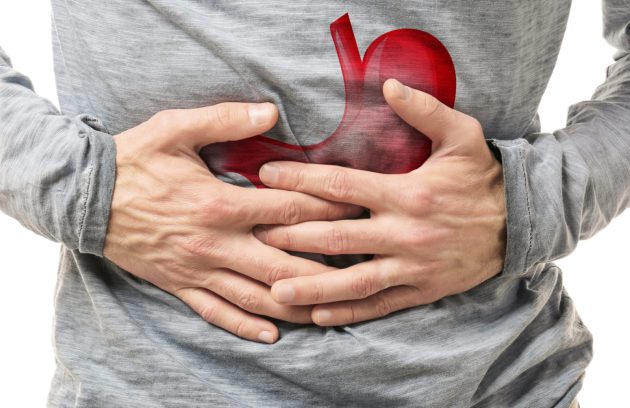
- Persistent stomach pain
But when stomach cancer is advanced, the following symptoms are observed in a person:
- The presence of blood in stool or black stool
- Loss of appetite
- Weight loss
Given that the early symptoms of stomach cancer are similar to those of many other diseases, stomach cancer is often diagnosed when it is advanced. Therefore, any possible symptoms of stomach cancer should be investigated by a specialist doctor as soon as possible.
Progress of gastric cancer
Stomach cancer develops slowly over many years. Before actual cancer develops, precancerous changes often appear in the lining of the stomach. Of course, these early changes rarely cause specific symptoms, so they are not easily identified.
Cancers that start in different areas of the stomach can have different symptoms and have different outcomes. The location of the cancer can also affect treatment options.
Types of stomach cancer
There are different types of stomach cancer. More than 95% of stomach cancers occur in the cells of the stomach lining and are known as adenocarcinoma.
Less common examples of stomach cancer include gastric lymphoma, which develops in the lymphatic tissue - tissue that drains fluid and helps fight infection - and gastrointestinal stromal tumors, which are in the muscle or connective tissue of the stomach wall.
Methods of diagnosing stomach cancer
If your doctor thinks you may have stomach cancer, he will refer you to a specialist for testing. Tests may include blood tests and a chest X-ray that assesses the person's overall health. A sample of a person's stool may also be tested for blood.
- endoscopy and ultrasound
Endoscopy is a procedure in which the inside of a person's body is examined using a piece called an endoscope (a long, thin, flexible tube with a light and a video camera at the end).
The endoscope is passed through the intestine and into the stomach so the specialist can look for any stomach ulcers or signs of cancer. If tissue is found that may be cancerous, a sample is taken for testing. This procedure is known as a biopsy. The sample is examined in the laboratory under a microscope. The results show whether the cells are cancerous (malignant) or non-cancerous (benign).
>
If the specialist thinks that a person may have cancer in the upper part of their stomach, they may perform an ultrasound at the same time as an endoscopy, which is known as an endoscopic ultrasound and uses high-frequency sound waves to produce an image of the stomach.
- More tests
If a person is diagnosed with stomach cancer, more tests may be needed to determine how far it has spread and how quickly it is likely to spread. The cancer specialist (oncologist) will talk to the person about this. However, it may not always be possible to identify the exact stage of your disease until treatment begins.
- Laparoscopy
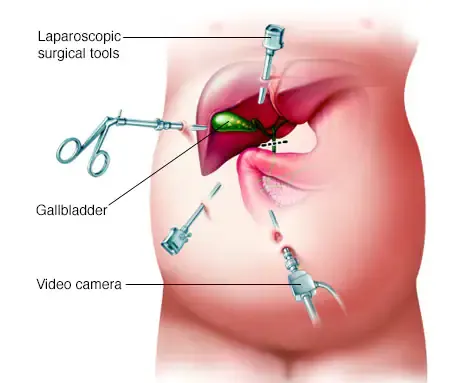
If a person's stomach needs to be examined in more detail to determine whether the cancer has spread, a laparoscopy is performed. This procedure is performed under general anesthesia, and during the procedure, a thin viewing tube with a camera at the end (laparoscope) is inserted into the stomach through a small incision in the lower abdomen.
>>
- CT scan
During a CT scan, a series of X-ray images are taken of a person's body. Then a computer is used to put the images together and create an accurate picture of the inside of the body.
These scans help the doctor assess how far the cancer has progressed and see if cancer cells have spread elsewhere in the body. The scans can also help doctors understand which type of treatment is most effective and appropriate for a person.
- اسکن سونوگرافی کبد
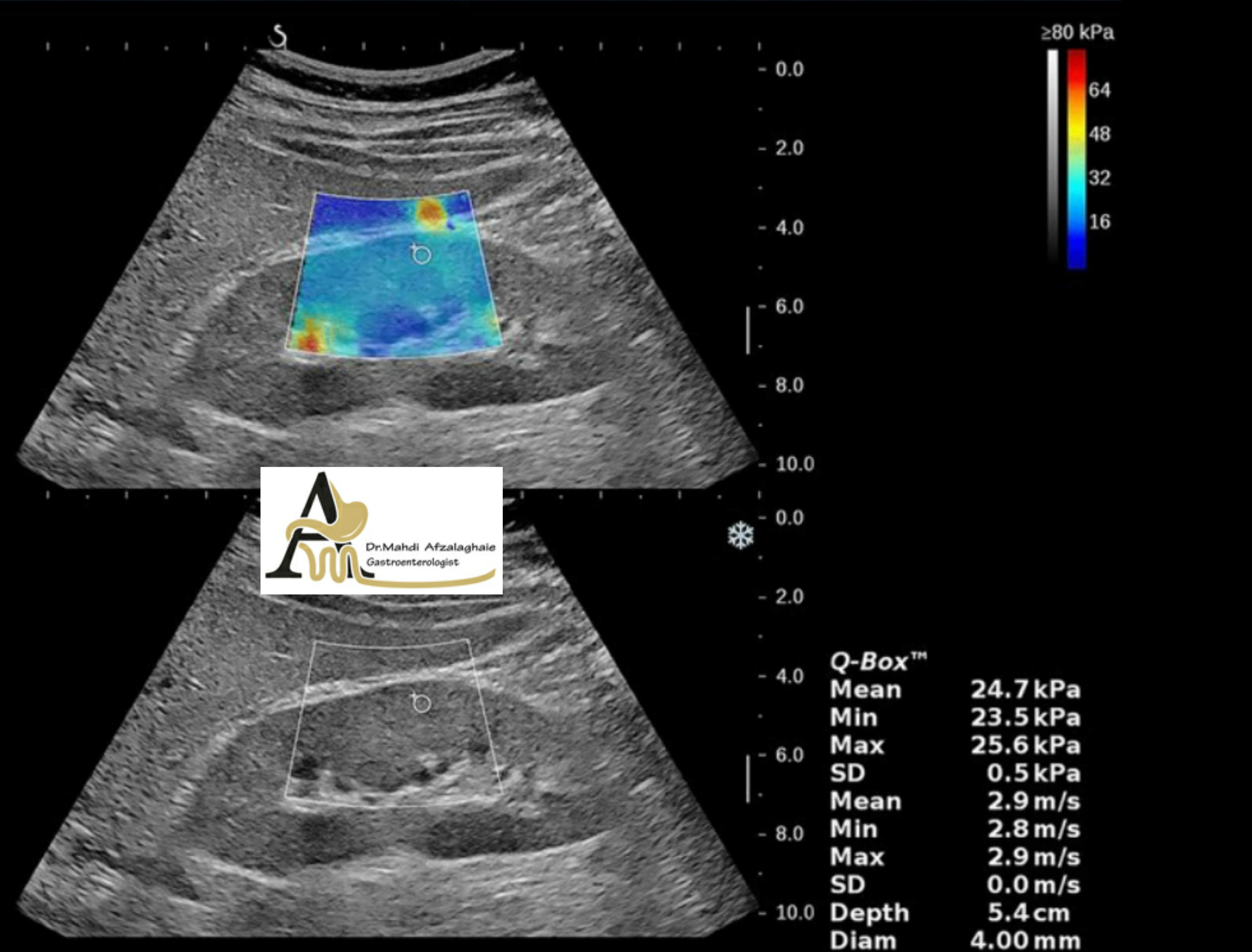
If the specialist thinks that the stomach cancer may have spread to the liver, he may consider it necessary to perform an ultrasound of the liver. This type of scan uses high-frequency sound waves to produce an image of the liver.
Gastric cancer staging
After all the tests are completed and the results of the tests are known, it should be possible to say what stage the stomach cancer is. Staging means measuring the extent of cancer spread.
There are different ways to stage stomach cancer. One method is to use a numbering system from 1 to 4. The higher this number, the more the cancer has spread.
Most stomach cancers are in stage 3 or 4 when diagnosed, which means they are usually not curable. The grading indicates how fast the cancer is likely to spread in the future.
There are 3 grades of stomach cancer:
- Low grade – Cancer tends to grow slowly.
- Moderate - the cancer grows a little faster.
- High grade – The cancer is aggressive and likely to grow quickly.
how to treat stomach cancer
- Many cases of stomach cancer cannot be completely cured, using chemotherapy and in some cases radiotherapy and surgery can reduce their symptoms and improve a person's quality of life.
- If all the cancerous tissue is removed during surgery, surgery can cure stomach cancer. After surgery, a person can eat normally, although he should probably adjust the size of his meals.
- Chemotherapy before surgery can help shrink the tumor. Sometimes chemotherapy is done after surgery to help prevent cancer from returning.
Factors that increase the risk of stomach cancer
The existence of a risk factor or even several risk factors does not mean that you will get stomach cancer. Many people never develop cancer despite having one or more risk factors, while others who do develop cancer may have few or no risk factors.
Scientists have found several factors that increase the risk of stomach cancer, which can be mentioned below.
- Gender
Stomach cancer is more common in men than women.
- age
Stomach cancer can occur in younger people, but the risk increases with age. Most people who get stomach cancer are in their 60s, 70s or 80s.
- Geography
In the world, stomach cancer is more common in East Asia, Eastern Europe and South and Central America. This disease is less common in Africa and North America.
- Helicobacter pylori infection
Helicobacter pylori infection seems to be one of the main causes of stomach cancer, especially cancer in the lower part of the stomach. Long-term stomach infection with this microbe may lead to atrophic gastritis and other precancerous changes in the inner lining of the stomach.
>>
In people with stomach cancer, compared to people without this cancer, the rate of Helicobacter pylori infection is higher. Helicobacter pylori infection is also associated with some types of gastric lymphoma. However, most people who carry this microbe in their stomach never develop cancer.
- extra weight
Being overweight or obese is associated with an increased risk of developing cancers of the cardia (the upper part of the stomach near the esophagus).
- Diet
The risk of stomach cancer increases in people whose diet includes large amounts of salty foods such as salted fish and meat and pickles. Consuming processed, grilled or charred meat regularly increases the risk of developing non-cardiac stomach cancer.
Eating little or no fruit is likely to increase the risk of stomach cancer. On the other hand, eating lots of fresh fruits (especially citrus fruits) and raw vegetables seems to reduce the risk of stomach cancer.
- alcohol consumption
Alcohol consumption may increase the risk of stomach cancer.
- tobacco consumption
Smoking increases the risk of stomach cancer, especially for cancers of the upper part of the stomach near the esophagus. The rate of stomach cancer is doubled in people who smoke.
- Gastric surgery
Stomach cancer is more likely to occur in people who have had part of their stomach removed to treat non-cancerous diseases such as ulcers. Maybe because the stomach produces less acid and more harmful bacteria appear in it. Bile reflux from the small intestine to the stomach after surgery may also increase the risk of stomach cancer. These cancers usually develop years after surgery.
- Some types of stomach polyps
Polyps are non-cancerous growths on the lining of the stomach. Most types of polyps (such as hyperplastic polyps or inflammatory polyps) do not seem to increase a person's risk of stomach cancer, but adenomatous polyps, also called adenomas, can sometimes turn into cancer.
>
- Dangerous anemia
Certain cells in the lining of the stomach normally make a substance called intrinsic factor, which the body needs to absorb vitamin B12 from food. People whose bodies do not produce enough intrinsic factor may have vitamin B12 deficiency, which affects the body's ability to make new red blood cells and can cause other problems.
This disease, called pernicious anemia, can be caused by some autoimmune conditions as well as some types of gastric surgery. In people with this disease, they increase the risk of stomach cancer.
- genetic cancer syndromes
Some people inherit gene mutations from their parents that lead to conditions that can increase their risk of developing stomach cancer. These genetic syndromes account for only a small percentage of stomach cancers worldwide.
- familial adenomatous polyposis
In people with familial adenomatous polyposis, many polyps are seen in the colon and sometimes in their stomach and intestines from a young age. People with this syndrome are at a very high risk of developing colon cancer and with a low probability of developing stomach cancer.
- Family history of stomach cancer
People whose first-degree relatives (parents, siblings or children) have had stomach cancer are more susceptible to this disease. However, most people who get stomach cancer do not have a family history of it.
- having blood type A
For unknown reasons, people with blood type A have a higher risk of stomach cancer.
*Gastroenterologist in Mashhad*