cause of chest pain; From heart diseases to lung and digestive problems
What is the cause of chest pain? Introduction of prevention and treatment methods
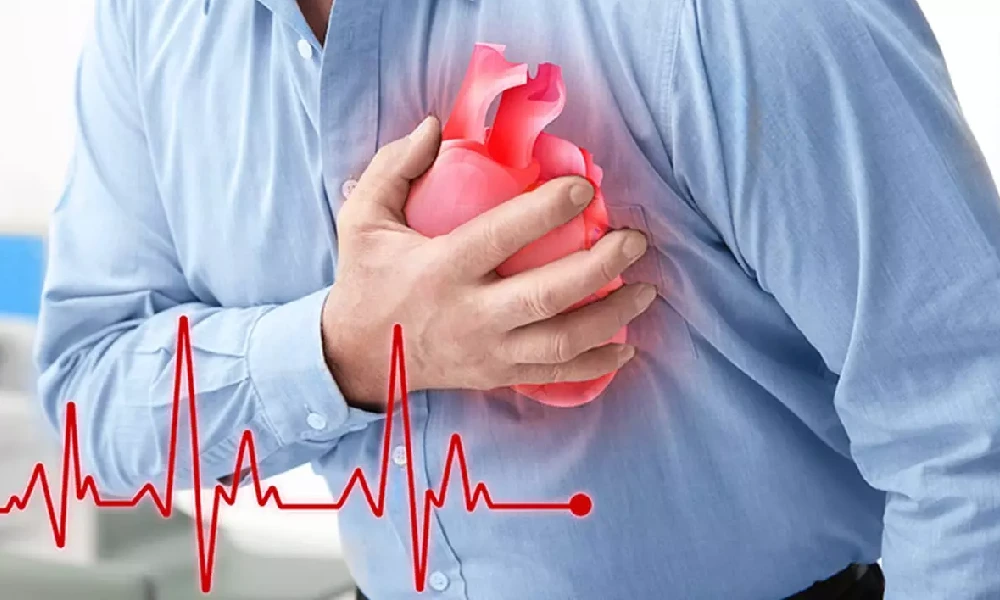
The onset and duration of any disease in the body is associated with the development of symptoms and complications. For example, chest pain is one of the most frequent side effects. Since the cause of this complication has a direct impact on the choice of treatment method, investigating and finding the cause of chest pain is considered an important issue.
Easy accessShare content
Instagram Facebook X-twitter TelegramTypes of chest pain
The cause of chest pain depends on various factors. Investigating and knowing these reasons makes it possible to classify the types of chest pain. In other words, the cause of chest pain puts this complication in different categories and justifies its types.Review of 5 causes of chest pain
The cause of chest pain can indicate the beginning of a disease or its acuteness. In this section, we will examine these causes together with you.
1- Heart diseases
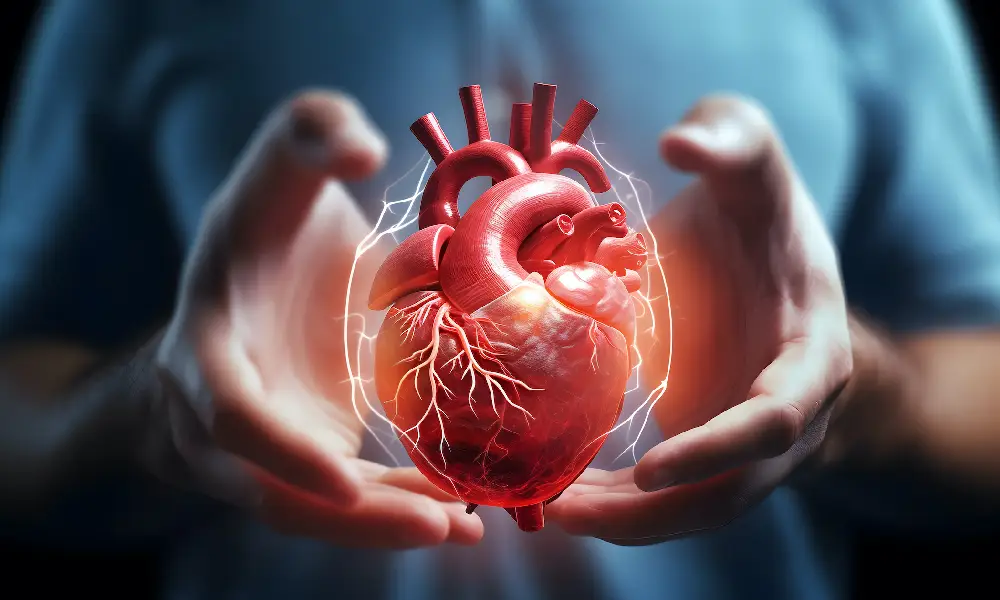
In examining the cause of chest pain, heart diseases are among the most common causes. These diseases disrupt the function of the heart and cause chest pain by causing pressure and inflammation on the organs and nerves.
Coronary artery diseases
If the coronary vessels that supply blood to the heart become narrow due to the accumulation of fat and cholesterol, the movement of blood to the heart slows down, and as a result, the heart muscles suffer from a lack of oxygen and pain is felt. This pain is accompanied by nausea and vomiting, dizziness and shortness of breath.
Heart attack, the most common cause of chest pain
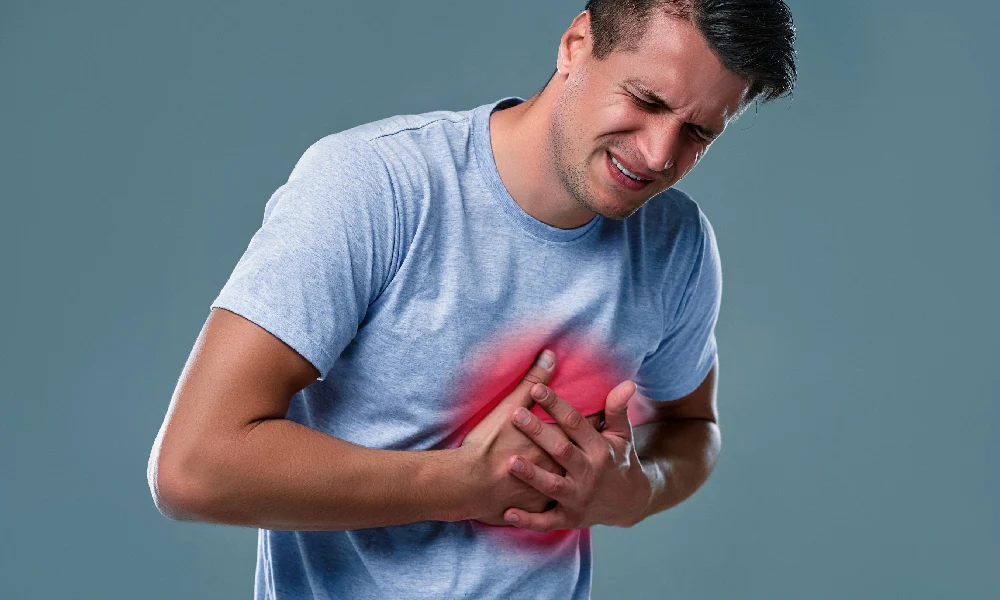
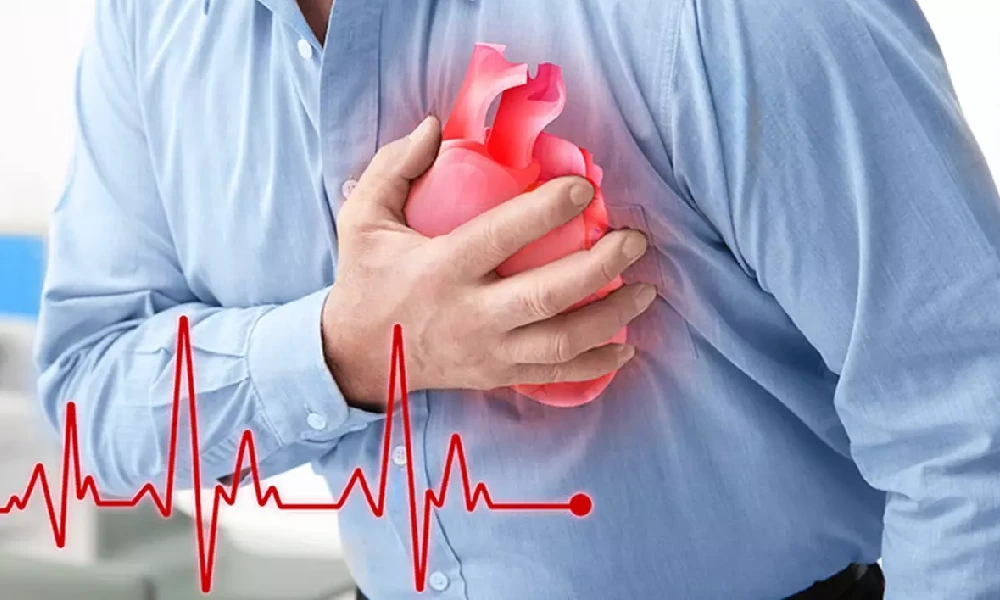
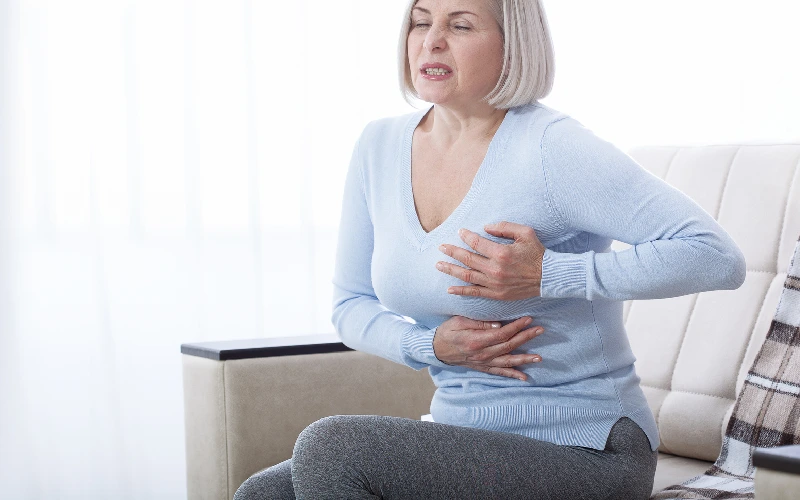
If the movement of blood to the heart muscles is completely stopped (due to blockage of the vessels due to diabetes, high blood pressure, etc.), the person will have a heart attack. Pain in the chest, especially in the left side, and sometimes pain in the arms and neck, cold sweat, irregular heartbeat, dizziness or lightheadedness, weakness and fatigue are symptoms of a heart attack.
Valvular diseases of the heart
When the heart valves have problems in their function and in other words do not open and close properly in time, the blood supply to the organs is disrupted and the heart is forced to work harder to pump blood to compensate for this reduction, which causes pain in the chest. Dizziness, foot and ankle swelling, dry cough and irregular heartbeat are additional symptoms of valvular diseases.
- Aortic valve stenosis: Aortic valve stenosis is one of the heart valve diseases that reduces blood pumping to the organs and creates pressure on the heart muscle to improve this condition and lack of oxygen and finally feel pain in the chest.
It is noteworthy and emphasized that since the most common cause of chest pain is heart problems, early diagnosis of the cause of this pain is of great importance and will prevent the occurrence of serious problems and possible risks. A heart consultation session to know the exact cause of this complication is your safest choice in this situation.
Heart muscle diseases
Diseases related to the weakening or thickening of the heart muscles are classified as muscle diseases. Causing inflammation or damage to the heart muscles, increased heart pressure due to excessive activity to compensate for this decrease in flow, and lack of oxygen are among the causes of chest pain due to these diseases.
- Cardiomyopathy: This disease is known in different types, including enlargement and weakening of the ventricles, thickening of the walls of the ventricles, and non-expansion of the ventricles. In all these types of stretching of heart muscles, decreased blood flow and increased intensity of heart activity are the cause of chest pain along with dizziness, shortness of breath and irregular heartbeat.
Diseases of pericardial membrane
Inflammation of the membrane that surrounds the heart and protects the heart is also considered as one of the causes of chest pain.
- Pericarditis: Abrasion of the membrane surrounding the heart and limitation of heart movement due to inflammation, causes pressure and pain. This disease occurs for various reasons, including heart attacks, autoimmune diseases, and radiation therapy.
2- Vascular injuries
If the blood vessels, especially the blood vessels of the heart, are damaged, they cause a feeling of pain in the chest along with pressure, heaviness, or burning. Excessive sweating, shortness of breath, heart palpitations and cough are other symptoms. Vascular injuries such as:
Dilation and rupture of the aorta
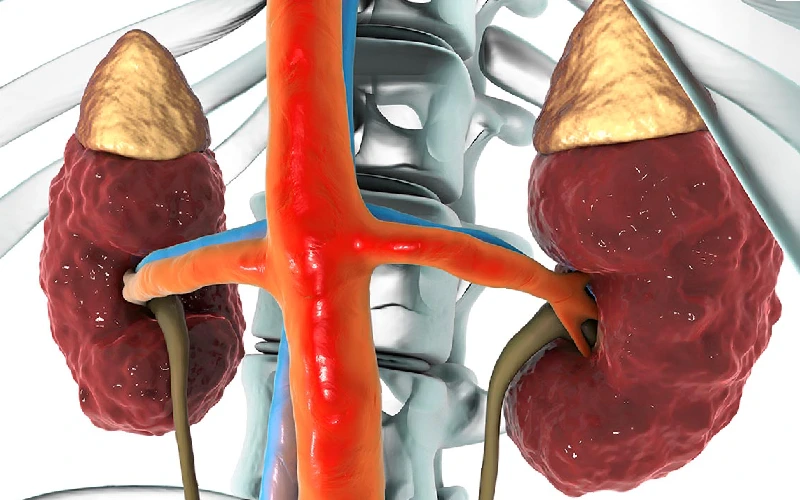
If the wall of the aorta, as the largest artery in the body, weakens, this vessel will swell and eventually the wall will rupture. Internal bleeding and pressure on the nerves of the ruptured wall and internal organs cause pain in the chest.
Clinic Dr. Seyed Alireza Najafi (specialist in cardiovascular diseases with more than 30 years of brilliant experience in counseling and treating heart diseases) is ready to provide any service to you dear ones in this field.
3- chest pains
damage to the ribs
One of the most common causes of chest pain is damage to the ribs. This damage can be done to the ribs for various reasons. Including:
- Rib fractures: Sometimes rib fractures occur due to severe blows, such as accidents, direct blows to the chest, etc., which are accompanied by a feeling of severe pain and its intensification during movement, coughing and breathing, bruising and difficulty in deep breathing. Rib fracture is one of several causes of chest pain.
- Ribs tumors: The existence of tumors in the ribs is less common but very important. Depending on the type and size, these tumors cause increasing pain in the chest, feeling a soft or hard mass in the ribs, fever and fatigue, weight loss without cause, and breathing problems. Rib inflammation: Sometimes physical damage to the ribs due to chest surgery or direct impact, infections, autoimmune diseases, aging, intense sports activities and underlying diseases causes the ribs to become inflamed, which causes chest pain. The pain caused by these inflammations in the cartilages that connect the ribs and sternum is very intense and significant.
Damage of intercostal muscles
The muscles between the ribs facilitate breathing through contraction and expansion. Any damage to these muscles is associated with chest pain and difficulty in breathing.
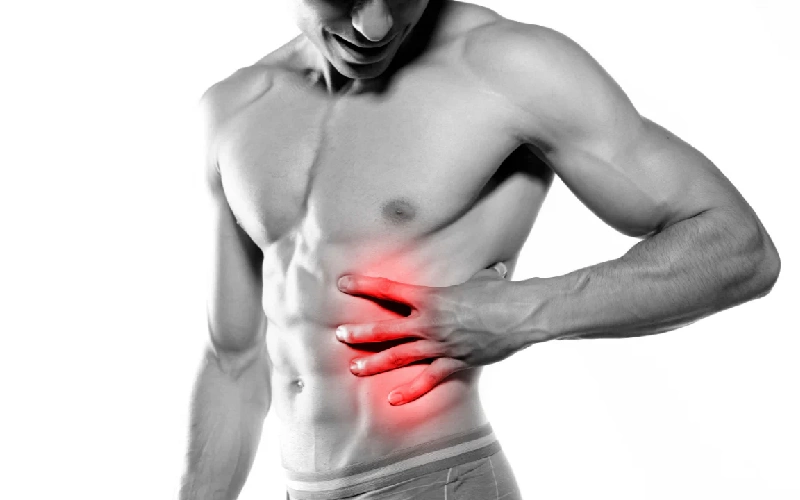
- Muscle spasm and inflammation: When the muscles between the ribs contract involuntarily and suddenly, a person experiences spasm. Vigorous movements, muscle stiffness, stress and anxiety, and lack of calcium and magnesium are among the causes of spasms, which are associated with symptoms such as sudden and severe pain in the chest and difficulty in breathing.
Impact of diseases on chest nerves
Between each of the ribs, there is a sensory nerve that transmits any sensation to the skin and muscles of the chest. If for any reason these nerves transmit pain, this pain is felt in the chest.
- Shingles: Shingles is a viral disease that causes severe pain along a sensory nerve. In many cases, this nerve is located in the chest, which is a path for the shingles virus to move to the skin, and is considered one of the important causes of chest pain. Shingles pain in the chest is felt in all kinds of intense burning, sharp pains like stabbing a knife and continuous shootings.
4- Lung diseases
Some lung diseases that are accompanied by fever, dry cough or phlegm, extreme fatigue and shortness of breath are the cause of chest pain. Including:
Tumors
Neural tumors cause pressure on lung tissue or nerves, cause inflammation in the areas around the tumor and cause chest pain. Like:
- Types of cancers: Creation and growth of malignant (cancerous) tumors in the lung are also considered as another cause of chest pain due to the pressure on the nerves and lung tissues.
Pulmonary infections
Infections cause inflammation in the lungs, which are accompanied by pain, fever, and cough.
- Pneumonia: This disease is considered a type of infection that inflames the air sacs of the lungs. One of the common symptoms of this disease is chest pain.
- Viral colds: In some cases, severe viral colds cause chest pain due to sinus infection, respiratory tract inflammation, and frequent coughs.
Airway diseases
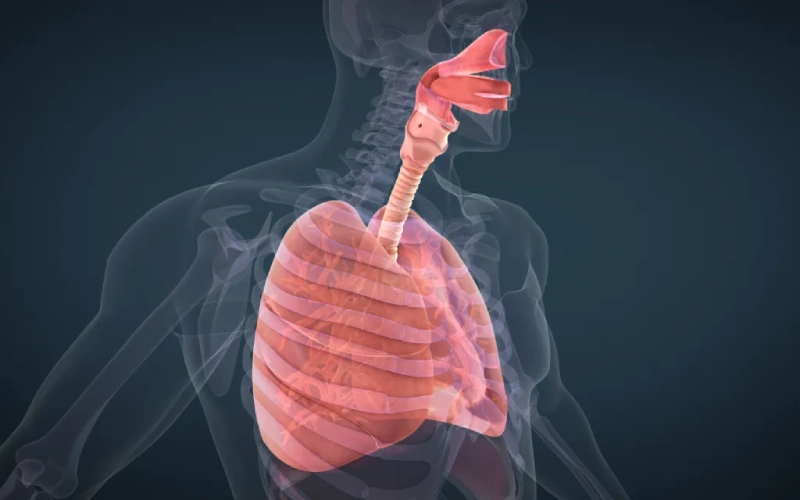
Obstruction of airways, its infections and inflammation of these airways, usually with fatigue, cough, fever and chills. They show shortness of breath and cause chest pain. Among the diseases of airways, we can mention the following:
- Chronic and acute bronchitis: Acute bronchitis and when it continues, chronic bronchitis are caused by viruses entering the lungs and causing inflammation in the lungs. This disease also puts pressure on the airways and causes chest pain due to symptoms such as severe coughing and excessive phlegm production.
- Asthma: Asthma, as another disease of the airways of the lungs, causes pain in the chest due to the swelling of the airways and the pressure on the nerves of the lungs, as well as the contraction of the respiratory muscles.
5- Gastrointestinal diseases
Sometimes the cause of chest pain is due to digestive diseases, which is accompanied by heartburn, bloating, belching, nausea, vomiting, difficulty swallowing, feeling full early and bloody or black stools.
The return of stomach acid to the esophagus (reflux)
When the muscle between the esophagus and the stomach does not work properly, stomach acid returns to the esophagus and burning and pain are felt in the chest area. The feeling of a lump in the throat and bad breath are also other symptoms associated with this pain. Smoking, alcoholic beverages and overweight are the causes of reflux.
Gall bladder stones are a common cause of chest pain
Hard masses that form in the gallbladder due to cholesterol, bilirubin, etc. cause the bile duct to be closed and lead to severe pain in the upper abdomen, right side, and under the ribs, and sometimes in the back, shoulder, and even the chest. Yellow skin is also another symptom of this disease.
Stomach ulcer and inflammation
In some cases, the inner lining of the stomach is damaged due to the increase in acid and causes ulcers or inflammation in the stomach. Since the stomach is located in the abdominal area and close to the chest, and due to the common nerves of the stomach and chest, stomach ulcer pain is also referred to the chest. Loss of appetite, bloating and gas are also associated with this pain.
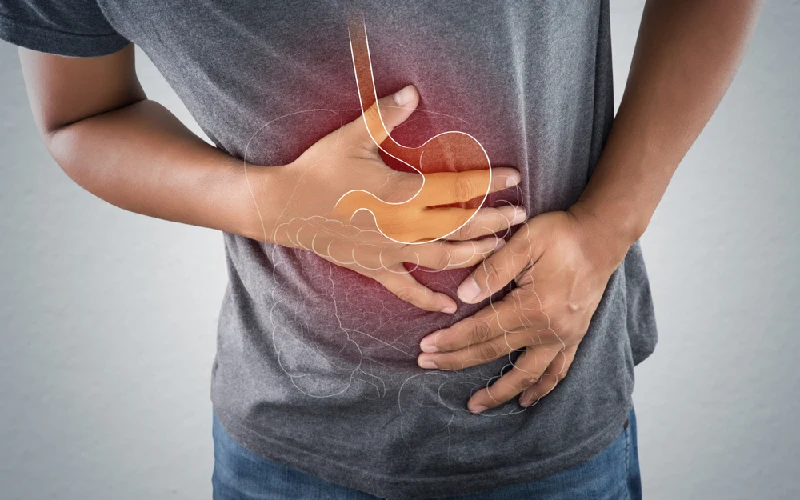
Duodenal ulcer and inflammation
If the initial part of the small intestine (duodenum) becomes inflamed and ulcerated due to infection, bile returning to the intestine, or the use of certain drugs, the pain spreads to this point due to its location in the upper abdomen and close to the chest. Unwanted weight loss and bloody, black, or oily and watery stools are other symptoms of this disease.
How to diagnose the cause of chest pain?
As mentioned above, the cause of chest pain depends on various reasons, including lung, digestive and especially cardiovascular diseases. To diagnose the cause of chest pain, the doctor may prescribe various tests after receiving information and medical records and side symptoms. Tests such as:
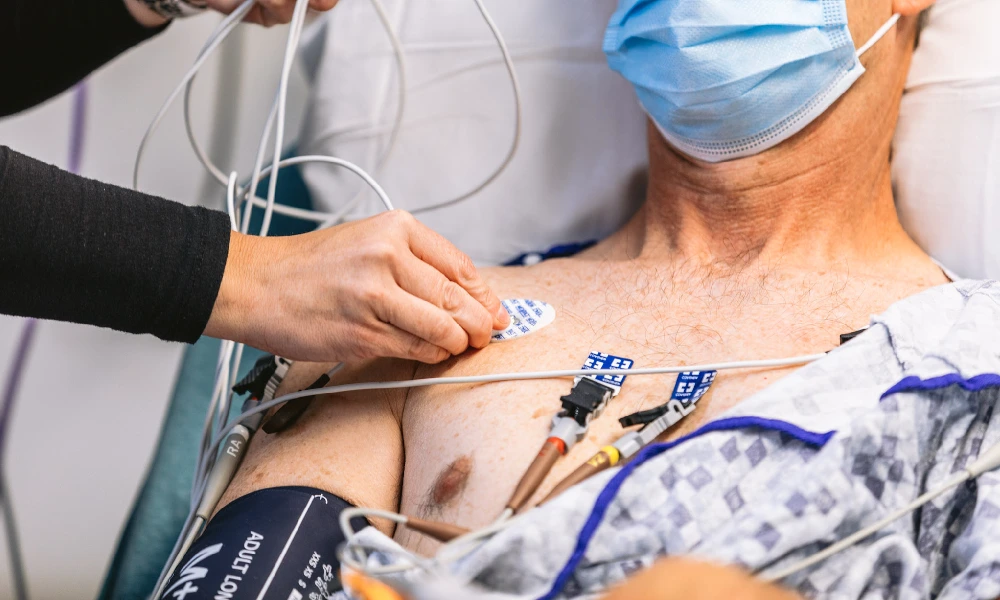
- Heart strip: To know the electrical activity of the heart
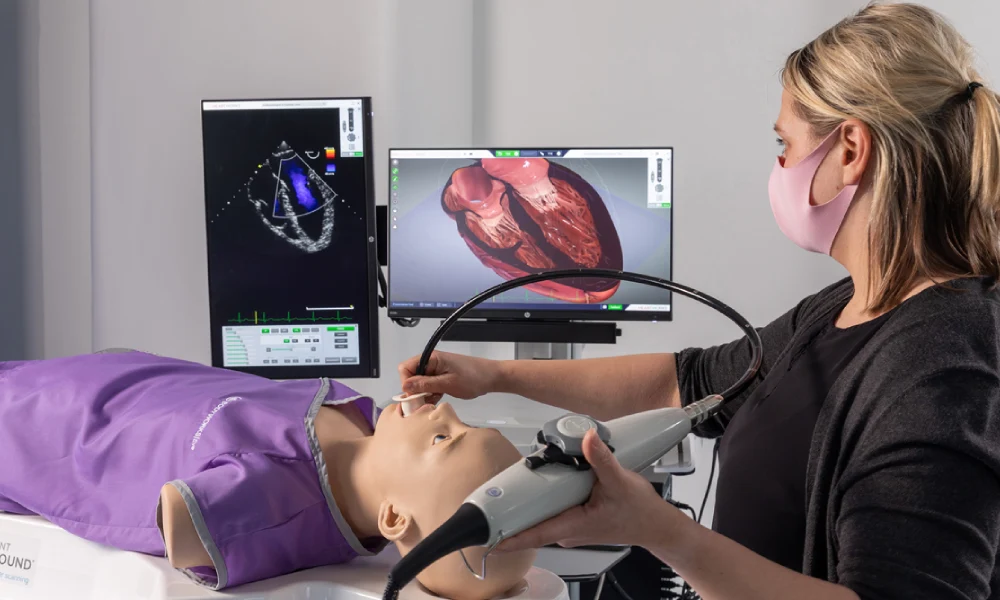
- Echocardiography: to understand the structure and function of the heart
- Chest X-ray: To check the lungs and heart
- Ultrasound: to examine abdominal organs such as the gallbladder
- Endoscopy: to examine the esophagus, stomach and intestines
- Blood test: to check the level of cardiac enzymes, inflammation and other markers

After receiving the results of each of these tests, the cause of chest pain will be diagnosed and treatment options will be available.
Frequently asked questions about the cause of chest pain
The cause of chest pain when breathing
If chest pain is felt when inhaling and exhaling, it indicates heart problems, inflammation and stretching of the chest muscles, viral infections that cause skin rashes and severe pain, and some digestive causes such as reflux.
The cause of right chest pain
Feeling pain on the right side of the chest can be caused by reasons such as pneumonia, pulmonary embolism, or inflammation of the membrane covering the lungs, cardiovascular problems such as inflammation of the sac around the heart and angina, gastric ulcer and duodenal ulcer, muscle strain, or viral infections.
The cause of left chest pain
The most common cause of this complication is related to heart problems, and at the top of them is a heart attack, which spreads the pain to the neck, arms, jaw, and back of the body. Inflammation of the stomach and pancreas, muscle strains and physical injuries are also other causes of this pain.
The cause of chest pain when coughing
Heart problems, including inflammation of the sac around the heart or angina (pain that starts with activity and improves with rest) can lead to chest pain when coughing. Also, feeling pain in the chest when coughing can be caused by lung problems such as bronchitis, lung infection or air accumulation between the lung and the chest wall. Stretching and tearing of chest muscles, gastric reflux, shingles and physical damage and broken ribs can also be other causes of chest pain when coughing.
When is chest pain dangerous?
The cause of chest pain can be related to a serious and in some cases life-threatening disease. From the point of view of medical science, this pain is considered dangerous when it appears along with the following signs and symptoms:
Severe pain accompanied by pressure on the arms, neck, jaw, or back, and sudden and severe sweating and shortness of breath, coughing up blood, nausea and vomiting, and finally, sudden and severe pain that worsens with physical activity and does not improve with rest, can be a sign of a serious problem.
What actions should we take in case of chest pain?
In the first step after feeling pain in the chest, a little rest and relaxation will significantly help to reduce this pain. If you are using drugs related to heart or lung diseases, take them as directed by your doctor. Check your symptoms, such as the intensity and location of the pain and the spread of the pain to other organs. If you have any of the symptoms mentioned in this article, call the emergency room without wasting time.
Edit Clone Comments read more Why care about leg veins? Solutions to prevent vascular problems
02
April
Why care about leg veins? Solutions to prevent vascular problems
02
April
 10 effective ways to maintain heart health and prevent cardiovascular diseases
02
April
10 effective ways to maintain heart health and prevent cardiovascular diseases
02
April
 introduction of several home treatment methods for varicose veins
07
D
introduction of several home treatment methods for varicose veins
07
D
 Preparation before taking an ECG; Should we be fasting to take an ECG?
07
D
Preparation before taking an ECG; Should we be fasting to take an ECG?
07
D
 The least dangerous methods of treating coronary artery occlusion
07
D
The least dangerous methods of treating coronary artery occlusion
07
D
 3-day apple weight loss diet
07
D
Your comments
0
0
votes
Article Rating
Subscribe to
Login
0 Comments
the oldest
the most recent
The most votes
Feedback (Feedback) inline
View all comments
3-day apple weight loss diet
07
D
Your comments
0
0
votes
Article Rating
Subscribe to
Login
0 Comments
the oldest
the most recent
The most votes
Feedback (Feedback) inline
View all comments