


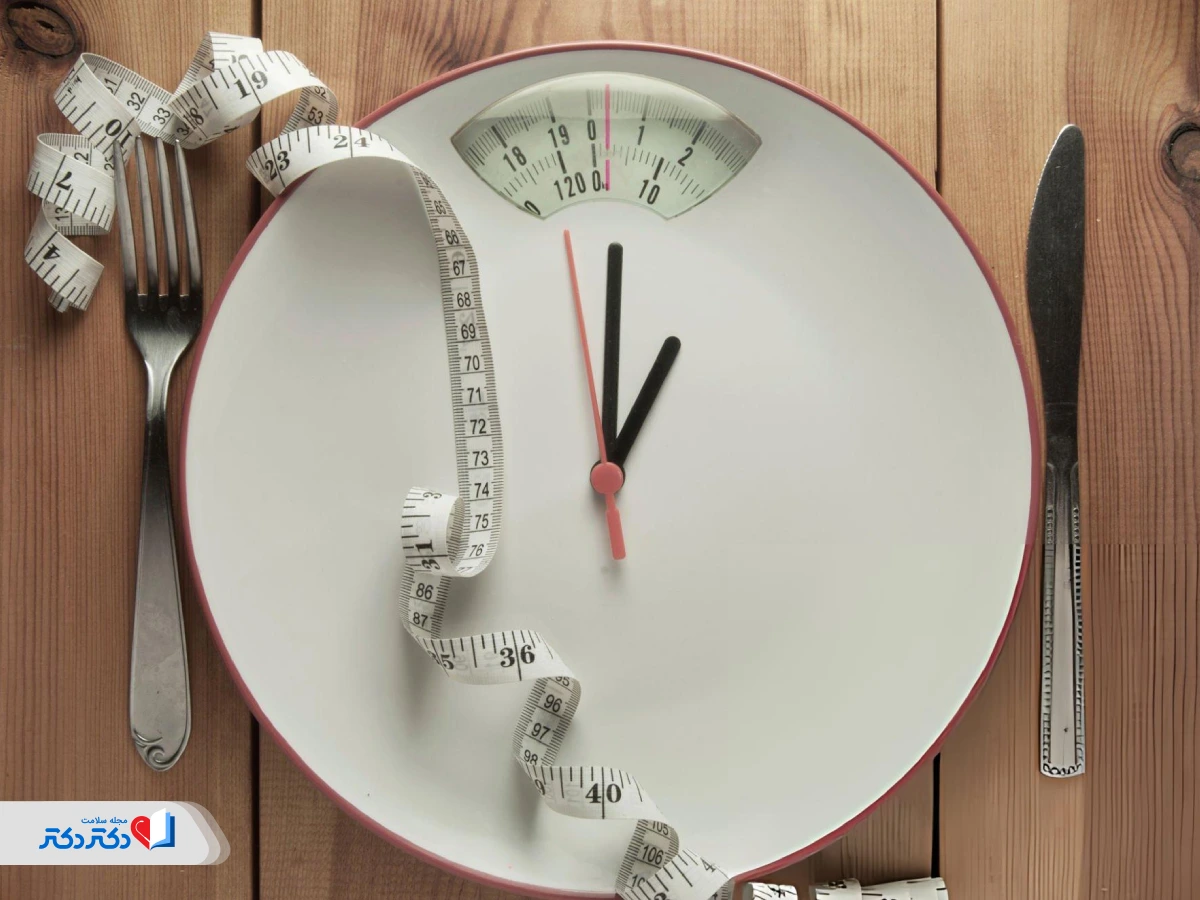
در دنیای امروز که هیاهوی بسیاری پیرامون انواع رژیمهای غذایی با وعدههای گوناگون برای کاهش وزن و بهبود سلامتی وجود دارد، رژیم فستینگ یا روزهداری متناوب توجه بسیاری را به خود جلب کرده است. این سبک تغذیه برخلاف رژیمهای سنتی، بیشتر بر زمان خوردن تمرکز دارد تا نوع غذا. ایده اصلی آن ساده است: در بازههایی مشخص از روز یا هفته، از خوردن پرهیز میکنید تا بدن فرصتی برای استراحت، تنظیم قند خون و استفاده از ذخایر چربی پیدا کند. In this article, we will examine together what the fasting diet is, what are its types, and how it can be implemented in a healthy and sustainable way in everyday life.
Read more: 5 types of shock regime with immediate effect
What is the fasting diet? And what are its principles?
Many diets focus on what to eat, but in fasting or intermittent fasting, the main issue is when to eat.
In this method, a person consumes food only during certain hours of the day and night. Research has shown that fasting for certain hours of the day or eating only one meal on several days of the week can be beneficial to health. Mark Matheson, a neuroscientist at Johns Hopkins University, has been researching intermittent fasting for more than 25 years. According to him, the human body has evolved in such a way that it can stay without food for hours or even several days. In prehistoric times, when humans had not yet learned agriculture, they lived as hunters and gatherers. As a result, he sometimes had to go without eating for long periods of time to survive. They had to; Because hunting and gathering fruit, nuts, and seeds required a lot of time and energy.
Even as recently as 50 years ago, maintaining a healthy weight was easier. At that time, there were no computers and television programs ended at night; People slept earlier and therefore stopped eating. Meal sizes were smaller, and most people did physical work or played outdoors, thus being more active.
But today, with constant access to the Internet, television, and other entertainment, many adults and children stay up until midnight, watching TV, surfing social media, playing games, or chatting. This means sitting for hours and snacking throughout the day and even at night.
Excess calories and inactivity increase the risk of obesity, type 2 diabetes, heart disease and other health problems. Scientific research shows that intermittent fasting can help reduce these risks and restore the body to a healthier state.

What is the basis of fasting diet?
There are many different ways to do a fasting diet, but all of them are based on choosing regular intervals to eat and not eat. For example, you may decide to eat only during an 8-hour period each day and fast the rest of the time. Or eat only one meal two days a week. In fact, there are various programs for implementing a fasting diet.
After a few hours without food, the body uses up its sugar reserves and then starts burning fat. Matheson calls this process Metabolic Switching.
In today's world, intermittent fasting goes against the usual eating pattern of many people; People who eat almost every waking hour. If someone eats three meals a day with a snack and does not exercise, his body will always feed on the calories he has taken and will never have the opportunity to use fat reserves. Intermittent fasting by increasing the time interval between meals gives the body time to burn the calories from the last meal and then enter the fat burning stage.
Common types of fasting diet
It is very important to consult a doctor before starting a fasting diet. After the doctor's approval, the implementation of this regimen is simple in practice. You can use the daily method, in which food consumption is limited to between 6 and 8 hours a day. For example, you might choose the 16 8 fasting diet; That is, eat 8 hours a day and fast 16 hours a day.
Although this pattern is easier to stick to in the long run, research (which was not specifically designed to examine fasting) found that limiting the amount of time you eat during the day does not necessarily prevent weight gain over time, nor does it produce significant weight loss. According to the findings of this research, reducing the number of large meals or eating smaller meals may help control or even lose weight in the long term.
Another method, known as 5:2, involves eating normally on five days of the week and limiting calorie intake to about 500 to 600 calories on the other two days. For example, you might decide to eat normally all days of the week, but eat only one light meal on Monday and Thursday.
You should know that longer fasts such as 24, 36, 48, or 72 hours are not necessarily more beneficial and may even be dangerous. If the period of not eating lasts too long, it may put the body in a state of severe starvation and cause it to store more fat to protect itself. According to Matheson's research, the body usually needs 2 to 4 weeks to adapt to the fasting diet. You may feel hungry or lethargic during this time, but people who get through this adaptation phase usually continue to diet; Because they notice that they feel better and have more energy.
16 8 Fasting Diet
16 8 Fasting Diet is one of the most common and popular methods of fasting, especially for people who want to start. In this method, a person fasts for 16 hours every day and is allowed to eat only in 8-hour intervals. A lighter version of this pattern is a 14-hour fast with a 10-hour eating window.
Finish your meal before the end of the eating window. During the fasting hours, drinking water, herbal tea and bitter coffee (without sugar and additives) is allowed; Because these drinks don't have calories and don't break the fasting state.
How many days a week should the fasting diet be observed?
There is no fixed rule about the duration and time of the start or end of fasting, and it cannot be said that the fasting diet lasts for several days. What is most important is stability and continuity in the program. Most people spend most of their fasting time during the night. For example, in the 16:8 pattern you can fast from 6:00 pm to 10:00 am the next day, or in the 14:10 pattern from 7:00 pm to 9:00 am.
How many days a week the 16 8 fasting diet is implemented is up to you. You can start with 2 or 3 days a week and gradually increase the days. Do not forget that it usually takes 2 to 4 weeks for the body to adapt to this diet.
12-hour fasting diet
12-hour fasting, overnight fasting or the 12:12 pattern is a shorter version of the fasting diet. In this method, a person fasts for 12 hours a day and can eat in another 12 hours. This method is considered a suitable option for beginners, because most of the fasting time is spent while sleeping. Just choose a 12-hour period for night fasting; For example, from 8 pm to 8 am.

How many kilos does a 12-hour fasting diet lose?
Weight loss is the most common reason for people to choose a fasting diet. Including 12-hour fasting. By limiting the amount of time you can eat, you'll probably eat fewer calories without realizing it. In addition, fasting may help to lose weight by changing hormone levels.
Fasting reduces insulin and increases human growth hormone (HGH) levels, and also increases the release of the fat-burning hormone norepinephrine (noradrenaline). These changes may cause the body's metabolism to increase slightly in the short term.
It is not possible to say exactly how many kilos a person loses by following various types of fasting diet, including the 12-hour fasting diet. But studies show that fasting can be an effective tool for weight loss if done safely and correctly. A 2020 systematic study of overweight and obese people showed a weight loss of between 0.8% and 13% of the initial weight in the participants.
But you should know that the main reason the fasting diet is effective in losing weight is that it helps you consume fewer calories. If you eat too much within the allowed eating interval, you may not lose any weight at all.
5:2 Fasting
The 5:2 diet consists of 5 days of normal eating per week and 2 days of modified fasting. During these 2 days, calorie consumption is usually limited to around 500 to 600 calories. This method is flexible and you can choose any two days of the week for fasting.
One day fasting regimen
In this method, a person fasts every other day. This pattern, sometimes known as the 4:3 method, is one of the most extreme types of fasting and is usually not recommended for beginners or those with specific illnesses. In this diet, one day you eat normally and the next day you either don't eat any food, or you minimize the amount of calories.
Warrior Fasting Diet
Django method or 20:4 is one of the most extreme types of fasting diet. In the warrior diet, only a small amount of raw fruits and vegetables are consumed during the day, and the entire main meal is eaten at night within a 4-hour period. This method is usually more suitable for more experienced people or those whose body is used to fasting.
Fasting one meal a day
This diet is one of the hardest types of fasting. In this method, the person fasts for 23 hours and is allowed to eat only in 1 hour of the day and night. Some versions extend this interval to two hours. This type of diet is not suitable for beginners or people with special medical conditions.
Eat-Stop-Eat method
In this method, a person fasts one or two non-consecutive days a week for 24 hours. This method is similar in structure to the 5:2 diet, with the difference that in the 5:2 method, consumption of 500 to 600 calories is allowed, but no food is eaten in this method.
What are the benefits of fasting diet?
Intermittent fasting periods not only burn fat, but also affect the body and brain.
According to research, the fasting diet may have various benefits, including increasing life span, reducing body fat and improving mental performance.
During fasting, changes occur in the body that help the organs resist chronic diseases such as type 2 diabetes, heart diseases, age-related neurological disorders, even inflammatory bowel diseases, and many other types. Cancers help. Some of the most common benefits of fasting that have been observed in various studies are:
Memory enhancement
Studies have shown that fasting improves working memory in animals and verbal memory in adults.
Health promotion Heart
Intermittent fasting improves blood pressure, resting heart rate and other heart-related indicators.
Enhanced physical performance
In a study, young men who fasted for 16 hours lost fat but maintained their muscle mass. Mice that were fed every other day had more endurance in running.
Helps improve type 2 diabetes and obesity
According to the findings of animal studies, intermittent fasting prevents obesity. Weight loss was also observed in six short studies of obese adults who followed a fasting diet. People with type 2 diabetes may also benefit from this diet. Most research shows that fasting can reduce body weight, lower fasting blood sugar, insulin and leptin levels, reduce insulin resistance and increase adiponectin levels. Some studies have shown that patients under the supervision of a doctor have been able to reduce the need for insulin treatment.
Strengthening tissue health
In animals, intermittent fasting has reduced tissue damage caused by surgeries and accelerated its recovery.
Improving resistance to Insulin
Fasting can reduce insulin resistance; A state in which the body does not respond properly to insulin and the blood sugar level rises. Controlling blood sugar in this way can reduce the risk of type 2 diabetes.
Inflammation reduction
Some research has shown that intermittent fasting can help reduce inflammatory indicators in the body; A factor that plays a role in the occurrence of many chronic diseases.
Strengthening brain health
Studies conducted on mice show that fasting increases hormones in the brain and may help the growth of new nerve cells.
However, it should be kept in mind that research in this field is still in its early stages. Most of the available studies were either conducted on animals or limited in duration and number of participants. In order to reach more definitive results, it is necessary to conduct more extensive and long-term human research.
possible side effects of the fasting diet
The fasting diet, despite its benefits, may be associated with complications and possible risks. For this reason, this method is not suitable for everyone. Some of the possible side effects and risks are:
- Feeling unwell, headache, lethargy, irritability or constipation;
- Excessive weight loss in the elderly;
- Overeating or the desire to eat unhealthy foods during eating due to high hunger;
- Injury to people who have certain diseases or take certain medications
People who have a history of eating disorders should avoid fasting. The American National Association of Eating Disorders has warned that fasting may be one of the risk factors for the occurrence or exacerbation of these disorders.
The fasting diet is not suitable for women who are pregnant, lactating, or those who are planning to become pregnant.
People who want to try the fasting diet should consult a doctor before starting; Especially if:
- have an underlying disease such as diabetes or low blood pressure;
- take heart or blood pressure medications;
- have a history of eating disorders.
Also, you should know that there is not enough scientific evidence to recommend any type of fasting diet, especially to the elderly.
In general, if during the implementation of this diet you feel If you feel unwell or have any unusual side effects, you should consult your doctor immediately. To make sure that you implement the fasting diet correctly, you can get advice from doctors and nutritionists.
Free Fasting Weight Loss Program
Many people use the fasting diet to lose weight, because in a limited period of time to eat, they usually take in fewer calories than normal. Fasting for at least 12 hours helps create a caloric deficit.
The body's main source of energy is glucose, which is usually obtained from the breakdown of carbohydrates. When glucose is not supplied through the diet, the liver uses glycogen (glucose storage in the body) to produce glucose and provide energy.

How is the time period in the fasting diet?
Adjust the basis of 16 hours of fasting and 8 hours of eating time. The time interval of eating should fit into your daily routine, and it is better to stay the same every day. For example, you may consider eating from early morning to evening. This allows the energy from food to be spent on your activities during the day and is more in sync with the body's natural circadian rhythm.
There is no specific calorie limit in the fasting diet and there is no need to count calories before each meal.
Read more: 30-day weight loss plan
What should we eat on the 16 8 fasting diet?
Drinking water and non-caloric drinks such as bitter coffee and tea is allowed when you are not eating.
Eating between meals does not mean that you eat excessively and unhealthy. Research shows that if you eat high-calorie, fried foods and unhealthy snacks during the allowed times, the chances of losing weight or improving your health will be very low. Sharing healthy and nutritious foods with others and enjoying the experience of meals, in addition to creating satisfaction, helps to maintain health.
Most nutrition experts recommend the Mediterranean diet as a suitable model for choosing food in different diets, including the fasting diet. Choosing leafy greens, healthy fats, lean protein, and complex, unrefined carbohydrates like whole grains is almost never wrong and provides a good foundation for healthy eating.
On the 16 8 Fasting Diet or the 12 Hour Free Fasting Diet, you can prepare these meals:
- Breakfast: One serving of oatmeal (oatmeal) with low-fat milk. Or its vegetarian alternative, along with nuts and banana slices
- Lunch: Mixed vegetable salad with grilled chicken or tofu, avocado, beans and a variety of vegetables. You can use pumpkin seeds or nuts to add healthy fats.
- Snack: A healthy snack for weight loss, such as a medium apple (or fruit of your choice) or a hard-boiled egg with a small handful of almonds.
- Dinner: whole-wheat pasta with tomato sauce and roasted spinach, broccoli or roasted vegetables, Along with grilled chicken or salmon or any other low-fat protein source.
Although fasting allows you to eat almost anything in between meals, it is recommended to reduce or eliminate the following to maintain balance and health:
- Added sugar;
- Saturated and trans fats;
- Sodium. (too much salt).

What is a water fasting diet and how hard is it?
Water fasting is a type of fasting in which nothing but water is consumed. Usually this fasting lasts between 24 and 72 hours and it is dangerous to do it for a longer period of time without medical supervision.
People choose water fasting for various reasons, including:
- religious or spiritual reasons;
- weight loss;
- cleansing the body (detox);
- taking advantage of possible benefits for Health;
- Preparation to perform some tests or medical operations.
The main purpose of most people doing water fasting is to improve body health.
Some scientific researches have shown that water fasting may be related to reducing the risk of certain cancers, heart diseases and diabetes. Also, water fasting can stimulate a process called autophagy; In this process, the body breaks down and recycles the old and damaged parts of the cells.
However, it should be noted that the water fasting diet has many side effects and if done for a long time, it can be very dangerous.
Tips for the successful implementation of the fasting diet
Your success in the fasting diet depends on how Your adherence to the program as well as the quality of the food you choose. Observing a few simple points can multiply the effect of this diet.
1. Choose healthy foods
Fasting may help you lose weight and burn calories, but if you eat unhealthy foods during the time you are allowed to eat, your health will suffer. Research shows that the quality of nutrition is very important. Make your diet rich in fruits, vegetables, whole grains and fish and minimize the consumption of red meat, processed meats and sugary drinks.
2. Eat high-quality carbohydrates
When you eat, eat carbohydrates that contain fiber, not the kind that are high in added sugar. Sweet foods may satisfy you in the moment, but you'll soon feel hungry again. On the contrary, fibrous foods such as cruciferous vegetables (such as cabbage and broccoli), legumes and whole grains make you feel full longer.
3. Pay attention to your body's message
When you feel full, stop eating. If you go through the fasting period with difficulty but overdo it when eating, you may experience a sudden increase in blood sugar and insulin, which over time increases the risk of insulin resistance and metabolic problems.
4. Go slow
The key to success in the fasting diet is persistence and continuity. Therefore, your primary goal should be long-term sustainability. It is normal to feel hungry, irritable or lose concentration in the first few weeks. To begin with, use simpler methods such as 16:8 or 12:12 so that your body gradually gets used to it.
5. Drink plenty of water
Drinking enough water during the fast will keep the body hydrated, maintain energy and control hunger, especially in the early days of the diet.
Read more: Dehydration and the signs that you are suffering from it!
6. Consult a doctor or a nutritionist
If you feel that fasting is difficult for you, consult a doctor or a nutritionist. He can help you design a sustainable meal plan that fits your body's needs. Right now, at DoktorDoktor, you can schedule an online or face-to-face visit with a specialist.

Who should avoid the fasting diet?
Some people on the fasting diet For weight control, others use this method to manage chronic diseases such as irritable bowel syndrome, high cholesterol, or arthritis. However, intermittent fasting is not for everyone.
Before starting intermittent fasting (or any other diet), it is best to consult with your primary care physician first. These people should avoid the fasting diet:
- Children and adolescents under 18 years old;
- Pregnant or breastfeeding women;
- People with a history of eating disorders;
- People with type 1 diabetes who take insulin.
Although clinical research has shown that the fasting diet is safe in people with type 2 diabetes, there have been no studies on type 1 diabetes and this concern Intermittent fasting can lead to dangerously low blood sugar levels (hypoglycemia) during the fasting period.
Keep in mind that the effects of intermittent fasting may vary from person to person. If you experience unusual anxiety, headache, nausea or other symptoms after starting the diet, be sure to consult your doctor.
Doctor's Last Word
The fasting diet is one of the most popular nutritional routines in recent years, which in addition to helping you lose weight, may also be beneficial for your health. Research shows that limiting eating time makes the body use fat reserves as a source of energy. In this way, insulin resistance may be reduced and heart, brain and metabolism function may improve.
To achieve the best results, fasting should be accompanied by healthy eating, drinking enough water, regular sleep and light physical activity. We told you what the fasting diet is and how it is, but it should not be seen as a temporary diet for quick weight loss, but it should be considered as a conscious and balanced lifestyle; A style that gives the body a chance to rest, repair and readjust: something we need more than ever in today's fast-paced world. If you are thinking about following this diet, Dr. Dr. experts are here to provide you with the necessary guidance.