The relationship between oral and dental problems and diseases

Dr. Amir Nabagh
تهرانSurgeon - dentist
The relationship between oral and dental problems and diseases
Some research shows that people with gum disease are more likely to suffer from heart diseases than people with healthy gums. Of course, researchers still Info They are not precise about this relationship and it has not yet been proven whether gum disease causes other diseases or not. However, common sense dictates that we all take oral health seriously to prevent any particular disease. With this introduction, we take a look at the most common diseases that can be related to oral and dental problems.
Gum disease and diabetes
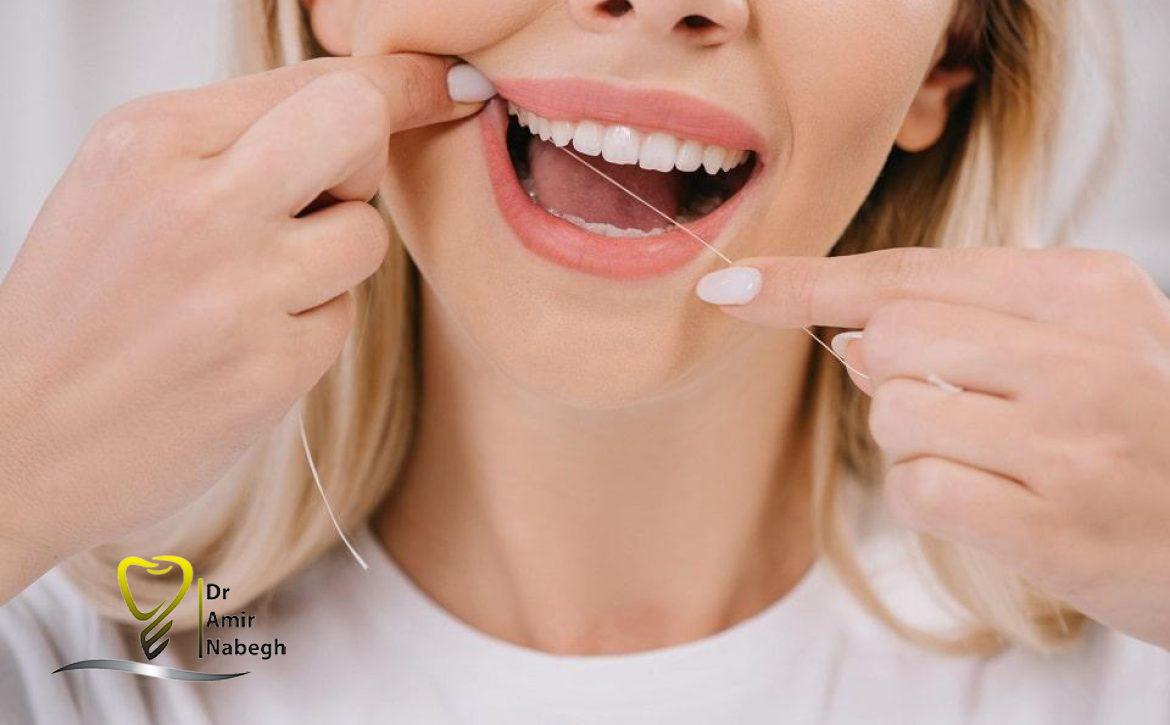
Diabetes can weaken the body's resistance to diseases. On the other hand, this Disease Due to the increase in blood sugar level, it leads to increasing the risk of gum disease, and gum disease itself creates conditions that basically make it harder to control blood sugar at the desired level. Therefore, always try to maintain the blood sugar level in a normal state so that you have taken care of the gums. Do not forget to brush your teeth after main meals, use dental floss daily and rinse your mouth with antiseptic mouthwash. You should go to the dentist at least twice a year. Sometimes it is possible that your dentist will schedule more visits for you during the year.
Dry mouth, dry tongue and tooth decay
Statistics show that 4 million people in the United States have Syndrome Sjogren's and this feature makes them more susceptible to oral and dental problems. In Sjogren's syndrome, the body's immune system mistakenly attacks the tear ducts and salivary glands, and this causes chronic dry eyes and dry mouth (xerostomia). This is while oral saliva helps protect teeth and gums and prevents the activity of bacteria involved in cavity formation or tooth decay and gingivitis. Therefore, it is clear that dry mouth in the long term basically increases the chances of gum disease and tooth decay.

Special medicines and dry mouth
Given that chronic dry mouth increases the risk of cavities and gum disease, it may be a good idea to take a look at your medications. Antihistamines, decongestants, pain relievers, and antidepressants are all drugs that can cause dry mouth. So consult your doctor or dentist about the medications you are taking and if there is a problem, ask them to provide you with an alternative solution if possible.
Stress and teeth grinding
If you suffer from stress, anxiety or depression, you may be more prone to teeth grinding and the risk of developing oral and dental problems. People who are stressed, a higher level of cortisol hormone is released in their body, and this process is associated with negative and destructive effects for the gums and other parts of the body. Research shows that stress is associated with poor quality of oral care because more than 50% of people with stress do not brush and floss regularly.
Osteoporosis and tooth loss
Osteoporosis affects all the bones in the body (including the jaw bone) and therefore can cause tooth loss. Bacteria involved in periodontitis (gum disease in severe stage) can also play a role in jaw bone loss. A type of osteoporosis medication, bisphosphonates, can also slightly increase the risk of developing a rare disease called osteonecrosis. This rare disease causes the death of the jaw bone. Of course, this problem can usually only be a concern after dental surgery, not in a normal state. So if you use bisphosphonates, inform your dentist about this.
gum discoloration and anemia disease
A person suffering from anemia may experience pain and paleness of the gums as well as swelling and inflammation in the tongue. In anemia, the body does not have enough red blood cells or the red blood cells do not contain enough hemoglobin. As a result, the body cannot get enough oxygen. There are different types of anemia, and the treatments for each type are different from the other types. Therefore, take anemia seriously and treat it.
Eating disorders and tooth enamel erosion
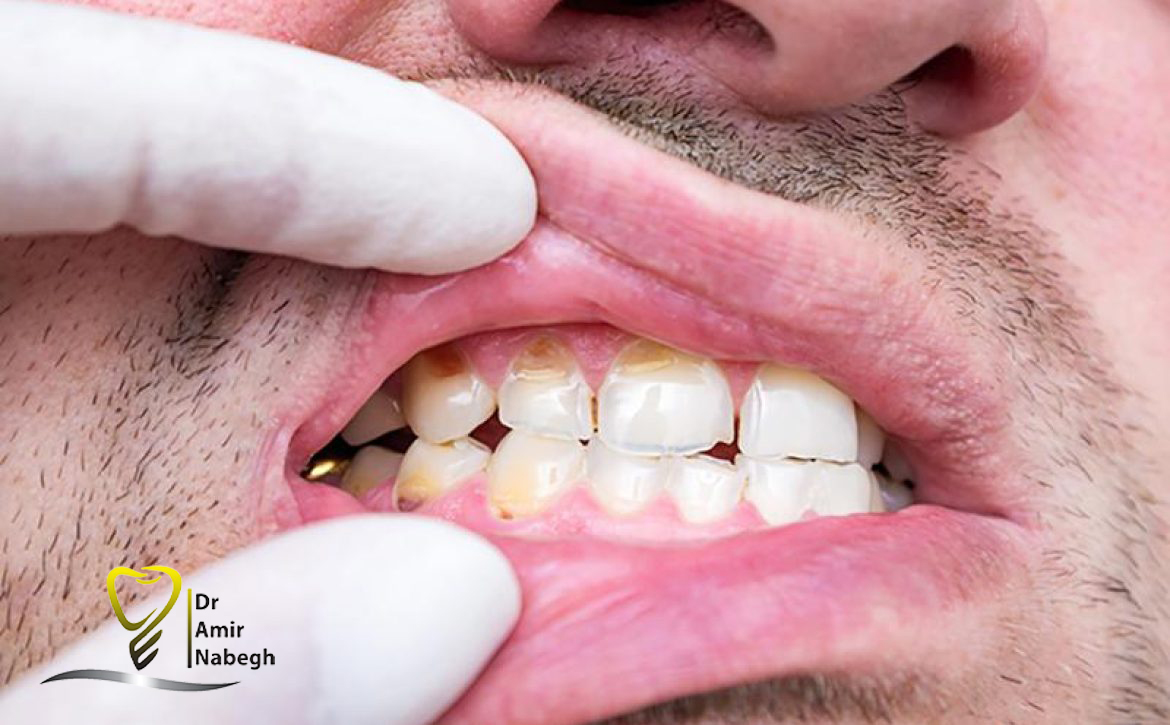
Dentists are usually the first to recognize the signs of eating disorders such as bulimia. In this disorder, stomach acid that returns to the mouth due to frequent vomiting can severely erode tooth enamel. The purging process that occurs in eating disorders causes swelling in the mouth, throat, salivary glands, and bad breath. Anorexia (anorexia nervosa), bulimia and other eating disorders can cause serious nutritional deficiencies and thus affect the health of the teeth.
>>
Thrush and HIV
People with HIV and AIDS may experience oral thrush, oral warts, herpes, canker sores, and hairy leukoplakia. In hairy leukoplakia, white or gray patches appear on the tongue or on the inner lining of the cheeks. The weakness of the body's immune system and its inability to prevent diseases is the main factor in this situation. Experiencing dry mouth is another common problem among people with HIV and AIDS, which increases the risk of tooth decay and also makes simple tasks such as chewing, eating, swallowing or speaking difficult.

Gum disease treatment and help with rheumatoid arthritis
People with rheumatoid arthritis are 8 times more likely to develop gum disease than people without this disease. The common denominator between these two diseases is inflammation and it causes the exponential escalation of both problems. On the other hand, it is possible that people with rheumatoid arthritis have problems in brushing and flossing due to damage to the finger joints. However, the good news is that treating gingivitis and gum disease can also reduce joint pain and inflammation caused by rheumatoid arthritis.
Tooth loss and kidney disease
Adults without teeth are usually more likely to develop chronic kidney disease than adults with teeth. Of course, the relationship between kidney disease and periodontal disease is not completely clear yet. But researchers say that chronic inflammation could be the link that connects these two diseases. Therefore, proper care of teeth and gums can reduce the risk of chronic kidney problems.

Gum disease and premature birth
If you are pregnant and have gum disease, the chances of the baby being born earlier and being smaller increases. In this case, of course, the relationship between these two issues is still not clear, but inflammation or gum disease can be the culprit. It seems that pregnancy and the resulting hormonal changes can aggravate gum disease. Therefore, to take care of yourself and your child, be sure to consult a gynecologist and a dentist.