Table of Contents
Normally, there is a certain amount of pressure inside the skull. This pressure is called intracranial pressure (ICP). Elevated ICP is when intracranial pressure increases. Increased ICP is a serious condition that must be treated immediately. Normally, when brain pressure increases, the body tries to adapt to these changes and return the pressure to normal. But if the pressure does not decrease, the brain pressure should be reduced with the help of the required medical measures. In this article, we will examine ways to lower brain pressure from your doctor.
Ways to lower brain pressure in the hospital
Since in most cases, increased brain pressure can cause serious complications, the best option for managing ICP is to go to the hospital on time. Especially if the pressure inside the brain increases suddenly, the patient should be treated immediately in the special care department of the hospital.
In the hospital, according to the underlying cause of such conditions, they use ways to lower brain pressure, so that the pressure returns to normal; Therefore, first, the doctor diagnoses the cause by examining the patient's medical history and performing basic physical examinations in order to control high brain pressure with the help of available effective methods. In general, ICP management methods in the hospital include the following:
- Pharmaceutical treatment
- Adjusting head and body position
- Management of oxygen delivery to the brain and organs
- Evacuation of cerebrospinal fluid
- Surgery if needed to reduce pressure above the brain
English text:
If you have suddenly increased intracranial pressure, you'll receive treatment in the intensive care unit (ICU) of a hospital. Your healthcare team will closely monitor your neurological and vital signs.
Persian translation:
If intracranial pressure has suddenly increased, you should be treated in the intensive care unit of the hospital so that a medical team can closely monitor your neurological and vital signs. target="_blank" rel="noreferrer noopener">my.clevelandclinic

1. Drug treatment to reduce brain pressure
In the first step to treat high brain pressure, the medical team uses drug therapy. Some medications can help reduce or prevent cerebral edema. If the cause of increased pressure inside the brain is an infection, the doctor prescribes antibiotics for treatment.
Sometimes, according to the conditions of the patients, the doctor gives medicines to control pain, anxiety or control seizures. Other medications that may be prescribed to reduce brain pressure include mannitol or hypertonic saline to remove excess fluid from the body and drugs that reduce the production of cerebrospinal fluid in the brain.
English text:
quoted from nhs
a short course of steroid medicine to relieve headaches and reduce the risk of vision loss.
Persian translation:
A short course of steroid medicine is prescribed to relieve headaches and reduce the risk of vision loss.
2. Adjustment of head and body position
Another way to reduce brain pressure in the hospital is to adjust the position of the patient's head and body. When a patient comes to the hospital with high brain pressure, the doctor prevents possible risks and controls the high brain pressure by raising the head and keeping the position of the patient's head and body stable.
3. Control of breathing and oxygen supply
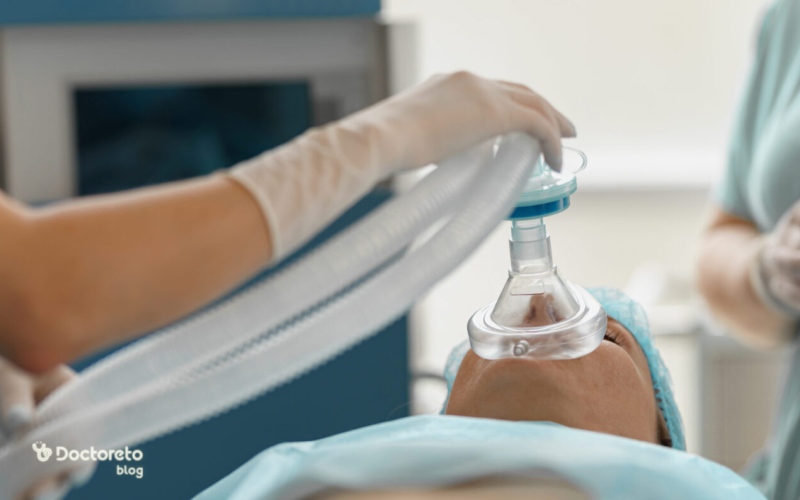
Some people who go to the hospital with high brain pressure are also facing breathing problems or oxygen supply disorders. This complication increases the risk of brain damage or organ failure, and in turn causes higher blood pressure. For this reason, another way to lower brain pressure is respiratory support and oxygenation control in patients. The medical team controls the patient's breathing condition with intubation and mechanical ventilation.
4. Drainage of cerebrospinal fluid (CSF)
One of the causes of increased intracerebral pressure is an increase in the volume of cerebrospinal fluid inside the brain. For this reason, excess cerebrospinal fluid must be drained to reduce the pressure. Cerebrospinal fluid drainage, or extra blood around the brain, is another way to lower brain pressure, in which a thin, flexible tube is placed around the fluid-filled space in the skull. Excess liquid is drained through this tube.
5. Surgery to reduce brain pressure
In some cases, surgery may be needed when other ways to lower brain pressure are not effective enough. Surgery is considered especially if increased brain pressure worsens vision or puts the patient at risk of vision loss.
There are different methods for brain surgery that should be chosen according to the underlying cause and the patient's condition. Sometimes the surgeon has to remove part of the skull to reduce the swelling. If other methods are not effective enough to lower brain pressure, this is the last resort.
| Causes of high brain pressure | Solutions to lower brain pressure in the hospital |
|---|---|
| Cerebral swelling or edema | Drug treatment to reduce brain swelling |
| Encephalitis | Prescribing steroid drugs such as Dexamethasone |
| Cerebral infections | Prescribing antibiotics according to the cause of infection |
| Increasing cerebrospinal fluid | Draining cerebrospinal fluid with a special tube |
| Excess fluid accumulation in the body | Using diuretic drugs |
| Increasing fluid production Cerebrospinal | Medications that reduce CSF production |
| Severe headache and risk of vision damage | Short course of steroid treatment |
| Pain, anxiety or seizures | Medications to control pain, anxiety and seizures |
| Poor head and body position | Elevation and stabilization of position Head |
| Disturbance in oxygenation | Control of breathing and oxygen support |
| Acute respiratory problems | Intubation and mechanical ventilation |
| Increased pressure with blood around the brain | Evacuation of blood or fluid around the brain |
| Severe swelling Brain | Removing part of the skull to reduce pressure |
| Existence of brain tumor | Treatment of the underlying cause with appropriate method |
Treatment and control of underlying cause
As mentioned, various things may cause high brain pressure. For example, brain tumors or infection are the main cases; Therefore, an important part of the ways to lower brain pressure is related to the control of the underlying factor. By controlling the underlying cause, high brain pressure can be controlled in most cases.
For example, by prescribing antibiotics and treating the infection, brain pressure is gradually controlled. Also, if the increased intracranial pressure is caused by brain cancer, cancer treatment can help reduce intracranial pressure. Sometimes, even to reduce the pressure, the brain tumor must be surgically removed.

Is it possible to lower brain pressure at home?
High cerebral pressure in most cases requires medical treatment, but you can get help from ways to lower cerebral pressure at home to control the pressure and prevent more serious complications. Losing weight and following a low-sodium, low-fat diet can greatly prevent high blood pressure in the brain. Limiting caffeine consumption, adequate hydration and sleep hygiene can also help reduce brain pressure at home.
Care and rehabilitation after brain pressure control
After reducing brain pressure, there is still a risk of high blood pressure or related complications. Especially if invasive methods such as shunting or brain surgery have been used for treatment. For this reason, continuous care, monitoring of symptoms and refraining from heavy activities are very important.
Sometimes it may be necessary to take some medicines according to the doctor's diagnosis. Physiotherapy and rehabilitation exercises can also help to improve balance or movement problems related to brain surgery and high brain pressure. Care after controlling brain pressure is as important as ways to lower brain pressure.
Conclusion
Increased intracranial pressure, especially if it is sudden, is often life-threatening. For this reason, timely treatment and doing things to lower brain pressure are very important. For most patients, ways to lower brain pressure include specialized treatment methods that must be performed in the hospital by medical staff. However, doing a series of things at home can control the high pressure inside the skull to some extent.
Your doctor takes care of your health!