The shoulder is one of the most mobile joints in the body, and this freedom of movement makes it more vulnerable to injuries. Sometimes a simple fall, sports impact or even a sudden movement can cause the shoulder joint to go out of its normal position; An event that is usually accompanied by pain, disability and anxiety. Many people in this situation are faced with the question of whether the shoulder is really dislocated or just stretched? On the other hand, knowing why such an injury occurs and what the consequences are if neglected plays an important role in making timely decisions. In this article from your doctor, you will learn about shoulder dislocation
What is shoulder dislocation?
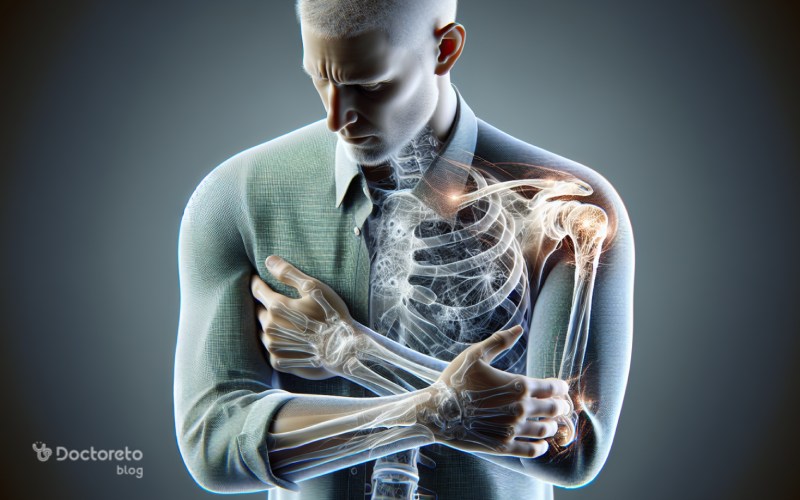
Shoulder dislocation is one of the most common joint injuries that occurs when the head of the humerus is out of its natural position in the shoulder joint. This type of dislocation is usually caused by a fall, impact or sudden movement and is accompanied by severe pain, shoulder deformity and inability to move the arm. Timely diagnosis and treatment of shoulder dislocation is very important, because a delay in treatment can cause damage to the muscles, ligaments or nerves around the joint and increase the possibility of its recurrence.
English text: A dislocated shoulder is an injury in which the upper arm bone pops out of the cup-shaped socket that's part of the shoulder blade. The shoulder is the body's most flexible joint which makes it more likely to dislocate. The shoulder is the most flexible joint in the body, which increases the possibility of its dislocation.
شانه در رفته آسیبی است که در آن استخوان بازو از حفره فنجانی شکلی که بخشی از استخوان شانه است، بیرون میآید.
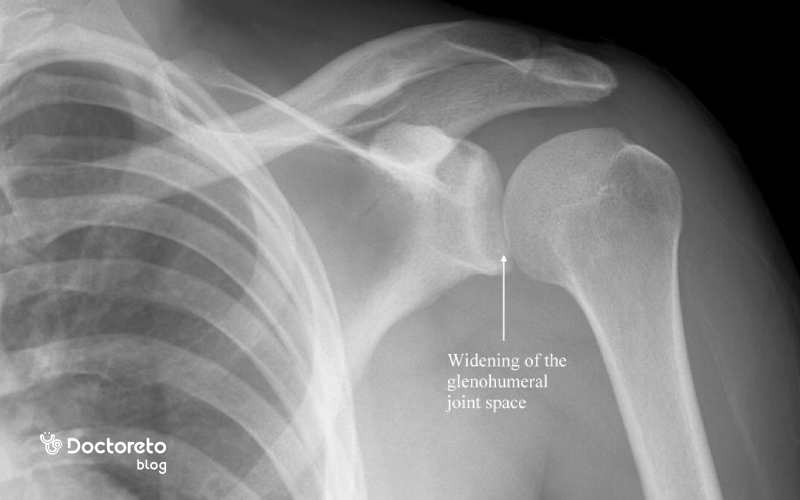
Shoulder dislocation photo
In the radiographic image of shoulder dislocation, usually the abnormal displacement of the head of the humerus relative to the joint cavity of the scapula is visible, which disrupts the normal alignment of the joint. One of the common findings in these images is an increase in the distance of the joint space or the humerus head moving out of its normal position, which indicates the instability of the shoulder joint. These imaging changes help the doctor diagnose the type and severity of the dislocation and evaluate the possibility of damage to the ligaments, joint capsule, or surrounding structures.
What are the types of shoulder dislocation?
Shoulder dislocation is divided into several types based on the direction of displacement of the head of the humerus relative to the joint cavity, each of which has different characteristics and severity. Knowing the types of shoulder dislocation helps to make a more accurate diagnosis, choose the appropriate treatment method and predict the probability of recurrence. The most common type of shoulder dislocation is caused by an impact or fall, but in some cases it can also occur due to structural weakness of the joint or repetitive movements. Types of shoulder dislocation include the following:
Anterior dislocation of the shoulder, which is the most common type, and the head of the humerus moves forward
Posterior dislocation of the shoulder, which is less common and usually occurs as a result of a seizure or electric shock
Inferior shoulder dislocation, which is rare and associated with severe inability to lower the arm
Type of shoulder dislocation
direction of displacement of the humeral head
indicative feature
anterior dislocation
toward the shoulder joint
the most common type, pain and clear deformation of the shoulder
dislocation Posterior
Toward the back of the shoulder joint
Less common, usually after a seizure or electric shock
Inferior dislocation
Towards the bottom of the shoulder joint
Rare, severe inability to lower the arm
This table shows the types of shoulder dislocations. is.
half-dislocation-of-the-shoulder
Half-dislocation of the shoulder or subluxation is a condition in which the head of the humerus does not completely move out of the joint cavity, but is displaced from its normal position and creates instability. This condition usually occurs as a result of mild to moderate trauma, sudden movements, weakness of the muscles around the shoulder, or previous injury to the joint, and is more common in athletes. Symptoms of subluxation of the shoulder can include pain, a feeling of looseness in the joint, limitation of movement and sometimes a clicking sound when moving, without a clear change in the appearance of the shoulder. If repeated, this problem can lead to a complete dislocation, which is why accurate diagnosis and physical therapy to strengthen shoulder stabilizing muscles are very important.
What are the symptoms of shoulder dislocation?
Shoulder dislocation is usually associated with clear and sudden symptoms and occurs immediately after an impact or abnormal movement. This condition causes a serious disturbance in the function of the shoulder joint, and the person is often unable to move the hand. The severity of the symptoms can vary depending on the type of dislocation and the extent of damage to the surrounding tissues, but in most cases the symptoms are so obvious that they require immediate medical attention. Common symptoms of shoulder dislocation include the following:
severe and sudden pain in the shoulder that is aggravated by moving the arm
change in the appearance of the shoulder, such as protrusion or abnormal sagging of the joint
Inability or severe limitation in arm movement
Swelling and bruising around the shoulder joint
Numbness, tingling or weakness in the arm and hand which can indicate nerve involvement
symptoms of half-dislocation of the shoulder
Shoulder subluxation occurs when the head of the humerus is not completely out of joint, but is displaced from its normal position and causes instability of the joint. This condition is usually accompanied by pain and muscle spasm and can be caused by trauma, sudden movements or weakness of the muscles around the shoulder. Its symptoms may appear immediately after the injury or be aggravated by moving the arm, and their severity depends on the amount of displacement of the joint. The symptoms of partial dislocation of the shoulder are:
Sudden and severe pain: a feeling of significant pain in the shoulder that may spread to the arm and sometimes the neck
Shoulder shape change: observing a slight protrusion or depression in the joint area compared to the normal state
Inability to move: severe limitation or difficulty in moving the arm due to pain and instability
Swelling and bruising: Swelling and discoloration of the skin around the shoulder joint
Numbness or tingling: tingling or numbness in the arm, hand, or fingers
Weakness: Decreased strength in the arm and hand, especially when raising or turning the arm
Muscle spasm: involuntary spasm of shoulder muscles that aggravates pain and movement limitation
What is the cause of shoulder dislocation?
Shoulder dislocation is usually caused by a sudden force or abnormal movement in the shoulder joint, because this joint has a wide range of motion and is less stable than other joints. Various factors can cause the head of the humerus to move out of its normal position, and the severity of the injury varies depending on the type of force and the condition of the joint. Common causes of shoulder dislocation include the following:
A history of shoulder dislocation that increases the probability of its recurrence
Falling on the open hand or shoulder, which is the most common cause of shoulder dislocation
Direct blow to the shoulder in accidents or high-impact sports
Sudden and violent arm movements, especially in sports such as volleyball, swimming or weight lifting
Weakness or previous injury of the ligaments and muscles of the shoulder that reduces the stability of the joint
English text: While shoulder dislocation is more commonly associated with traumatic injuries, it is possible for a dislocated shoulder to occur while sleeping. This can happen due to certain sleeping positions or pre-existing shoulder conditions that increase the risk of dislocation. Farsi translation: While shoulder dislocation is mostly associated with traumatic injuries, shoulder dislocation may also occur while sleeping. The occurrence of this condition can be due to specific sleeping positions of people or previous shoulder conditions that increase the risk of dislocation.
The cause of shoulder dislocation is usually severe impact, falling, sudden movements or sports injuries, which causes the head of the humerus to come out of its place due to the large range of motion and low stability of the shoulder joint.
Shoulder dislocation treatment (what should be done for shoulder dislocation?)
Shoulder dislocation treatment should be done quickly and under the supervision of a doctor, because incorrect reduction or delay in treatment can cause damage to the nerves, muscles or ligaments of the joint. The main goal of treatment is to return the head of the humerus to its normal position, reduce pain and prevent complications and frequent dislocations. After reduction, follow-up care plays an important role in complete recovery and return of normal shoulder function. The main measures to treat shoulder dislocation include the following:
Reduction of the joint by the doctor to return the bone to its normal place
Shoulder immobilization with a hanger or sling for a few weeks to repair tissues
Use of painkillers or anti-inflammatory drugs to reduce pain and swelling
Starting physiotherapy after a period of immobility to strengthen muscles and increase the range of motion
Surgery in severe cases or frequent dislocations to stabilize the joint
After the initial period of shoulder immobility, physical therapy can help restore range of motion and strength in the affected shoulder joint.
shoulder-strap for shoulder-dislocated
Scapular brace for scapular dislocation is one of the important auxiliary tools after dislocation of the joint, which by keeping the shoulder stable, helps to restore damaged ligaments and tissues and reduces the risk of dislocation recurrence. The use of a shoulder brace is usually recommended in the first weeks after the injury, and its duration varies depending on the severity of the dislocation, the age of the person, and the doctor's opinion. This device reduces pain, limits risky movements and creates suitable conditions for joint recovery, but it is not a substitute for physical therapy or medical treatment.
care after shoulder dislocation
Care after shoulder dislocation plays an important role in the complete recovery of the joint and preventing the recurrence of this injury, because the tissues around the shoulder need time and proper support to repair after dislocation. Following medical advice during this period will help reduce pain, prevent joint instability, and safely return to daily activities. The most important care after shoulder dislocation includes the following:
Regular use of a shoulder sling or sling as prescribed by the doctor to keep the joint stable
Avoid sudden movements or lifting heavy objects until complete recovery
Regular use of prescribed medications to control pain and inflammation
Perform physical therapy exercises gradually to strengthen shoulder muscles
Regular referral for follow-up visits and checking the joint repair process
Symptoms of shoulder dislocation include severe pain, swelling, bruising and inability to move the arm.
What are the complications and risks of shoulder dislocation?
Shoulder dislocation, if not properly diagnosed and treated, can be associated with short-term and long-term complications and risks, because the removal of the humeral head from the joint may damage the surrounding sensitive tissues. The severity of these complications depends on the type of dislocation, the frequency of repetitions and the time of starting the treatment, and in some people it can significantly disrupt the normal function of the shoulder. Complications and risks of shoulder dislocation include the following:
Damage to the ligaments, tendons and muscles around the shoulder that causes instability of the joint
Injury to the nerves in the shoulder that can lead to numbness, tingling, or weakness in the arm
tear of the labrum of the shoulder joint, which increases the risk of frequent dislocations
Chronic pain and movement limitation in case of incomplete treatment or delay in treatment
increasing the possibility of repeated dislocations, especially in young people and athletes
Is it possible to prevent shoulder dislocation?
Shoulder dislocations are largely preventable, especially in people with high physical activity or a history of dislocations, as many risk factors can be controlled by lifestyle modification and muscle strengthening. By increasing the stability of the shoulder joint and reducing sudden pressures, the possibility of occurrence or recurrence of this injury can be significantly reduced. Effective solutions to prevent shoulder dislocation include the following:
Pursuing physiotherapy and corrective exercises after a previous dislocation to prevent recurrence
Strengthening the muscles around the shoulder, especially the rotator cuff muscles to increase joint stability
Performing stretching exercises and proper warm-up before sports activities
Avoidance of sudden and excessive arm movements, especially in high-risk situations
Use of protective equipment in high impact sports
Conclusion
Shoulder dislocation is an injury that can occur at different ages and conditions due to the special structure and high range of motion of this joint. This problem is not limited to momentary pain, and in case of improper diagnosis or treatment, it increases the possibility of joint instability and injury recurrence. Knowing the warning signs, paying attention to the causative factors and being aware of the treatment paths will help people face this condition with a more realistic view. Knowingly dealing with shoulder dislocation plays an important role in maintaining the normal function of the joint and preventing long-term complications.
Your doctor takes care of your health!
Frequently Asked Questions
The shoulder joint is more susceptible than other joints due to having the largest range of motion in the body. There are dislocations and fractures. The structure of the shoulder is such that the head of the humerus is placed in a shallow cavity of the shoulder bone, and unlike joints such as the hip, it does not have high bone stability. This makes shoulder stability more dependent on muscles, tendons, and ligaments, which are more vulnerable to impact, falls, or sudden movements. On the other hand, the shoulder plays a protective role in many incidents such as falls, accidents or sports activities, and is usually the first point of contact with the impact. Also, with increasing age, the decrease in bone density and the weakness of the muscles around the shoulder can increase the risk of fracture and dislocation of this joint.
In many cases, a dislocated shoulder protrusion is visible, especially when that a complete dislocation has occurred. In this case, the normal shape of the shoulder is changed and an unnatural protrusion may be seen in the front or side of the shoulder and the shoulder area becomes flat or sunken. This appearance change is usually accompanied by severe pain, limited movement and inability to use the arm. However, in mild dislocations or partial dislocations, the deformity may not be obvious and only symptoms such as pain, swelling, or a feeling of instability may be present. For this reason, even in the absence of obvious protrusion, a medical examination is necessary for accurate diagnosis and prevention of further damage.
When to start exercising after shoulder dislocation, severity of injury, type of dislocation, age of the person It depends on the method of treatment, but a gradual return is usually recommended. In most cases, the shoulder is first immobilized in a sling for 2 to 3 weeks to reduce pain and inflammation, then physical therapy is started to restore range of motion and strengthen muscles. Light and controlled exercises can usually be started after 4 to 6 weeks, but heavy, high-pressure, or contact sports often require 3 to 4 months. Starting exercise early without strengthening the muscles around the shoulder can increase the risk of re-dislocation, so the exact time of return to exercise must be determined with the opinion of a doctor or physiotherapist.
Recurrent shoulder dislocation is usually due to damage to the ligaments, capsule A joint or stabilizing muscles of the shoulder is created and it is considered a structural problem, so its definitive treatment with traditional medicine alone is not possible. Traditional medicine methods such as the use of herbal oils, massage or some herbal medicines may temporarily reduce pain, inflammation or muscle spasm, but are unable to repair torn ligaments or restore stability to the shoulder joint. In cases of recurrent dislocation, the main treatment includes targeted physical therapy to strengthen the muscles around the shoulder and, in some people, especially athletes or people with severe instability, surgery. Relying only on traditional medicine can delay effective treatment and increase the risk of further injuries to the shoulder joint, for this reason, the use of these methods can only play an auxiliary role under the supervision of a doctor.
Shoulder head bone protrusion and shoulder bone protrusion It is usually caused by a heavy blow, fall, or sports injury, but the mechanism is different. Protrusion of the scapula is often caused by dislocation of the shoulder joint, when the head of the humerus protrudes from the shallow cavity of the scapula, and due to the high range of motion of this joint, the probability of its occurrence is high. In contrast, scapula protrusion is usually related to damage to the joint between the clavicle and the scapula, which creates a bony protrusion above the shoulder due to tearing or stretching of the supporting ligaments. Weakness of muscles and ligaments, history of previous injury and aging can increase the risk of both conditions, and accurate diagnosis is very important to choose the right treatment.
I am Farzaneh, 30 years old and I love the world of SEO and content writing, and I am curious to learn new things. Regardless of any contract, law and special style. The virtual world and the Internet have provided me with an opportunity to be with the best teams, where I can feel the feeling of getting better and improving my job with all my heart every day without any worries. I am proud to achieve this pure feeling with your good team.