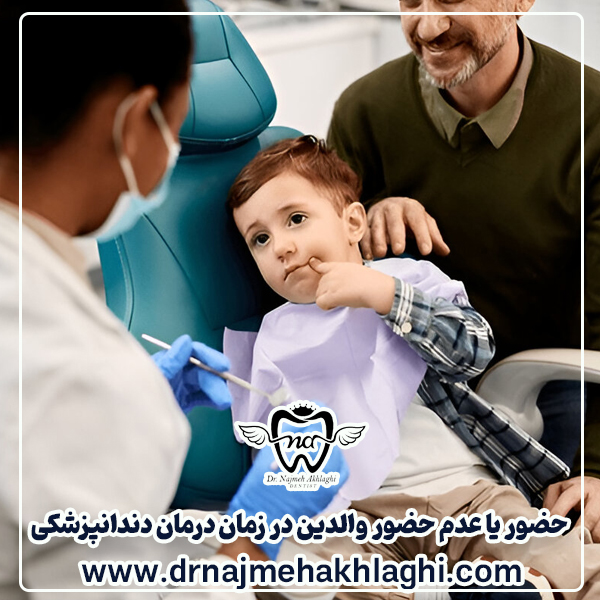
Presence or absence of parents at the time of dental treatment - Dr. Najmeh Akhli

Dr. Najmeh Ethali
IsfahanPediatric dental specialist
�ion���″ion
YOUND YOURD � ���� � � flics ���� s , s s 21 All aES AES ff �����������t Q Jix xçççqççççx D ççççcy doxai’s. �EESñ ES s.ESñ YeES � ���t���t 0 1219. At the clinic of Dr. Najmeh Akhlaghi, The best pediatric dentist with anesthesia in Isfahan we care about the mental and physical health of your beloved child and with an individual approach, we provide the best conditions for a positive dental experience.
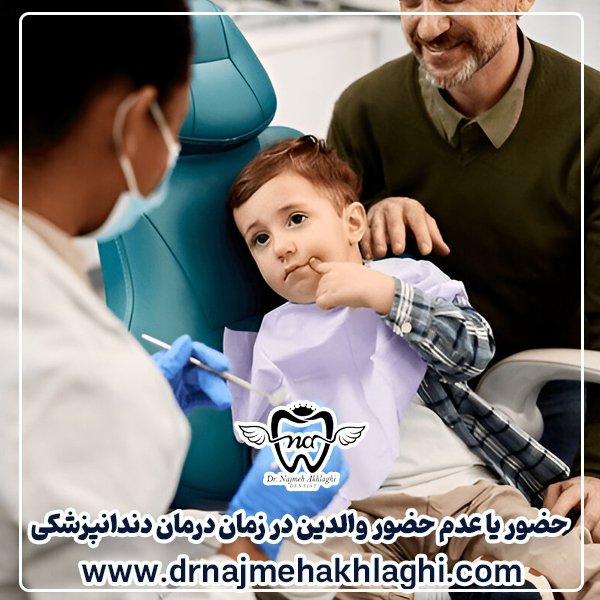
Parental presence in children's dentistry: companionship or independence?
The issue of parents' presence in children's dental treatment room has been one of the most challenging decisions for dentists and parents for years. The natural instinct of every parent is to be with their child in critical moments and not leave him alone. But is this presence always in the best interests of the child?
Scientific studies and clinical experiences show that the answer to this question is more complicated than a simple "yes" or "no". What is important is to understand the unique needs of each child and parent cooperation with the treatment team.
A look at global research on parental presence or absence during dental treatment
Recent researches and systematic reviews at the global level have presented interesting findings about the presence of parents during dental treatment of children. The key point is that the presence or absence of parents does not necessarily have a significant effect on the anxiety, fear and behavior of children under 12 years old. This means that the main factor is the child himself and his special circumstances.
However, the American Academy of Pediatric Dentistry (AAPD) recommends that this decision should be made based on the discretion of the treating team and the child's condition:
- Very young children (usually under 3.5 years) or with special needs: Parental presence is usually recommended in these cases, as it can promote a sense of security and prevent a traumatic experience.
- Children over 3 years old: In many cases, these children do better without their parents present. You may be a little surprised, but from the child's psychology point of view, sometimes the presence of parents makes the child seek attention and pity from the parents instead of focusing on the dentist and cooperating with him. This division of attention can negatively affect the quality of treatment and effective communication between the dentist and the child.
Our experiences in Iran regarding the presence of parents during treatment
In Iran, most children's dentists operate with a similar approach. Experience has shown that:
- If the parents are present in the treatment room, they should avoid talking and direct intervention. This helps the dentist to establish a more effective communication with the child and the child's attention is only on the dentist.
- Parents following the dentist's recommendations (regarding presence or absence) has a very positive role in the child's behavior and the success of the treatment. Your trust in the treatment team will also be transferred to your child.

When and why is the presence of parents not helpful?
As mentioned, although a parent's instinct to accompany their child is understandable, in some cases, this presence can backfire:
- Healthy and older children: For this group of children, the presence of parents may be harmful rather than helpful. The child may try to get the attention of the parents and his focus will be diverted from the dentist.
- Decreasing the dentist's concentration: The presence of parents can sometimes affect the dentist's concentration, both in communicating with the child and in performing the treatment accurately.
- Parental anxiety: If the parents themselves are anxious or have intrusive behaviors, this anxiety is transferred to the child and makes the treatment process more difficult.
Who has the final decision?
Ultimately, it is up to the pediatric dentist to determine whether parental presence or absence is best for each particular child. Please trust the dentist's judgment. Any insistence on your part to be with your child, especially in cases where the dentist advises not to be present, may backfire and lead to lower quality treatment and more discomfort for your child.
Conclusion
حضور یا عدم حضور والدین در زمان درمان دندانپزشکی کودکان، یک راهبرد فردی و مبتنی بر شرایط هر کودک است. There is no absolute answer. انعطافپذیری، درک نیازهای خاص کودک و اعتماد به دندانپزشک متخصص کودک، کلید یک تجربه درمانی موفق و آرام است. در کلینیک دکتر نجمه اخلاقی، ما در کنار شما هستیم تا بهترین مسیر را برای سلامت دهان و دندان فرزند دلبندتان هموار کنیم.


![The cost of children's dental services in Isfahan (update [wpdts-custom format=" F Y"]) - Dr. Najmeh Akhlik](/storage/posts/covers/2026/01/05/9c92083d5fc13528ed058c460974b73709fa071ebf21c871bd1950cc2494833b.jpg)


![هزینه خدمات دندانپزشکی کودکان در اصفهان (آپدیت[wpdts-custom format=" F Y"]) - دکتر نجمه اخلاقی](/storage/posts/covers/2025_11_24/9c92083d5fc13528ed058c460974b73709fa071ebf21c871bd1950cc2494833b.jpg)




