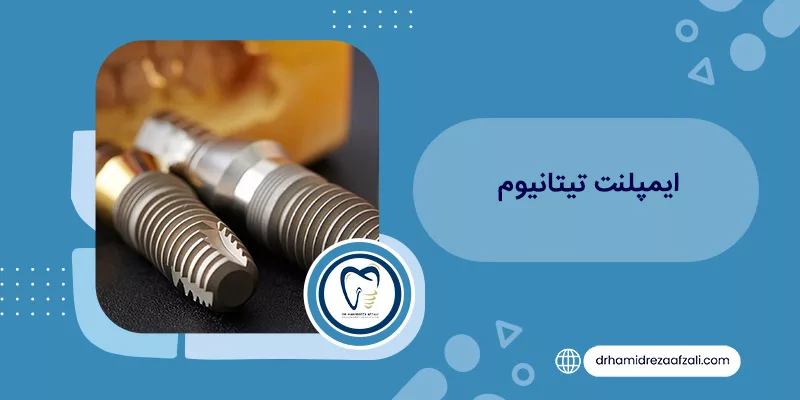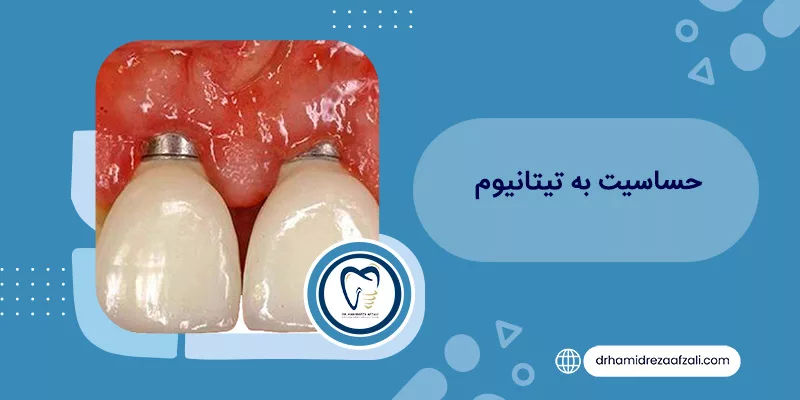


تیتانیوم یکی از فلزاتی است که به دلیل مقاومت و زیستسازگاری بالایی که دارد، به طور گسترده در حوزههای مختلف پزشکی استفاده میشود. In dentistry, this metal is used in the structure of implants and to replace lost teeth due to its good compatibility with oral tissues and the strong connection it establishes with the jaw bone (osteointegration). Titanium implants have a high success rate and are considered safe. However, a very small percentage of people are allergic to this metal and experience signs and symptoms of titanium allergy after implant implantation. In this article, we examine the cause of titanium sensitivity and explain how to prevent titanium sensitivity.
Why are some people allergic to titanium?
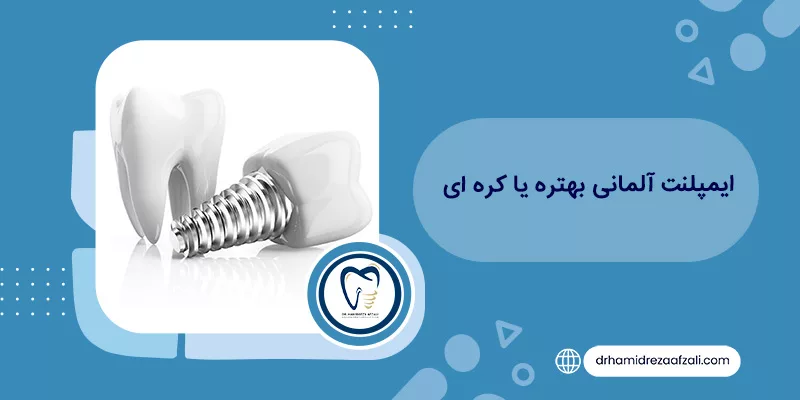
Titanium sensitivity is a rare occurrence and occurs in a very small percentage of patients. This sensitivity may happen for various reasons, such as the release of titanium ions, the presence of impurities and other metals in titanium implant compounds, wear Of course, surgical technique, not observing oral and dental hygiene and insufficient bone density can also be effective in the occurrence of inflammatory reaction and implant failure.
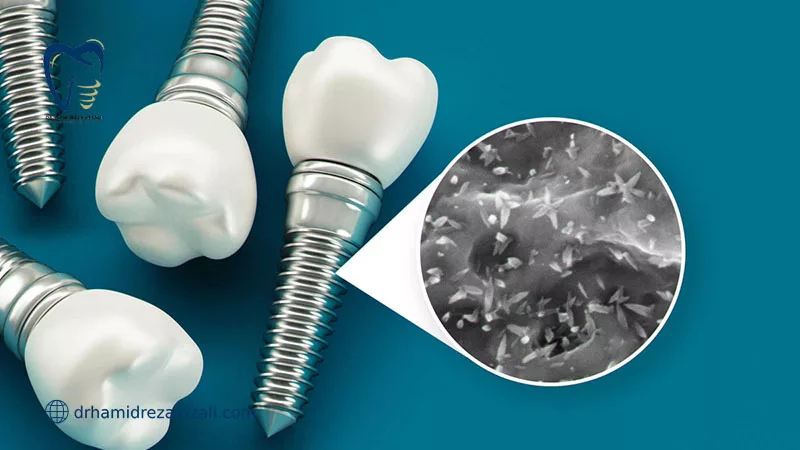
Titanium allergy symptoms and signs
Symptoms that can indicate your sensitivity to titanium implants include:
- Implant loosening (failure of implant surgery)
- Inflammation in the soft tissue around the implant (peri-implantitis)
- Not repairing the implant surgery site
- Pain
- Necrosis (death of tissues around the implant)
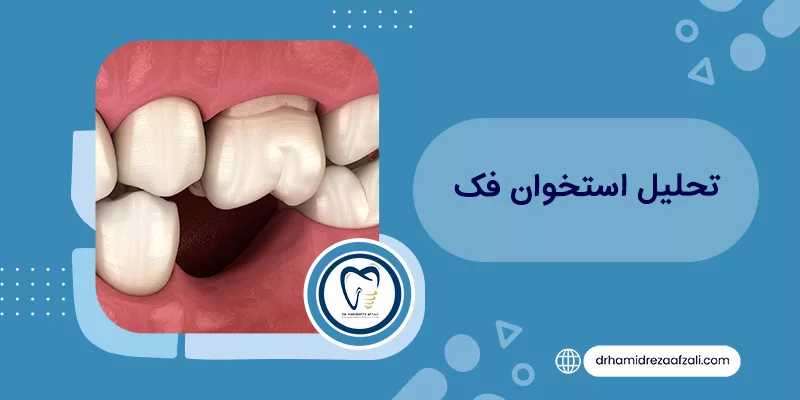
- Jaw bone analysis
- Inflammation of gums and face
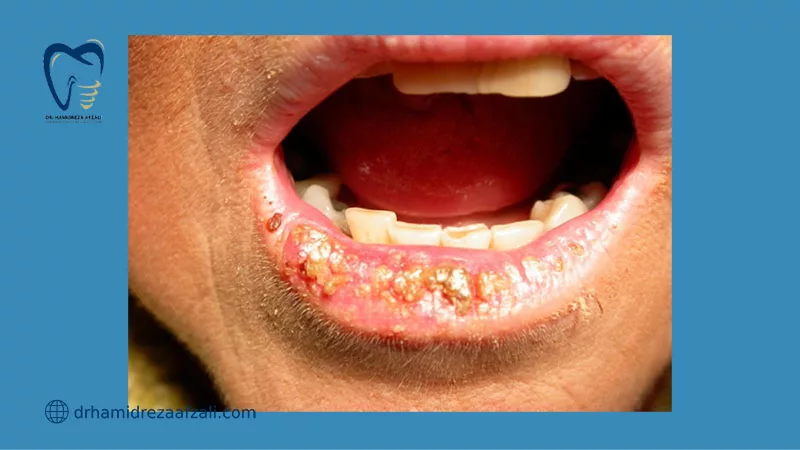
- rash or hives (on the skin or gums)
- yellowing of fingernails
- Muscle and joint pain
- Feeling the taste of metal in the mouth
- Exacerbation or onset of autoimmune diseases
Titanium allergy tests
If you experience signs and symptoms of titanium allergy after dental implant implantation, it is possible that you are allergic to titanium implant. To diagnose titanium allergy, a special test called MELISA (Memory Lymphocyte Immunostimulation Assay) is performed. During this test, a blood sample is taken from the patient and white blood cells are separated from that sample. Then these white blood cells are exposed to titanium. This blood sample is checked regularly over several days for signs of sensitivity.
quoted from MELISA site To detect this type of sensitivity, skin tests (using special adhesives) may also be performed; But the accuracy of the blood test (MELISA test) is higher than the skin test.
How to prevent an allergy to titanium?
Although titanium is a safe and harmless metal that is widely used in dentistry and orthopedics, nevertheless, a very small percentage of patients who have been implanted with titanium implants have developed allergies after surgery. During a study that was conducted on 1500 patients who used these implants, 0.6% of patients showed sensitivity to titanium.
Of course, it should be noted that nickel metal is also present in the structure of some titanium implants. Some people are also allergic to this metal. But since these implants have been approved by the dental community of the world, usually the tests that check the possibility of having an allergy to these metals are not done before the implant is implanted. As a result, to perform these tests, you have to make a suggestion to your dentist yourself.
Also, if you are allergic to any type of metal or specific material, inform your doctor before surgery.


How does titanium cause allergic reactions?
Sensitivity to titanium may have various reasons. One of the reasons for this allergic reaction is that titanium alloys are stronger than pure titanium and these alloys are used to make some implants. Pure titanium also has a small percentage of impurities. Metals such as aluminum, manganese, iron, nickel and cadmium are metals that may be present in titanium implants. Some of these metals, such as nickel, can cause allergies.
Another reason that can cause sensitivity is that titanium implants corrode over time. As a result, metal ions are separated from the implant and released. By spreading in the tissues around the implant, these ions can cause inflammation, discomfort and allergy. Finally, it should be mentioned that people who were allergic to a certain metal such as nickel or cobalt before implant implantation, may also be allergic to titanium. As a result, they should inform their dentist about this before planting the implant.
Titanium allergy side effects
As we explained in the symptoms section, titanium sensitivity shows itself with a series of symptoms and complications. These complications usually have a wide range and can involve from the surgical site to other parts of the body such as nails. For example, sensitivity to titanium can even cause nails to turn yellow.
Nevertheless, one of the most common side effects we see when this sensitivity occurs is usually swelling and inflammation at the surgical site and in the mouth.
Gingival swelling and inflammation after titanium implant
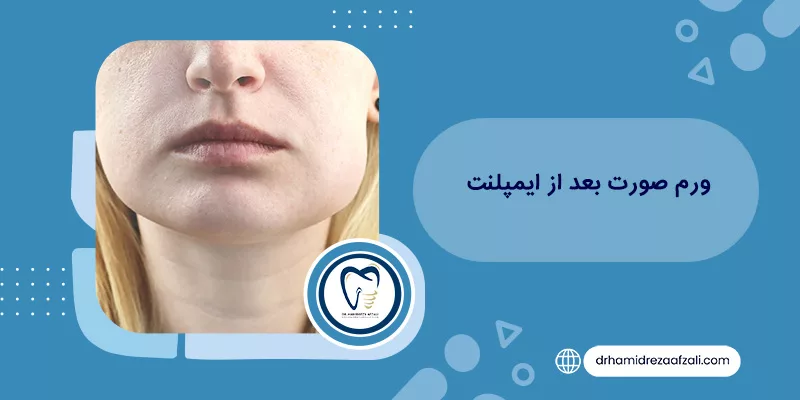
Swelling and inflammation of the gums is one of the common side effects that can be seen when allergic to titanium. In this case, the gum becomes red and swollen and the patient feels pain. Itching at the implant site, gum burning, non-healing of the implant wound, or even the accumulation of pus and infection at the surgical site are some of the side effects that may be observed along with swelling.
When should you see a doctor?
After the implant surgery, it is normal to have a series of complications such as slight bleeding, swelling, pain and inflammation. However, if the swelling and inflammation continue for more than a week after the surgery and become more severe, the pain at the surgery site increases, and the symptoms of infection (bad breath, pus discharge, inflammation, and fever) appear, you should definitely visit your dentist to check the cause of these complications.
- Implant loosening Itching gums
- Gum and bone shape change around the implant
- Symptoms such as extreme fatigue, headache and joint pain
- Severe gum bleeding
Other symptoms that you should pay attention to and discuss with your doctor if you see them.

treatment of titanium allergy
If it is determined that you are allergic to titanium after evaluating your oral and dental conditions and performing relevant tests, the implant must be removed from your jawbone. In this case, your implant surgery has failed. If, according to the surgeon and implant specialist, after recovery and removal of infection and inflammation, your gum and jaw bone can be re-implanted, a safer and less dangerous implant such as zirconia implant will be used for you. But if re-surgery is not to the patient's liking, there are other treatment methods that can act as a replacement for your missing teeth.
treatment methods for titanium implant complications
As we said, sensitivity to titanium causes a series of complications. Your dentist may prescribe medicine to eliminate these side effects.
For example, to reduce the patient's pain and inflammation in this case, anti-inflammatory painkillers such as ibuprofen are prescribed, antihistamines are prescribed to reduce itching and redness, and antibiotics are also prescribed to control and treat the infection.
Titanium implant alternatives (such as zirconia or ceramic)
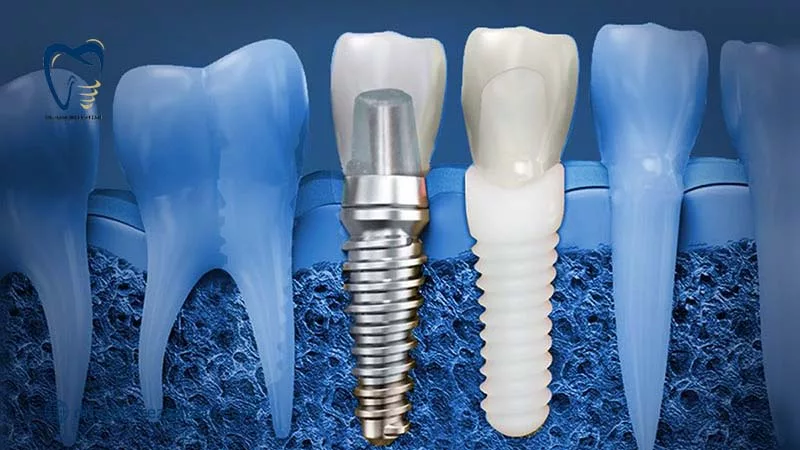
In a situation where a person is allergic to titanium, we can use other methods to replace his lost teeth. One of these methods is the use of ceramic implants (zirconia). Dental bridge or bridge, full dentures and partial (partial) dentures are other methods that can restore your ability to chew food.
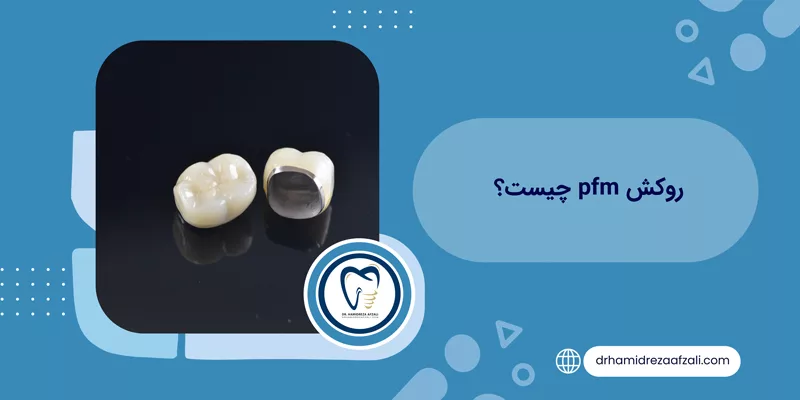
Zirconia or ceramic implants: Ceramic implants are often made of zirconia oxide, which is a white and safe material. This material is highly biocompatible and highly durable against corrosion. As a result, they are considered a suitable alternative for titanium implants.
Dental bridge or bridge: A bridge is a type of dental prosthesis that consists of two or more artificial tooth crowns. These prostheses are connected to the teeth around the empty space of the extracted tooth from one or both sides and replace that tooth with the help of the side teeth without placing anything in the gums.
Prosthetic teeth: Prosthetic teeth have different types. People who have lost their teeth over time can use its complete type or its partial type. These prostheses are placed on the jawbone and it is a safe method, the price of which is lower than Dental implant price.
Summary
Being allergic to titanium is rare, but not impossible. In this article, we have explained to you the symptoms of titanium allergy and told you what measures are usually taken to diagnose the allergy and treat it. We also introduced alternative treatment methods to you so that in case of allergy, you can use other treatment methods to restore your ability to eat and speak as well as before.
Finally, we emphasize again to you, dear ones, that if you have experienced sensitivity to any type of metal in the past, share it with your dentist.
Dental clinic of Dr. Hamidreza Afzali

Frequently Asked Questions
Some of the most important questions from the users' point of view regarding titanium sensitivity are:
Is it possible that we are allergic to dental implants?
Yes. Although the implants are made of approved and safe materials, in some rare cases, some patients show sensitivity to them. Of course, the percentage of these people is very low.
How do we know if we are allergic to titanium implants?
If within a week after the implant surgery, your pain, inflammation, and bleeding do not decrease and instead become more severe, or if you have symptoms of infection, extreme fatigue, or joint pain that affects your whole body, you should visit your dentist to check your condition.
What is the titanium sensitivity test?
To detect sensitivity to titanium implants, a type of blood test called MELISA is performed.