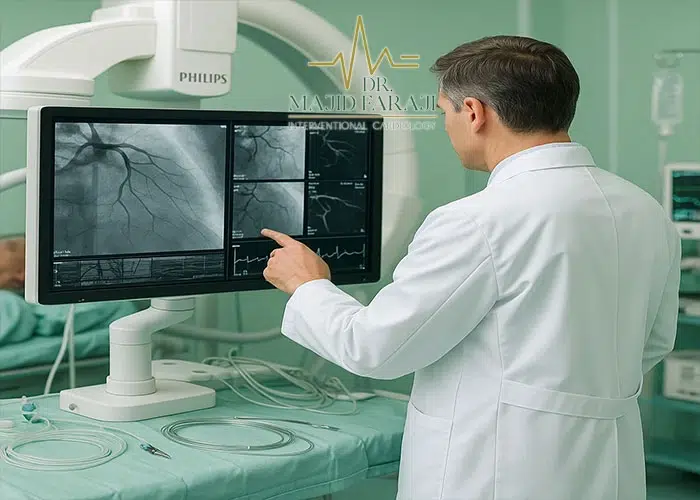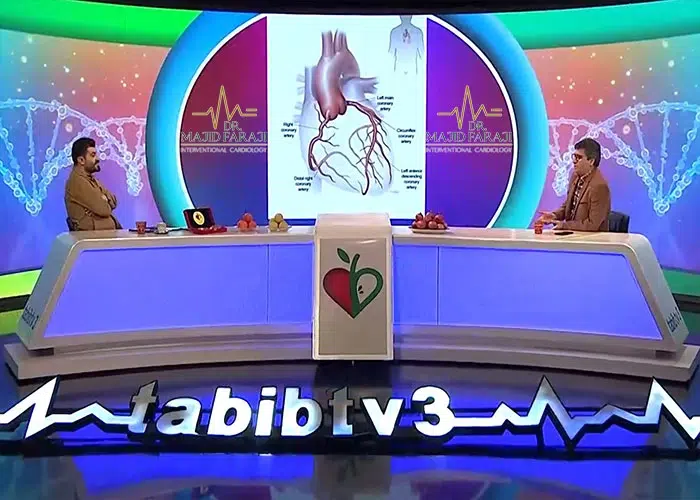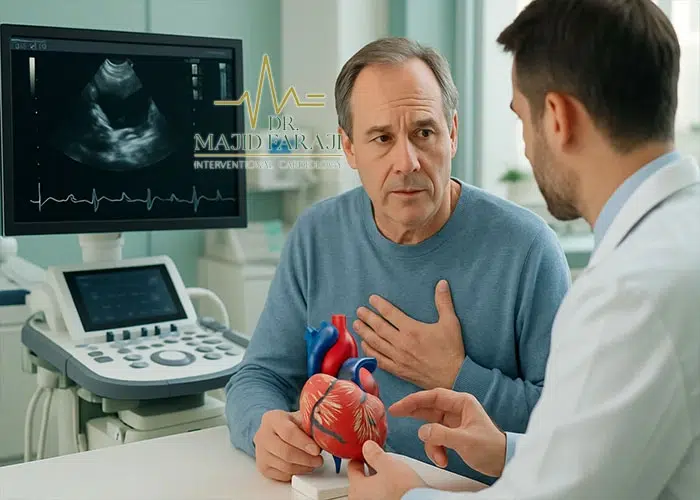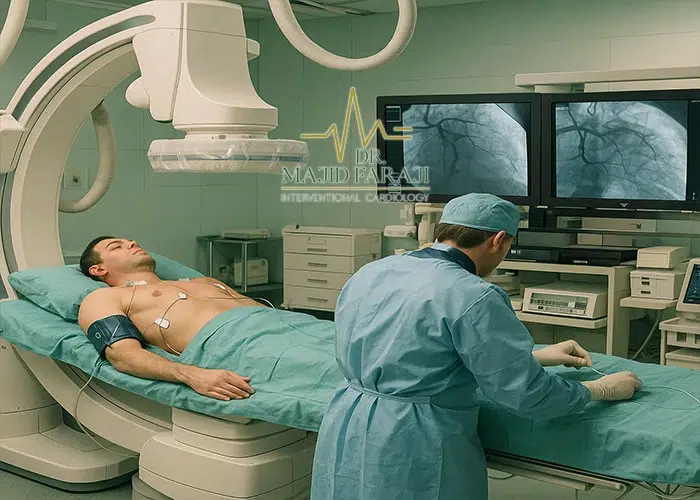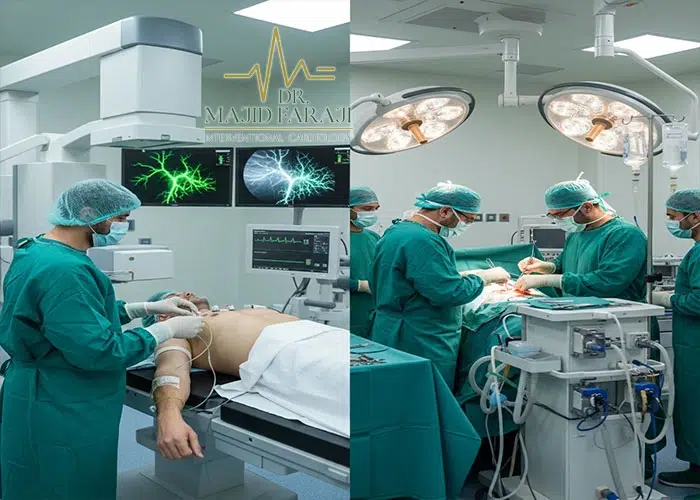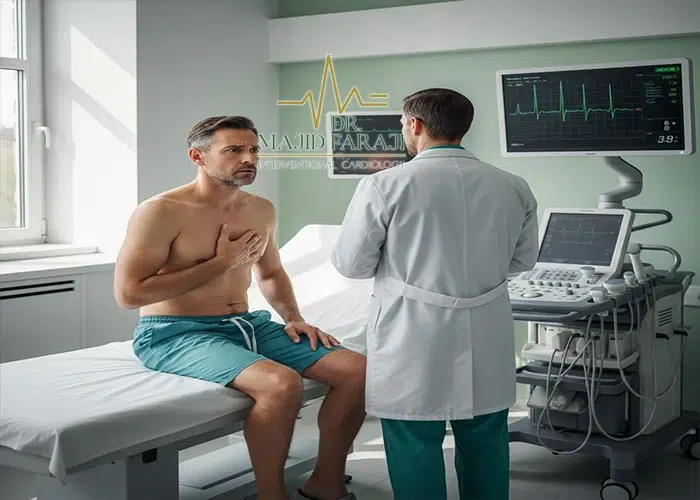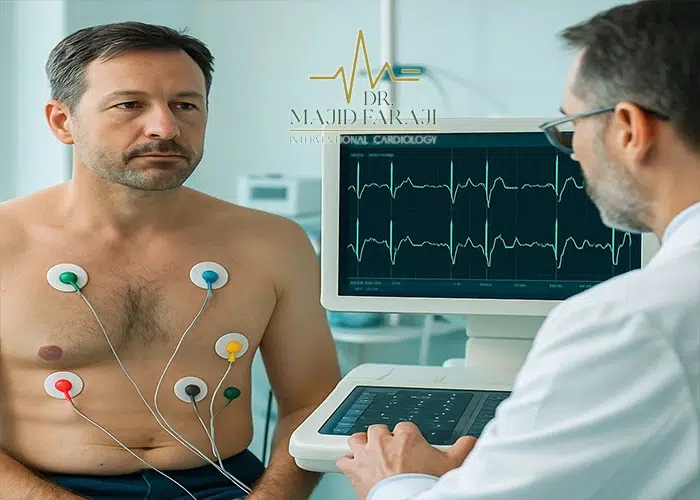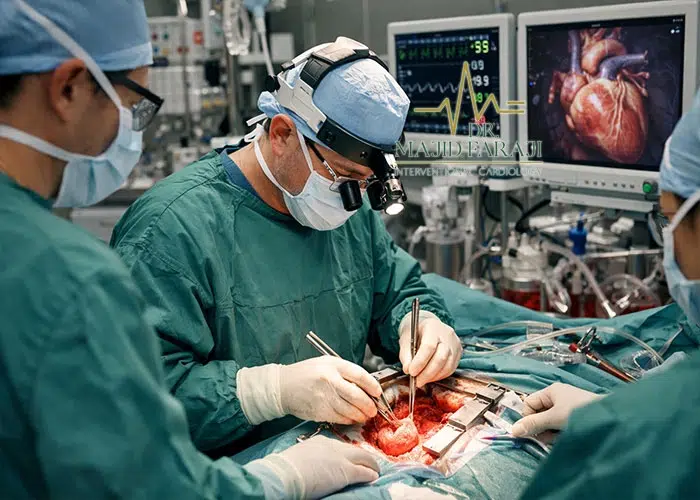


Open heart surgery is one of the most well-known therapeutic interventions in modern medicine. A practice that, in many cases, marks the line between continuing a quality life and developing a serious heart disease. About 2 million people in the world undergo this surgery every year, and clinical experience has shown that if the patient and treatment team are selected correctly, the results are permanent. It can be said that in Treatment of valvular heart diseases, select The best method of heart scanning plays a decisive role in accurate diagnosis, surgical planning and increasing the chance of treatment success.
Open-heart surgery is a type of heart surgery that involves opening your chest wall so a surgeon can reach your heart more easily. It's a way surgeons can reach your heart directly and treat the heart issue you have.
Open heart surgery is a type of heart surgery in which the chest wall is opened so that the surgeon can directly access the heart and treat the heart problem.
action What is open heart and how is it done?
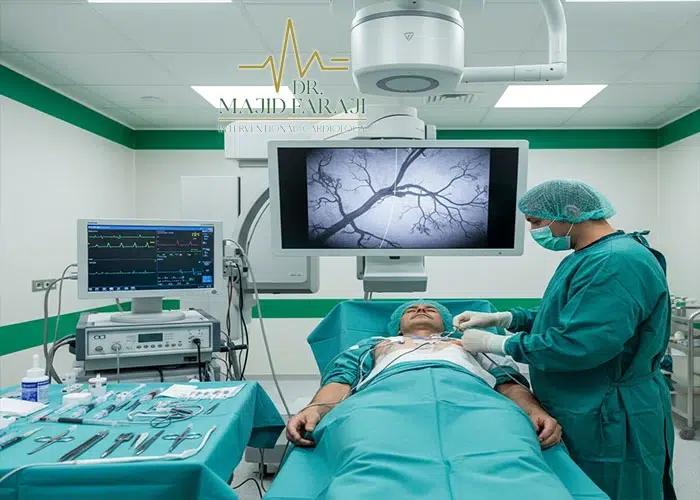
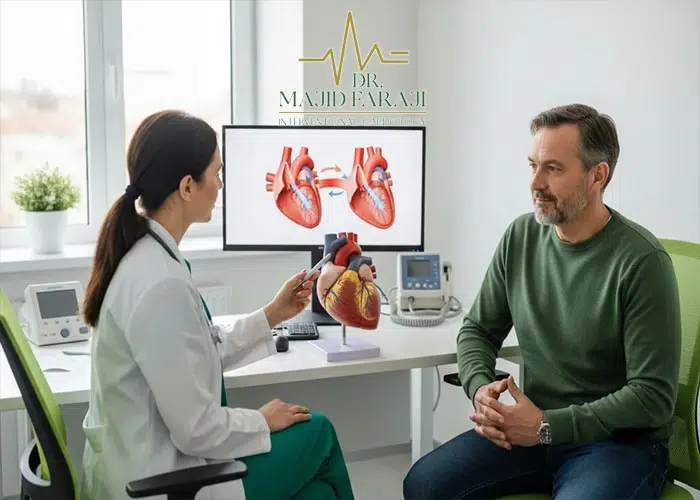
Open heart surgery is a procedure in which the surgeon gains direct access to the heart by making an incision in the chest and opening the sternum. This method is chosen when drug treatments, angiography or minimally invasive methods are not responsive. In such a situation, referring to best doctor for heart palpitations will help to correctly diagnose the root cause. be given and the most suitable treatment path is chosen.
The operation of open heart is done with different purposes, among the most important of which we can mention the following:
- Treatment of advanced coronary artery diseases
- Repair or replace defective valves
- repair of birth defects
- Saving patients with severe heart failure
Open heart surgery does not have only one form and is performed in different forms depending on the patient's condition:
- Coronary artery bypass grafting (CABG)
- Replacement or repair of heart valves
- repair of congenital heart defects
- Heart or aortic aneurysm repair
- heart transplant
- Operation of devices such as LVAD or pacemaker
Action How is an open heart performed? (General steps)
The surgical process usually proceeds as follows:
- Full general anesthesia
- Creating a 15-20 cm incision in the middle of the chest
- opening the sternum
- Connecting to the heart-lung machine (in the pump method)
- make the necessary corrections on the heart
- reset heartbeat
- Closing the sternum with permanent wires
- Suture of muscle and skin layers
How many hours does open heart surgery take?
Depending on the type of operation, the condition of the patient and the number of procedures performed, the surgery time is usually 3 to 6 hours.
Methods Performing open heart surgery
Choosing the method of performing open heart surgery depends on the type of heart disease, the patient's general condition and the surgeon's diagnosis, and each of these techniques is designed for specific situations.
Surgery with pump (On-Pump)
In this method, the heart is temporarily stopped and the heart-lung system takes over blood circulation. Most operations are performed with this technique.
Surgery without pump (Off-Pump)
The heart continues to beat during surgery. This method is mostly used in coronary artery bypass and is not suitable for all patients.
Dr. Majid Faraji With extensive clinical experience in both methods, after carefully examining the patient's condition, he chooses the safest surgical technique so that the risks are minimized and the treatment results are stable.
Benefits of open heart surgery
Despite the progress of minimally invasive methods, open heart surgery is still considered the best and most definitive treatment for many patients, and its benefits are clearly visible in the long term.
- Long track record and predictable results
- Significant reduction of disease symptoms
- Increasing the power of daily activity
- improving heart function
- Increasing life expectancy after open heart surgery in suitable patients
Open heart surgery, like any other major operation, has risks that we have mentioned below:
common side effects
- bleeding and wound infection
- Irregular heartbeat
- chest pain and fever
- Temporary breathing problems
serious but less frequent side effects
- stroke
- heart attack
- kidney failure
- death
Probability of death in open heart surgery
This possibility depends on the age, underlying diseases and the urgency of the operation. In equipped centers, the mortality rate is usually reported to be less than 2 to 3%.
cares After open heart surgery
The period after surgery is as important as the operation itself, and strict adherence to medical recommendations makes the recovery process faster.
Primary care in the hospital
- Admission in ICU for 1 to 3 days
- Continuous heart and breathing monitoring
- Early start of walking and breathing exercises
care after open heart surgery at home
The recovery period usually lasts 6 to 12 weeks.
Main care tips:
- Gently washing the wound and keeping it dry
- Avoid lifting heavy objects
- Daily walking with gradual increase
- accurate use of prescription drugs
- following a low-salt and low-fat diet
Duration Anesthesia time after open heart surgery
Most patients come out of anesthesia within a few hours after the surgery, but it is normal to feel dizzy or sleepy for up to 24 hours.
If they follow care, modify their lifestyle and participate in cardiac rehabilitation programs, many patients will live an active and quality life for years.
cost Open heart surgery in 1404
The cost depends on various factors:
| Type of treatment center | Approximate cost range |
|---|---|
| Government Hospital | A few tens of millions of Tomans |
| Private Hospital | Up to several hundred million Tomans |
Basic insurances in government centers cover most of the cost, but in private hospitals, the patient's share is higher.
Symptoms Alert after discharge from open heart surgery
If you see the following, you should contact your doctor immediately:
- High fever or purulent discharge from the wound
- Severe shortness of breath
- New chest pain
- Sudden weakness or speech disorder
Summary
Open heart surgery is one of those treatments that bring the patient's life into a new phase. Although the surgeon's skill is very important, the continuation of the treatment path depends on the patient's commitment to care, regular medication and lifestyle changes. When these factors are combined, the chances of achieving a reliable result increase many times.
If you want to walk this sensitive path of treatment with confidence, being under the supervision of Dr. Majid Faraji, cardiologist, can be a safe starting point to return to a life be healthier.
Source: