
همانطور که میدانید قلب عضلهای مهم در قفسه سینه انسان است که وظیفه خونرسانی بهتمامی اعضای بدن را به عهده دارد. In each beat, the heart sends blood with oxygen and nutrients to other parts of the body and returns waste materials. Sometimes, for various reasons, the human heart rate rises and beats harder than normal. In this situation, the person hears his heartbeat and feels vibrations in his chest or throat area, which can be worrying for the person. The normal heart rate of people after the age of 10 is between 60 and 100 beats per minute; But sometimes, due to various factors such as caffeine consumption, stress, pregnancy, alcohol consumption, etc., the heart rate of a person may increase temporarily and return to its original state after a short period of time. Now the question arises, what is the cause of high heart rate, when is heart palpitations in young people dangerous, what is a high heart rate a sign of, and when is heart palpitations dangerous and needs to be referred to a cardiologist. If you are also facing questions like this, stay with us in the rest of this article to examine the symptoms of heart palpitations and the cause of high heart rate in some people.
Symptoms of heart palpitations
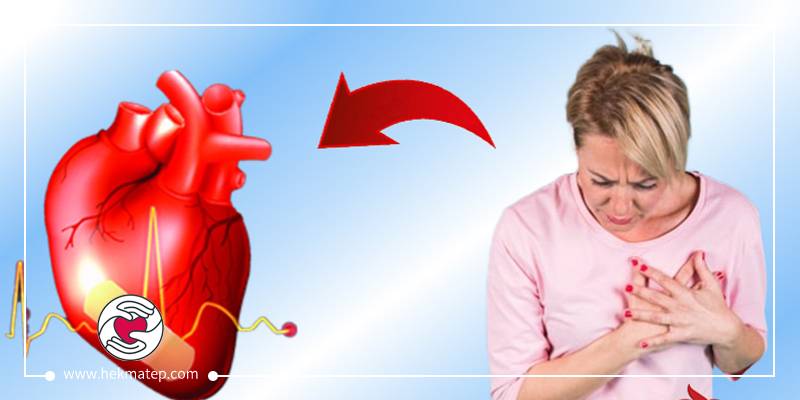
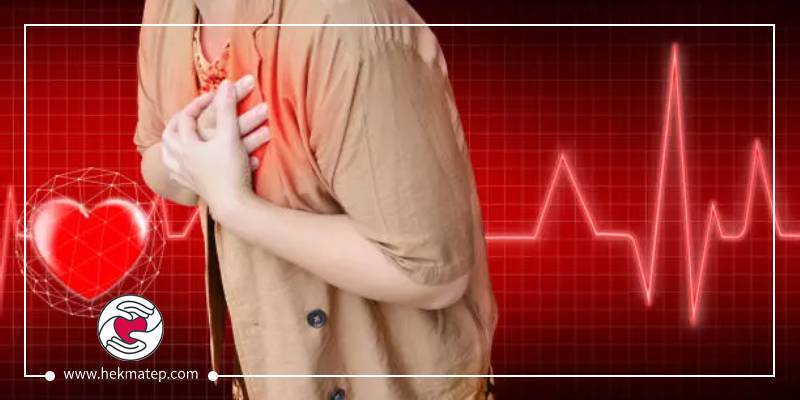
Heart beat or palpitations is a type of heart disease caused by high heart rate. If your heart rate increases continuously and frequently, it may be a sign of heart disease, anemia, or thyroid disorders. Therefore, if you have palpitations, be sure to see a cardiologist to find out the reason for your high heart rate. Remember that the symptoms of heart palpitations are not the same in all patients.
For example, a person who suffers from heart palpitations due to anemia faces symptoms such as fatigue, weakness and paleness; But palpitations caused by heart diseases are associated with symptoms such as anesthesia, heart failure and cardiac arrest. Of course, usually the cause of increased heart rate is not dangerous cardiovascular diseases and it improves with timely treatment. If your sudden heart palpitations are accompanied by the following symptoms, be sure to see a cardiologist:
- Feeling dizzy and lightheaded
- shortness of breath
- breathing problems
- Unusual sweating
- Feeling pain and pressure in the chest, arm, jaw or upper back area
Types of heartbeats
As we said, the cause of high heart rate can be various diseases; For this reason, heart palpitations are divided into different types based on the cause and the part of the heart affected by the disease. In the following, we will introduce the types of heartbeat and its characteristics:
Atrial fibrillation
Atrial fibrillation occurs when irregular electrical impulses cause the ventricles of the heart to contract instead of pumping blood to the body's organs. If the person's heart is not revived with an electric shock device within a few minutes after atrial fibrillation, it may cause the patient's death. Atrial fibrillation usually occurs before and after a heart attack and is one of the most common types of cardiac arrhythmia. Note that atrial fibrillation is more common in patients who have experienced serious trauma or are dealing with major heart problems.
Rapid supraventricular beats
Another type of heart palpitations is supraventricular rapid heartbeat, which originates somewhere above the ventricles. Tachycardia is an abnormal heartbeat that is usually present at birth and is caused by abnormal circuits in the heart. The cause of the high heart rate in this type of heartbeat is the creation of a loop of overlapping signals. Remember that episodes of rapid palpitations, or the period of time when the heart palpitations occur, are usually a few seconds long. If the duration of fast and throbbing episodes is more than a few seconds, you must definitely call the emergency room; Because it can be a medical emergency.
Atrial flutter
Atrial flutter occurs in the atrium of the heart and is considered a type of arrhythmia or irregular heartbeat. Atrial flutter occurs when a misalignment in the heart muscle causes the atria to beat faster. In other words, the cause of atrial flutter is the circulation of the electrical pulse on the upper chamber of the heart on the right side. In atrial flutter, the contractions occur in succession, for this reason, the atria of the heart cannot be filled with blood at a sufficient speed. In addition, the atria also cannot discharge enough blood inside the ventricles at a certain time. This type of heart palpitations can cause irreversible complications such as permanent disability, stroke and even death.
What is a dangerous heartbeat?
Previously, we discussed the cause of high heart rate and types of heart palpitations. Now we are going to look at the number of abnormal heartbeats that can be a sign of disease. When you are resting, your heart rate is between 60 and 90 beats per minute. If a person's heart rate is below 60 (bpm) or above 120 to 140 (bpm), his heart condition is not favorable and can be dangerous. Therefore, the patient in this situation needs the quick intervention of a specialist doctor. Of course, the heart rate is not the same in all people. For example, the heart rate of some athletes reaches 40 beats per minute at rest.
Who does high heart rate affect?
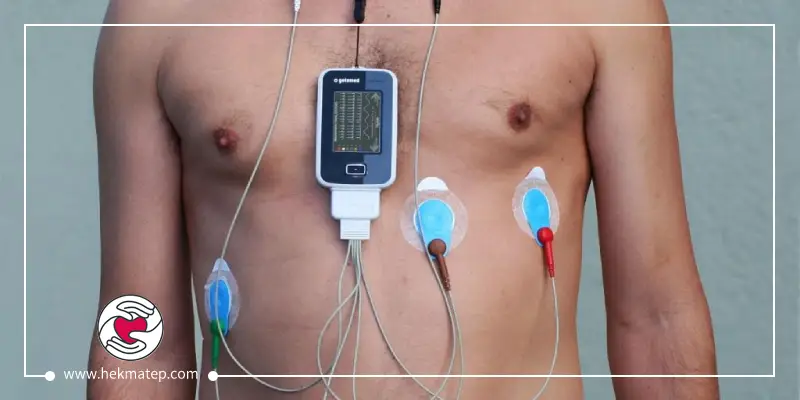
Every human's heart rate changes during the day in response to physical activities, excitement and stress, which is completely normal and is nothing to worry about. Sudden heart palpitations is a concern when you are constantly dealing with this problem. Consult a medical professional if you are concerned about your irregular heartbeat. In this situation, the specialist doctor will take an ECG from you to find out the reason for your high heart rate. Common causes of sudden heart palpitations include:
- Smoking
- High blood pressure
- Diabetes
- alcohol consumption
- Drinking too many caffeinated drinks
- Side effects of taking some drugs Congenital heart diseases Hyperthyroidism Anemia
Treatment of high heart rate
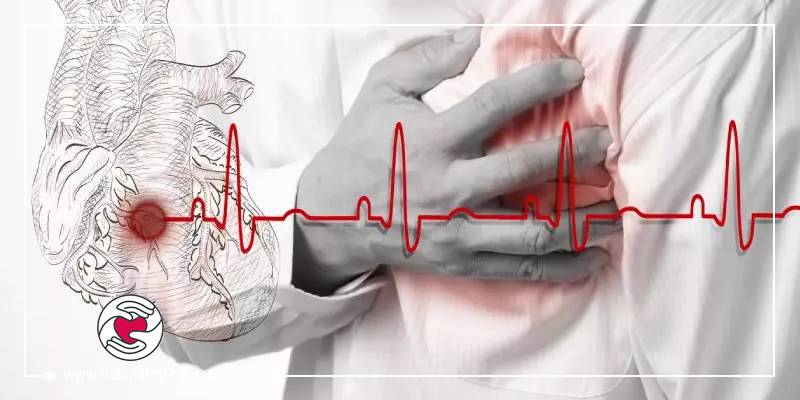
As we said, high heart rate is usually not dangerous and rarely needs treatment; But it is still necessary to go to a specialist doctor to identify the cause of high heart rate so that he can diagnose the cause of your illness after the necessary examinations and various tests. There are several reasons for high heart rate. Therefore, their treatment methods are also very different. For example, if you go to a cardiologist to diagnose the cause of your high heart rate and he determines that the cause of your heart palpitations is increased blood pressure, the onset of menopause, thyroid or hormonal changes, he will refer you to specialist doctors in this field to continue the treatment process. In addition, sometimes the cardiologist doctor recommends therapies such as Valsalva maneuver and vagus nerve stimulation to treat high heart rate. If the cause of the high heart rate is an external stimulus, there is no need to use medicine and you only need to observe the following points:
- Life style change
- Doing sports activities
- control of stress and emotions
- Removing factors such as alcohol, caffeine and smoking
- Avoid the use of illegal drugs such as amphetamine and cocaine
- Drink enough water
Medications for heart palpitations
To prescribe heart palpitation medicine, the specialist doctor first checks the type of arrhythmia and its possible complications and then prescribes the necessary medicines. Remember that some heart arrhythmias do not require treatment. Therefore, to identify the cause of your high heart rate, consult a specialist doctor and refrain from arbitrarily taking the drugs that we will introduce to you separately. Medicines that are usually prescribed by specialist doctors to treat heart palpitations include the following:
ACE inhibitor: Enalapril maleate, Fesinopril and Lisinopril are among the group of ACE inhibitor drugs that are used to treat heart palpitations. ACE inhibitors reduce blood pressure and cardiac resistance. In this way, the heart can easily remove the blood from the heart.
Beta blockers: Beta blockers reduce the heart rate and do not allow the heart rate to increase with physical activity. Atenolol, propranolol and metoprolol are among beta blockers.
Calcium channel blockers: Diltiazem and Verapamil are among the drugs of the calcium channel blockers group that a cardiologist prescribes to a patient after finding the cause of high heart rate. This drug group increases the flow of blood and oxygen to the heart.
Anti-anxiety drugs: If the high heart rate is caused by anxiety and stress, a specialist doctor may prescribe you anti-anxiety drugs such as alprazolam (Xanax) and lorazepam. Avoid taking anti-anxiety pills before doing activities such as driving that require full alertness.
Last words
As we said, heart palpitations are usually not a sign of a dangerous disease; But if your heart palpitations are accompanied by symptoms such as dizziness, lightheadedness, shortness of breath, loss of consciousness, chest pain, and excessive sweating, you should call the emergency room immediately. Unfortunately, cardiovascular diseases kill many people worldwide every year. Therefore, it is necessary to know the symptoms of heart diseases and to see a cardiologist if any of them occur.
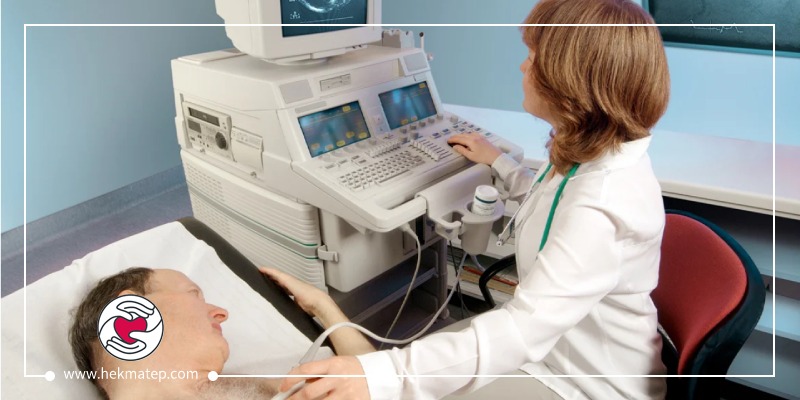
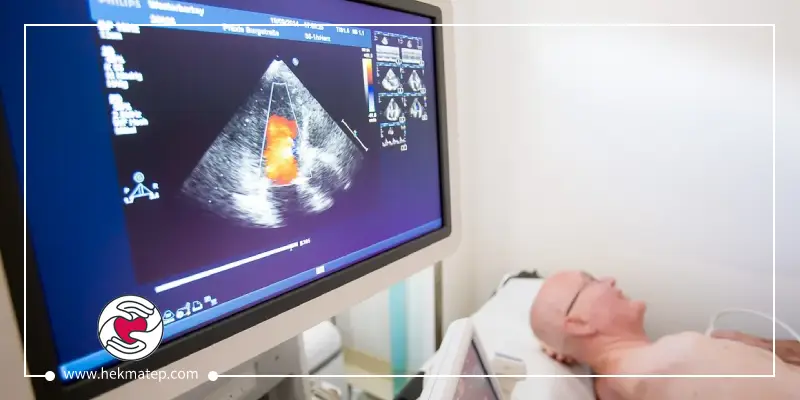
If you live in Isfahan and are looking for a cardiologist, you can book an appointment with the best cardiologist in Isfahan i.e. Dr. Mustafa Hekmat by visiting the appointment section of Dr. Hekmatep's website. کلینیک تپش با کادر مجرب و باسابقه خود آماده خدمترسانی بهتمامی بیماران عزیز و انجام تمامی آزمایشهای شما نظیر پیس میکر قلب در اصفهان، تست ورزش، نوار قلب، اکوکاردیوگرافی و نوار قلب است.