
هیستروسکوپی
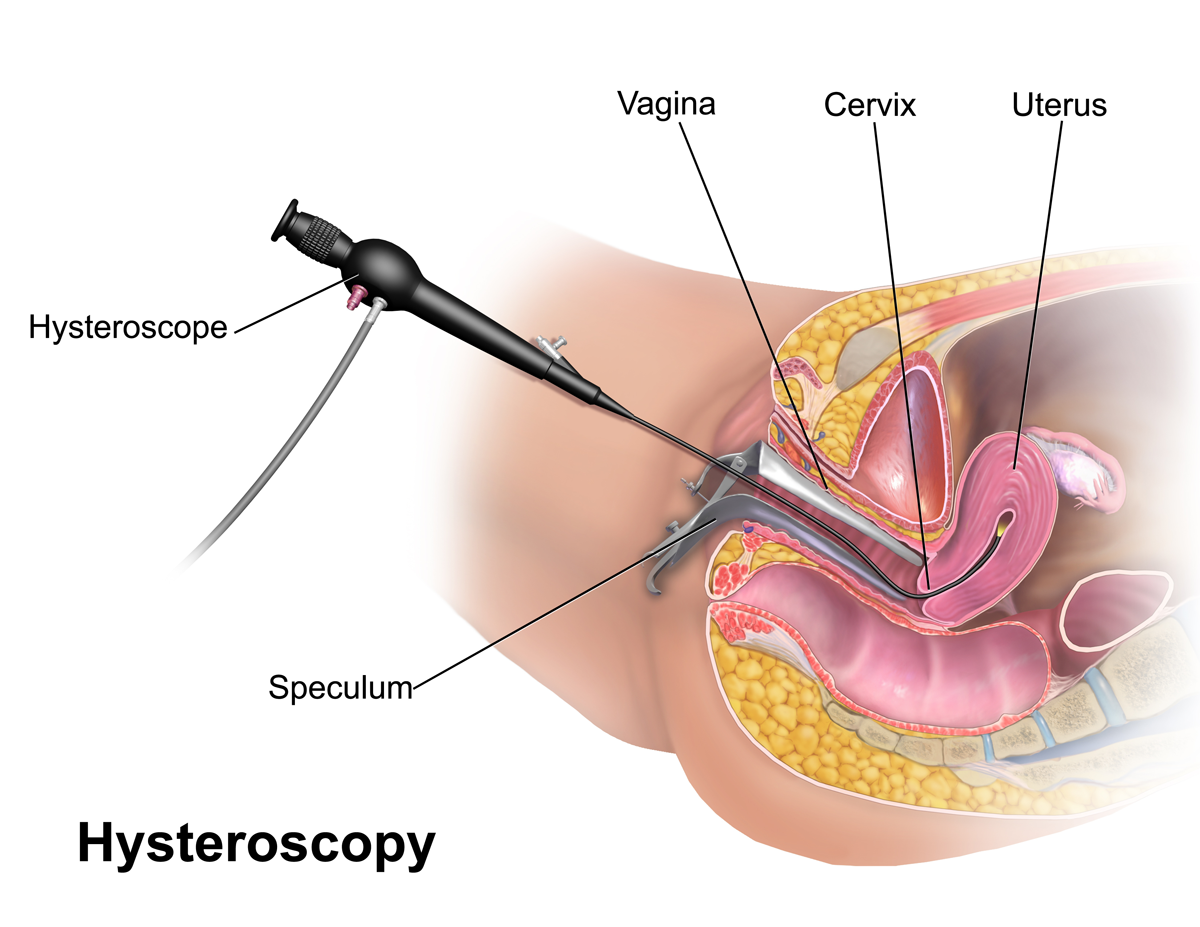
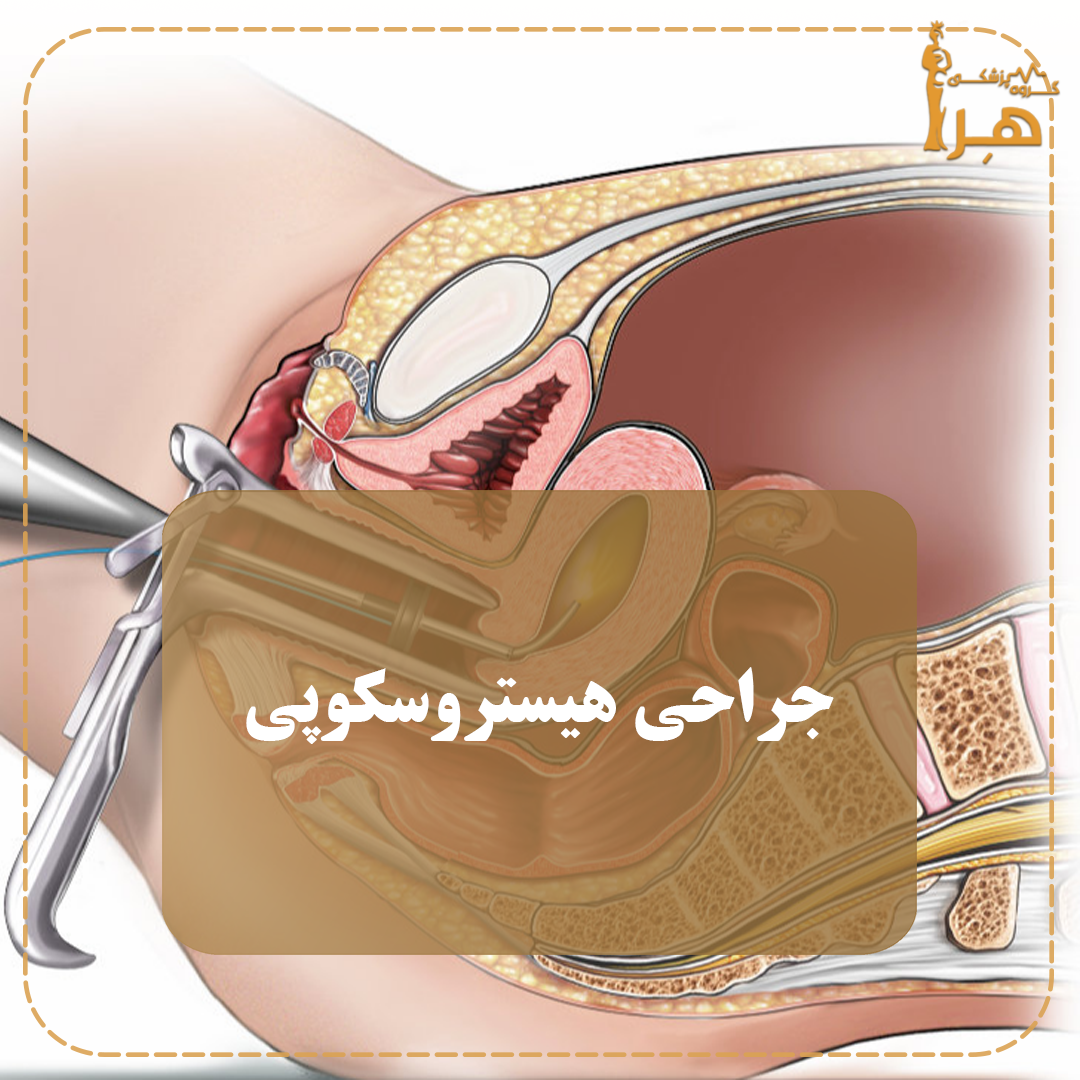
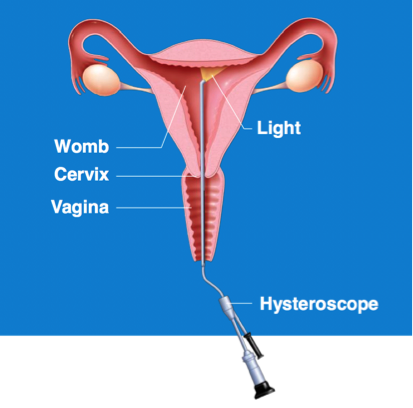
هیستروسکوپی نوعی آندوسکوپ، داخلی مجرایی است که از آن می توان برای کمک به تشخیص و درمان برخی از بیماری های داخل رحمی استفاده کرد. برطرف کردن چسبندگی های داخل رحم، خارج ساختن میوم های داخل حفره رحم( ساب موکوسل)، برداشتن سپتوم های داخل رحم از جمله مواردی است که با هیستروسکوپی قابل انجام می باشد . In this method, the gynecologist enters the uterine cavity without an incision and with a hysteroscope that carries a camera and a light. class="wpb_column vc_column_container vc_col-sm-12"> In this method, the uterine cavity is evaluated and its purpose can be to obtain a sample of the endometrium (layer inside the uterus) or to identify structural abnormalities such as the uterine septum or local lesions such as adhesions, polyps or myomas. Diagnostic hysteroscopy helps to diagnose in the following cases: Abnormal and unexplained uterine bleeding Selective cases of infertility in case of abnormal vaginal ultrasound or unexplained infertility. Diagnostic hysteroscopy can be performed in the office or operating room on an outpatient basis, and in the following cases, hospitalization is required.Diagnostic hysteroscopy

If the hysteroscopy is of a therapeutic type, the surgical instruments enter the uterus through the hysteroscope and the surgery is performed. class="wpb_wrapper">
Benefits of hysteroscopy
- Short and no recovery time
- Prevention of stomach opening
- Short-term package
Risks of diagnostic hysteroscopy
The risk of diagnostic hysteroscopy is small and its complications rarely result in serious consequences. Uncommon side effects include uterine perforation, bleeding, and side effects related to anesthesia and dilators. After diagnostic hysteroscopy, most patients experience mild vaginal bleeding and sometimes shortness of breath. The patient should be encouraged to have a friend or relative with them to accompany them home.
Dangers of therapeutic hysteroscopy
The risk of hysteroscopic surgery is greater than the risk of diagnostic hysteroscopy and includes risks related to anesthesia, uterine perforation, bleeding, air embolism, infection, and complications related to dilators, injuries to the intestines or It is Edra's channels. class="vc_row wpb_row vc_row-fluid">
How to perform hysteroscopy
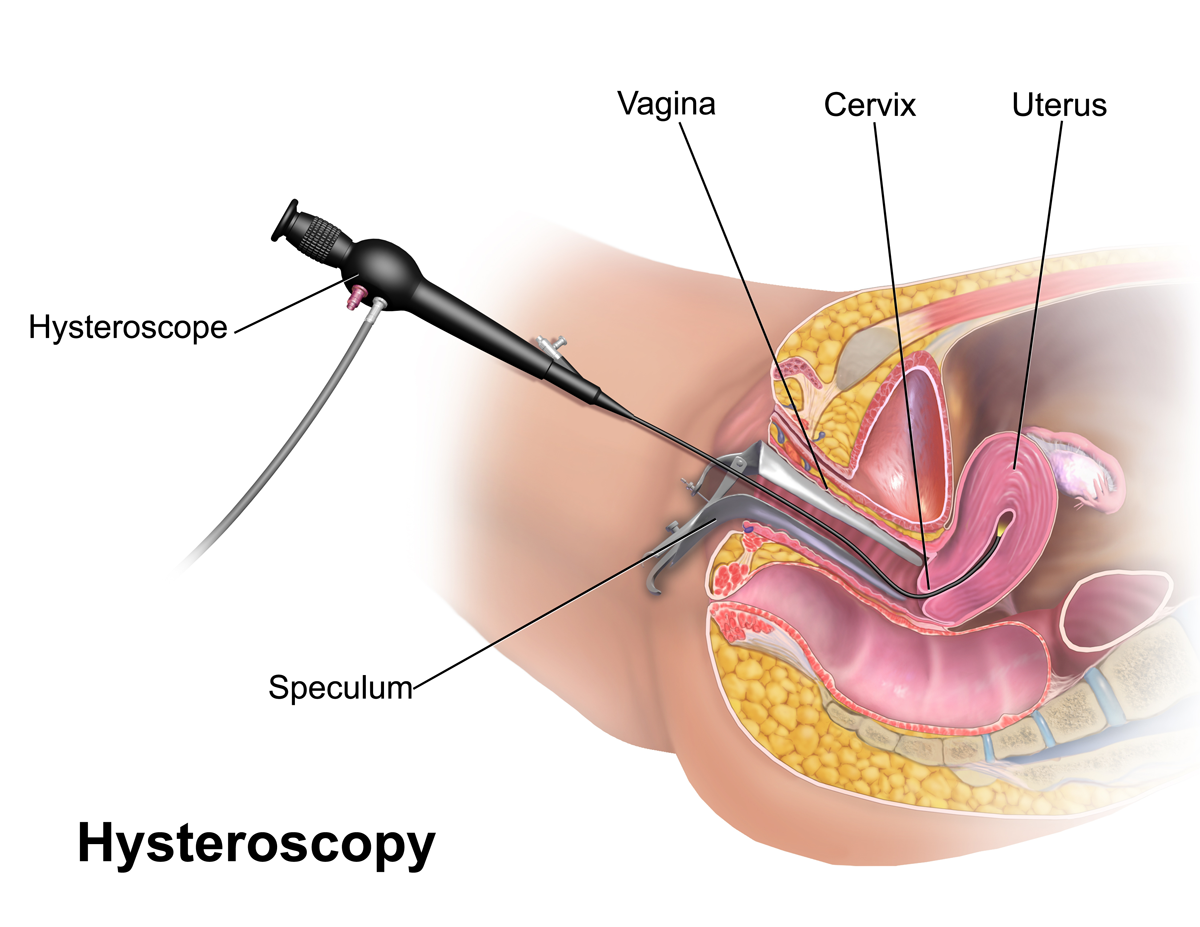
Hysteroscopy operation is performed as an outpatient in the office with local anesthesia or in the operating room with full anesthesia. After anesthetizing, the vagina is washed with antiseptics, the oesoculum is passed, and after dilating the cervix and uterus, the hysteroscope enters the uterine cavity through the vaginal canal and cervix. To auscultate the uterus, carbon dioxide gas or liquids such as mannitol or sorbitol are used, then light is shone into the uterus through the hysteroscope to observe the components inside the uterine cavity and uterine tubes. id="cz_17346" class="cz_17346 cz_image clr cz_image_no_fx center_on_mobile">