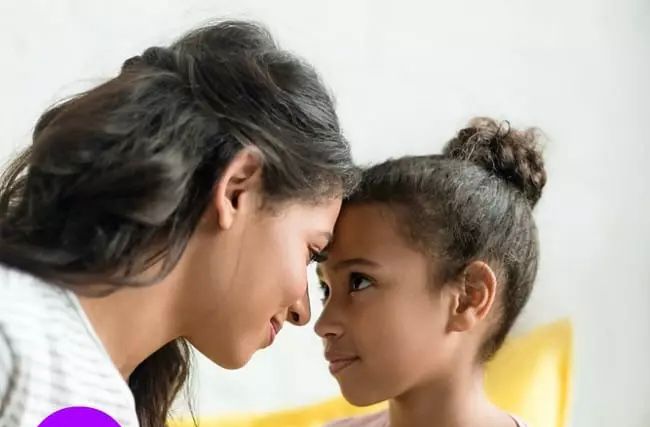

What is the importance of eye contact or eye contact in children?
- Does your child look into your eyes when talking?
- Is your child unable to look at you continuously?
- Does your child not make eye contact with new people?

Eye contact is one of the ways of communication between humans which is very important. تحقیقات نشان داده است که ارتباط چشمی در رشد ارتباطی و گفتاری کودکان بسیار تأثیرگذار است.
برای مثال، برخی مطالعات نشان دادهاند که کودکانی که مادرانشان از سنین پایین بیشتر به آنها نگاه میکنند، دارای توانایی بیشتری در فهمیدن احساسات دیگران و درک زبان بدن هستند.
همچنین، کودکانی که ارتباط چشمی بیشتری با افراد دارند ، توانایی تعامل بیشتری دارند و در صحبت کردن و ارتباط برقرار کردن با دیگران بیشتر موفق هستند.
به علاوه، تحقیقات نشان داده است که تماس چشمی میتواند در تقویت ارتباطات خانوادگی و افزایش اعتماد به نفس کودکان نیز مؤثر باشد.
در نتیجه، بهتر است که والدین و مربیان برای بهبود رشد ارتباطی و گفتاری کودکان، سعی کنند بیشتر با آنها ارتباط چشمی برقرار کنند و از تماس چشمی بهره بگیرند.
تحقیقات نشان داده است که ارتباط چشمی نه تنها برای کودکان بلکه برای افراد بزرگسال نیز بسیار مؤثر است.
به عنوان مثال، تماس چشمی میتواند در تقویت روابط اجتماعی و افزایش اعتماد به نفس کمک کند.
در مورد رشد ارتباطی و گفتاری کودکان، برخی مطالعات نشان دادهاند که تماس چشمی با کودکان، بهبود قابل توجهی در تواناییهای زبانی آنها ایجاد میکند.
به عنوان مثال، کودکانی که با مادران خود ارتباط چشمی بیشتری دارند و بیشتر به آنها نگاه میکنند،

درگیر مکالمات بیشتری هستند و بیشتر به سوالات پاسخ میدهند.
همچنین، تماس چشمی میتواند به کودکان کمک کند تا احساسات دیگران را بهتر درک کنند، مطالعات نشان دادهاند که کودکانی که از سنین پایین بیشتر به مدرسان نگاه میکنند، دارای توانایی بیشتری در فهمیدن احساسات دیگران هستند.
از طرفی، تماس چشمی میتواند به کودکان کمک کند تا به مهارتهای ارتباطی بیشتری دست یابند و روابط بهتری با دیگران برقرار کنند.
در مطالعات صورت گرفته، نشان داده شده است که بچههایی که تمایل بیشتری به برقراری تماس چشمی دارند، مهارتهای زبانی و ارتباطی بهتری دارند و به طور کلی، بهتر در محیطهای اجتماعی عمل میکنند.
چه کسانی در برقراری تماس چشمی مشکل دارند؟
- کودکانی با اختلال اوتیسم.
- اختلال توجه و بیش فعالی.
- آسیب های نورولوژیک.
- وجود مشکلات بینایی، مانند کاهش دید.
- مشکلات اعتماد به نفس.
- ویژگی های فرهنگی.
دلایل مختلفی می تواند باعث مشکل در برقراری ارتباط چشمی شود.
برای مثال، بعضی از کودکان ممکن است به دلیل اختلال در توجه، اضطراب، خجالت یا شرایط دیگری، مشکل در برقراری تماس چشمی داشته باشند.
همچنین، بعضی از کودکان با اختلالات تواناییهای اجتماعی مانند اختلال اوتیسم، ممکن است در برقراری تماس چشمی مشکل داشته باشند.
به طور کلی، برقراری تماس چشمی یک مهارت اجتماعی است که نیاز به تمرین دارد و برخی کودکان نیاز دارند تا این مهارت را با تمرین و تلاش بهبود بخشند.
کودکان در چه سنی قادر به برقراری ارتباط چشمی هستند؟

برخی منابع میگویند که کودکان حتی از سن ۲-۳ماهگی قادر به برقراری تماس چشمی با دیگران هستند. At this stage, children are usually well able to focus on the faces and facial features of others and naturally look towards the other person's face.
However, at this stage, making eye contact is not yet conscious and will improve over time with practice and experience.
Eye contact starts consciously in children from 4 to 8 months of age. From 7 to 12 months of age, joint attention takes place, at this stage the child can follow the parents' gaze and pay attention to the same object or person that the parents are looking at.
This skill improves during the first years of a child's life and is almost complete at the age of 3 years. At this stage, children are usually good at making eye contact with others and keeping their gaze on the other person for a long time.
Next, the skill of making eye contact improves again and over time, children are able to make eye contact with others in different and more challenging situations. It should be noted that each child may develop eye contact at a different age, and these skills may be acquired at a younger or older age for children.Stages of making eye contact in children:
Making eye contact is a social skill that children must learn over time. Below are the steps to make eye contact in children:
1- Let the child look into your eyes:
This step is very important. In order for the child to be able to interact with you, he must look into your eyes.
2- Responding to the child's gaze:
At this point, you should respond to the child's gaze. That is, by looking into the child's eyes, tell him that you understand him.

3- Encouraging the child to make eye contact:
You can play with your baby and encourage him to look into your eyes.
For example, you can encourage him to look at you by pointing to your eyes and playing with your fingers in front of his eyes.
4-Games to establish eye contact:
You can use simple things like rotating games for your child to look into your eyes.

In general, to make eye contact in children, it is very important to practice, encourage and respond to the child's gaze.
Also, it should be noted that every child may be different in making eye contact and different methods and exercises are needed for each child.
In the next section, the exercises that can help the child establish eye contact at each stage are described.
Some of the toys that you can use to improve eye contact can be seen in the following images:


What are the ways to improve eye contact in children?
1- Ask the children to look at you with their eyes:
You can ask children to look you in the eyes and talk to them. For example, you can play a game with him and tell him that you are looking for his eyes.

2- Talk to him and communicate with him:
Talking and interacting with children can help strengthen their eye contact. When you talk to children, look them in the eye and communicate with them.
3- Play interactive games:
Games such as talking, playing with cats or dogs, playing with beads, and playing with things like balls can help promote eye contact in children.

4-Use images:
You can use images where the eyes of the characters are looking directly at the child. For example, you can give children books with interesting and attractive pictures to play with.
5- Stimulating children's attention:
To stimulate children's attention to your eyes, you can use attractive objects. For example, you can play with a beautiful candlestick and attract children to your eyes.
6- Presentation of concentration exercises:
You can give the kids exercises that will help them focus and make eye contact. For example, you could tell them to focus on a candlestick or an image and report back to you what they saw.
7-Using different games:
There are various games that help strengthen children's eye contact.
For example, you can play games like making eye contact with dolls or games with eye-catching pictures.
For example, you can encourage eye contact by looking into your child's eyes and pointing at objects. همچنین، با بازیهایی مانند “دالی” میتوانید بچههای خود را به تماس چشمی یا ارتباط چشمی تشویق کنید.

۸-تمرینهای تنفسی:
تمرینهای تنفسی میتوانند به کودکان کمک کنند تا بهتر تمرکز کنند و تماس چشمی بهتری داشته باشند.
مثلاً میتوانید به آنها بگویید که نفس عمیق بکشند و تمرکز خود را به چشمان شما بیاورند.
۹-تحریک حس لامسه:
برای تحریک حس لامسه در بچهها، میتوانید از اشیاء نرم و لطیفی استفاده کنید.
مثلاً میتوانید به آنها یک عروسک نرم بدهید و از آنها بخواهید که با آن بازی کنند و به چشمان شما نگاه کنند.
با استفاده از این راهکارها و تمرینها، میتوانید به تقویت تماس چشمی در بچهها کمک کنید.
به طور کلی، برای تقویت تماس چشمی در بچهها، میتوانید از روشهایی مانند بازی، صحبت کردن و ارتباط برقرار کردن و تصاویر استفاده کنید.
والدین گرامی لازم است کودک شما توسط گفتاردرمانگر مورد ارزیابی قرار گیرد اگر کودک شما در برقراری ارتباط چشمی ضعف دارد یا موقع صحبت کردن به شما نگاه نمیکند،یا قادر به تعقیب یک شی به صورت پیوسته نیست….«تیم تخصصی آبا» با کادری مجرب و متعهد مشاورات لازم را در این زمینه به شما میدهد تا بتوانید شاهد تغییرات کودک خود باشید.آیندهی کودک شما برای ما مهم است.
کلید واژه؛تماس چشمی، ارتباط چشمی، اوتیسم، رشد زبان