
دوران شیردهی یکی از حساسترین و ارزشمندترین مراحل زندگی هر مادر است؛ A period in which proper nutrition and a healthy lifestyle not only preserves the mother's health, but also plays a direct role in the development and strengthening of the baby's immune system. In this regard, the presence of specialists such as Dr. Mahshid Karimi, obstetrics and gynecology specialist, doubles the importance of raising awareness about proper nutrition during this period. The mother's body needs more energy, vitamins, and nutrients to produce sufficient and high-quality milk, and following nutritional tips can prevent fatigue, nutritional deficiencies, and physical problems. In this article, we try to review the important points of breastfeeding mothers' nutrition in a simple and practical way, so that dear mothers can take care of themselves and their beloved children with more peace and confidence.

importance of nutrition of nursing mother
Mother's nutrition during breastfeeding is a vital and decisive issue for the health of both - mother and baby. The composition of mother's milk is directly influenced by her nutrition. For this reason, whatever the mother consumes can shape the baby's brain, physical, immune and mood development. The importance of feeding a nursing mother is:
- Provide nutrients for the baby: Vitamins, protein, useful fatty acids, calcium and iron enter the baby's body through milk.
- Effect on the child's brain development and intelligence: Omega-3 fatty acids and group B vitamins play a very important role in the development of the baby's nervous system.
- Strengthening the baby's immune system: The quality of breast milk can reduce the possibility of contracting diseases and infections.
- Maintaining the mother's health and energy: The mother's body consumes about 500 extra calories daily to produce milk. In case of improper nutrition, the mother suffers from weakness, hair loss, anemia, depression and chronic fatigue.
- Prevention of postpartum depression: Taking folic acid, magnesium, iron and vitamin D is very effective in calming the nerves and preventing depression.
- Effect on the amount of milk: Improper nutrition, stress and dehydration can reduce the volume of milk. On the contrary, proper nutrition increases and improves the quality of milk.
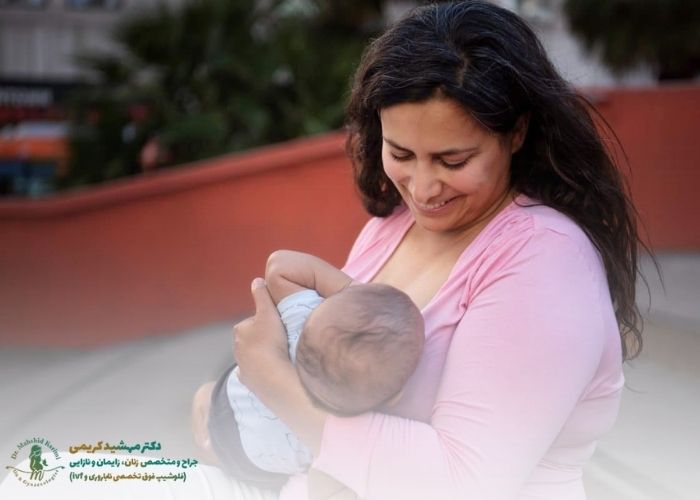
the effect of breastfeeding mother's nutrition on the child
Nutrition of a nursing mother not only guarantees her health, but also directly affects the physical and brain development of the child. The composition of mother's milk is strongly influenced by the food she consumes. Therefore, the quality of mother's nutrition is equal to the quality of milk and, as a result, the quality of the child's growth.
1. Brain development and child intelligence
Omega-3 fatty acids, B vitamins and iodine are necessary for the formation of nerve cells and brain development. If the mother does not receive these substances through nutrition, the possibility of slow brain development and reduced concentration of the child increases. Studies have shown that children whose mothers had healthy nutrition showed higher intelligence and better cognitive skills in later years.
2. Strengthening the immune system
Mother's milk contains antibodies and defense compounds. But this defense system depends on vitamin C, zinc, iron and enough protein in the mother's body. If these substances are not enough in the mother's diet, the child will catch more colds or may suffer from gastrointestinal infections. Also, allergic or skin reactions are more common in children.
3. Physical growth and weight gain
The quality of breast milk determines the monthly weight gain of the baby. Feeding a nursing mother causes:
- More caloric milk should be produced
- Bones grow better
- The weight of the baby will increase well
Deficiency of protein, calcium, iron or vitamin D → slow growth and low weight of the child
4. Child's mood and sleep
Mother's nutrition, especially in the first three months, can affect the child's behavior.
For example:
| The factor in the mother | Effect on the child |
| Consumption of coffee and caffeine too much | Restlessness and insomnia of the baby |
| Omega 3 and magnesium deficiency | Anxiety and crying Too much |
| Consumption of industrial sweets | Child's mood swings |
| Dehydration of the mother | Decreased milk → insomnia and restlessness |
5. The formation of the child's future eating habits
Research has shown that flavors are transferred to the baby through breast milk. If the mother eats fruits, vegetables and healthy food, the child will accept them more easily in the future. On the contrary, consuming industrial and sugary foods may make the child accustomed to unhealthy foods.
6. Prevention of future diseases
The quality of mother's nutrition during breastfeeding can reduce the possibility of some diseases in the future:
- Type 2 diabetes
- Excessive obesity
- Learning disorders
- Allergy and asthma
- vision or bone problems
Nutrition of a nursing mother in the first three months of breastfeeding
The first three months of breastfeeding are one of the most sensitive periods for mother and baby. At this time, the mother's body is recovering after giving birth, and the composition of the milk is gradually stabilized. For this reason, the type of nutrition of a nursing mother should be managed month by month in order to maintain the health of the mother and the development of the baby in the best way.

Nutrition of a nursing mother in the first month
The first month of breastfeeding is actually a period of restoration, recovery of physical strength and adaptation of the body to new conditions. At this time, it is better to feed a nursing mother consisting of healthy foods, but at the same time light and digestible; Foods such as barley soup, simple soup, almond milk, low-fat broth, half-boiled eggs, and cooked vegetables can provide the energy needed by the body without causing bloating. Water consumption is very important during this period and it is usually recommended to drink at least eight to ten glasses of fluids a day. On the other hand, flatulent foods such as cabbage, peas and spicy spices should be limited so that the baby does not suffer from heartache and restlessness. Also, according to the doctor's opinion, it is necessary to take supplements such as iron, folic acid, vitamin D and multivitamins for breastfeeding. The most important point is that you should not start a weight loss diet in the first month, because the body needs enough energy to repair and produce milk.
Nutrition of a nursing mother in the second month
In the second month, milk production reaches a relatively stable state, and the mother must have nutrition that increases the quality of milk and provides her daily energy. Foods such as low-fat meat, chicken, fish, steamed vegetables, yogurt and low-salt homemade buttermilk can be included in the food plan. The use of fruits such as apples, bananas, pomegranates and grapes are also energy-generating and play a role in strengthening the baby's immune system. In this month, consuming nuts in a limited way (for example, four to five almonds or walnuts per day) is useful and can be effective in increasing the quality of breast milk. Due to the increased need for energy, it is also recommended to consume sources of B vitamins such as lentils or whole grains, as they can help improve mood and reduce feelings of fatigue. If the mother is allowed according to the doctor's opinion, it is appropriate to do light sports such as walking or light stretching during this period and it will help to relieve the feeling of heaviness and stress.
Nutrition of a nursing mother in the third month
In the third month, the mother's body gradually approaches the normal state and many mothers feel that they have more energy. At this time, the diet can be brought closer to the normal model; However, milk quality is still very important and nutrient intake should not be reduced. Sufficient protein through chicken, fish and legumes should be included in the daily diet. Using colored vegetables such as carrots, beets or sweet peppers and consuming at least three units of fruit per day can enrich the composition of breast milk. Drinking water before breastfeeding is also one of the important recommendations of this period, because dehydration of the mother's body quickly reduces the volume of milk. Some mothers tend to lose weight in this month, but this should be done slowly and without strict diets; Because restrictive diets can reduce the quality and volume of milk and ultimately cause the mother to be weak and the baby restless.
| Month of breastfeeding | Mother's body condition | Appropriate type of nutrition | Points to follow |
| First month | Body recovery period and adaptation to breastfeeding | Foods soft and nourishing foods such as barley soup, almond milk, simple soup, low-fat broth, half-boiled eggs | drink plenty of water (8 to 10 glasses), avoid flatulent food, do not start a slimming diet, take supplements as prescribed by a doctor |
| second month | increase the need for energy and stabilize milk | low-fat meat, chicken, fish, Steamed vegetables, energy-giving fruits, limited consumption of nuts (such as almonds and walnuts) | Receive B vitamins for mood, start light exercise (if approved by the doctor), avoid stress |
| Third month | The body approaches normal and the need to maintain the quality of milk | Normal nutrition but with an emphasis on protein, fruits and colored vegetables, drinking water Sufficient | Possibility of slow weight loss, adequate sleep, maintaining mental peace, avoiding strict diet and sudden calorie reduction |
List of flatulent-free foods for nursing mothers
One of the common concerns of mothers during breastfeeding is bloating and heartache in the baby. Although many foods are healthy, they may cause gas production in the mother's digestive system and this will affect the milk and then the baby. For this reason, choosing light, hearty and non-bloating foods can increase the quality of milk and keep the baby calm. Below is a list of suitable and low-bloat foods for nursing mothers.
Main dishes and light meals
Barley soup, vegetable soup, almond milk, wheat porridge or bulgur, low-fat broth, plain rice with cooked vegetables, and fully cooked lentils are among the best choices for breastfeeding mothers. Also, boiled or grilled chicken and steamed fish (twice a week) can be a good source of energy and protein without making the stomach heavy.flatulent vegetables
During this period, it is better to eat cooked vegetables. Carrots, lebu (cooked beets), zucchini, spinach, cooked potatoes, mushrooms, and celery are among the vegetables that are easily digested and are less likely to cause digestive irritation. Lettuce can also be consumed in limited quantities after meals.
For mothers who after Cesarean delivery They start breastfeeding, proper nutrition becomes more important; Because the body needs sufficient nutrients and a balanced diet to heal wounds, produce high-quality milk, and maintain daily energy.
Fruits suitable for nursing mothers
Fruits that are cooked or compote usually cause less bloating. Ripe bananas, apple compote, peach puree, pitted pomegranates and skinless cucumbers (in small quantities) are suitable options. In addition to providing vitamins, these fruits provide optimal energy for breastfeeding.
Protein sources without bloating
The best sources of protein in this period include half-boiled eggs, grilled or boiled chicken, salmon or trout, low-fat lamb and soaked beans. If the beans are soaked the night before and their water is changed several times, the possibility of bloating will be greatly reduced.
suitable snacks
To maintain energy and increase the quality of milk, snacks such as warm milk with dates, toast with fresh cheese, mashed potatoes, homemade low-salt yogurt or very mild tea of chamomile and fennel (with doctor's advice) can be consumed. Royal jelly is also one of the best enhancers, but its use must be under the supervision of a doctor.
Flat-free food table for nursing mother
| Food category | Suitable examples |
| Main dishes and light meals | Oat soup, vegetable soup, almond milk, wheat or bulgur broth, low-fat broth, plain rice with cooked vegetables, boiled chicken or Grilled, steamed fish |
| Low-bloated vegetables | Cooked carrots, zucchini, spinach, cooked potatoes, mushrooms, lebu (cooked beets), celery, lettuce (in small amounts and after meals) |
| Suitable fruits | Ripe bananas, apple compote, puree Peaches, pitted pomegranates, skinless cucumbers (in small amounts) |
| Non-bloated protein sources | Half-boiled or honey eggs, boiled or grilled chicken, salmon, trout, lean lamb, soaked and cooked beans |
| Snacks Suitable | Warm milk with dates, toast with fresh cheese, mashed potatoes, homemade low-salt yogurt, mild tea of chamomile or fennel, royal jelly (consult the doctor) |
Nutrition of nursing mother to reduce infant colic
Baby colic is one of the common problems in the first months of life and usually causes him to cry and be restless. Mother's nutrition can have a direct effect on colic, because the composition of milk is affected by the food consumed by the mother. To reduce colic, it is better for the mother to eat light and low-fat foods. Vegetable soup, almond milk, low-fat broth, boiled or grilled chicken and fish, plain rice with cooked vegetables and vegetables such as carrots, zucchini, potatoes and cooked spinach are suitable.
Ripe or cooked fruits such as bananas, apple compote and peach puree also provide the necessary energy for nursing mothers. On the other hand, it is better to limit the consumption of flatulent and spicy foods, uncooked beans, cabbage, cauliflower, broccoli, raw onions, carbonated drinks and strong tea or coffee. To reduce infant colic, the mother should eat small and varied meals, drink enough fluids, and observe rest and proper sleep.
Proper nutrition of mothers during Pregnancy and childbirth very important role in maintaining physical and energy health The mother has the ability to repair the body after childbirth, as well as the development and strengthening of the baby's immune system, and can provide a calm and pleasant experience of the postpartum period for the family.
Nutrition of nursing mother to improve baby's sleep
A baby's sleep in the first months of life is very discontinuous and many factors affect it. One of the most important factors is the mother's nutrition, because the composition of milk is directly affected by the food she consumes. To help the baby sleep better, it is better for the mother to eat light, flatulent and soothing foods. Vegetable soup, almond milk, low-fat broth, boiled or grilled chicken and fish, plain rice, and cooked vegetables such as carrots, zucchini, and potatoes are good choices. Ripe or cooked fruits such as bananas, apple compote and peach puree are also useful.
Also, it is better for the mother to avoid consuming flatulent foods, spices, uncooked beans, cabbage, raw onions, soft drinks and strong tea or coffee, because these substances can cause bloating and restlessness of the baby.
Nutrition of nursing mother to increase baby weight
One of the main factors in the growth and weight gain of a baby is the quality and quantity of breast milk. The nutrition of a nursing mother has a direct role in providing enough nutrients and calories for the growth of the child. In order to increase the baby's weight, the mother must consume nutritious and energy-giving foods. It is very important to consume enough protein such as lean meat, chicken, fish and eggs. Also, consumption of soaked and cooked beans, rice, whole grain bread and cooked vegetables along with healthy oils such as olive or sesame oil can provide the calories needed by the mother.
Energizing fruits such as bananas, dates, mangoes and grapes are also suitable for providing vitamins and energy. Snacks such as milk with dates, low-salt yogurt or nuts (walnuts, almonds) can also help increase the quality and quantity of milk.
Nursing-mother breakfast
Breastfeeding mother's breakfast is one of the most important daily meals, because it provides the energy needed to produce milk and start the day. A complete breakfast should contain protein, healthy carbohydrates, healthy fats and vitamins to meet the mother's needs and increase the quality of milk.
The best breakfast options for nursing mothers include soft-boiled or honey eggs, wholemeal bread, low-salt cheese, yogurt or milk, fresh fruits such as bananas, apples or fruit compote, and edible nuts such as almonds and walnuts. Adding fresh vegetables such as tomatoes, cucumbers or lettuce also increases the nutritional value of breakfast.
Final speech
Nutrition of a nursing mother plays a decisive role in the health of the mother and the growth of the child. Choosing nutritious, light and varied foods not only helps to increase the quality and quantity of milk, but also improves the baby's brain, physical and immune development. Observing simple principles such as consuming enough protein, fruits and vegetables, healthy fats, drinking enough water, and avoiding spicy or spicy foods can make the breastfeeding experience more relaxing and beneficial for both mother and child.