مقاله تخصصی
Enlarged spleen or splenomegaly
3 months ago
948 بازدید
Spleen is one of the important organs of the body, which is located in the upper left quadrant of the abdomen and below the chest. This organ plays an important role in filtering the blood, and it does this by removing old or damaged cells and debris. It also helps the body fight infections. In addition, it stores white blood cells and platelets. Various diseases may affect the proper functioning of the spleen, one of which is splenomegaly or an enlarged spleen. After the abnormal enlargement, the length of the spleen becomes larger than 12 cm and its weight is more than 400 grams. Splenomegaly usually occurs as a result of secondary causes rather than primary diseases of the spleen and is considered a rare condition, but it can affect anyone. **\*Gastroenterologist in Mashhad\***
**What is the spleen?**
The spleen is an organ of the body that is located in the upper left part of the abdomen and on the left side of the stomach. The size and shape of the spleen varies among different people, but it is usually fist-shaped, purple in color and about 10 cm long. Since the spleen is protected by the ribcage, it is not easily felt unless it is abnormally enlarged. The spleen plays many supportive roles in the body and as a filter for the blood, forms part of the body's immune system. Old red blood cells are recycled in the spleen and platelets and white blood cells are stored there. Also, this organ helps fight certain types of bacteria that cause pneumonia and meningitis. So, in general, the spleen has important functions:
- Fights invading microbes in the blood (spleen contains anti-infective white blood cells). - Controls the level of blood cells (white blood cells, red blood cells and platelets). - Filters the blood and removes old or damaged red blood cells. **spleen problems**
Similar to other organs in the body, some problems can occur with the spleen. In this case, the spleen will not work properly.
- Anemia caused by a decrease in the number of red blood cells
- Increased risk of infection due to a decrease in the number of white blood cells
- Bleeding or bruising, caused by a decrease in the number of platelets
**What causes an enlarged spleen?**
Splenomegaly, or an enlarged spleen, may be caused by a wide range of disorders. Infections, certain cancers and prostatic hypertension are the most common disorders that affect the enlargement of the spleen. In addition to these items; Several other diseases may also lead to splenomegaly. - Spleen-related infections including viral infections such as infectious mononucleosis
- Parasitic infections such as malaria and leishmania
- Bacterial infections, such as bacterial endocarditis
When the body is fighting these infections, the spleen works hard to produce antibodies against the infectious agent. The result of this hard work is the increase in the number of spleen cells and will eventually cause the spleen to enlarge. In addition, splenomegaly can also occur as a result of some blood cancers such as leukemia and lymphoma. In these diseases, cancer cells can invade the spleen and lead to its enlargement. In addition, splenomegaly can be caused by portal hypertension, which refers to increased blood pressure in the portal vein. Liver diseases such as cirrhosis or liver ulcers can cause blockage of blood flow through the liver, backflow of blood in the portal vein and increased pressure or portal hypertension. As a result, the spleen is stained with blood and the spleen becomes enlarged. A few less common diseases can also lead to splenomegaly. For example, hemolytic anemias occur when defective red blood cells are rapidly destroyed in the spleen, causing the spleen to work harder than usual and become enlarged. Sickle cell disease, in which red blood cells become crescent or sickle-shaped due to defective hemoglobin, may also cause splenomegaly. In sickle cell disease, red blood cells stick together and block the capillaries of the spleen, preventing blood flow from the spleen and causing it to enlarge. In addition, chronic inflammatory diseases such as systemic lupus erythematosus and rheumatoid arthritis can also cause splenomegaly. While the mechanism is unclear, the increased demand for white blood cells can cause the spleen to overwork, which in turn may cause it to become enlarged. Other rare conditions that cause an enlarged spleen include metabolic diseases such as Gaucher disease and Niemann-Pick disease. In Gaucher's disease, low levels of a specific enzyme cause the accumulation of fatty substances in various organs and tissues, including the bone marrow, liver, and spleen. This accumulation can cause an enlarged spleen. Similarly, people with Niemann-Pick disease are unable to break down a fat called sphingomyelin due to a lack of another enzyme, resulting in fat accumulating in cells that can accumulate in various organs, including the spleen. **Symptoms of splenomegaly**
The symptoms of splenomegaly or an enlarged spleen are rare and most people do not know about it and find out about it during an examination. However, some of the most important symptoms of this disease are:
- Inability to eat a lot of food in one meal
- Feeling of digestive discomfort after eating
- A feeling of discomfort or pain in the abdomen that extends to the left shoulder. - Feeling of pain around the spleen, that is, on the left side of the body and on the upper abdomen
- Decreased body energy level and extreme tiredness
- Feeling pain when breathing deeply
- Anemia
- Yellowing of the skin of the body, especially the face
Frequent infections, especially in the urinary tract, respiratory organs, ear or sinus infections
**Is enlarged spleen a serious disease?**
Splenomegaly is a serious disease and it is recommended to see a doctor immediately if you suspect an enlarged spleen. An enlarged spleen can easily rupture from trauma and in some cases can rupture spontaneously. Rupture of the spleen can lead to life-threatening blood loss. In these cases, it may be necessary to remove the spleen. In addition, an enlarged spleen can cause the loss of circulating blood cells such as white blood cells, red blood cells, and platelets. A low number of white blood cells can lead to increased susceptibility to infection. Similarly, a decrease in the number of red blood cells may lead to anemia, and a decrease in the number of platelets may increase the risk of bleeding.
** Study suggestion: 10 symptoms of liver cancer **
**What is massive splenomegaly?**
An enlarged spleen is a significant enlargement of the spleen. In this condition, the spleen usually grows larger than 20 cm and weighs more than 1 kg. In such cases, the spleen may cross the midline and extend into the lower right quadrant of the abdomen. Diseases that can cause an enlarged spleen include:
- Various cancers, such as chronic myelogenous leukemia, myelofibrosis and lymphoma of the marginal zone of the spleen
- Certain infections, such as malaria. **How can a person notice the enlargement of his spleen?**
People with splenomegaly usually experience vague abdominal discomfort that may also be accompanied by localized pain near the spleen. Abdominal bloating and loss of appetite are other symptoms that may occur due to an enlarged spleen. Some people may experience symptoms of cytopenia (reduced circulation of blood cells), such as fatigue from anemia, susceptibility to infections, or periodic bleeding. In addition, affected individuals also usually have signs and symptoms of an underlying disease that causes an enlarged spleen. For example, people with splenomegaly caused by an infection may have fever or chills, while people with a cancerous spleen may experience night sweats and weight loss. Similarly, people suffering from liver disease may present with a wide variety of signs and symptoms associated with the disease.
**How can splenomegaly be diagnosed?**
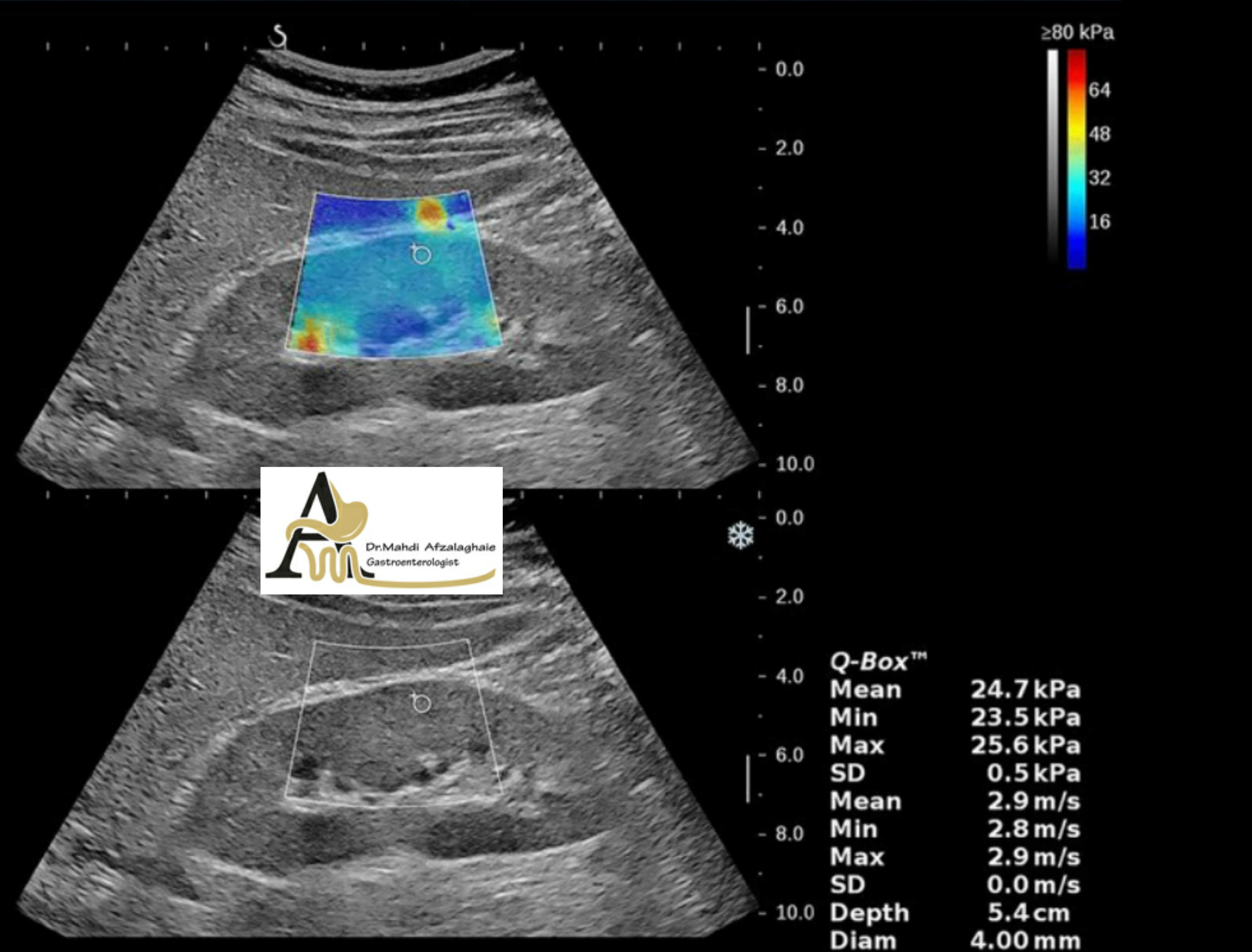
Splenomegaly can usually be detected by palpation during a physical examination. In rare cases, a healthy, normal-sized spleen can also be felt during physical examination. In an enlarged spleen, the spleen may be palpated across the midline of the abdomen and may also extend into the right lower quadrant of the abdomen and into the pelvis. In addition, blood tests can be done to check the number of red blood cells, white blood cells, and platelets, as well as the shape of the red blood cells. A CT scan may be used to determine the size of the enlarged spleen. Ultrasound can also be helpful in diagnosing splenomegaly. Finally, MRI is used to check the blood flow in the spleen. Depending on the individual's medical history and physical examination, additional tests may be needed to diagnose underlying conditions.
**How is splenomegaly treated?**
Spleen treatment is primarily focused on treating the underlying cause. However, in general, all people with splenomegaly are advised to avoid contact sports and other activities that may cause abdominal injuries to prevent splenic rupture. In certain cases, such as an enlarged spleen caused by cancer, a splenectomy may be required. In cases requiring splenectomy, vaccination against certain bacteria is strongly recommended. Although a person can survive without a spleen, the risk of infection increases. People without a spleen are at increased risk of infections from trapped bacteria, so vaccination against certain bacteria, such as Haemophilus influenzae, is recommended after splenectomy. **Treatment of splenomegaly**
Treatment of splenomegaly depends largely on the underlying cause. Splenomegaly caused by infections, such as infectious mononucleosis, can generally resolve with adequate treatment of the infection. In cases caused by cancer or liver diseases such as cirrhosis, treatment of the spleen may be more difficult and results may vary depending on the stage of the underlying disease. **The last word is....**
Splenomegaly refers to an enlarged spleen. The enlarged spleen is more than 12 cm in length and weighs more than 400 grams. A very large spleen means that the size of the spleen is larger than 20 cm and its weight is more than 1 kg. The most common causes of splenomegaly are infections, some cancers, and portal hypertension, which cause this disease more often than liver diseases such as cirrhosis. Splenomegaly is a serious condition with life-threatening consequences, such as significant blood loss due to rupture of the spleen. People with splenomegaly usually experience vague abdominal discomfort in addition to the signs and symptoms of the underlying disease. A physical exam is the most common way to diagnose an enlarged spleen, although additional lab tests and imaging may be needed. Treatment of splenomegaly depends largely on the underlying cause. In severe cases that require removal of the spleen, people are advised to be vaccinated against certain bacteria, such as Haemophilus influenzae, to prevent serious, life-threatening infections. **You can contact us for more information and advice.**
Stay in touch with us
Tags
Spleen Enlarged spleen What is the spleen? Symptoms of splenomegaly Spleen problems