

Self-confidence is a characteristic. Psychology is important that helps a person to believe in his abilities and perform well in the face of challenges. This feature depends not only on the person's personality, but also on the surrounding environment. The social, cultural, physical and professional environment can have various effects on a person's self-confidence, since these environments can help strengthen or weaken a person's sense of worth and ability. In this article, the role of the environment in the formation and strengthening of self-confidence will be investigated and how it affects the individual.
Why can the environment affect self-confidence?
Our environment can directly and indirectly affect this characteristic of ours. On the other hand, supportive and positive environments can help a person to feel more valuable, while negative and stressful environments can reduce self-confidence.
The direct effect of the environment on self-confidence
The environment may be directly by creating opportunities or threats. affect self-confidence. For example, an environment in which a person is appreciated for his achievements can strengthen this characteristic in him. On the contrary, an environment where there is a lot of criticism and lack of appreciation for efforts can lead to a decrease in self-confidence.

indirect influence of the environment
Environment may also indirectly affect a person's mood and thinking. For example, crowded and chaotic environments can put a person in an unpleasant psychological state and, as a result, create a feeling of instability or distrust.
Effect of social relationships and social support on self-confidence
Social relationships are one of the basic elements of the environment that can directly affect self-confidence. In fact, social support and positive relationships with others are key factors in strengthening this characteristic in people. Examining social relationships from family to friends and colleagues clearly shows that these relationships can affect the growth or weakening of self-confidence. 1. The influence of family relationships
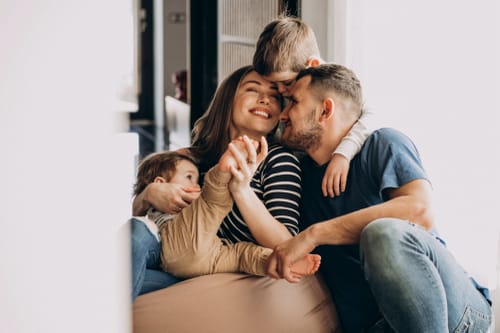
The family has the first and most important influence on the formation of self-confidence of people in childhood. Parents' support, love and encouragement can be the basis for creating this feature in a child. Also, the family can help a person at different stages of life to be proud of his achievements independently.
Methods to strengthen self-confidence through family:
- Encouraging the child to express his feelings and solve problems independently.
- Support and encouragement in facing challenges. Life.
Various researches have shown that children in supportive and committed families gain higher self-confidence and this characteristic is transferred to their adulthood. In families where there is affection and attention, the child feels that he can pursue his goals without fear of criticism or failure

2. The influence of friendship and social relationships on self-confidence
Friends and social relationships also have a great impact on self-confidence. Friendly relationships in which there is mutual support, affection and trust can help people feel that their abilities are recognized and they become more confident in social situations. Also, if a person is in an accepting and supportive community, this environment can grow and strengthen self-esteem.
Methods to strengthen self-confidence through friends:
- Surrounding yourself with positive and supportive friends.
- Involving yourself in group activities that It strengthens social interaction.
Studies have shown that social support from friends and acquaintances can help reduce stress and anxiety and ultimately lead to strengthening a person's self-confidence. This social support can help people to see themselves in challenging situations with more self-confidence.
Effect of work environment on self-confidence
Work environment is one of the other important factors in the formation of this characteristic. The type of social interactions, work and cultural conditions that exist in the work environment can directly affect a person's sense of his capabilities and self-confidence. 3. Organizational culture and its influence
Organizational culture has a great impact on employee confidence. In work environments that trust employees, they feel that their abilities are recognized and this strengthens self-confidence. On the contrary, in work environments where there is a lot of pressure, unfair criticism and lack of appreciation for efforts, the self-confidence of employees is greatly reduced.
Methods to strengthen self-confidence in the work environment:
- Creating a supportive and encouraging environment in the organization.
- Promoting a culture of positive feedback and appreciation for small successes.
Research has shown are that supportive and collaborative organizational culture can significantly improve the level of self-confidence of employees. When employees feel that they are valid and effective in their work, their motivation and self-confidence increase.

Effect of physical space
Physical space can also have a great impact on people's self-confidence. Crowded, messy or unpleasant environments can create feelings of instability and lower self-confidence. On the contrary, orderly and quiet spaces that are specifically designed to provide a sense of comfort and concentration can have a positive effect on a person's psyche and lead him to increase self-confidence.
4. The effect of work space on self-confidence
Work space is one of the physical environments that have a great impact on a person's performance and self-confidence. Environments that have natural light, modern design and a calm atmosphere can create a feeling of comfort and confidence.
Methods to improve the work environment to strengthen self-confidence:
- Using modern and comfortable designs for the work environment.
- Providing a space for rest and relaxation between working hours.
Studies have shown that work environments that are physically designed correctly have been, can have a direct effect on the performance and self-confidence of employees. Spaces that contain natural light and psychologically correct designs can increase productivity and feel good in employees. Conclusion: Different environments, from social relationships to work space and physical environment design, all affect people's self-confidence. Positive relationships, supportive environments and properly designed spaces can increase people's self-confidence and empowerment. To strengthen self-confidence, it is necessary to be placed in environments that are respectful, supportive and encouraging.
Resources
- Journal of Child Development
- Social Psychology Review
- Journal of Organizational Behavior
- Environmental Psychology Journal