Stress is one of the temporary defense shields of the human body and in In the short term, it increases concentration, energy and performance. But if stress continues for a long time, it can become chronic and gradually involve the brain, heart, immune system, digestion and hormones. Stress is not just a mental feeling, but a biological process that, if not managed, slowly and secretly destroys the quality of life and health of the body. In this article, we will get to know more about the effect of stress on the body and the methods of removing these negative effects. class="lwptoc_item"> What is stress and how does it affect the body?
مقاله تخصصی
The effect of stress on the body Effects of stress and ways to reduce it
6 days ago
260 بازدید

Dr. Reza Bahadur
MashhadOrthopedic specialist
What is stress and how does it affect the body?
Stress is the body's natural and biological reaction to mental or physical challenges and pressures. When we face difficult or threatening situations, the brain, through the hypothalamus, stimulates the adrenal glands to release hormones such as adrenaline and cortisol. This process, which is known as the "fight or flight" response, provides the necessary concentration and energy to deal with the danger by increasing the heart rate, breathing faster and preparing the muscles.
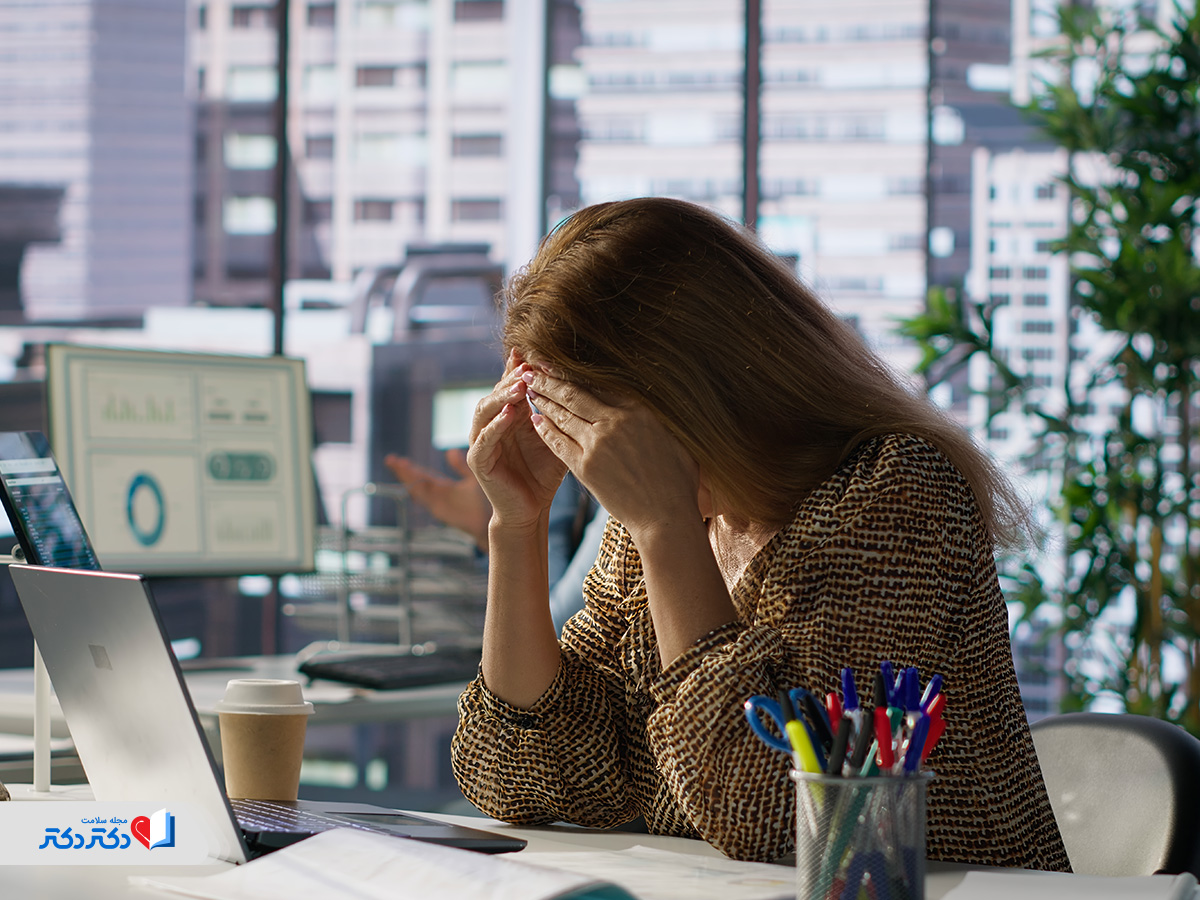
The mechanism of stress in the body
The body's response to stress usually appears in three specific stages, knowing them helps to better manage the situation:
Warning stage: In this first step, hormones are released and the person's senses become sharper to be ready for a quick reaction.
Resistance stage: If the agent Remaining stressful, the body tries to adapt to the existing pressure. In this stage, symptoms such as boredom, anger and reduced concentration show.
Fatigue stage: If the stress becomes long and chronic, the body's energy resources will end. In this situation, the immune system is weakened and the person becomes vulnerable to physical and mental diseases.
Stress can be positive and give motivation and focus or it can be negative and make a person susceptible to types of mental disorders or chronic psychiatric conditions such as Worse schizophrenia.
Effect of stress on nervous system and brain
Stress hormones. Chemical messengers such as adrenaline, noradrenaline and cortisol are produced in the brain and adrenal glands to activate the body's energy. When a stressful stimulus is detected, the hormones adrenaline and noradrenaline are released, which causes immediate physical changes; For example, the heart rate increases, the lungs expand to allow more oxygen to enter the blood, and the blood glucose level increases to provide the muscles with the energy they need. These hormones also temporarily reduce unnecessary processes such as digestion so that the body can focus on survival.
Cortisol hormone is also secreted to maintain energy and inflammation of the body in critical situations. This hormone activates stored energy by producing glucose and regulates blood pressure with the help of sodium. However, if cortisol levels are chronically high, the body will suffer; This condition can lead to muscle atrophy, decreased bone density and slow wound healing, because in this condition collagen production is inhibited and the ability of the immune system to fight microbes is reduced.
Effect of stress on the cardiovascular system
The cardiovascular system is one of the first systems that reacts to stress, because it must deliver blood faster to the parts that need activity. have Heart rate increases during extreme stress and heart contractions become stronger. Also, the large blood vessels in the muscles dilate and the body raises blood pressure. The speed of blood clotting also increases so that the body is ready in case of injury. In the short term, these changes can help the body enter the "fight or flight" phase and take care of itself, but at the same time, they put a lot of pressure on the heart and the inner layer of the vessels.
Effect of stress on the body's immune system
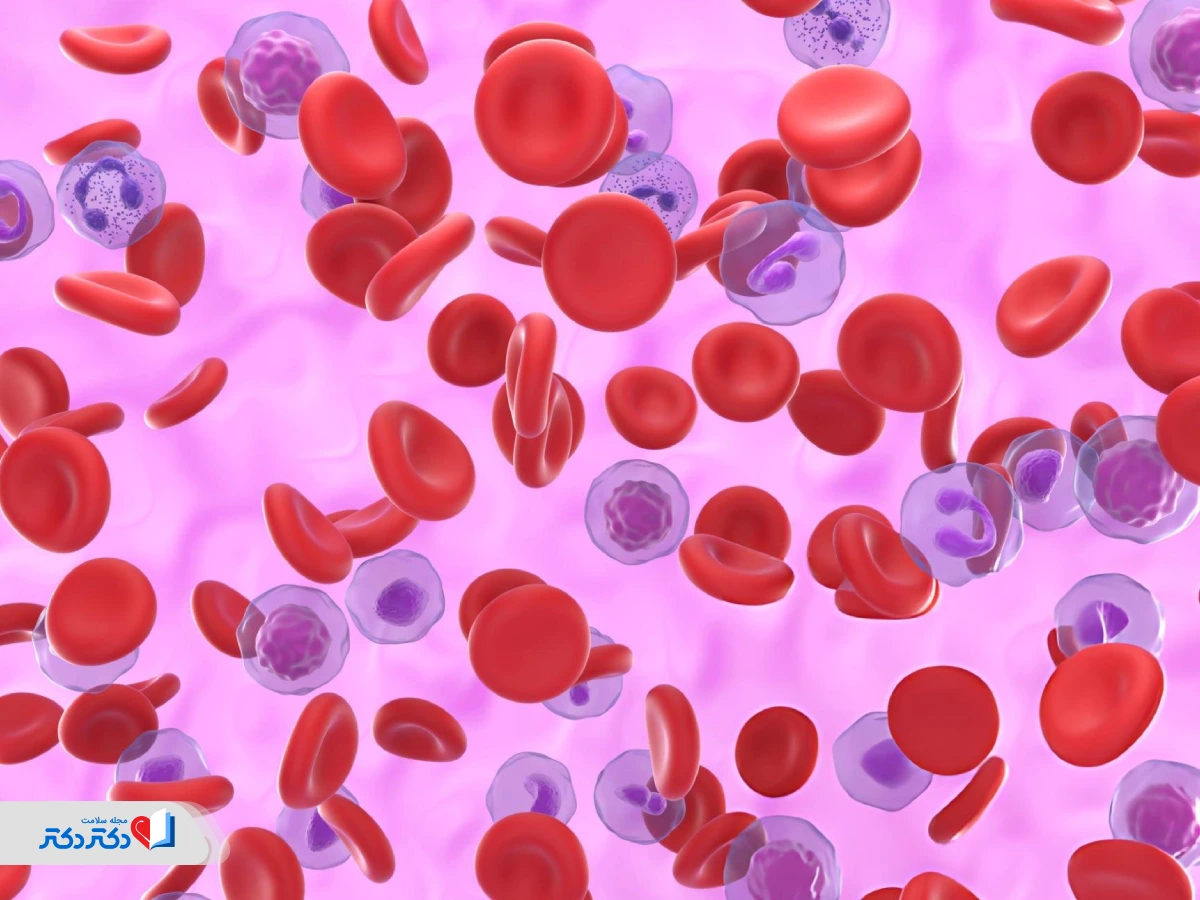
In the short term, severe stress causes a temporary activation of the immune system to prepare the body to face possible damage. But when stress becomes prolonged and chronic, the body's innate and adaptive immune response is suppressed. These conditions reduce the body's resources and expose the person to germs and common diseases such as colds.
The main mechanism of this suppression is caused by a long-term increase in cortisol, which reduces the activity of important immune cells such as lymphocytes and inhibits the production of inflammatory cytokines. To put it simply, this condition lowers the body's ability to fight infections, slows wound healing, and reduces the body's resistance to disease. At the same time, chronic stress can cause general inflammation in the body and set the stage for autoimmune diseases and chronic inflammatory disorders.

Effect of stress on the digestive system
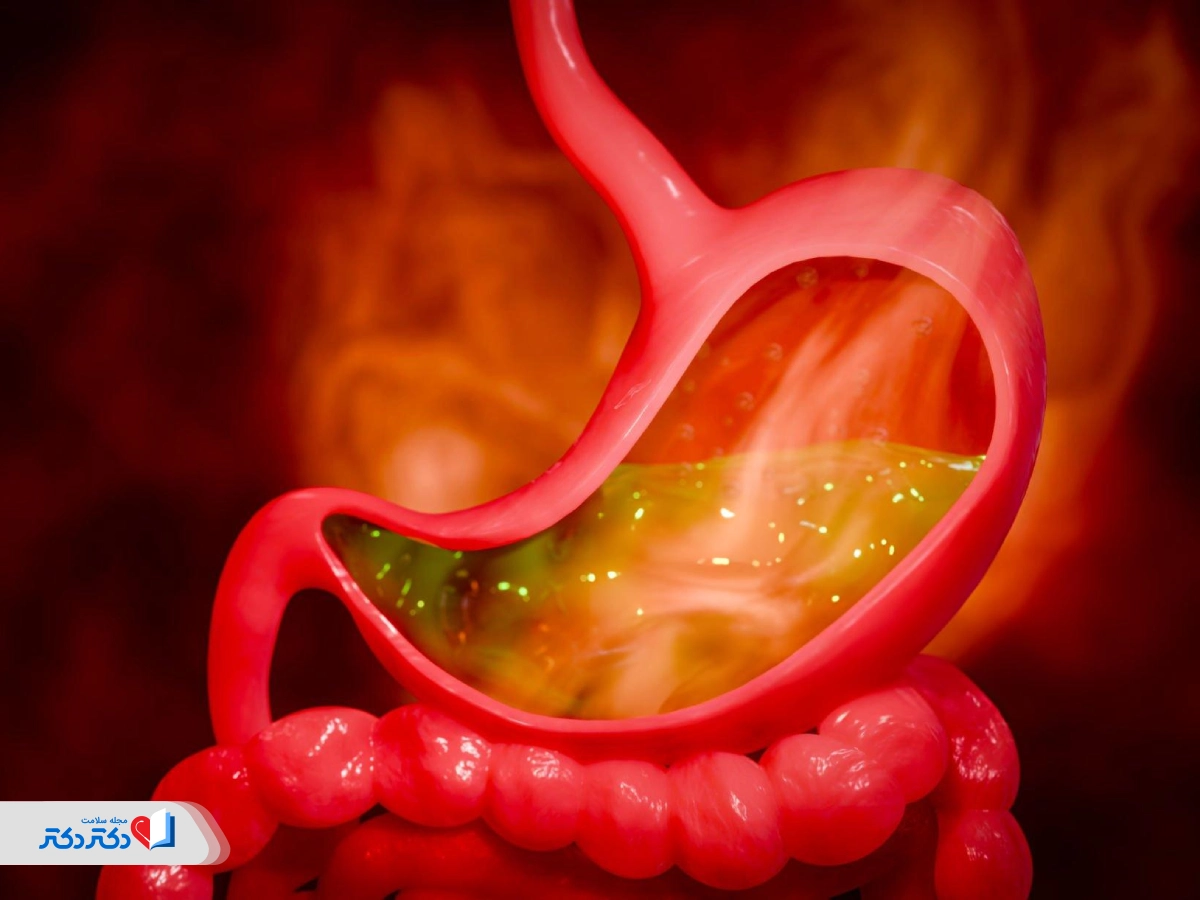
When the body enters the "fight or flight" mode, in order to maintain energy and survival, unnecessary activities such as the functioning of the stomach and intestines are reduced. These changes occur under the influence of epinephrine and norepinephrine, which narrow blood vessels and reduce blood flow to the digestive system. In this case, the secretion of the stomach and the absorption of nutrients are reduced. Also, the activity of smooth intestinal muscles decreases and slows down gastric emptying and intestinal movement.
If stress is prolonged, these changes can cause chronic problems such as irritable bowel syndrome, functional indigestion, and gastritis. Also, the reduction of local blood flow and the weakening of the immune system increase the possibility of stomach ulcers and bleeding. In addition, stress can weaken the protective layer of the intestinal mucosa, increase its permeability and disrupt the intestinal microbial balance; This condition also aggravates inflammation and digestive problems.
Effect of stress on the skeletal and muscular system
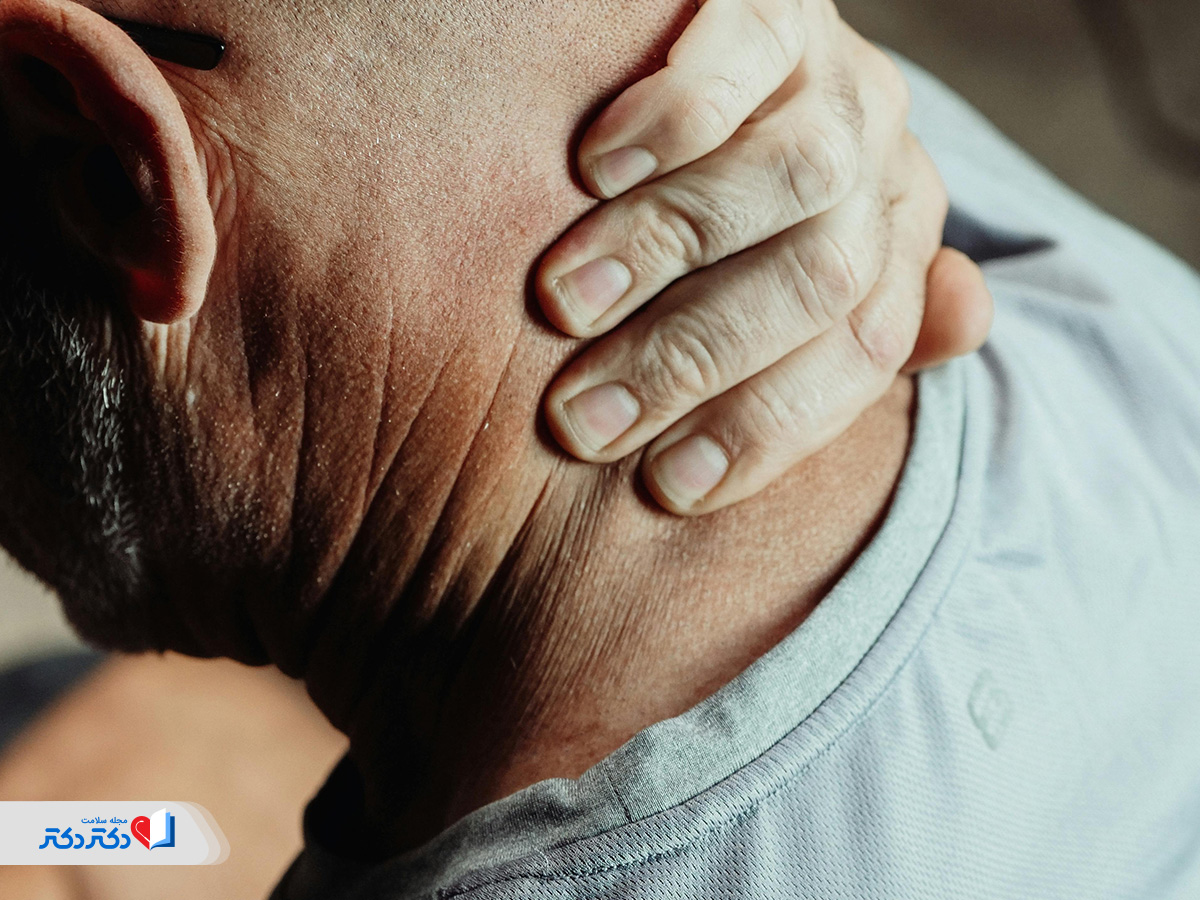
Stress not only puts pressure on the mind, but also affects the body and has the greatest effect on the musculoskeletal system. Continuous muscle tension causes problems such as teeth grinding, tension headaches and chronic pain. In a state of chronic stress, the constant activation of the sympathetic nervous system keeps the muscles on alert and prolongs the recovery time from injuries and increases the risk of problems such as lower back pain, jaw joint disorder, and fibromyalgia (muscle fatigue and chronic pain).
At the cellular level, long-term exposure to high cortisol has destructive effects. This hormone can cause muscle atrophy and decrease in bone density, because the activity of osteoblasts (bone-forming cells) decreases and the activity of osteoclasts (bone-resolving cells) increases. To put it simply: over time, the hormonal imbalance caused by cortisol weakens the body's skeleton and weakens the muscular framework.
Effect of stress on skin and body appearance
Skin is one of the first parts of the body that shows physical signs of stress, such as sweating hands or various skin problems. When the stress response is intense, skin vessels become narrower and blood flow is diverted from the skin to the heart and large muscles. This change is part of the body's attempt to conserve energy for "fight or flight," but it causes the skin to appear pale or dull.
Chronic stress also greatly affects physical appearance, as the body's ability to repair itself is greatly reduced. Also, high levels of cortisol slow down wound healing; This problem occurs due to the reduction of the inflammatory immune response and the production of collagen necessary to provide elasticity and repair the skin. In addition, the suppression of the immune system during the fatigue stage makes the skin more vulnerable and the existing inflammatory skin problems may also be aggravated.
The effect of stress on the menstrual cycle of women
Chronic stress can also severely disrupt the reproductive axis in women, because it suppresses the secretion of gonadotropin-releasing hormone from the hypothalamus. This suppression works like a domino effect and reduces the secretion of luteinizing hormone and follicle stimulating hormone from the pituitary gland. These hormones are vital for the egg to reach maturity and the timing of the menstrual cycle; Therefore, their reduction disrupts the overall functioning of the ovaries.
The clinical results of this hormonal disorder include menstrual irregularity, difficulty in complete ovulation, and even the possibility of infertility. In addition, stress-induced changes in sex hormones have been linked to the onset or exacerbation of conditions such as polycystic ovary syndrome (PCOS). It is interesting to know that research shows that estrogen may play a role in regulating and even strengthening the body's short-term response to stress, which shows the complex and two-way relationship between female sex hormones and stress.
Methods to reduce the impact of stress on the body
The body's physiological response to stress is automatic, but there are scientific and effective methods that can reduce its damage. Reducing the effect of stress includes identifying triggers, practicing active relaxation, and making fundamental changes in lifestyle so that the body is not always on alert.
The first step to reduce stress is to consciously identify triggers. Because stress is a subjective experience, what stresses one person may not affect another. Therefore, each person should know their own triggers, whether it is related to work, emotional relationships or personal expectations. When these triggers are identified, they can be managed or controlled so that they do not reach the stage of fatigue, weaken the immune system, and increase the risk of chronic diseases. DoctorDoctor website has paved the way to talk with the best and most experienced psychologists and psychiatrists. All you have to do is search for the doctor you want through Doctor Psychiatry Online to be visited online from anywhere in Iran.

Stress Management and Mindfulness Techniques
Active relaxation techniques are very effective in getting the body out of "fight or flight" mode. Short-term exercises such as mindfulness, meditation, yoga and muscle relaxation help lower heart rate, blood pressure and muscle tension. Another simple but effective method is deep breathing. In stressful situations, people often take short breaths, which reduces the amount of oxygen in the body. Beyond formal techniques, having a "personal calm anchor," a tool or place to take refuge in, also works wonders. This anchor of personal relaxation can be reading, listening to soft music, or painting. This method can create a sense of purpose and satisfaction and reduce the negative effects of overwork and mental pressure. Also, home remedies for stress management prevent problems such as 25 important symptoms They also get depression.
Exercise and proper nutrition
Daily physical activity plays an important role in creating balance against mental pressure. Physical activity helps calm the mind and increase overall productivity. For adults, especially those who sit at a desk for long periods of time, at least 150 minutes of moderate exercise per week is recommended. In the long term, regular exercise prevents heart diseases by improving heart function and controlling blood pressure through stabilizing the nervous system.
Nutrition also plays an important role in the body's ability to withstand pressure. A balanced diet strengthens the immune system, increases the body's resistance to disease, and can even increase overall happiness and satisfaction. Starting the day with a healthy and calm breakfast can make the morning mood more positive, improve performance and reduce the body's "alert" response to morning pressures and mental deadlines.
Adequate sleep and lifestyle modification
Sleep is both one of the victims of stress and one of the main tools to manage it. Although stress often disrupts sleep patterns, quality sleep is critical to a healthy hormonal response. Research shows that the bodies of people who sleep well have a stronger and more consistent response to cortisol secretion when faced with severe stress. On the other hand, insufficient sleep weakens the body's response and reduces the ability to manage challenges. Using other tools such as earplugs or eye mask while listening to soft music can put the body into a phase of rest and relaxation.
Larger lifestyle changes such as time management also play a significant role in stress management. Also, each person needs certain periods of "doing nothing" or resting to allow their nervous system to reset. The combination of these structural changes with relaxation increases people's resistance and helps them to have less problems against the inevitable stresses of life.
Doctor Doctor's Last Word
Stress is neither our absolute enemy nor something that can be completely eliminated. Stress is just a message from the body saying, "You're on too much alert." If we can get this message right, we can help our body to be more adaptive and resilient to challenges. However, sometimes the intensity of stress becomes too high and can push the body to the point of exhaustion; In this case, we suggest you consult a mental health professional. We have made it easy for you on the DoctorDoctor website. In DoctorDoctor, with a few simple clicks you can have immediate access to the best and most experienced Iranian psychologists and psychiatrists and get the necessary help. Also, if you need medical help, you can order it from DoctorDoctor online pharmacy and have it delivered to your home. Don't forget that managing stress means returning the body from war mode to life mode; It's a small but decisive choice you can make every day.
FAQ
What are the effects of long-term stress on the body?
Chronic or long-term stress causes the body to enter the stage of fatigue, energy resources decrease, productivity decreases and the immune system weakens. These conditions increase the risk of chronic diseases such as heart disease, high blood pressure, depression, anxiety and digestive problems such as stomach ulcers. Also, high levels of cortisol can lead to muscle atrophy and decreased bone density.
How Can the impact of stress on the brain and memory be reduced?
How does severe stress cause digestive problems?
How stress weakens the immune system Does it?