
تأثیر میوم بر باروری و بارداری
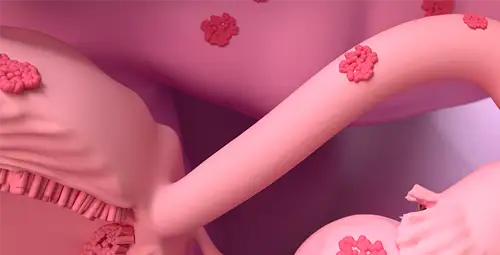
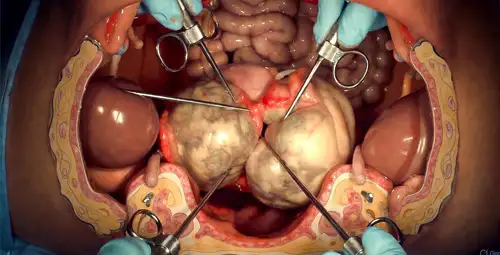
توده های میوم که نام دیگر آنها فیبروئیدهای رحمی است، توده های خوش خیم هستند. تومور های میوم به بافت عضلانی رحم شباهت دارند و به طور کلی از بافت رحم رشد می کنند. تأثیر میوم بر باروری و بارداری یکی از مشکلات زنان مبتلا به این بیماری است . این تومورها دسته بندی های گوناگونی دارند. سابموکوزال یکی از انواعی است که بیشترین اثر منفی را بر بارداری از خود نشان می دهد.
به طور کلی در دوران بارداری، وجود میوم مانع ادامه بارداری نمی شود. اما وجود آنها می تواند خطراتی مثل درد، سقط، خونریزی یا زایمان زودرس را به وجود آورد. اما کنترل روند بارداری توسط یک پزشک خطرات را به حد اقل می رساند. برای مطالعه اطلاعات دقیق در مورد این بیماری، مقاله میوم رحم چیست؟ علائم، انواع و دلایل ایجاد فیبروم رحم را مطالعه نمایید.
فهرست مطالب
میوم و تأثیر آن بر باروری
میوم بسته به شرایطی فیزیکی، از جمله اندازه تعداد و محل رشد، می تواند تاثیر نامطلوبی بر فرایند باروری داشته باشد. طبیعتا میوم های بزرگتر و یا تعداد بیشتر منجر به اختلال در کارکرد رحم خواهد شد. This disorder prevents the sperm from reaching the egg or hitting the uterine environment.
The role of myoma size and number
One of the most important factors affecting myoma on fertility is its size. These lumps in small sizes usually do not cause serious problems. But the large sizes of the myoma put pressure on the uterine cavity and this pressure causes disorders in the reproductive system. Doctors consider myomas larger than 4 to 5 cm, especially if they are near the uterine cavity, to be a relatively serious problem for pregnancy. The number of myomas is also important; The presence of several small myomas can have a cumulative effect and change the structure of the uterus, while a single small myoma usually has little effect.
Effect of submucosal myomas on embryo implantation
Submucosal myomas have the most negative effect on fertility compared to other types. The reason for this is the direct entry of this type of myoma into the uterus. Even their small types have a significant effect on causing fertility disorders. On the other hand, they cause hormonal disorders by causing inflammation. Research has shown that removing this type of myoma significantly increases the chance of pregnancy.
Myoma and its effect on pregnancy
Many women with myoma experience a healthy pregnancy, however, some types of myoma may affect the growth of the uterus, blood supply to the placenta and The space accessible to the fetus has an effect. Large myomas, or myomas near the uterine cavity, have obvious effects on infertility. Knowing the type of myoma and regular evaluation during pregnancy plays an important role in preventing complications.
Risks in the first trimester
In the first trimester, myoma can slightly increase the possibility of abdominal pain, bleeding, and in some cases the risk of miscarriage. Myomas that are inside or near the uterine cavity are more related to these problems. During pregnancy, hormonal changes occur in the body, these changes may lead to the enlargement of myomas, which causes a lot of pain. This condition is usually uncomfortable for the mother, but in most cases it does not threaten the pregnancy and is controlled by rest and pain management.
The effect of myoma on the development of the fetus
The location of myoma plays an important role in the development of the fetus. Some myomas can limit the blood flow in the placenta and thus affect the nutrition of the fetus. Large myomas reduce the space for the growth of the fetus and also reduce blood supply to the placenta and fetus. For this reason, periodical ultrasound and careful control of the growth status of the fetus are very important in such cases.
Delivery and postpartum consequences
Myomas may increase the possibility of cesarean section during delivery; Especially if it is located in the exit path and prevents the exit of the fetus. They may also cause the fetus to not be in the right position for delivery, for example sitting or tilted. After delivery, the presence of a myoma may increase the risk of postpartum hemorrhage because it can interfere with the normal contraction of the uterus. Most of these cases are controllable and managed with proper birth planning.
Pregnancy with myoma
Many women with myoma experience a healthy pregnancy and only need more careful follow-up. The severity of myoma effect on pregnancy depends on its size, number and location. Myomas that are small or located far from the uterine cavity usually do not cause problems. But if the myoma is large or located near the placenta and fetal growth space, more regular control may be needed. The purpose of the follow-up during this period is to check the growth of the fetus, the condition of the placenta, the size of the myoma and to ensure the normality of the pregnancy process. Most of the possible problems can be managed with early detection.
Follow-up and monitoring criteria
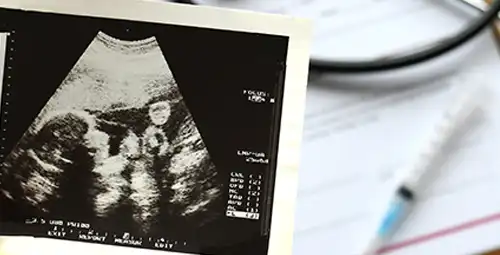
In pregnant women with myoma, doctors recommend periodic ultrasounds to check fetal growth and myoma size. Depending on the condition of the myoma, including the location, type and size, the interval of the examinations may be shorter or longer. In these examinations, the doctor considers changes in the size of the myoma, the condition of the uterus, and the position of the fetus. If the myoma rapidly increases in size or causes severe pain, further evaluations are necessary. These follow-ups are only to ensure the normal course of pregnancy and do not necessarily mean the existence of a definite risk.
Deciding on the type of delivery
The type of delivery usually depends on the location and size of the myoma. If the myoma is in the path of the exit of the fetus, the possibility of choosing a cesarean section increases. Myomas located in the lower part of the uterus may prevent the passage of the fetus or cause the fetus to be in an inappropriate position. In contrast, if the myoma is small or in an area that does not interfere with the birth canal, a normal delivery is usually possible. Considering all the conditions, including the clinical conditions of the mother and the fetus, the doctor chooses and decides on the type of delivery at the end of pregnancy.
Conditions that require immediate intervention
Some conditions require immediate investigation, such as severe and sudden pain caused by myoma changes, significant bleeding, decreased fetal movement, or symptoms Like dizziness and severe weakness. Also, if the myoma causes a severe reduction in fetal growth, problems with the placenta, or premature contractions, early intervention may be needed. Most of these cases can be managed with a quick visit and are usually resolved with simple measures.
Frequently Asked Questions
Does having myoma prevent pregnancy? Is it possible?
Do myomas grow during pregnancy?
What are the risks of myomas during pregnancy?
Is it possible to have a normal birth with a myoma?
sources

Comparison of vaginal tightening methods: surgical and non-surgical With the passage of time or after childbirth, the walls of the vagina relax and the muscles...