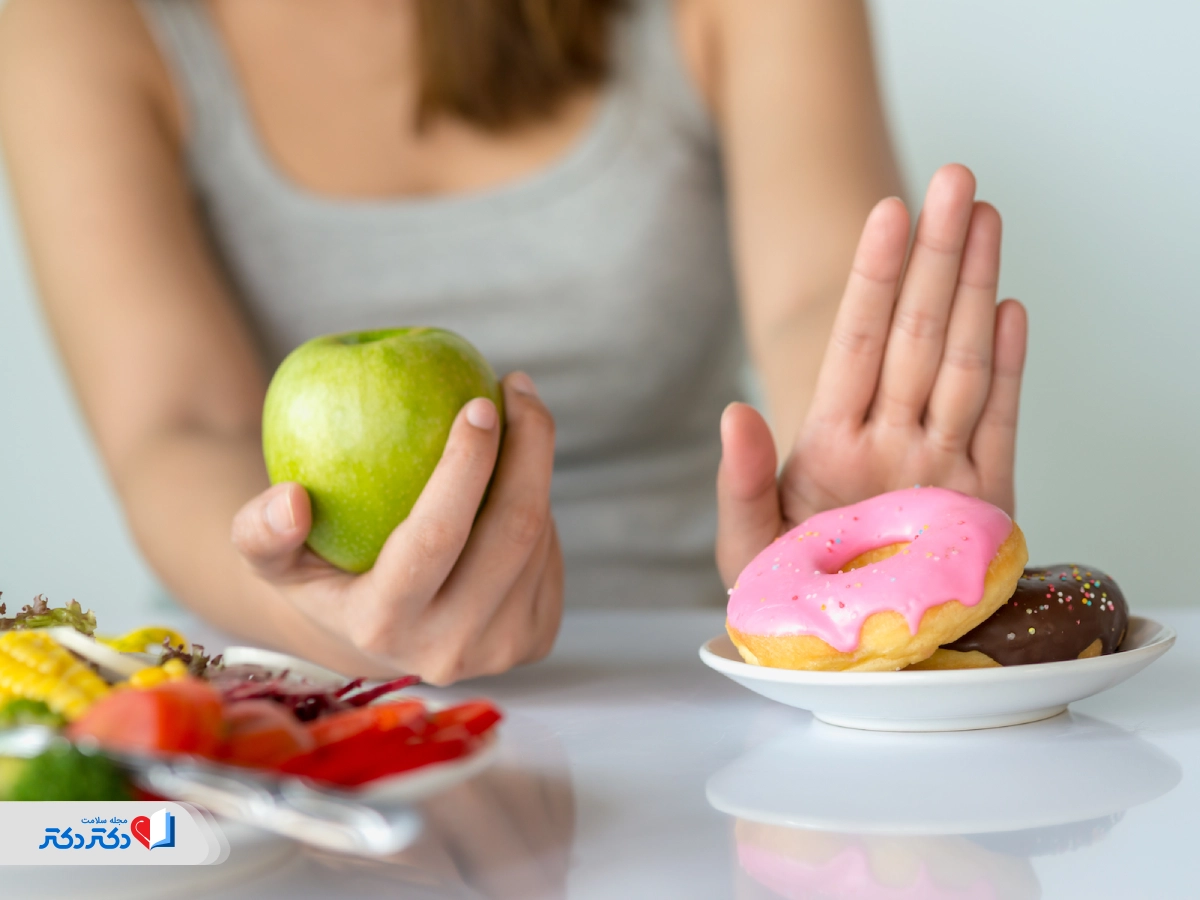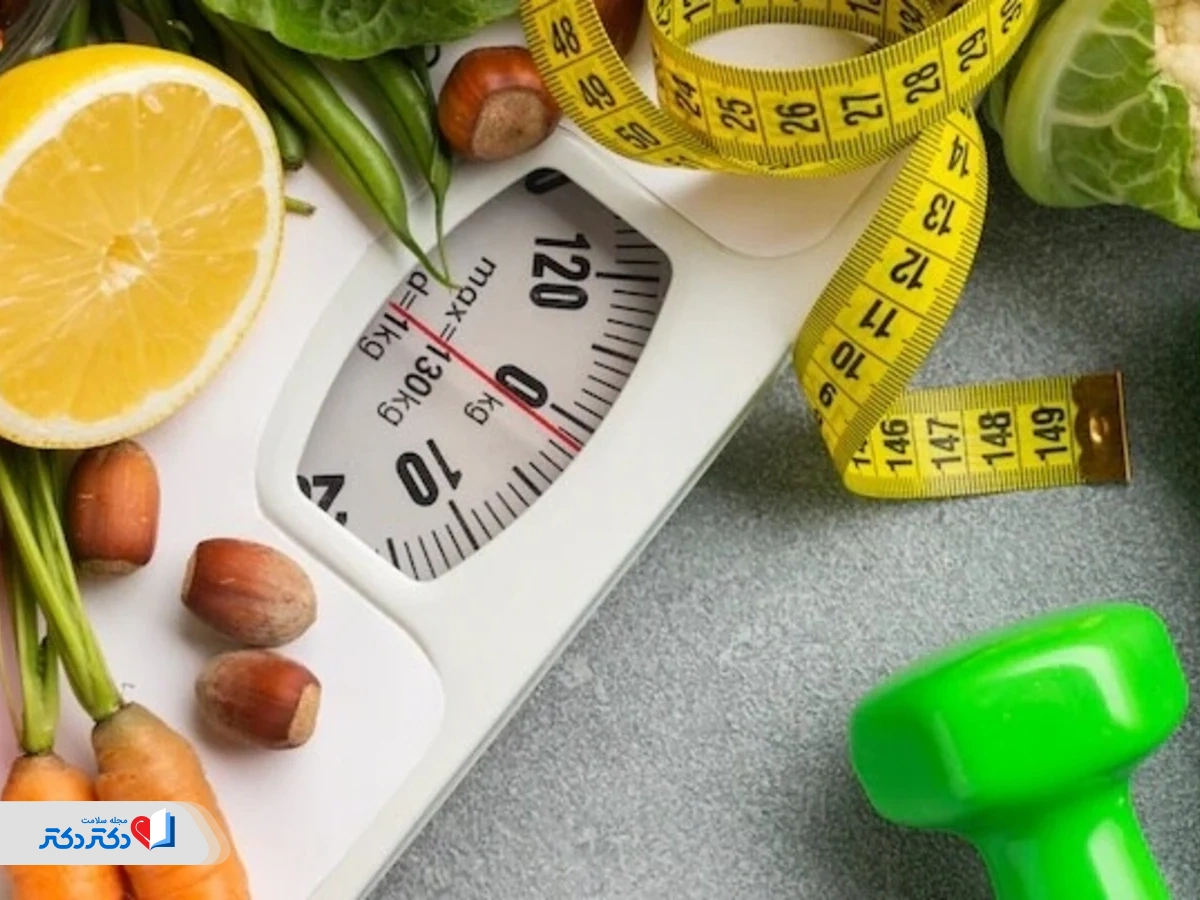

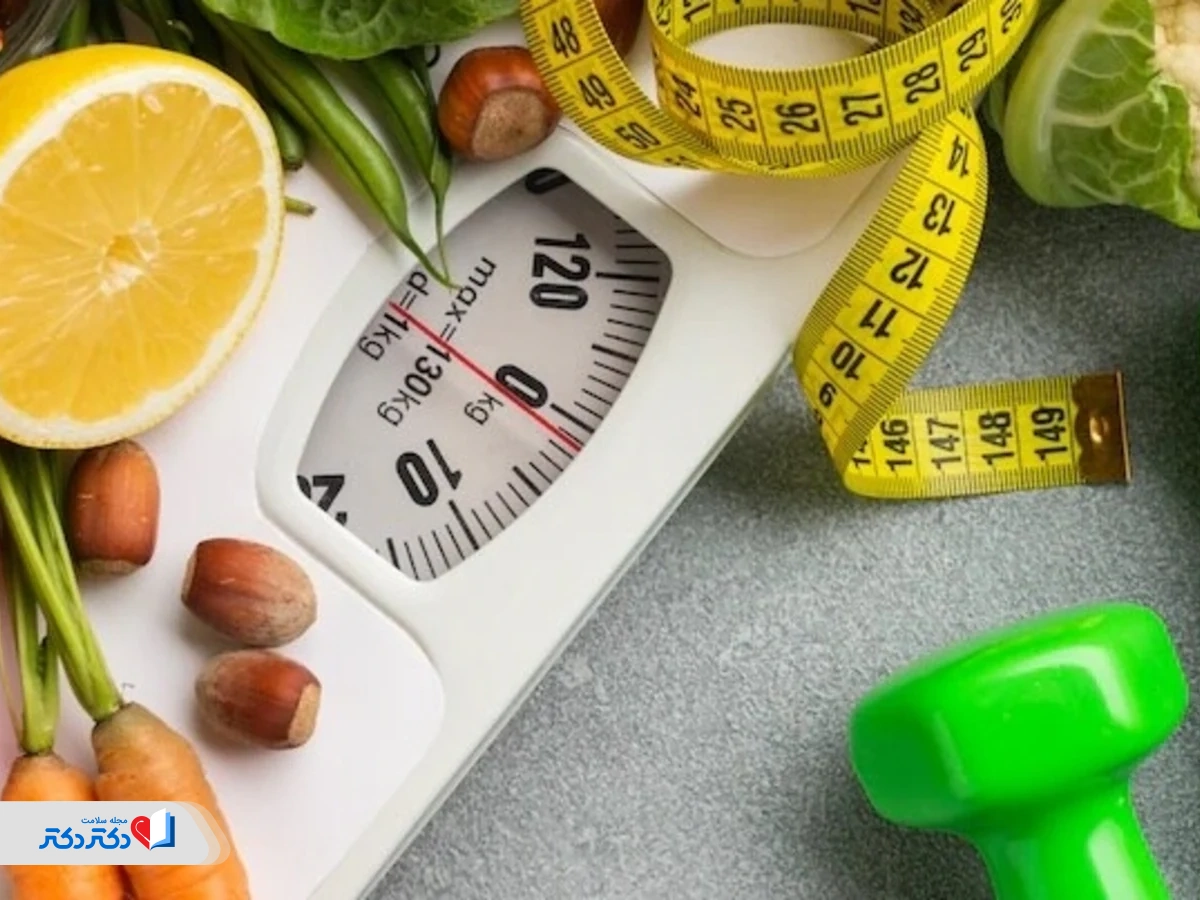
کاهش وزن کار آسانی نیست؛ ممکن است در کاهش کالری مصرفی زیادهروی کنیم و به بدنمان آسیب برسانیم یا با رعایتنکردن نکات مهم نتوانیم وزنمان را آنطور که میخواهیم کاهش دهیم. کاهش وزن نیز مانند بسیاری از کارهای دیگر اصول و نکاتی دارد. اگر میخواهید در یک ماه کاهش وزنی سالم داشته باشید میتوانید از برنامه لاغری در ۳۰ روز استفاده کنید. Get to know the principles and important points of the one-month weight loss program here.
What is the 30 Day Weight Loss Program?
30 Day Weight Loss Program The Day is a structured program designed for rapid weight loss through diet, exercise, and lifestyle modification over the course of a month. In this structured but flexible program, you will eat with more focus during a month for gradual and sustainable fat loss.
The 30-day weight loss diet plan includes coordinated actions for significant weight loss during a month. For a weight loss program to be successful, we need a lot of willpower, focus and motivation. If our weight loss program is incomplete and does not include the proper components and principles of weight loss, we will not have significant weight loss after 30 days.
Scientific definition and principles of weight loss in one month
The weight loss program in 30 days must be principled and scientific so that the body is not harmed and weight loss is maintained. People who lose weight slowly and gradually are more likely to keep the weight off long-term than people who lose a lot of weight quickly. In order to lose weight correctly, try to set your goal to lose half to one kilogram per week and 2 to 4 kilograms per month.
The effective and principled weight loss program in 30 days includes the following components:
Calculation of calories
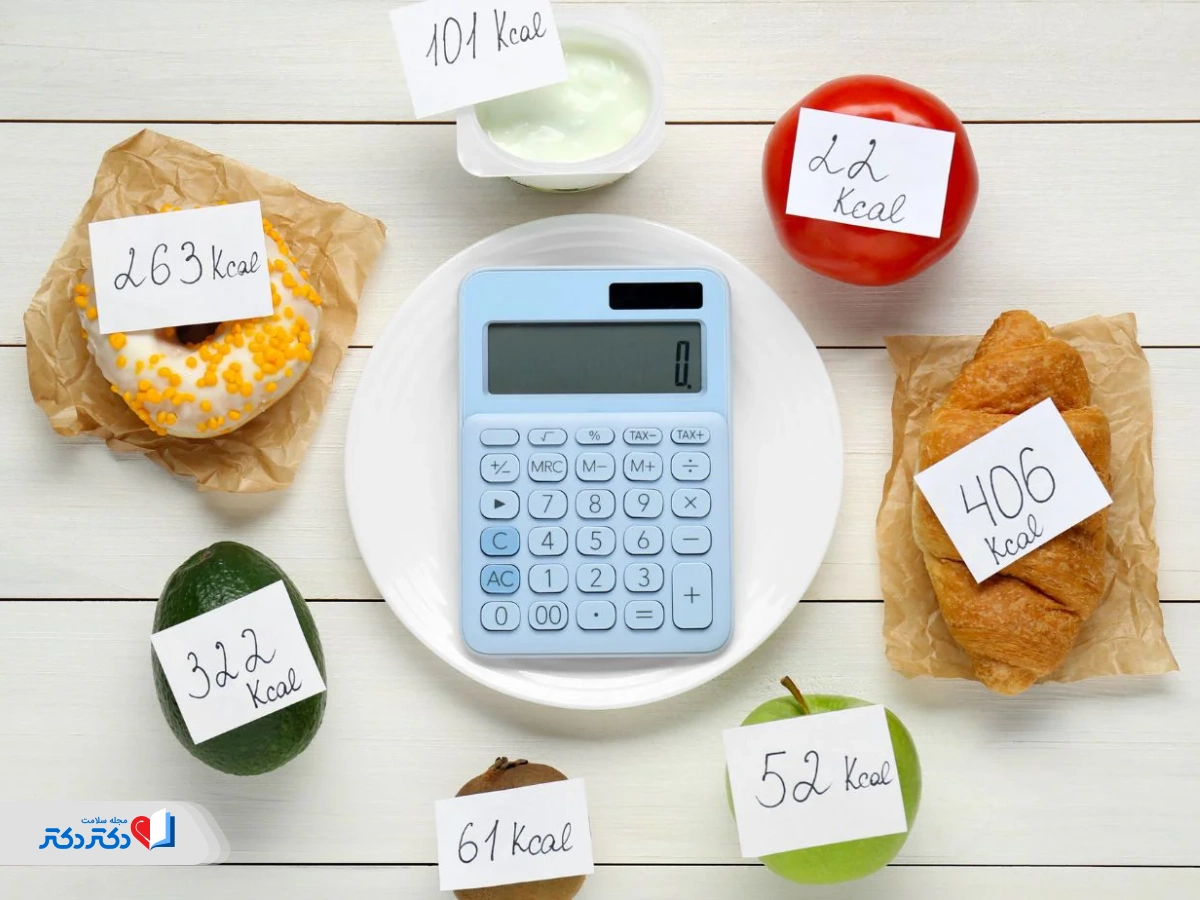
One of the most basic principles in weight loss is that the amount of calorie reduction is greater than its consumption. Different foods have different amounts of calories. Even if you lead a sedentary life, your body still needs calories to survive. The calories your body burns at rest determine your basal metabolic rate (BMR). Basic metabolism provides the energy needed for vital processes such as food digestion and breathing.
To lose weight, you must maintain a calorie deficit, that is, the output calories are more than the intake calories. Calorie output includes calories consumed in the form of physical activity and BMR. The average BMR for women is 1400 and for men is 1700. Of course, these numbers are approximate and the exact amount of calories burned depends on physical characteristics (weight, age, gender, body composition), genetics, hormone function, and organ characteristics. Calorie intake comes from what we eat and drink, namely carbohydrates, proteins and fats. Each gram of fat has 9 calories and each gram of protein and carbohydrates has 4 calories.
For the 30-day weight loss program to be effective, you need to know how to track your calories. Some programs and devices can help you calculate the amount of calories burned. You should add this amount to your BMR. You can also get a rough estimate of your BMR with online calculators. You should also carefully monitor what you eat and drink to assess their calorie content.
According to the US Centers for Disease Control and Prevention (CDC), you can lose between 4 and 8 pounds (about 2 to 4 kg) in a month. Each pound is equivalent to a deficit of 3500 calories. You can achieve this goal by planning to lose weight in 30 days, but you should be careful not to lose too much weight in a short period of time.
Diet
Based on the principle of "calorie deficit" most weight loss programs rely on the CICO (Calories In, Calories Out) diet. Of course, you should also pay attention to the source from which you get calories. For example, 100 calories from fruit is much more valuable than 100 calories from soft drinks because there are other substances in soft drinks that make it difficult for you to lose weight.
Increasing metabolism
Metabolism includes reactions that produce the energy necessary for survival by breaking down food. Scientists usually express metabolism with metabolic rate. Metabolic rate means how fast the body burns energy. The higher the metabolic rate, the more calories you burn each day, whether at rest or during physical activity.
Since the main principle of weight loss is maintaining a calorie deficit, increasing your metabolism seems to be a practical way to lose weight. But this is not an easy task because according to some scientists, improving metabolism is out of our control. Many believe that with strength training and the right supplements, we can increase our metabolism and burn more calories with regular exercise and physical activity.
We should never starve ourselves or put too much pressure on ourselves to increase our metabolic rate. This is counterproductive because it puts the body into emergency mode and causes the adrenal glands to malfunction and the metabolism to slow down.
The difference between a scientific slimming program and strict and restricted diets
Some people think that strict and restricted diets are the best option because they lose weight quickly. But severe restriction often leads to muscle loss, nutrient deficiencies, and weight gain. A 30-day weight loss diet plan should focus on long-term results and consistent progress.
Hard diets rely on extreme calorie restriction or elimination of certain food groups. Most of the time these programs are impossible to follow long-term, so weight loss is not maintained over time. In many cases these programs lead to frustration, fatigue, unnecessary guilt and overeating habits. For this reason, flexibility and variety are key aspects of a sustainable 30-day program. People who lose weight slowly and gradually are more likely to keep the weight off long-term than those who lose a lot of weight quickly.
The 30 Day Weight Loss Program focuses on the following:
In addition to helping to lose weight, these items are also useful for overall physical and mental health. This food pattern can help to improve digestion, stable blood sugar, increase energy and even improve mood and sleep quality.
Flexibility of diet means the possibility of changing raw materials based on preferences or their availability, paying attention to signs of hunger and food cravings, and enjoying a combination of sweet and tasty foods.
For diet Inexpensive weight loss You can use resources and sites that offer a free one-month weight loss diet plan.
Mechanism of weight loss in 30 days
Although everyone's nutritional needs are not the same, the basis of the 30 day weight loss diet plan is to consume a variety of nutritious foods with minimal processing and include three balanced meals a day with one or two snacks. Of course, the number of meals you need can be different. Therefore, you must find a balance that is useful for you.
In the basic 30-day weight loss program, you must create a proper balance between the consumption of macronutrients. Our body needs a proper balance of the three macronutrients of carbohydrates, proteins and fats to function optimally. Each of these macronutrients has specific and vital roles that go far beyond counting calories. Eating well plays an important role in losing weight and maintaining it. Successful weight loss strategies include calorie restriction and adequate exercise. Although calories play an important role in weight control, it is very short-sighted to think that energy input and energy output are the only effective factors in weight loss. The following factors are also involved in weight loss:
- Hormones;
- Medical conditions;
- Physical activity level;
- Medications;
- Sleep;
- Genetics;
- Environment;
- Mental health;
- Economics.
The best solution is to have your own weight loss program from professionals. take If you are not able to visit a doctor in person, you can use online visit to a nutrition doctor at DoctorDoctor. In general, for sustainable weight loss, you should have a varied diet that includes the following:
- vegetables and fruits;
- whole grains;
- protein foods;
- dairy;
- fats.
The amount of food you should eat is specific to your current weight and your weight loss goals. Even if you reduce your calorie intake, you should eat a variety of foods to get all the protein, healthy fats, vitamins, and minerals your body needs. Focusing on aspects beyond food is also important. Physical activity, hydration, sleep, and other components are all interrelated in weight loss.
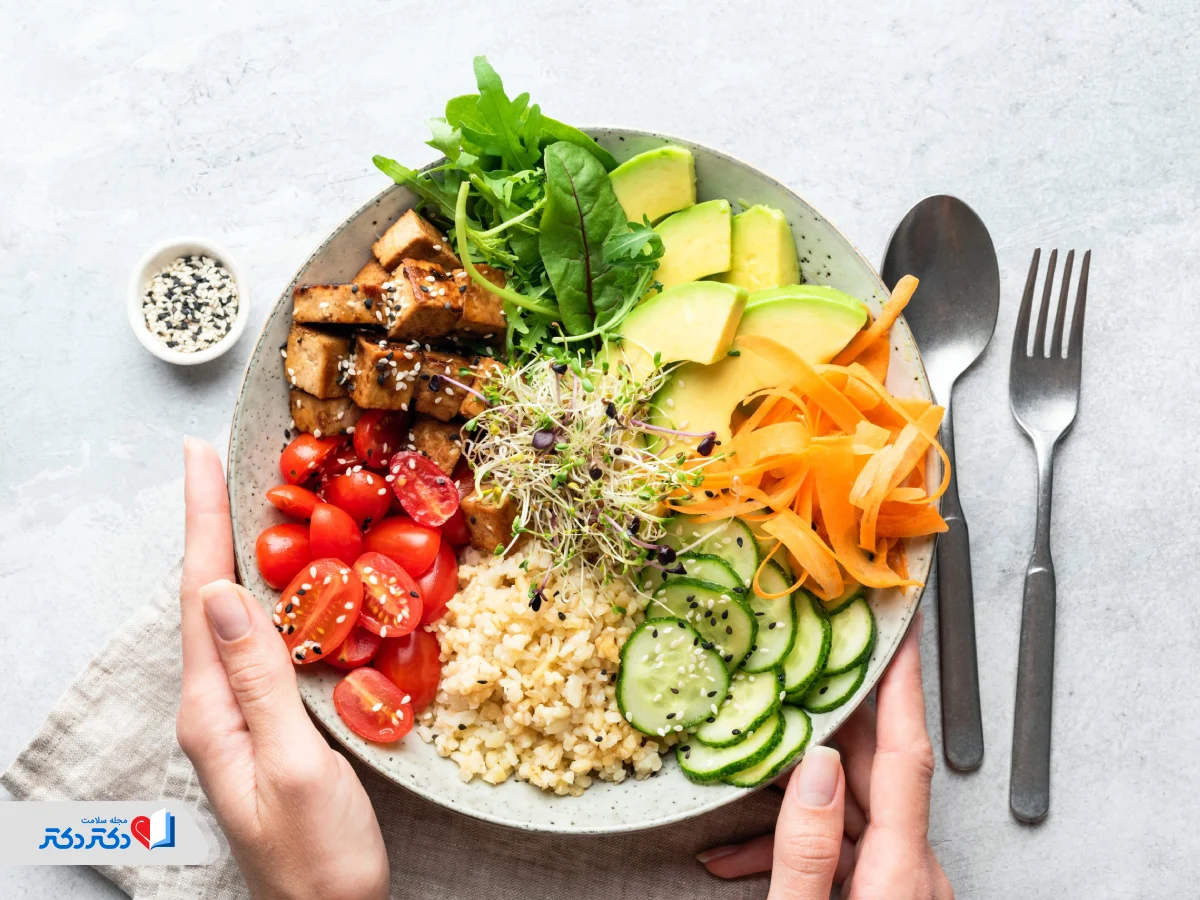
The Role of Calories and Metabolism
You don't need to count every single calorie to be successful in your weight loss efforts. But knowing how to control your meals is the key to achieving your goals. This "control" does not mean restricting, but rather paying attention to the body's needs and being able to estimate the portions that will keep you full and help you lose weight.
To determine the amount of suitable food, we can use the following visual cues:
- Protein: the size of the palm of your hand;
- Carbohydrates (grains or starches): The size of a fist;
- Fats: the size of a thumb or a tablespoon;
- Vegetables: the size of two open hands.
Mindful eating techniques such as eating slowly, avoiding distractions and stopping eating when full can also be good tools to regulate the amount of our meals. According to the Dietary Guidelines for Americans, adults should consume between 1,600 and 3,000 calories per day. Note, however, that this is a general guide.
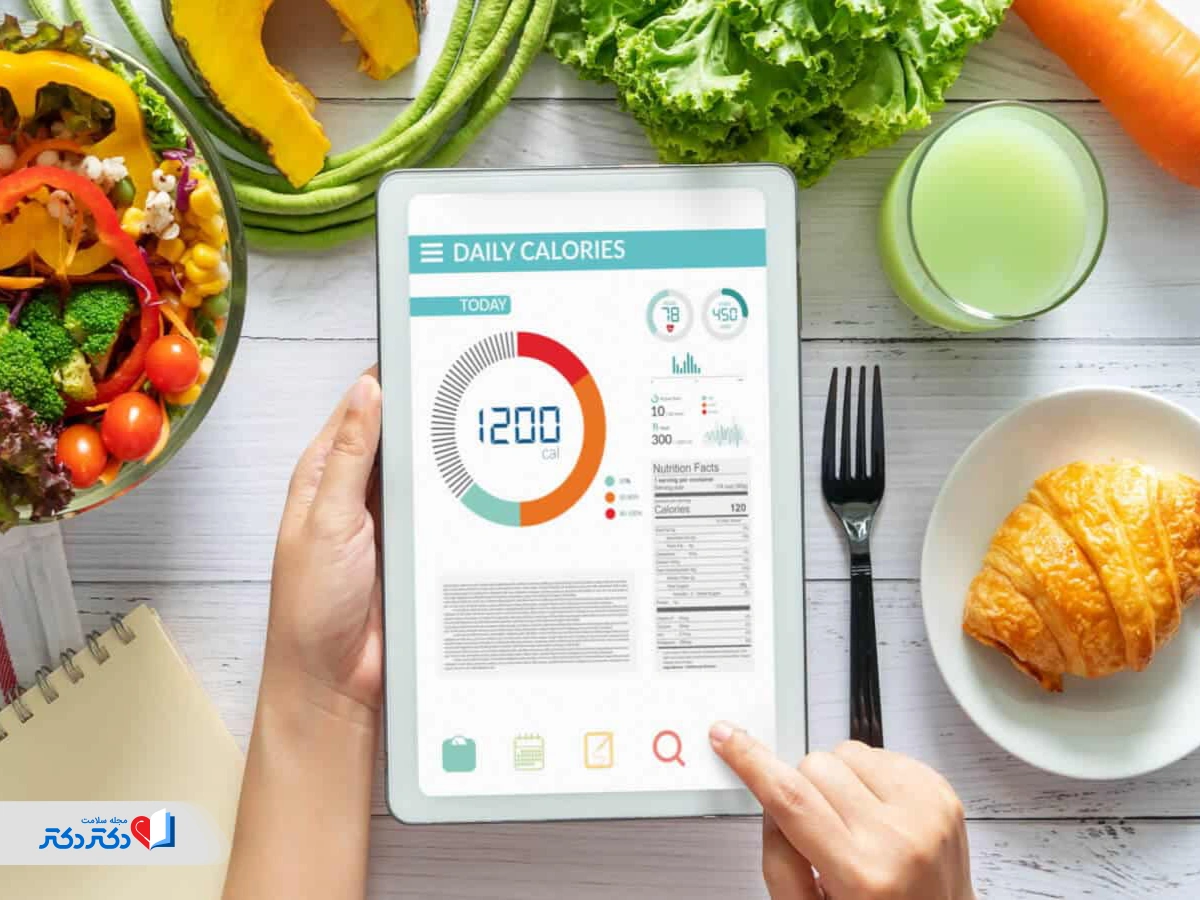
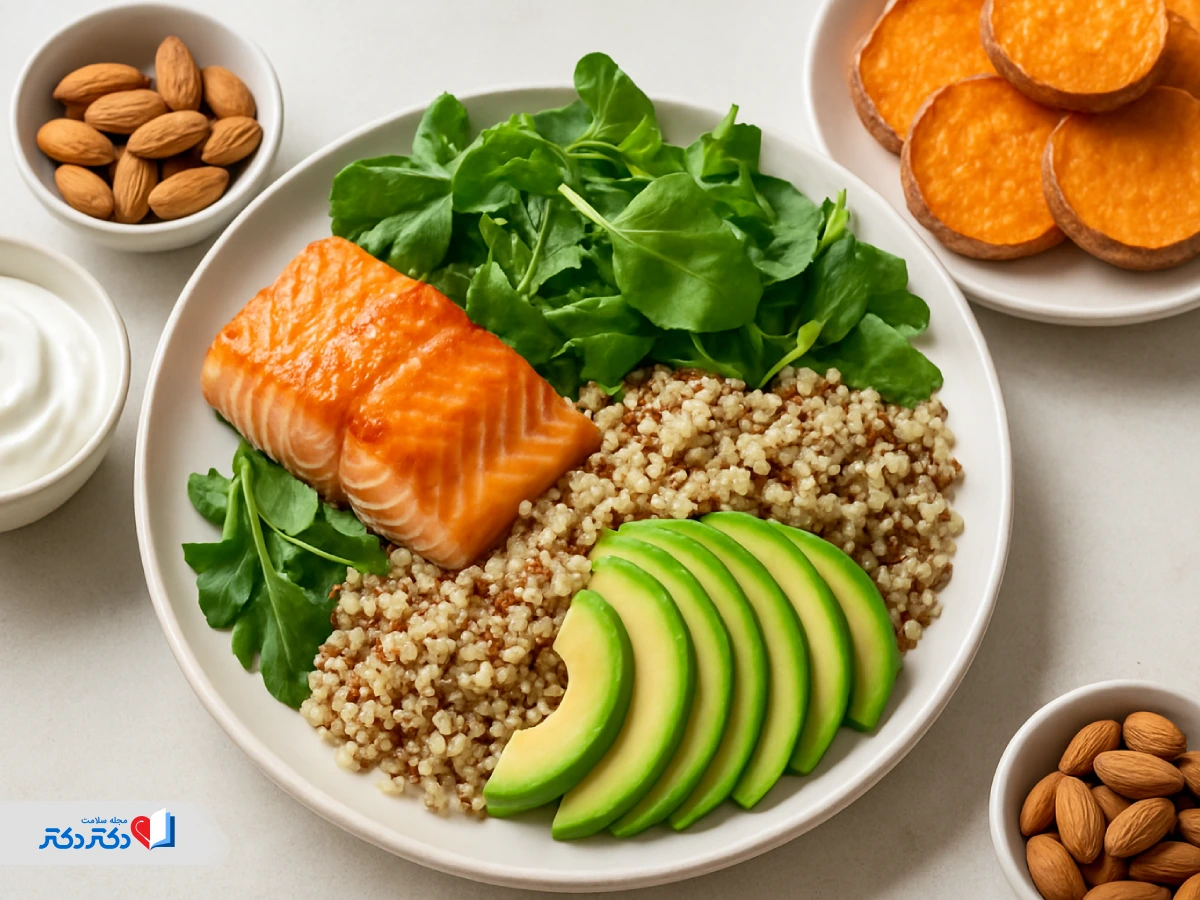
Effect of Protein, Fiber and Healthy Fat Composition
Carbohydrates are the body's preferred energy source. Complex carbohydrates contain fiber, which is important for satiety and appetite control. Complex carbohydrates include:
- whole grains: such as quinoa, oats, brown rice, whole wheat products;
- starchy vegetables: such as sweet potatoes and corn;
- legumes: such as lentils, beans, and peas;
- all fruits.
Glucose in complex carbohydrates thanks to their high fiber in the digestive system It is absorbed slowly; as a result, energy loss or sudden increase in blood sugar is prevented. Eating complex carbohydrates with protein and healthy fat is also effective in reducing the speed of digestion and absorption.
Proteins, which are necessary for maintaining and repairing body tissues, help regulate appetite and maintain lean muscles during weight loss. Along with fiber, protein is one of the most satiating nutrients. Compared to carbohydrates and fats, we need more energy to digest protein. The need for more energy means that the body burns more calories to digest protein, and this is a win-win situation.
It is better to choose lean protein sources such as skinless turkey and chicken (preferably breast), fish, eggs, tofu, tempeh, legumes and low-fat dairy products. You can also occasionally include lean cuts of beef in your diet. Protein should be part of every meal to help increase satiety and improve metabolic health.
Contrary to what some people think, fats are vital for hormone production, brain health, and nutrient absorption (especially fat-soluble vitamins A, D, E, and K). Healthy unsaturated fats such as those found in avocados, olive oil, nuts, seeds and fatty fish such as salmon or mackerel are beneficial for the body. Try to avoid trans fats and minimize the consumption of saturated fats found in fatty meats and highly processed foods.
For a balanced diet, include all three macronutrients in your meals. For example:
- Scrambled eggs with spinach, avocado and whole grain toast for breakfast;
- Grilled chicken breast, grilled sweet potatoes and green salad with olive oil dressing for lunch;
- Baked salmon, quinoa and steamed broccoli for dinner.
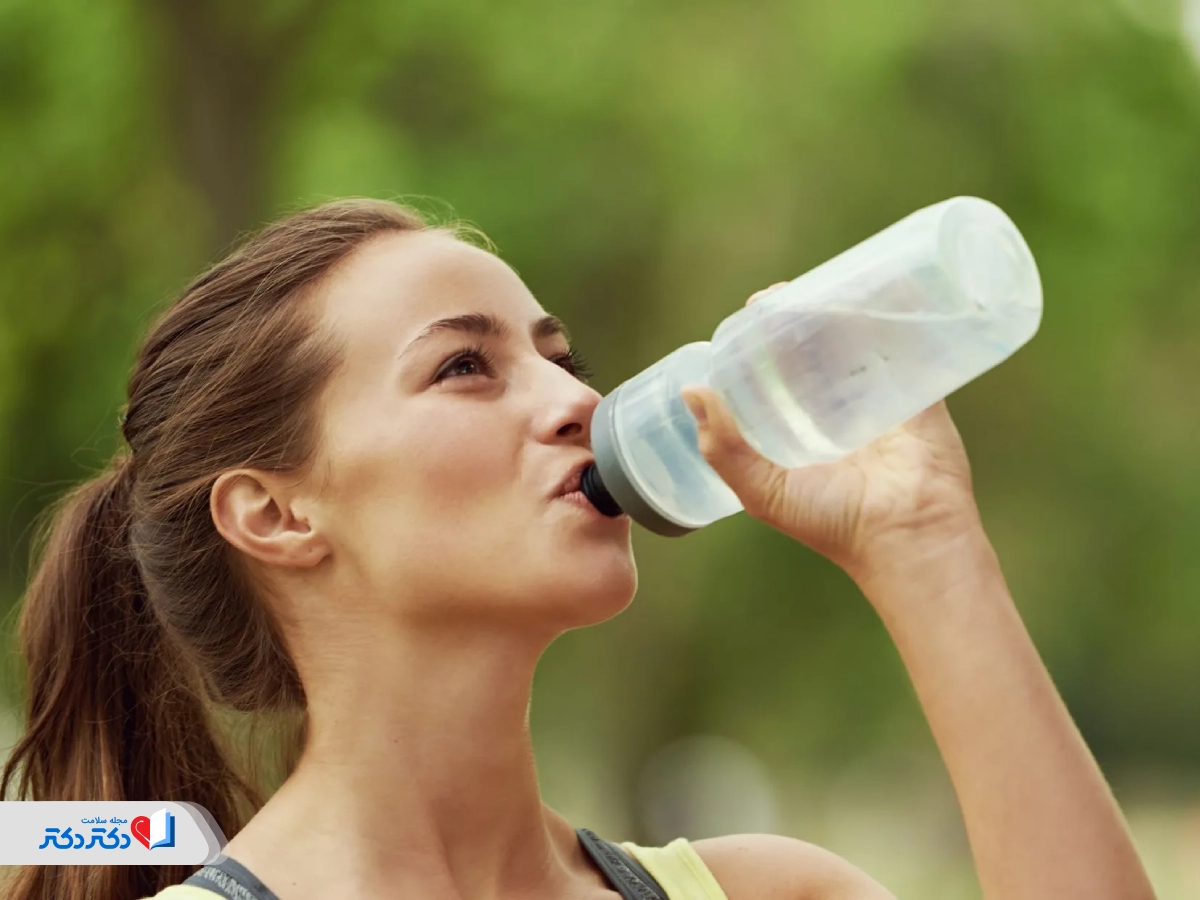
The importance of hydration and healthy drinks
Another factor that affects weight is hydration. When trying to manage weight, water is a better choice than sugary drinks because it has no calories or sugar. Replacing sugary or high-calorie drinks with water helps to lose weight. Some studies have shown that drinking water before meals can reduce food intake at meals. It means that a person can feel fuller with fewer calories. Staying hydrated is important because studies have shown that persistent dehydration is associated with weight gain.
Many people confuse thirst with hunger. As a result, instead of drinking water, they eat and consume extra calories. Water is also effective in eliminating toxins from the body and improving the delivery of nutrients to the cells.
If you drink at least 2 glasses of water before each meal, you will lose 10 pounds (about 4.5 kg) in 30 days. Drink the water cold or add cucumber, mint or pieces of fruit if you like. Most people should drink about 12 glasses of fluids a day. Of course, the amount of water each person needs depends on their metabolism, size, ratio of body fat to lean muscle and the amount of sweating. If your urine is light yellow or colorless, it means that the amount of water you drink is enough.
The importance of the amount and quality of sleep
Studies have shown that there is a relationship between sleep patterns and weight. Poor sleep is associated with increased calorie intake. Most of these calories come from high-fat snacks and refined carbohydrates. Poor sleep can also affect hormones involved in weight, appetite regulation and metabolism.
Evidence shows that people who sleep less than 7 hours a night are more likely to become obese. If you don't sleep at least 7 hours a night, see a sleep specialist to help you succeed in your weight loss program.
Foods useful for a one-month weight loss program
With smart and correct food choices, we can avoid harm to the body in addition to losing weight. Choose foods that provide all the substances needed by the body, reduce the calorie intake and at the same time make you feel full.
Foods with natural fat burning effect
Some foods increase metabolism, control appetite and are effective in reducing body fat. Of course, these foods don't work miracles, but they can be effective in burning fat and losing weight.
Greek yogurt
Greek yogurt has almost twice as much protein as other yogurts, it takes longer to leave the stomach and keeps you full for a longer time. Plus, you burn more calories digesting protein than you do carbohydrates. Choose fat-free, low-fat, and low-sugar varieties.
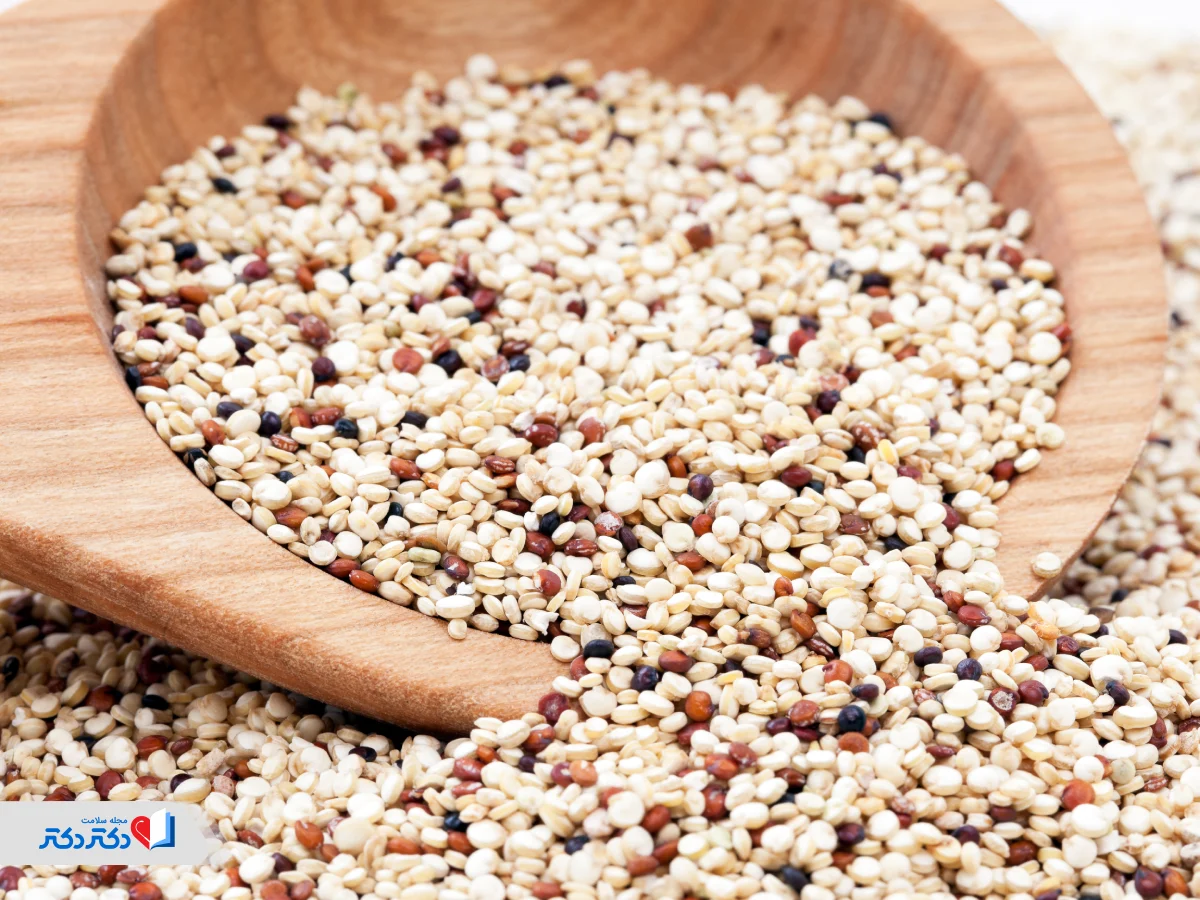
Quinoa
Each cup of this whole grain has 8 grams of protein and 5 grams of fiber, as well as iron, zinc, selenium, and vitamin E.
Cinnamon
Some studies show that cinnamon stabilizes blood sugar levels. It can reduce appetite, especially in patients with type 2 diabetes.
Hot peppers
Hot peppers contain a tasteless chemical called capsaicin. Capsaicin suppresses appetite and speeds up the body's metabolism a little, albeit for a short time. Capsaicin doesn't have much of an effect on weight, unless it makes you eat less food because of the spicy taste.
Green Tea
Green tea can help you lose weight by stimulating the body to burn fat. Green tea contains catechins. Catechin is a plant chemical that affects the metabolism for a short period of time. To get the most benefits, you may need to drink green tea several times a day.
Grapefruit
Consumption of grapefruit will make you feel fuller with fewer calories because its soluble fiber needs more time to digest. Eating half a grapefruit or a glass of grapefruit juice before a meal fills you up and makes you consume fewer calories. This signals to the body that you have eaten enough, leaving less room for other foods. Many raw fruits and vegetables are full of water and nutrients and low in calories. Watermelon is a good source of the antioxidant lycopene and also contains some vitamins A and C. Pears and Apples Pears and apples are also rich in water. For more fiber, eat them with the skin on to keep you full longer.
Berries
Like other fruits, berries are high in water and fiber, which can keep you fuller for longer. Plus berries are sweet. So you satisfy your sweet tooth with fewer calories than sweets and biscuits.
Raw vegetables
Raw vegetables are a great snack. Vegetables are full of water and filling and have few calories. For example, half a cup of chopped celery has only 7 calories.
Eggs
One egg has only 75 calories, plus 7 grams of protein and other vital nutrients. Don't forget that it burns more calories to digest eggs than a breakfast full of carbohydrates.
Coffee
Coffee increases metabolism to some extent. Don't count on it for weight loss, especially if you bump up the calories by adding sugar or milk.
Crispies
Wholemeal rye crackers, sometimes called crisps, are a low-fat, high-fiber alternative to traditional crackers. Research shows that people who replace refined grains with whole grains have less belly fat. Whole grains also have more plant nutrients. This doesn't just apply to crackers. You can enjoy the same benefits by using whole grain bread, cereals and pasta.
Lettuce
Lettuce has a lot of water that occupies the stomach space. This leaves less room for fattier foods.
Vinegar
Taste your salad with olive oil and vinegar. Vinegar has fewer calories than ready-made sauces.
Hoopz popcorn
Three cups of plain popcorn may seem like a lot, but it does not have many calories.
Skip milk
Skip milk has a lot of protein, calcium and vitamin D. Even skim milk can make you feel full. Milk takes longer to clear the stomach compared to drinks that are lower in protein.
Lean meat
Protein keeps you full longer and requires more calories during digestion. Choose your protein carefully. Dark meat is usually high in fat. Skinless chicken breast is a very good choice.
Fish
Fish is one of the best sources of protein. Most fish are low in fat, and the fatty types have omega-3 fatty acids, which are good for the body. Beans are rich in protein and fiber and fill you up with low calories. You can put some cooked chickpeas in soup or salad or puree it and use it as a sauce. One cup of chickpeas has 12.5 grams of fiber, only 4 grams of fat and almost 15 grams of protein.
Nutritious Snacks and Appetite Control
Evidence shows that increasing the number of meals with snacks is effective in managing hunger and improving blood sugar regulation. Additionally, by snacking, you can increase your intake of nutrient-dense foods such as fruits and vegetables. Choose snacks with protein, fiber, and healthy fats to keep you full throughout the day.
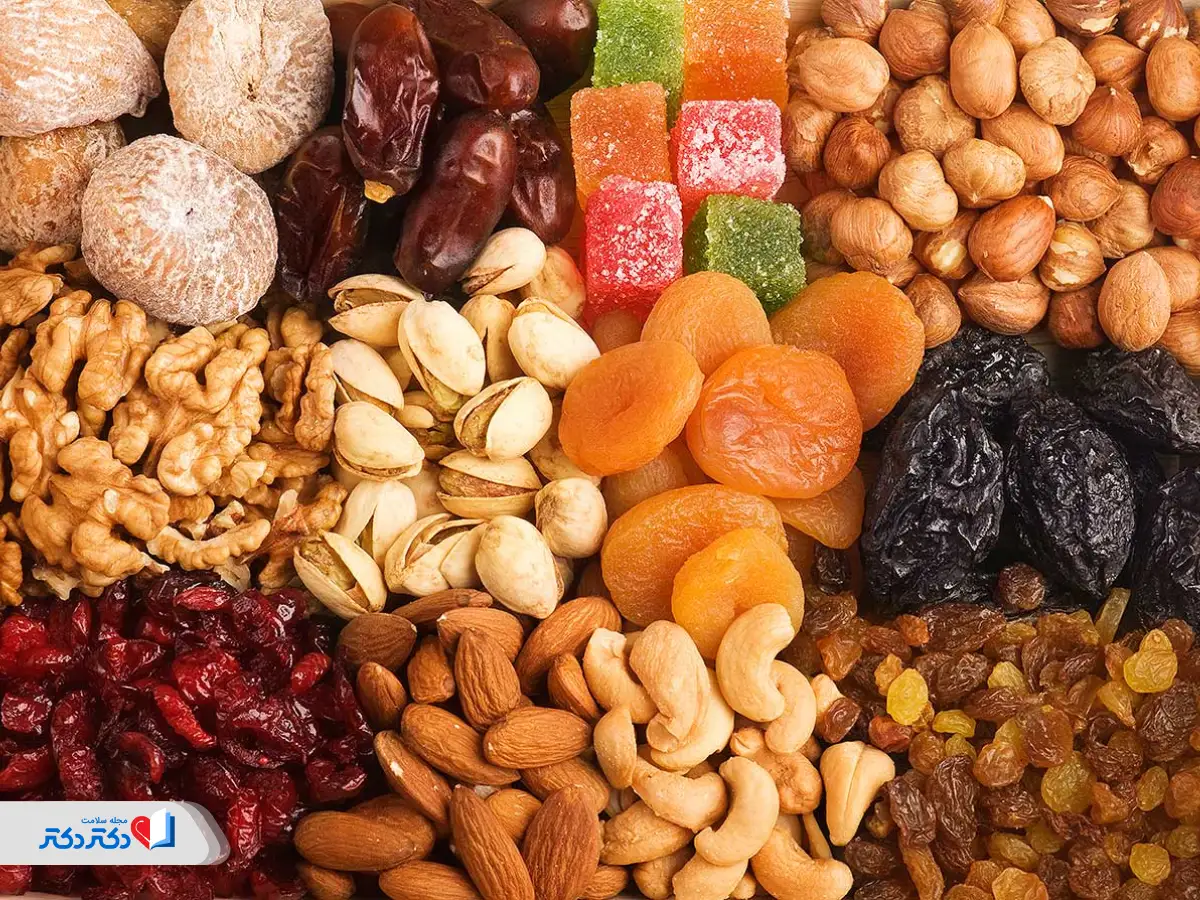
Mixed Nuts
Nuts are a nutritious snack that provides the perfect balance of healthy fats, protein, and fiber. Nuts have many health benefits and are very filling.
Greek yogurt and mixed berries
Greek yogurt is rich in protein and berries are one of the best sources of antioxidants. Add a mix of different colored berries to your yogurt for an array of nutrients and a mix of sweet and sour flavors.

Apple Slices with Peanut Butter
Apple is a high-fiber fruit, and peanuts also have healthy fats, plant-based protein, and fiber. By combining them, you will have almost all the nutrients and satiety needed for a snack. Use unsweetened peanut butter.
cottage cheese and fruit
There are 25 grams of protein in 1 cup of cottage cheese. By combining cottage cheese and fruit, you will complement the protein and fat of the cheese with the fiber of the fruit and you will have a sweet, creamy and filling snack. Try cottage cheese with tropical fruits like pineapple, papaya, or watermelon.
Celery Stems with Cream Cheese
Combine celery with cream cheese for a fiber-rich snack that combines the crunchiness of celery with the creaminess of cheese. By eating 5 small stalks of celery with about 30 grams of cream cheese, you will get almost 100 calories.
Dark chocolate and almonds
Dark chocolate contains antioxidants and almonds are a rich source of healthy fats. Try a few teaspoons of dark chocolate chips or a square of dark chocolate with a handful of almonds.
Cherry Tomatoes with Mozzarella
Toss tomatoes with mozzarella, balsamic vinegar, and a little olive oil for a snack packed with protein, fiber, and healthy fats.
Boiled Eggs
Eggs It is very filling due to its high protein content. It is true that eggs contain protein, but recent studies show that moderate egg consumption (3 to 4 eggs per week) is associated with reduced arterial stiffness (one of the risk factors for heart disease). Be sure to eat egg yolks to get important nutrients like vitamin D and choline.
Whole Wheat Toast with Canned Fish
A piece of whole wheat toast with canned fish is a very nutritious snack that will keep you full until your next meal. If you want a smaller snack, try some whole grain crackers with tuna or salmon.
Pear slices with ricotta cheese
Pear slices and ricotta cheese are a filling snack with a sweet taste and a creamy texture that provides fiber and protein.
Mixed nuts and dried fruit
By combining Dried fruits and nuts Make a mixture of nuts and dried fruits. Use sugar-free fruits and get creative with flavors. Although mixed nuts and dried fruit are a good snack to take out, keep your portion sizes small because dried fruit and nuts are high in calories.
Olives with feta cheese
Olives are one of the main nutrients in the Mediterranean diet. Olives are rich in monounsaturated fats that are good for the heart and have strong antioxidants. Combine olives with feta cheese for a snack rich in protein and healthy fats. You can eat this snack on its own or serve it with some complex carbohydrates.
Popcorn
Popcorn, of course, not the kind that are drowned in butter and oil. Three cups of popcorn has satiating fiber and less than 100 calories. You can make it taste better with a little olive oil, parmesan cheese, or nutritional yeast.
Roasted Chickpeas
Roasting chickpeas turns them into a crunchy and delicious snack. Peas are a source of vegetable fiber and protein. You can prepare the roasted chickpeas yourself or buy ready-made ones.
Harmful foods for a one-month weight loss program
In the 30-day weight loss program, you should avoid sugars, processed foods and artificial sweeteners as much as possible. Processed foods contain ingredients common in industrial food production, such as hydrogenated oils and high-fructose corn syrup, which are high in calories. In addition, these foods are usually low in fiber because manufacturers remove them during processing. Fiber is essential for weight loss because it makes you feel fuller and consume fewer calories per day.
Sweet drinks often have 150 calories or more per serving and have little nutritional value. Avoid soda, lemonade, sweet tea, coffee with added sugar, sugary sports drinks, and juice mixes. Instead, choose water, vegetable or low-fat milk, bitter coffee, sugar-free tea, or carbonated water. Usually, diet drinks and low-calorie snacks use artificial sweeteners such as acesulfame, saccharin, aspartame, sucralose, and neotame. Although these artificial sugars are often calorie-free, adding them to your diet is not an effective weight loss strategy. Because studies show that artificial sweeteners are linked to metabolic diseases and weight gain. These sweeteners can increase cravings for sweets and other sweet and high-calorie foods.
Exercise and physical activity in the 30-day weight loss program
Physical activity burns calories and reduces weight. The Centers for Disease Control and Prevention (CDC) recommends 150 minutes of physical activity per week for health benefits. Of course, this amount of activity is not enough to lose weight. International guidelines recommend 300 minutes of exercise per week for those who want to lose weight. It is better to exercise early in the day. This will increase your metabolism, improve your mood and encourage you to eat healthy foods throughout the day. Doing something immediately after waking up determines the mood of the rest of the day.
Do aerobic exercises on an empty stomach by drinking water, coffee or tea before training. If you are hungry, drink a protein shake before exercise. Exercise for at least 20 to 30 minutes on most days of the week.
The importance of aerobic and resistance training
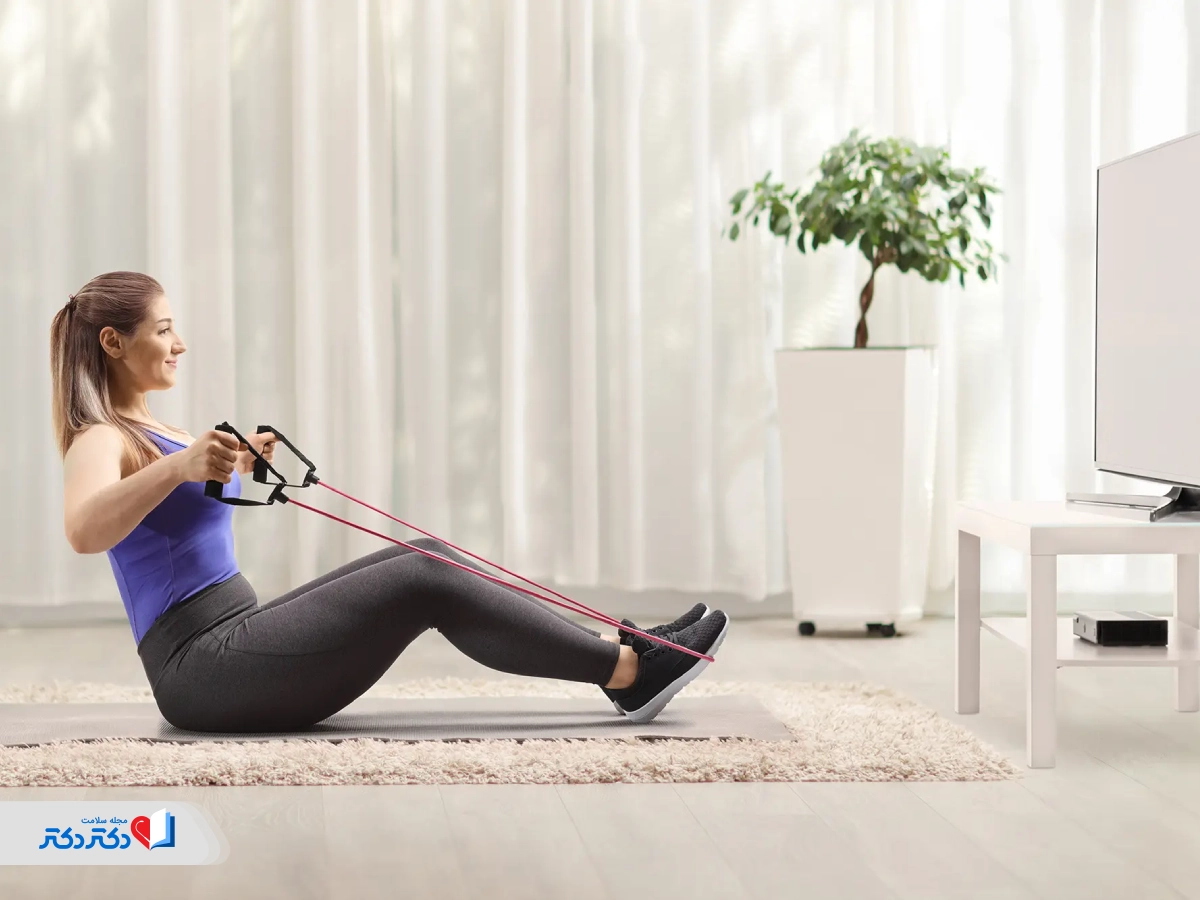
In the 30-day weight loss exercise program, choose activities that you enjoy so that you can stick to them for a long time. It is best to choose a combination of aerobic activities (such as cycling and walking) and strength activities (such as weight lifting, resistance band training and Swedish swimming). Start by walking daily and lifting light weights. Gradually increase the duration of walking and the number of repetitions with weights.
Strength and aerobic exercises are useful during the 30-day weight loss program, because combining these exercises in the daily program will reduce fat, increase strength and improve body shape.
Combining exercise with nutrition for healthy weight loss
Nutrition and exercise are both important factors in weight loss. Exercise alone and without changes in diet does not lead to significant weight loss. Because by consuming high-calorie foods and not having a healthy diet, we replace many of the calories we have burned. Diet and exercise are both important and should be combined for best results.
Medical and Scientific Tips on the 30-Day Plan
If you make slow, steady progress that includes a combination of healthy, low-calorie eating, physical activity, quality sleep, and adequate hydration, you are more likely to maintain your weight loss long-term.
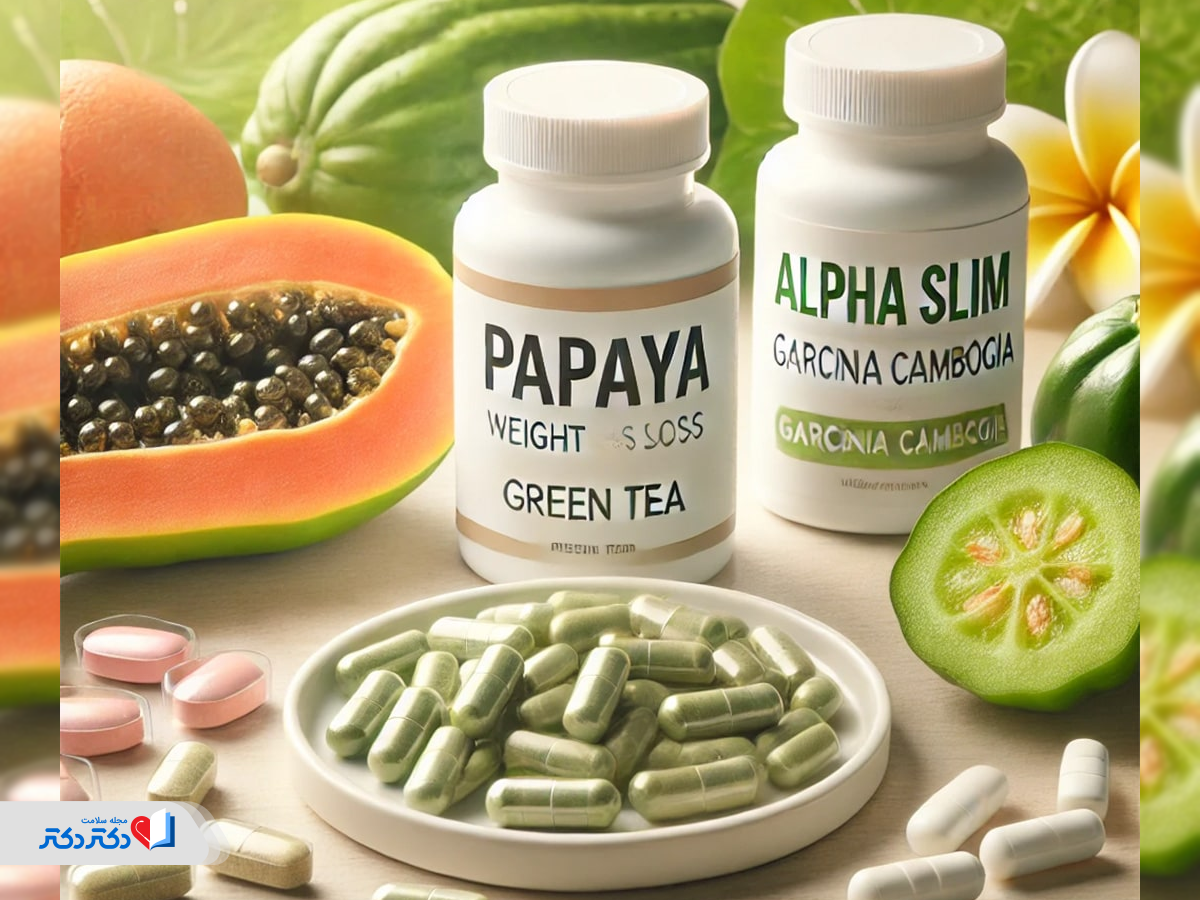
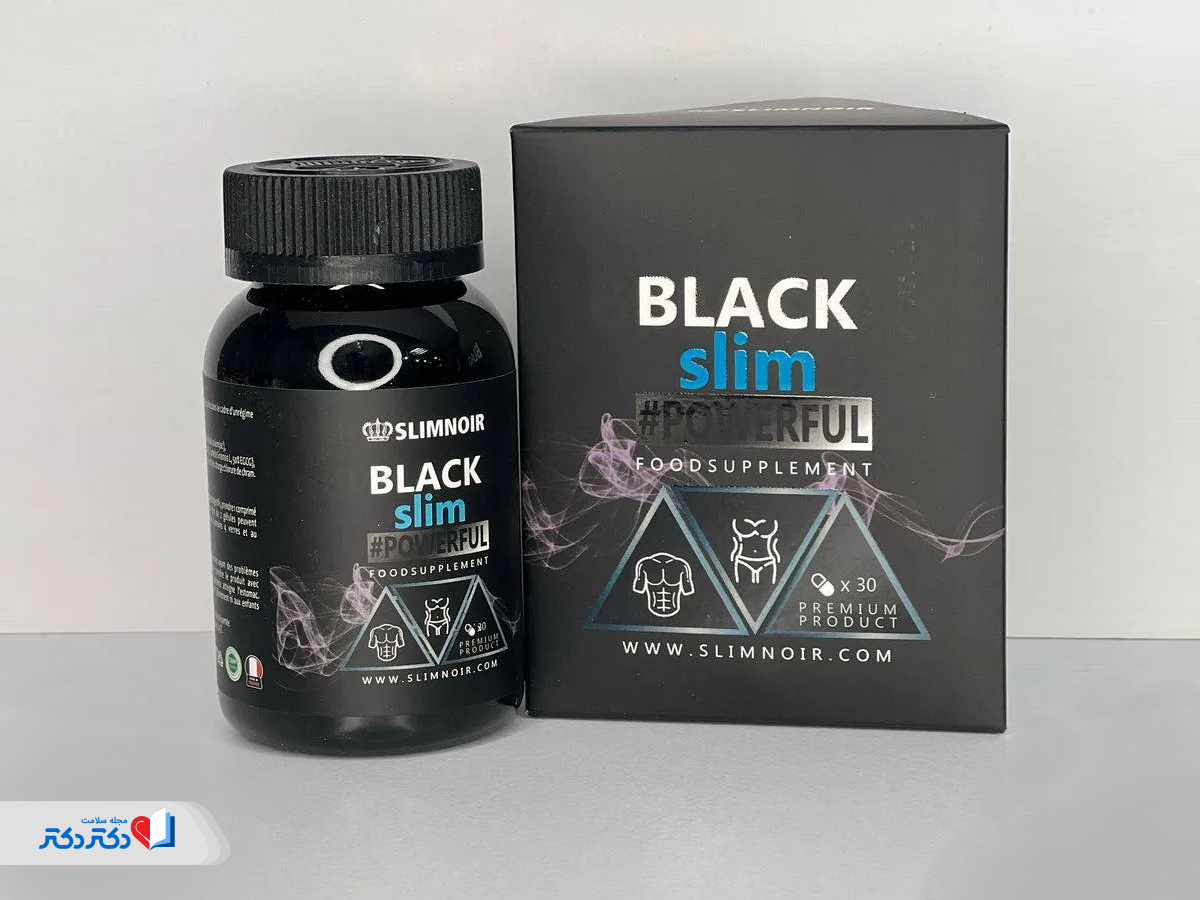
Any weight loss program should include To have the right principles and components. For the 30-day weight loss program to be effective, you must carefully control your calorie intake, have a proper diet and try to increase your metabolism. Of course, when trying to lose weight, you should not overdo it and starve yourself because this can slow down your metabolism and result in weight gain. Aiming to lose 2 to 4 kg per month is the best option. Of course, your initial weight plays a vital role; People with more weight to lose usually see faster results at first. If you want to use weight loss supplements, it is better to consult your doctor first.
Safety and restrictions for different groups
Lose weight in 30 days is difficult for some people, such as people with adrenal fatigue. Adrenal fatigue (AF) is a type of non-Addison's adrenal dysfunction in which the body is unable to cope with the chronic stressors of life. The body has an internal mechanism to deal with stress known as the neuroendometabolic (NEM) stress response. The NEM system consists of 6 circuits that include several organs and systems.
If a person is exposed to chronic stress, one or more NEM circuits are dysregulated. This issue increases the pressure on the adrenal glands to produce the hormone cortisol. Although the production of cortisol increases in the beginning, eventually the production of this hormone decreases with the exhaustion of the adrenal glands. If this process continues, adrenal fatigue is created.
In the early stages of adrenal fatigue, the level of cortisol and insulin in the blood is high. The body stores excess glucose as fat, which accumulates in the abdomen. It is very difficult to eliminate this fat because the body considers it as an active tissue and only burns the fat in this area if it has consumed the fat in other areas. In addition, it is difficult for people with adrenal fatigue to exercise vigorously.
Some people with adrenal fatigue experience reactive hypoglycemia. This drop in blood sugar makes them need to eat frequently and eat high-calorie diets to feel they have enough energy. If you suffer from adrenal fatigue, you need to address this problem first before trying to lose weight.

Other groups of people may also have problems with the 30-day weight loss diet. In these people, it is not possible to use a ready and general weight loss diet plan in 30 days, and their weight loss diet should be personalized.
- Pregnant women: Weight loss diet can cause a lack of nutrients for the fetus and increase the risk of premature birth and low birth weight of the baby.
- Nursing mothers: A sharp reduction in calories can cause a decrease in milk production. The caloric needs of lactating mothers are more than normal.
- Children and teenagers: Dieting for adults can cause growth disorders and hormonal damage.
Preventing rapid and dangerous weight loss
Rapid and dangerous weight loss is defined as a loss of more than 1 to 1.5 kg per week. To prevent it, we should replace restrictive diets with sustainable and balanced lifestyle habits. Important points include eating whole foods rich in nutrients, maintaining a consistent meal schedule, managing stress, getting enough sleep, and avoiding severe calorie deficits.
Consulting a doctor before starting a program
It is best to consult a doctor before starting a weight loss program in 30 days. Your doctor can determine if you have any medical conditions that can prevent you from losing weight. For example, thyroid hormone imbalance or low estrogen levels can interfere with your weight loss efforts. Your doctor can also take basic measurements of your blood pressure, cholesterol, and other health parameters.
Scientific evidence about 30-day weight loss
Scientific evidence supports that 30-day weight loss is possible, with a safe and sustainable goal of losing 2 to 4 kg per month. This goal can be achieved with a combination of a low-calorie diet and increased physical activity. Faster weight loss is also possible, but it can lead to muscle loss, nutrient deficiencies, or faster weight regain.
Clinical and Research Studies
Determining the 30-day time frame is not random. Research shows that it takes about 21 to 30 days to form new habits. A one-month weight loss program gives you the right amount of time to develop sustainable behaviors. This limited time creates what psychologists call "true urgency" because you need to act now, not later. Participants in 30-day weight loss programs feel motivated to make progress every day because they see a clear end point.
Fixed time intervals keep you from falling into the "I'll start on Saturday" trap. During these intervals, you focus on the finish line instead of the endless experience. Research shows that "a 30-day challenge allows you to create healthy habits that will stick with you for the rest of the year".
Plus, our brains respond better to smaller, manageable weight loss goals than to long-term, overwhelming commitments. According to fitness experts, humans love limited goals. Having a fixed and constant training schedule is unbearable for most people. "Today, people have short attention spans and need constant variety, so we prefer focused plans of 30 days or less."
Short-term goals are effective because:
- They are achievable: you can more easily reach realistic, short-term goals.
- They are motivational: small victories keep you motivated.
- They are measurable: you can better track the progress in a certain period of time.
Long-term effects of one-month programs on health
Although weight loss is usually the main goal, following a 30-day weight loss program can have far-reaching effects that go beyond simply losing a few kilos. Lifestyle changes help to form healthier eating habits that can lead to the following:
- Better digestion and less bloating;
- Reduced sugar cravings;
- Improved energy levels;
- Improved mood and concentration;
- Increased sleep quality;
- Clear skin. Different people are not the same.

DoctorDoctor's Last Word
The 30-day weight loss program is one of the types of weight loss methods that can be a good starting point. Adhering to a proper low-calorie diet and increasing physical activity in 30 days will change your lifestyle. In this way, you can maintain your weight loss in the long run. Do not forget that adequate and high-quality sleep and stress reduction also play a role in weight loss. To achieve the best results, combine your weight loss program with regular exercise, mindfulness, and adequate sleep and rest.
Before any new weight loss program, it is best to consult your doctor, especially if you have health problems or diseases that may prevent you from losing weight. You can always use Dr.Doctor services to get an in-person appointment or online medical consultation. You can find the best specialists in the country and get help from them with the ability to search for doctors in DoctorDoctor.
Frequently Asked Questions
What type of physical activity is recommended for the 30-day program?Choose a combination of aerobic activities (such as cycling and walking) and strength activities (such as weight lifting and Swedish swimming). You can start by walking and lifting light weights every day, and after a few weeks, walk for longer periods and do more repetitions with weights. noopener" target="_blank">verywellfitTags:The content of this article is for your general information only and does not constitute medical prescription.