Table of contents
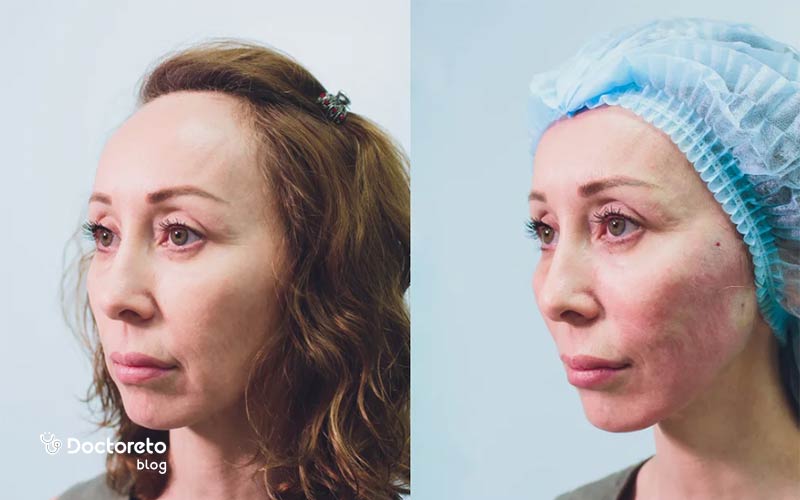
In the beauty technique of thread face lift, special medical threads are used to lift and tighten the skin. This popular method is usually safe and harmless and rarely causes some side effects. The most common complication is facial swelling and bruising after treatment. In this article, we ask your doctor to check the tricks of treating facial swelling after a thread lift, which will significantly improve facial swelling.
What is the treatment for facial swelling after a thread lift?
After thread face lift, swelling and bruising are a natural part of the healing process and usually disappear gradually. This face edema should improve within a week of treatment. But if you find that the swelling is more severe and remains for a longer period of time, a series of simple procedures that are part of the thread facelift aftercare instructions can help maintain the healing process and reduce swelling and discomfort. The best solutions for treating facial swelling after a thread lift are:
- Cold compress
- Keeping the head up
- Avoid heavy activities
- Drink enough fluids
- Gentle facial massage
- Healthy diet
- Avoidance of tobacco and alcohol
- Use of non-steroidal anti-inflammatory drugs
- Using anti-inflammatory creams
1. Cold compress
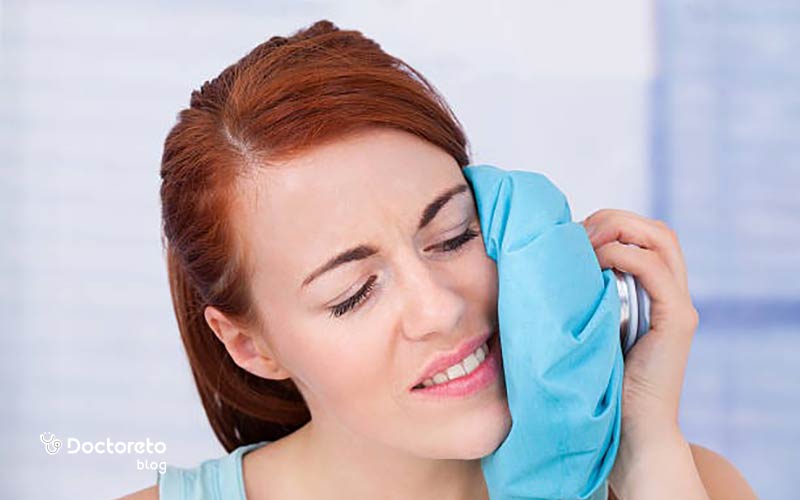
One of the most effective ways to treat facial swelling after a thread lift is to use a cold compress or ice. You can wrap some ice packs in a soft towel and place it gently on the swollen area for about 10 to 15 minutes every hour. Be careful not to put the ice directly on your skin, as this can cause burning and discomfort. By constricting blood vessels and reducing blood flow, the ice compress effectively reduces swelling and helps maintain the healing process.
English text:
cleanslatelaserclinic
Cold therapy helps constrict blood vessels, reducing blood flow and minimizing swelling. Wrap the ice pack in a clean cloth to prevent direct contact with the skin and apply it for 10-15 minutes at a time. Translation of the text: Cold therapy helps to constrict blood vessels, reduce blood flow and minimize swelling. Wrap the ice pack in a clean cloth to avoid direct contact with the skin and apply it for 10-15 minutes at a time.
2. Keeping the head up
The second simple action you can take as a treatment for face swelling after a thread lift is to keep your head up while sleeping. Use an extra pillow or two to keep your head up and never put your face on the pillow. This simple task will reduce the accumulation of fluids in your face and neck, thus helping to reduce swelling.
3. Avoiding heavy activities
Usually, after a thread face lift, the doctor advises you to avoid any sports or heavy activities that put pressure on the facial muscles. You should refrain from vigorous activity or lifting heavy objects for at least 48 hours after a thread lift. Physical pressure and tension can aggravate the swelling and prolong the healing process. Instead, as a treatment for face swelling after a thread lift, prioritize rest and relaxation so that your body can heal more effectively.
English text:
drscottallison
Avoid strenuous activities that can increase blood flow to the swollen areas and worsen your symptoms.
Text translation:
Avoid strenuous activities that can increase blood flow to the swollen areas and worsen your symptoms.
4. Drink enough fluids
Staying hydrated is one of the effective tricks for treating facial swelling after a thread lift and can significantly improve swelling and bruising. In the first days after a thread lift, drink a lot of water to stay hydrated; Because it supports the body's natural healing mechanisms. Proper hydration helps flush out toxins and reduce fluid retention, minimize swelling, and speed recovery. Try to drink at least 8 to 10 glasses of water a day and avoid alcohol and excessive caffeine consumption, which can dehydrate the body.

5. Gentle facial massage
One of the important points in the treatment of facial swelling after a thread lift is to refrain from touching and massaging the face for three weeks after the treatment. After three weeks, you can use very gentle impact movements on the skin to reduce the swelling and place the threads under the skin, according to the doctor's opinion. Gentle face massage with circular movements and fingertips improves blood circulation and can speed up the healing process.
6. Healthy diet
Eating certain foods can affect your healing process and make swelling worse. Instead, some foods have an anti-inflammatory effect and their consumption will help to maintain your healing process. Add anti-inflammatory foods like berries, nuts, and green leafy vegetables to your diet to reduce swelling and bruising faster. Consuming salty foods can worsen swelling.
There is another important point about the diet after a thread face lift, and that is the type of food you should eat in the first week after the treatment. Stick to soft, easy-to-chew foods for the first week. Hard, crunchy or chewy foods require a lot of jaw movements, which can affect the healing process and may increase facial swelling.

7. Avoiding smoking and alcohol
Another important thing that can affect the reduction of swelling and bruising after a thread facelift is to avoid smoking and drinking alcohol. Smoking and alcohol are among the things that can increase swelling and prolong your recovery. For this reason, one of the important recommendations of the doctor to treat facial swelling after a thread lift is to avoid smoking and limit drinking alcohol.
8. Use of non-steroidal anti-inflammatory drugs
Over-the-counter medications, such as nonsteroidal anti-inflammatory drugs, can help reduce swelling. However, always consult your doctor before taking any medication. Some medicines may be contraindicated for you according to your condition. In addition to non-steroidal drugs, a series of supplements such as bromelain and arnica also help reduce swelling and bruising, which you should still take with your doctor's advice.
9. Use of anti-inflammatory creams
In some cases where the amount of facial swelling and inflammation is higher than usual, the doctor may prescribe a series of steroid anti-inflammatory creams to reduce the swelling. Anti-inflammatory creams prescribed by your doctor can help speed up the healing process and reduce inflammation. However, to use these creams as a treatment for facial swelling after a thread lift, be sure to follow the doctor's instructions so that other side effects do not occur on your facial skin.
| Method of treatment | Short description |
|---|---|
| Cold compress | Wrapping ice in a soft towel and leaving it on the swollen areas for 10 to 15 minutes will help reduce swelling. |
| Elevating the head | Elevate the head with several pillows when sleeping. to reduce fluid accumulation in the face and reduce swelling. |
| Avoid heavy activities | Avoid vigorous exercise and lifting heavy objects for at least 48 hours so that the swelling does not worsen. |
| Drinking enough fluids | Staying hydrated by drinking at least 8 to 10 glasses of water a day helps to improve swelling and eliminate toxins. |
| Gentle facial massage | After three weeks, with the doctor's permission, you can perform a gentle massage with circular movements to improve blood circulation. |
| Healthy diet | Consumption of anti-inflammatory foods such as berries, nuts and vegetables and avoiding salty foods will help reduce swelling. |
| Avoid Smoking and alcohol | Reduces swelling and speeds up the healing process. |
| Using non-steroidal anti-inflammatory drugs | Over-the-counter anti-inflammatory drugs can reduce swelling, but you should consult a doctor before using them. |
| Using anti-inflammatory creams | Anti-inflammatory creams prescribed by a doctor in Cases of severe swelling help to reduce inflammation and speed up recovery. |
Conclusion
While swelling is a common and expected side effect of thread lift procedures, it can usually be easily managed with the help of some simple tricks such as Treatment for face swelling after a thread lift. After the treatment, the doctor will give you the necessary care instructions, following which the facial swelling will gradually decrease after a few days. But if the swelling doesn't go away after a few days or if you notice other symptoms, you should definitely see your doctor to track the cause of this swelling and treat it in time.
Your doctor takes care of your beauty!