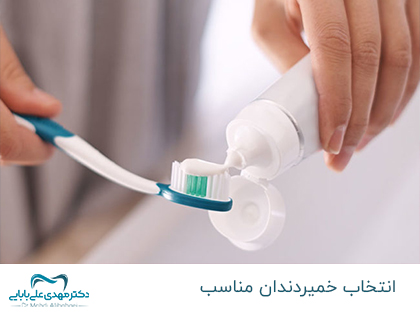

در زمان خرید خمیر دندان، تا به حال شده که به تمام جعبههای رنگارنگ خمیر دندان در قفسه فروشگاه خیره شوید و فکر کنید کدام یک برای شما بهترین است، در این مقاله چند نکته وجود دارد که به شما کمک میکند تا تصمیمات آگاهانهتری در مورد خرید انواع خمیر دندان بگیرید.
وقتی به دنبال خمیردندان میگردید، متوجه میشوید که هر کدام از آنها ادعاهای مختلفی در مورد محافظت از حفره، التهاب لثه، پلاک، حساسیت، جرم، سفید کننده و شاداب کننده نفس شما دارند.
معرفی انواع خمیر دندان
Table of Contents
انتخاب خمیردندان مناسب به این بستگی دارد که خمیردندان چقدر دندانهای شما را تمیز میکند و چقدر حس تازگی را در دهان شما ایجاد میکند. Of course, certain brands of toothpaste claim to offer different benefits, which can be confusing.
- If you don't have special dental conditions, toothpaste containing fluoride may be sufficient.
- If any dental disease like gum disease or hypersensitivity, talk to your dentist for a recommended toothpaste for your condition.
- Choose the toothpaste that has the seal of approval of the Iranian Food and Drug Organization, which indicates its safety and efficiency.
As we said, choosing a toothpaste can sometimes be confusing because there are so many options available. Choosing the right type of toothpaste is very important to maintain oral health. Since most people brush their teeth regularly, the right type of toothpaste helps a lot in maintaining oral health.
Generally, toothpaste contains ingredients that are abrasive, flavoring, moisturizing, thickening and detergent agents. Toothpaste is usually available in the form of gel or paste, regardless of the form, toothpastes can be classified according to their medicinal properties.
Some of the toothpaste options available are:
- Children's toothpaste.
- Toothpaste containing fluoride.
- Whitening toothpaste.
- Sensitivity toothpaste.
- Controller toothpaste.
- Herbal toothpaste.
Toothpaste for children
Children's toothpaste has bright colors like red, fruity scent and attractive packaging to encourage brushing habits. Children over six years of age often use adult toothpaste. For children, fluoride toothpaste with 1,500 parts per million (ppm) helps prevent cavities compared to toothpaste without fluoride. For adults, the amount of fluoride in toothpaste is usually 1,000 ppm or more.
Children may develop chronic fluorosis if they consume large amounts of toothpaste. Keep their toothpaste out of their reach to prevent them from accidentally swallowing it. Also, it is very important to teach children to spit out the toothpaste instead of swallowing it.
Toothpaste for healthy teeth
For healthy adults without any oral disease such as gingivitis or caries, fluoride toothpaste is a good option to maintain oral health. Fluoride makes tooth enamel stronger, making it less susceptible to damage from bacterial acids. Bacterial acids can destroy teeth and cause decay. Fluoride can help rebuild teeth to reverse the early stages of damage.
In many countries, drinking water is treated with fluoride to reduce tooth decay. This public health measure has been beneficial and has reduced dental cavities. But even in areas where there is enough fluoride in the drinking water, toothpaste containing fluoride can help make teeth stronger.
Another option for healthy adults is whitening toothpaste. Although teeth whitening can be done at the dentist's office, many people prefer a home treatment using whitening toothpaste. Whitening toothpaste helps to remove any foreign stains on tooth surfaces. These spots can be caused by smoking or drinking caffeinated drinks.
Whitening toothpaste contains whitening agents such as silica, pyrophosphates and hydrogen peroxide. Some of these agents may be abrasive and cause irritation in or around the mouth. Consult your dentist if you notice such symptoms. Whitening toothpaste is not useful for any internal lesions such as caries.
Toothpaste for dentine hypersensitivity
When people experience toothache in the dentin area, it is called dentin hypersensitivity. Sometimes patients are unable to eat cold or hot items such as coffee or ice cream. If you feel a toothache when you touch it or any other stimulus, consult your dentist.
For desensitizing, there are several dental products such as gum and mouthwash. People mostly use toothpastes containing potassium and fluoride. Toothpastes containing strontium chloride, calcium carbonate or arginine are also popular. Research has shown that toothache decreases after at least eight weeks of using hypoallergenic toothpaste.
control toothpaste
Harmful oral bacteria cause the formation of biofilm on the teeth, which leads to the formation of dental plaque. When salivary calcium and phosphate become trapped in the biofilm, they can crystallize and form dental plaque or tartar. Dental hygienists can remove bacteria during preventive care visits. But for home care, plaque control toothpaste may be helpful. These toothpastes contain ingredients such as zinc citrate and antibiotics (triclosan) to control bacteria.
Toothpaste Herbal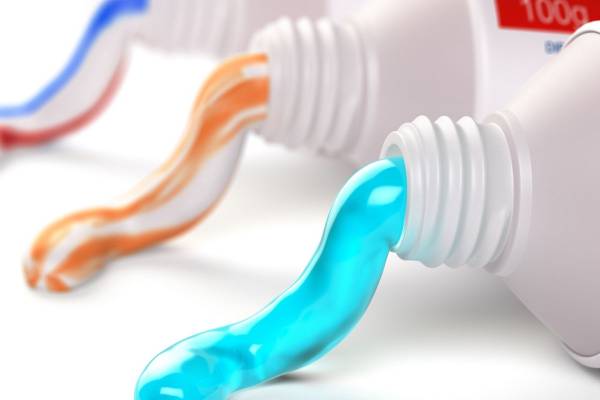
Instead of synthetic active ingredients, some toothpastes contain natural plant extracts. The most common ingredients of herbal toothpastes are cloves, cinnamon, mint, toothbrush, charcoal powder. Research shows that herbal toothpastes are as effective as non-herbal toothpastes in reducing dental plaque and gingivitis. However, more scientific studies are needed to draw further conclusions.
Many herbal toothpastes are also made in an environmentally friendly way, for example, instead of using traditional tubes, they package them in compostable cans and bottles. These containers can be recycled after using toothpaste.
If you want to choose your toothpaste quickly, choose a toothpaste that has the Iranian Food and Drug Organization seal of approval. The seal of approval shows that this product has been independently evaluated by experts and found to be safe and effective. Toothpaste with the seal of approval of the Food and Drug Organization of Iran does not contain any sugar or flavoring that can cause tooth decay and must contain fluoride.
In general, your dentist will recommend a suitable toothpaste during your visit for preventative care. Talk to your dentist about any specific concerns you may have. Choose the right toothpaste because this is one of the easy ways to maintain oral health. To consult with the best dentist in Tehran, contact us.
Does whitening toothpaste really whiten?
Whitening toothpaste may whiten your teeth, although most do not contain enough whitening ingredients to get noticeable results in the short term. However, it may also cause sensitivity with long-term use.
Should I not rinse my mouth with water after brushing my teeth?
For any toothpaste, including sensitivity toothpaste, you get the benefit of not rinsing after brushing because it allows the ingredients to be fully absorbed by your teeth and gums. However, people usually want to rinse. Additionally, sensitive toothpastes usually don't taste as good as regular toothpastes.
With any toothpaste, brushing afterwards minimizes the benefits because you wash away fluoride, which helps remineralize teeth and reduce sensitivity. A good rule of thumb is to not rinse, eat or drink for 30 minutes after brushing. I recommend brushing your teeth immediately before going to bed.
Does toothpaste really repair tooth enamel?
Many brands on the shelves claim that their toothpaste can restore tooth enamel. The truth is that it is possible, but it also depends on the condition of your teeth. As long as the toothpaste is fluoridated, the toothpaste will help restore tooth enamel that has not yet decayed. However, once decay is present, all bets are off and it will not help your tooth decay.
Should I try aloe vera toothpaste?
You may also see different brands of toothpaste that contain aloe vera. Again, you may be wondering if it matters if you choose to your oral health adds.
There is little evidence that aloe vera helps reduce or fight plaque and gingivitis better than traditional toothpaste. In addition, some of these brands do not contain fluoride, which is an essential component of toothpaste.
What will charcoal toothpaste be like?
Charcoal toothpaste, a relatively new product on the market, has become the latest trend to hit product shelves and internet marketing campaigns. In general, you should avoid products containing charcoal on your teeth.
In reality, charcoal is abrasive and there is little evidence that its use is beneficial. Either way, charcoal can actually damage your tooth enamel and lead to long-term sensitivity.
Remember, along with flossing, using a good toothpaste is an essential part of your daily dental care. Pastes, gels or powders increase the brushing and cleaning power of your toothbrush. Make sure they contain fluoride to effectively remove plaque, the layer of bacteria that forms on your gums and teeth after eating.




