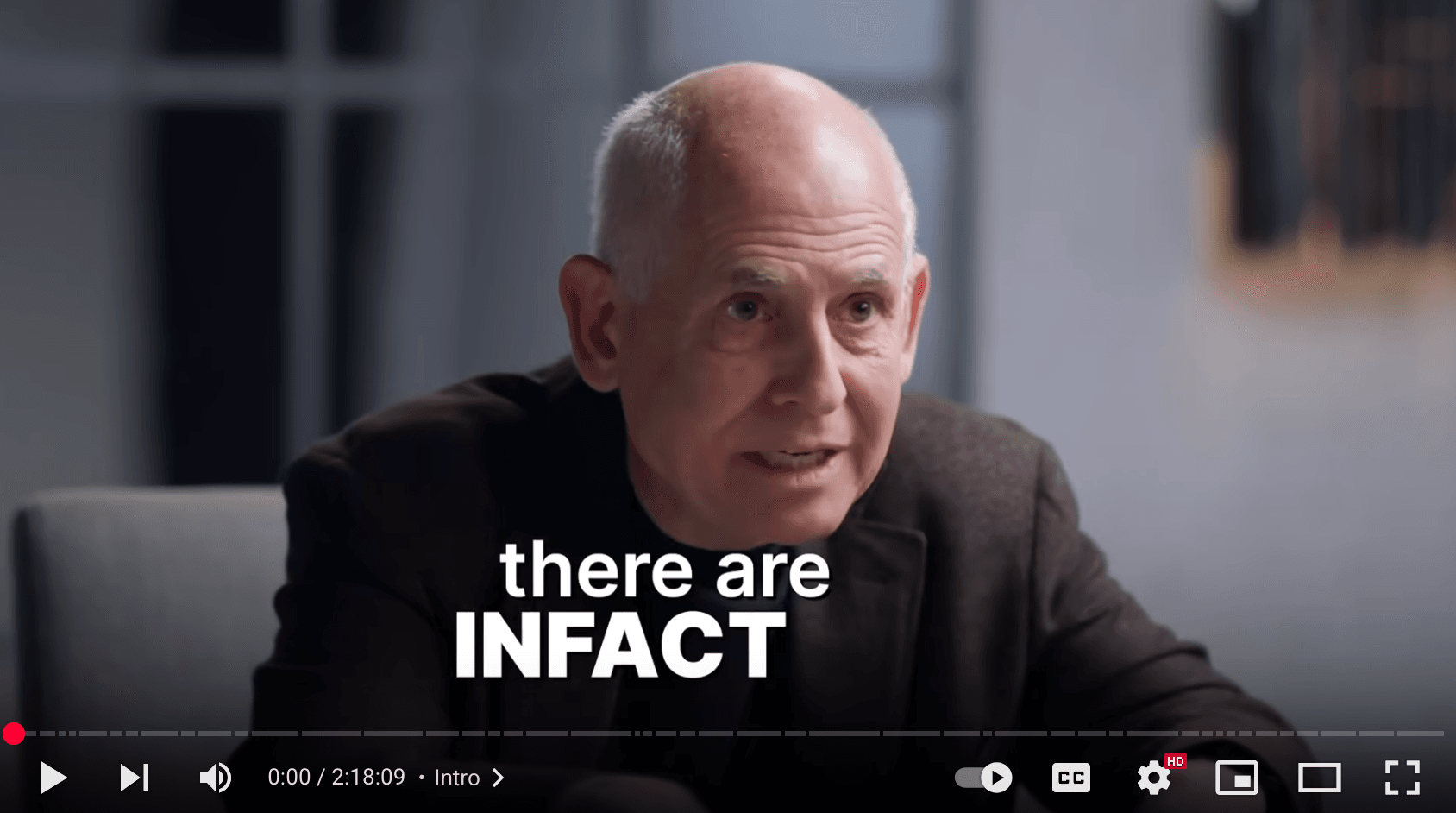


This scientific review has a comprehensive look at the importance of brain health, the factors affecting it, and scientific solutions to strengthen brain function. Renowned psychiatrist and pioneering brain expert Dr. Daniel Amen has provided valuable insights by reviewing more than 260,000 brain scans – including those of celebrities such as Justin Bieber and Miley Cyrus.
He emphasizes that the brain is the center of decision-making, personality and human intelligence:
"When the brain works right, you also act right; And when the brain doesn't work well, everything goes wrong.”
Key themes in this review
1. The importance of the brain in the quality of life:
- The brain is the main controller of thinking, emotions, behavior and relationships.
- Many mental and social problems originate from dysfunction of the brain.
- Strengthening the health of the brain means optimizing daily life.
2. Destructive factors of the brain (Brain Rot):
- Unhealthy diet: consumption of simple carbohydrates and sugar increases the risk of Alzheimer's by 400%.
- Alcohol and drugs: even moderate consumption of alcohol damages the brain; Also, marijuana, psychoactive drugs and stimulants reduce brain volume and the occurrence of Disorders
- Digital addiction and pornography: These factors disrupt the areas related to motivation, concentration and mood in the brain.
- Physical blows to the head: Sports such as football can reduce "brain storage".
- Other factors: hormonal fluctuations, infections (such as Covid-19), psychiatric drugs, and environmental pollution also have a negative effect.
3. Strategies to strengthen and increase cognitive function:
- Brain-friendly nutrition: Diets rich in healthy fats, protein and antioxidants significantly reduce the risk of Alzheimer's.
- Regular exercise: A 45-minute brisk walk, four times a week, is equal to the effectiveness of antidepressants.
- Consumption of supplements: Vitamin D, omega-3, multivitamins and saffron help improve mood and brain function.
- Negative thought management (ANTs): Identifying, analyzing and replacing negative automatic thoughts are the keys to mental success.
- Meditation and deep breathing: simple breathing techniques, Anxiety and strengthen the function of the prefrontal cortex.
- Having a purpose in life: A purposeful life keeps the brain more active and prevents from
- Healthy social relationships: communication with others causes the release of dopamine and increases life satisfaction.
4. Caring for the brain in childhood:
- Allocating "special time" daily for the child, listening actively and supporting the solving of his problems without excessive intervention.
- Education by modeling behavior and avoiding responding to anger by giving points.
- Protecting the developing brain until the age of 25 is very vital.
5. Mental health challenges:
- Misdiagnosis and treatment: Widespread prescription of antidepressants by non-specialist doctors regardless of the underlying cause.
- Alzheimer and
Brain reserve is the amount of brain tissue and its extra function to deal with stress and injuries. This reserve is built from the fetal period to adulthood, through nutrition, exercise, stress reduction and avoiding toxins.
Key points and important statistics:
- Dr. Amen has performed more than 260,000 brain scans.
- The word “Brain Rot” was chosen as the word of the year 2024; A sign of global concern about brain health.
- Alcohol consumption, even in small amounts, causes disruption of the white matter of the brain.
- Saffron has the same effects as antidepressants, but without the side effects.
- The brain of teenagers exposed to pornography or video games suffers from reduced motivation and memory. Negativity is harmful to the brain; Just as noise pollution and hearing loss are also risk factors.
- Spiritual connection and having hope play an important role in the structure and function of the brain.
Practical suggestions for improving brain health:
- Love your brain: The most important step is to value and take care of the brain consciously.
- Healthy lifestyle: proper nutrition, enough sleep, regular exercise and avoiding Toxins.
- Stress and negative emotions management: using breathing techniques, meditation and attitude modification.
- Purposeful life: setting clear goals in different areas of life and adapting behavior to it.
- Continuous learning: new mental activities, study and intellectual exercises.
- Strengthening social relationships: creating and maintaining positive relationships and Avoiding toxic interactions.
This document, inspired by the scientific views of Dr. Daniel Amen, is an effective step in promoting public awareness about brain health and scientific solutions to improve the quality of life.
Source:
https://www.youtube.com/watch?v=bOi_Y4ythYY