
Physiotherapy for lumbar disc includes stretching exercises, corrective movements, strengthening exercises, heat and cold therapy, laser and ultrasound. This non-surgical method reduces pain and increases the flexibility and stability of the spine. Starting physiotherapy from the early stages of the disease prevents further injuries. Physiotherapy is known as one of the most effective methods of non-surgical treatment of lumbar disc. Spine problems such as lower back pain, leg cramps, and limited mobility can reduce quality of life. With physical therapy, patients can reduce pain, improve flexibility, and strengthen back supporting muscles.
In this article, focusing on physical therapy, the causes, symptoms, diagnosis methods, disease severity, useful exercises, and lifestyle of patients with lumbar disc are reviewed.
Read more: The difference between lumbar disc and muscle cramp
The causes of lumbar disc and its relationship with physiotherapy
Physiotherapy for lumbar disc is used not only to treat but also to prevent lumbar disc injuries. The main causes of lumbar disc herniation include the following, each of which can be managed with physical therapy methods:
- Lifting heavy objects: Physical therapy techniques teach how to prevent pressure on the disc by maintaining the spine.
- Long sitting: Physical therapists suggest corrective movements and stretching exercises to reduce pressure on the disc.
- Excessive weight: Physical therapy exercises combined with Lifestyle recommendations help control weight and reduce pressure on the spine.
- Incorrect sports movements: Specialized physical therapy exercise programs teach safe movements.
- Aging: Physical therapy with flexibility and strengthening exercises can reduce the effects of aging on the disc.
Read more: Exercise after lumbar disc surgery
Lumbar disc symptoms and how to manage them with physical therapy
Physiotherapy for lumbar disc can reduce lumbar disc symptoms and improve daily functioning. Common symptoms include:
- Lower back pain: physical therapy with stretching and strengthening exercises reduces pain.
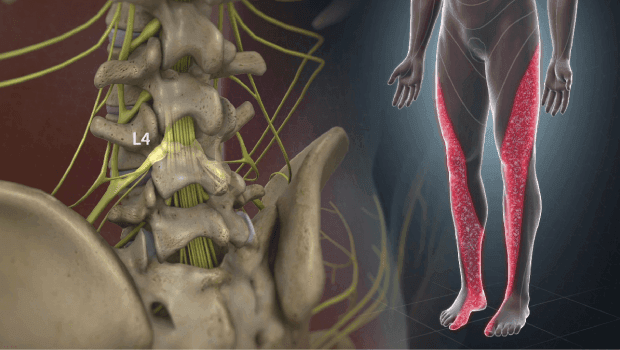
- Legging (sciatica): spinal correction exercises reduce the pressure on the sciatic nerve.
- Numbness and weakness of limbs: strengthening and balance exercises restore the ability to move.
- Movement limitation: range of motion exercises increase flexibility and reduce joint stiffness.
Read more: Degenerative Lumbar Disc
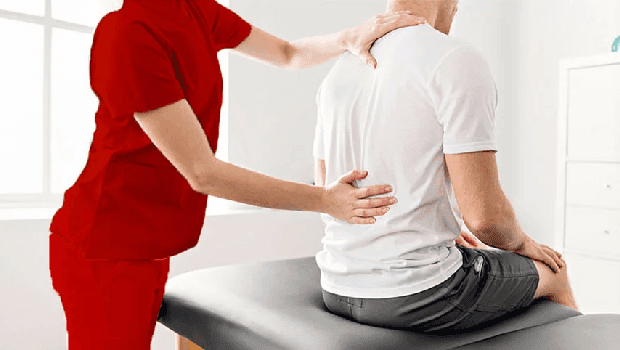
Diagnosis of the lumbar disc and the role of physiotherapy
Before starting physiotherapy, an accurate diagnosis is necessary:
- MRI: determines the position and severity of the disc and the physiotherapist designs a treatment plan based on it.
- Physical examination: the physiotherapist examines the spine and muscles and selects the right exercises
- Nerve testing: helps physical therapy exercises reduce pressure on nerves.
- Range of motion testing: used to determine appropriate stretching and strengthening exercises.
Read more: How to sleep after Lumbar disc surgery
Lumbar disc severity and physiotherapy program
Based on the severity of the disc, the exercises and duration of physiotherapy for lumbar disc are different:
- Mild disc: stretching exercises, walking and corrective movements are sufficient.
- Medium disc: specialized strengthening and stretching exercises, heat and cold therapy, laser therapy and massage are recommended.
- Lumbar disc rupture: Physiotherapy as a complementary method before and after surgery or in severe non-surgical cases, has a specialized program.
Physiotherapy and treatment methods
Physiotherapy Lumbar disc herniation includes a combination of methods:
- Exercise therapy: stretching, strengthening and corrective movements of the spine
- Heat therapy and cold therapy: reducing pain and inflammation
- Laser and ultrasound: stimulating tissue repair and reducing inflammation
- Acupuncture and massage Treatment: complementary methods to reduce pain and spasm
- Physiotherapy at home: for patients with limited mobility or severe pain
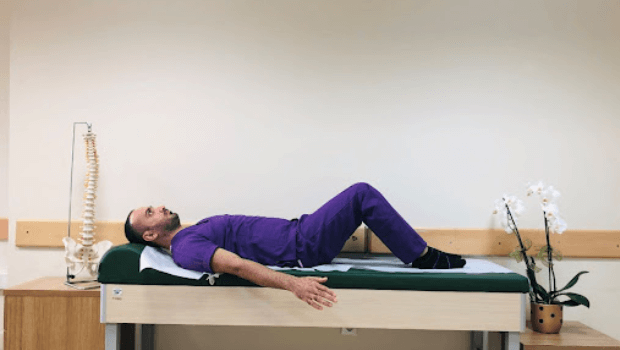
Physiotherapy exercises for the lumbar disc
- Controlled walking: increasing blood circulation and reducing pressure on the disc
- Spine corrective movements: reducing pressure on the disc and increasing flexibility
- Strengthening exercises for abdominal and back muscles: supporting the disc and preventing injury
- Balance and endurance exercises: improving stability and movement control
Read more: What to eat after lumbar disc surgery
Things to avoid with physical therapy
- Long sitting without corrective movements
- Lifting heavy objects without technique Suitable
- Sudden and intense movements without the guidance of a physiotherapist
Physiotherapy complementary methods
- Acupuncture: reduce pain and accelerate tissue repair
- Massage therapy: reduce muscle spasm and pain
- Yoga therapy: increase flexibility and strength of supporting muscles
Duration and number of physiotherapy sessions
usually treatment Physiotherapy for lumbar disc lasts between 6 and 12 weeks, with two to three sessions per week and complementary home exercises. The duration of pain relief varies depending on the severity of the disc and the cooperation of the patient; But often noticeable results are seen after 2-4 weeks.
Read more: Care after lumbar disc surgery

Lifestyle and prevention with physiotherapy
- Maintaining a healthy weight and proper diet
- Setting up a work desk and chair
- Walking and daily low-stress activities
- Using corrective and strengthening exercises provided by a physiotherapist
One of the important services that For lumbar disc treatment by Dr. Mohammad Hein Delshad, it is performed for patients as Lumbar disc treatment without surgery, Low back disc laser that has brought effective results.