Table of contents
In pregnancy, high blood pressure is one of the important problems that can be dangerous for both the mother and the fetus. Home treatment for high blood pressure in pregnancy are methods that can be used at home and without drugs, by changing the lifestyle or using natural methods, to control blood pressure. These methods include following a healthy diet, reducing salt intake, light physical activity, stress management and adequate sleep. This type of treatment is usually used for cases of mild or primary hypertension, and if the blood pressure is very high or dangerous symptoms such as severe swelling, severe headache or vision problems appear, home treatment is not enough and requires care and prescription drugs by a doctor. But what are the home remedies for high blood pressure in pregnancy? In the rest of this article, ask your doctor to be with us so that we can check it more closely.
What is the home treatment for high blood pressure in pregnancy?
Home treatment for high blood pressure in pregnancy focuses on lifestyle changes and healthy eating. In mild cases, it is possible to control blood pressure without medication by following some simple but effective tips. Light activities such as walking daily, getting enough sleep, drinking enough water and reducing salt intake can help balance blood pressure.
Also, a diet rich in fruits, vegetables, whole grains, and low-fat dairy products, along with reducing stress and avoiding caffeine and processed foods, improves heart health and circulation. Compliance with these home measures also guarantees the health of the mother and the fetus. In general treatment of high blood pressure in pregnancy with home methods can include the following:
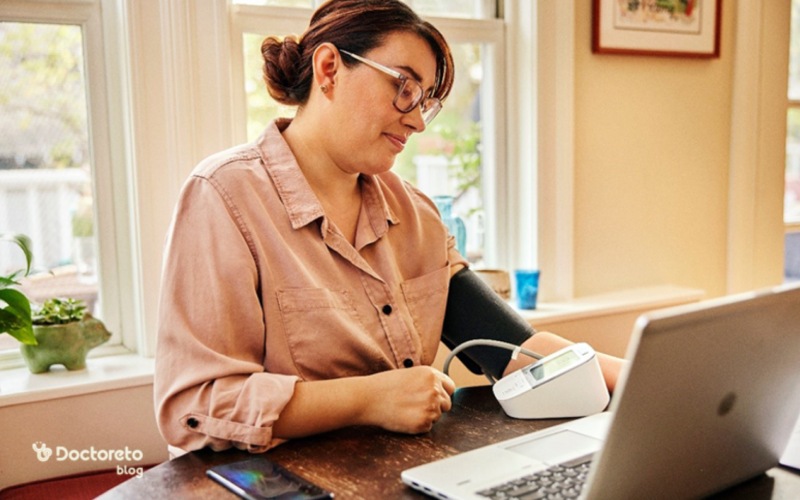
- Home monitoring of blood pressure during pregnancy
- Avoid long standing
- Walk slowly
- Reduce stress
- Adequate rest
- Safe physical activity
- Decreasing salt consumption
- Drink enough water
- Enough sleep
Note that home remedies are only used in conjunction with medical care.
| Home treatment method | Scientific evidence |
|---|---|
| Home monitoring of blood pressure during pregnancy | Regular home monitoring can enable early diagnosis and better management of blood pressure. |
| Avoid long standing | To reduce swelling and discomfort, avoid standing for long periods of time. |
| Slow walking | Walking daily can reduce the incidence of gestational hypertension. |
| Reduce stress | Stress reduction techniques such as yoga and relaxation can lower blood pressure and improve vascular function. |
| Rest Adequate | Absolute rest and reduced activity are not routinely recommended to prevent or control gestational hypertension, but should be adequate. |
| Safe physical activity | Regular physical activity reduces the risk of blood pressure disorders. |
| Reducing salt intake | Reducing salt may not be effective in preventing preeclampsia, but in Lowering high blood pressure in mild amounts can be helpful. |
| Drinking enough water | Proper hydration can control blood pressure and reduce pregnancy complications. |
| Sleep enough | Insufficient or too much sleep can increase blood pressure. |
1. Home monitoring of blood pressure during pregnancy
Pregnant women can measure their blood pressure with a digital home device regularly, for example once or twice a day. Recording your blood pressure numbers in a notebook or app will help you track changes and quickly notify your doctor of any unusual increases. This work is very important for preventing serious problems and making timely decisions.

2. Avoid long standing
Standing for a long time increases blood pressure and swelling of the legs. During pregnancy, it is better to move a little every 20 to 30 minutes or sit and raise your legs. This stabilizes blood pressure and improves blood circulation.
3. Slow walking
Light and leisurely daily walking, about 15 to 30 minutes, can lower blood pressure and improve cardiovascular health. Heavy activities or running should be avoided and flat and short routes should be chosen so that the mother does not get tired or dizzy. This method is an effective and safe home treatment for high blood pressure in pregnancy.
English text:
quoted from nhs
Keeping active and doing some physical activity each day, such as walking or swimming, can help keep your blood pressure in the normal range. Eating a healthy, balanced diet can help to reduce blood pressure. Farsi translation: Physical activity and doing some daily physical activities, such as walking or swimming, can help keep your blood pressure within the normal range. Having a healthy and balanced diet also helps to reduce blood pressure.
4. Stress reduction
Stress control plays an important role in the treatment of high blood pressure during pregnancy. Psychological and social stress increases blood pressure and even its effects continue until the first year after delivery. Activities such as meditation, breathing exercises, slow walking and listening to music reduce mental pressure and help balance blood pressure.
5. Adequate rest
Pregnant women should take some time during the day for a short rest, even 10 to 20 minutes can be effective. Rest helps lower blood pressure, reduce stress and improve blood circulation. When resting, it is better to place the legs a little higher and the environment to be calm.
6. Safe physical activity
Regular exercise is one of the most effective home remedies for high blood pressure during pregnancy. Doing light and safe activities such as a leisurely walk or swimming will help keep your blood pressure within a normal range. Aerobic exercises strengthen the heart and improve blood flow. It is better for pregnant women to have regular physical activity with the doctor's advice to avoid a sudden increase in blood pressure.
7. Reduce salt consumption
One of the simplest home remedies for high blood pressure in pregnancy is to reduce salt intake. Salt (sodium) causes water retention in the body and thus raises blood pressure. Consult a doctor or a nutritionist about the optimal sodium intake.
8. Drinking enough water
Staying hydrated is important to regulate blood pressure during pregnancy. Drinking enough water helps the body to eliminate excess sodium and maintain fluid balance. Dehydration of the body leads to an increase in the level of sodium and, as a result, high blood pressure. Therefore, pregnant women should drink enough water during the day to maintain blood circulation and the health of the fetus.
Proper hydration is important for general health in pregnancy, but it is not the only treatment for high blood pressure.

9. enough sleep
Sufficient sleep at night, usually 7 to 9 hours, plays an important role in blood pressure control. Lack of sleep increases stress hormones and increases blood pressure. Observing a regular bedtime, a dark and quiet environment, and avoiding excessive use of mobile phones and caffeine before bed help to improve the quality of sleep.
follow a healthy diet
One of the most important home remedies for high blood pressure in pregnancy is to follow a balanced and nutritious diet or follow pregnancy nutrition. Consuming foods rich in potassium, calcium and magnesium such as fruits, vegetables, whole grains, legumes, fish, low-fat dairy and vegetable oils can help control blood pressure. Instead, the consumption of salt, canned foods, fast food and processed foods should be reduced as much as possible. Note that home remedies are only used in conjunction with medical care.
The table below shows a list of healthy and harmful foods for pregnancy blood pressure.
| Healthy foods | Harmful foods |
|---|---|
| Fruits (such as apples, oranges, bananas, berries) | Salty foods (chips, canned goods, fast food) |
| Vegetables (such as spinach, broccoli, lettuce) | Processed meats (sausage, hot dogs) |
| Low-fat dairy (milk, yogurt, cheese) | Saturated fats (butter, cream, fatty meats) |
| Nuts and seeds (almonds, walnuts, seeds) | Sweet drinks (soft drinks, industrial juices) |
| Whole grains (barley, brown rice) | – |
1. Increase potassium consumption
Potassium partially neutralizes the effects of sodium and helps to remove it from the body through urine. This work lowers blood pressure and maintains the balance of body fluids. To supply potassium, you can use natural foods such as sweet potatoes, bananas, kidney beans, peas, tomatoes, natural orange juice, cantaloupe, and sugar-free dried fruits.
English text:
quoted from zayacare
Fortunately, you can reduce blood pressure while pregnant by eating certain foods—such as fresh fruits, avocados, beans and lentils, and nuts—and avoiding those that can make it worse—such as salty foods, processed foods, red meat, saturated fats, and drinks high in sugar.
Translation English:
Fortunately, you can lower your blood pressure during pregnancy by eating certain foods such as fresh fruits, avocados, beans and lentils, and nuts, and avoiding foods that can worsen pressure, such as salty foods, processed foods, red meat, saturated fats, and sugary drinks.
2. Foods rich in magnesium
Magnesium helps to open the walls of blood vessels and regulate blood pressure. Beans, lentils, nuts, seeds and whole grains such as brown rice are some of the best sources of magnesium. In addition to controlling blood pressure, these substances also help heart health and better muscle function.3. Low-fat dairy
Consumption of three servings of milk, yogurt or low-fat cheese daily can help supply the calcium needed by the body; A substance that is essential not only for bone health, but also for regulating blood pressure. Low-fat dairy products have the same amount of calcium as high-fat products, but contain less saturated fat. Diets rich in fruits, vegetables and low-fat dairy products, while low in salt, help reduce blood pressure during pregnancy and maintain the health of the mother's heart.
4. Red beet
Red beets are rich in natural nitrates, which are converted into nitric oxide in the body; A molecule that causes blood vessels to open, improving blood flow and thus lowering blood pressure. Research has shown that drinking beetroot juice significantly reduces high blood pressure in pregnant women. Consuming a small amount of fresh beetroot juice daily or adding cooked beetroot to salads and meals is a natural way to maintain blood pressure balance during pregnancy.
Consult your doctor before consuming beet juice regularly.

5. Berries
Berries contain a lot of antioxidants. This substance helps to increase the level of nitric oxide in the blood and reduce the production of molecules that constrict blood vessels, thereby regulating high blood pressure in the body.
Fruits are part of a balanced pregnancy diet, but reducing pregnancy blood pressure with berries has not been conclusively proven.
6. Pomegranate
Pomegranate is rich in antioxidants such as polyphenols and vitamin C, which help reduce inflammation and improve blood vessel function. Studies have shown that regular consumption of water or pomegranate seeds can reduce systolic and diastolic blood pressure and strengthen cardiovascular health during pregnancy.
Fruits and vegetables are part of a balanced pregnancy diet, but the reduction of pregnancy blood pressure has not been conclusively proven with pomegranate.
7. Olive oil
Olive oil contains healthy monounsaturated fats and phenolic compounds that lower blood pressure and help keep arteries flexible. Replacing unhealthy oils with olive oil in the diet facilitates blood pressure control and reduces the risk of heart disease.
8. Banana
Banana is a rich source of potassium, which regulates electrolyte balance and blood pressure. Potassium causes the blood vessels to open and reduces the effect of sodium on blood pressure. Eating bananas daily can control mild blood pressure during pregnancy.
9. Omega 3
Omega-3 fatty acids (such as low-mercury fish, walnuts, and flaxseeds) have an anti-inflammatory effect and improve blood flow. Regular consumption of Omega 3 can reduce systolic and diastolic blood pressure and strengthen the cardiovascular health of the pregnant mother. Of course, regarding the consumption of omega 3 during pregnancy, only act according to the doctor's opinion.
10. Vegetables with green leaves
Vegetables such as spinach, lettuce and cabbage are rich in potassium, magnesium and natural nitrates that lower blood pressure. Nitrates in green leaves help produce nitric oxide, open blood vessels and improve blood flow, and may help control blood pressure in pregnancy.
Conclusion
Home remedies for high blood pressure in pregnancy include regular blood pressure checks, adequate rest, light activity such as walking, and a healthy diet with healthy foods. These methods can control mild blood pressure and maintain the health of the mother and fetus.
Adherence to a healthy lifestyle and stress management play an important role in lowering blood pressure. However, home treatment is not a substitute for medical care, and if blood pressure is persistently high or symptoms such as severe headache, unusual swelling, abdominal pain, or blurred vision appear, a doctor should be consulted immediately. Combining home care and medical follow-up is the safest way to control blood pressure during pregnancy.
Your doctor takes care of your health!