Introduction of treatment methods for mouth ulcers caused by orthodontic brackets Dr. Najmeh Tadredaranjad
���‑It‑DES çES � � � � � � ���� ∧Æççççççççççççççççççççççççççççç‴ − −� ℧ç§ month ‟. x����
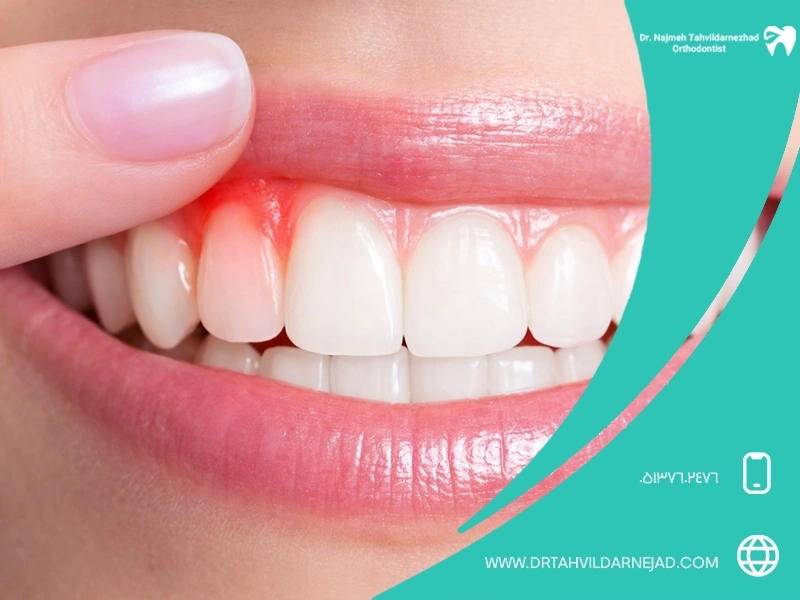
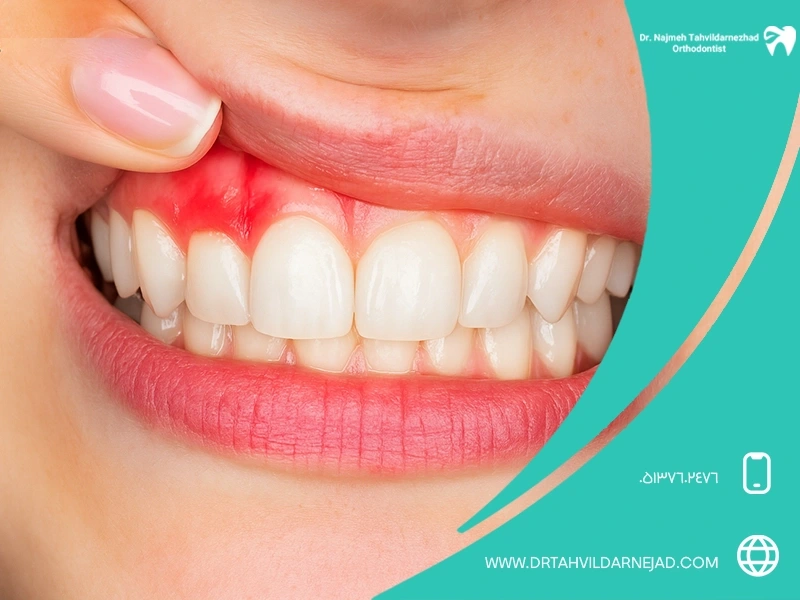
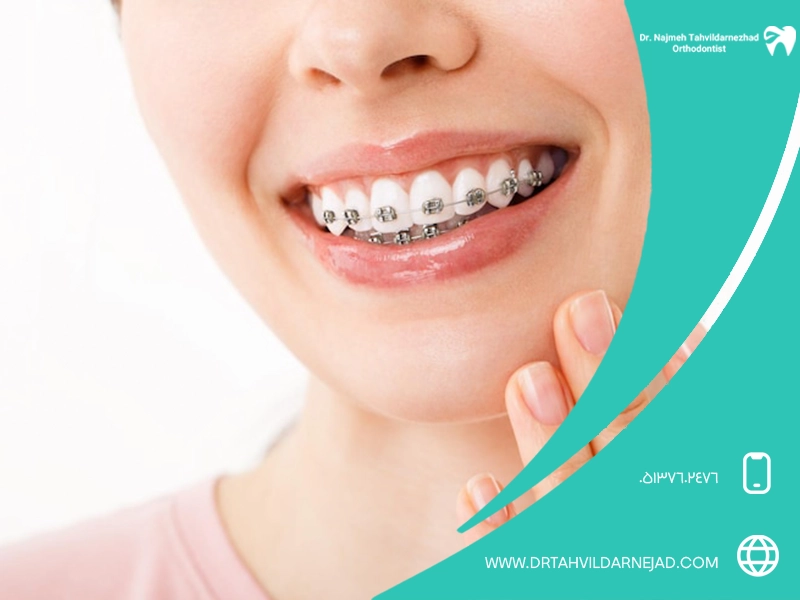
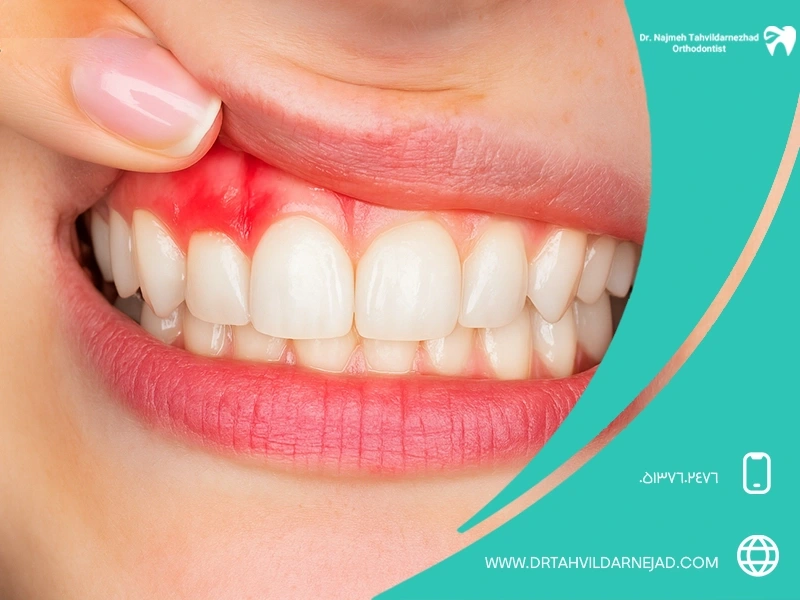
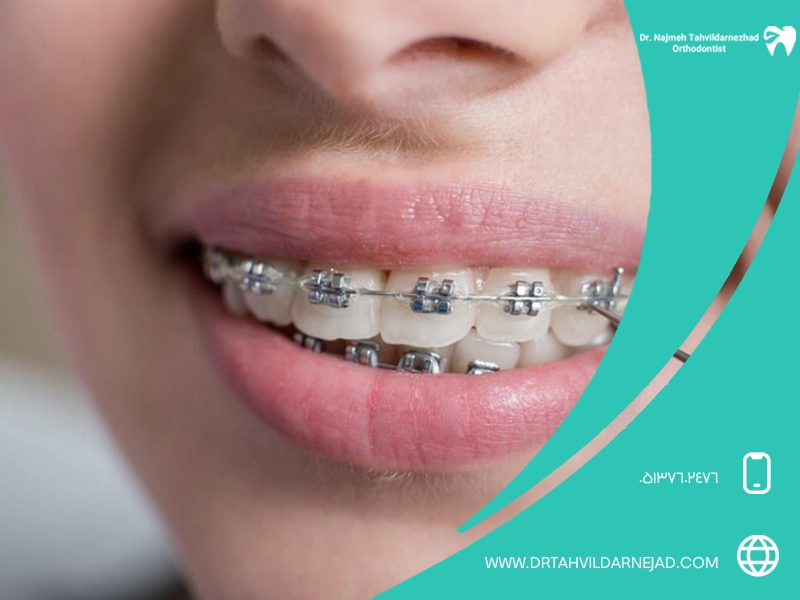
x��� YOURD. . ��� � �� � ����������ifiiiiAVE Yç -ics � � � ��� ���ff óES ⲆES ò ò�ftiiii barriability. Many people who wear metal braces experience small sores on their lips, cheeks, or tongue during the first few weeks. These sores are usually painful and sometimes make it difficult to eat or speak. Fortunately, there are different ways to treat mouth ulcers caused by brackets, which both reduce pain and help the tissue heal faster.
In this article from the website of Dr. Najmeh Drtahvildarnejad, orthodontist in Mashhad, we examine the most important methods of treatment and prevention of this type of wounds in a complete and practical way.
How can a mouth ulcer caused by an orthodontic bracket be treated?

The best and most effective solutions for treating wounds caused by orthodontic brackets are as follows:
Use of orthodontic wax (Orthodontic Wax)
The first and most effective method to treat and even prevent ulcers caused by brackets is to use orthodontic wax. This wax is available in pharmacies and orthodontic offices. The wax is placed directly on the bracket or wire that irritates the oral mucosa and acts as a protective barrier between the metal and the skin.
To use wax:
First, clean the wound and the bracket with water and mouthwash.
Separate a small piece of wax and soften it with a clean hand.
Place it on the bracket or wire that caused the wound.
This method not only prevents the direct contact of the bracket with the oral tissue, but also reduces irritation and inflammation in a short period of time.
Wash with warm salt water solution
Salt water mouthwash is one of the simplest and most natural treatments for mouth ulcers. Salt water has antiseptic properties and helps speed up the healing process.How to prepare and use:
Dissolve half a teaspoon of salt in a glass of warm water.
Swirl the solution in the mouth and keep it on the wound for 30 seconds.
Then empty the mouth and repeat this 2 to 3 times a day.
This method reduces inflammation and prevents bacterial infection at the wound site.
Read more» how long is orthodontics?
Using antiseptic or antibacterial mouthwashes
If the wounds are larger or more painful, using antiseptic mouthwashes is a good option. These mouthwashes usually contain chlorhexidine or antimicrobial compounds that prevent infection and help tissue repair.
Of course, it is recommended to consult a dentist or orthodontist before using medicated mouthwash regularly; because excessive consumption of some of them may change the color of the teeth.
Using mouth sore relief gels
Oral ulcer gels such as Oralmedic, Gengigel, Bonjela or herbal gels containing aloe vera help reduce pain and inflammation. These gels usually contain anti-inflammatory, anesthetic and restorative substances.To use, just apply a small amount of gel to the wound with an ear cleaner or a clean finger. It is better to do this after brushing your teeth and before going to bed so that the medicine has enough time to take effect.
Read More' Click on the given link to learn Methods for cleaning removable orthodontic brackets.
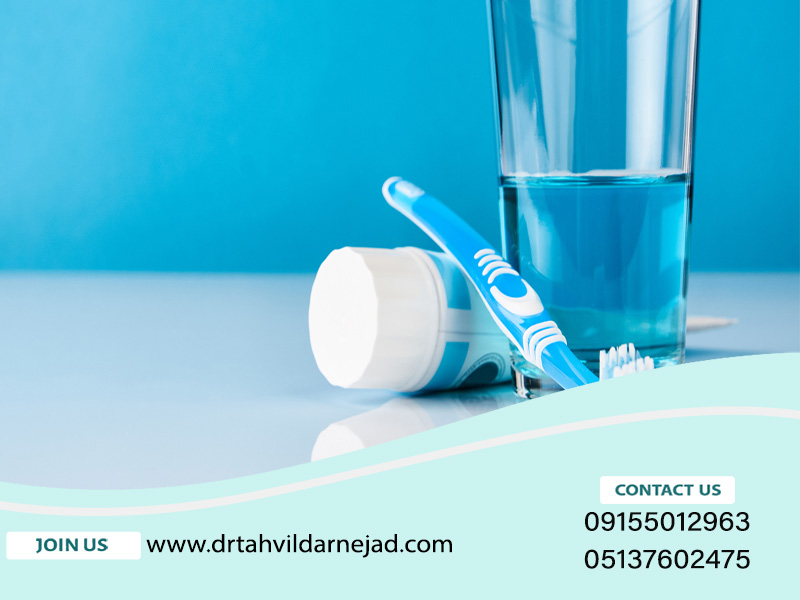
observe oral and dental hygiene
When the mouth is sore, bacteria are more likely to grow. Therefore, strict adherence to oral hygiene is one of the most important stages of treatment.
Important points:
Use a soft toothbrush so that the wounds are not irritated.
Use special orthodontic floss or Floss Threader.
Rinse the mouth with water or mouthwash after every meal.
Observing these things will make wounds heal faster and prevent infection.
Using aloe vera or natural honey
Natural treatments also play an effective role in relieving mouth ulcers.
Aloe vera gel has anti-inflammatory and restorative properties. Apply a small amount of gel directly on the wound to reduce inflammation.Natural honey also has antibacterial properties and helps heal wounds faster. It is enough to apply a little honey on the wound several times a day.
These methods are very suitable for people who are looking for home remedies without drugs.
Read more» What is the reason for tooth extraction for orthodontics?
Modify bracket or wire if necessary

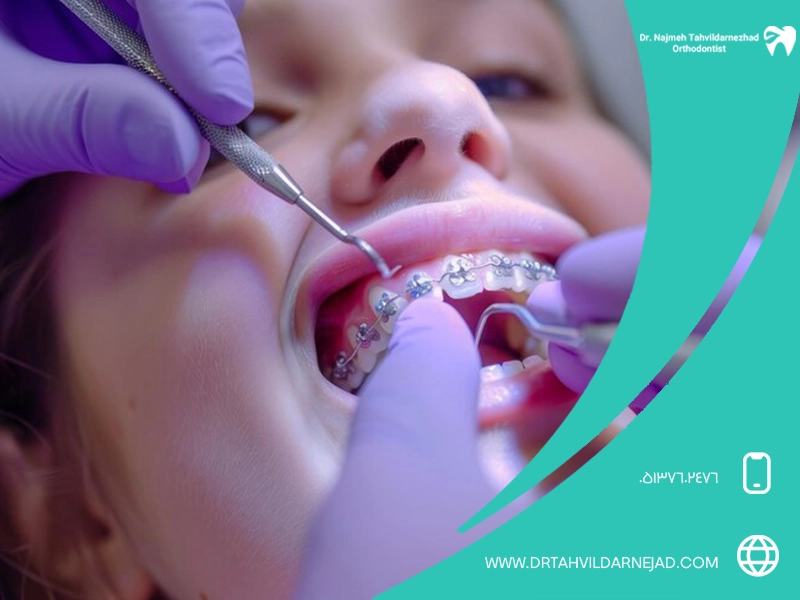
In some cases, mouth sores are caused by incorrect bracket positioning or protruding orthodontic wire. If you feel that the end wire is digging into the cheek or gum, see an orthodontist to shorten or adjust the wire. Do not attempt to cut the wire yourself, as it may cause more damage.
Read more» Which teeth need orthodontics?
Avoid eating spicy, sour and hard foods
If you have an ulcer, you should avoid eating foods that irritate the ulcer.
Spicy, acidic, salty or hard foods (such as chips, nuts, sour fruits or carbonated drinks) aggravate pain and delay healing. Instead, soft foods such as soup, mashed potatoes, yogurt or smoothies are good options.
use of topical or oral pain relievers
If the wound is very painful, you can use over-the-counter pain relievers such as ibuprofen or acetaminophen. Also, some topical anesthetic creams containing lidocaine temporarily reduce pain.
But before taking the medicine, be sure to consult a dentist to avoid possible interference or sensitivity.
Patience and constant care
In most cases, mouth ulcers caused by braces heal within 5 to 7 days. Over time, the body gets used to the presence of the bracket and the amount of irritation decreases. The important thing is to be patient and do the oral hygiene and care mentioned above to make the treatment process faster.
Conclusion
Mouth ulcer due to orthodontic bracket is a common but temporary problem. These wounds usually occur in the first weeks of treatment and they heal quickly by following a few simple methods such as using orthodontic wax, salt water mouthwash, restorative gels and avoiding stimulating foods. If the wounds continue for more than two weeks or there are symptoms such as fever, swelling or pus discharge, it is necessary to see an orthodontic specialist.
Frequently asked questions about mouth ulcers caused by orthodontic brackets
1. How many days does it take for a mouth ulcer caused by a bracket to heal?
Usually mild wounds heal within 5 to 7 days. In more severe cases, it may take up to two weeks.
2. Is the use of orthodontic wax permanent?
No, wax is only needed in the first few weeks when the braces cause mouth irritation. After getting used to the oral tissue, the use of wax is reduced.
3. What should I do if my mouth sore gets infected?
If you see signs of infection such as severe pain, swelling or white discharge, be sure to see a dentist. Medicated or antibiotic mouthwash may be needed.
4. Can normal skin ointments be used to treat wounds?
No, skin ointments are not suitable for oral tissue. It is better to use special gels for mouth ulcers.
5. What is the best way to prevent ulcers caused by braces?
Regular use of orthodontic wax, maintaining oral hygiene, avoiding hard foods and visiting a specialist regularly for bracket adjustment are the best prevention methods.