Getting to know the reasons for grinding teeth for laminate, the process and its advantages and disadvantages Dr. Zadrudarnjad
Çcycle Yeah �������t���t�x�x�t � ������������ /h1> /h1> /h1>
.ESeES � � ��� YEES � � � � � � � � � � � ‑è‑ê α ffaES ff エ‑è‑ ‑ ∱ES ∱ES D ∱ Yult″ ççççççççççççöçççççççççççççççççççççççÀó expect� � �. Many people are looking for white, uniform and regular teeth, and ceramic laminate is one of the most permanent choices. But one of the main concerns before doing laminate is the issue of tooth grinding. This question arises for many visitors that:
Do you have to brush your teeth for laminate?
How much is the lathe?
Does tooth sharpening damage it?
Does it hurt? Can it be returned?
In this article, we discuss all the points related to tooth sharpening for laminate. Stay with us.
Read more» If you need composite restoration services and get information about Mashhad dental composite restoration cost at the office of Dr. Najmeh Darnejad, click on the given link.
What is a tooth scraper for laminate?

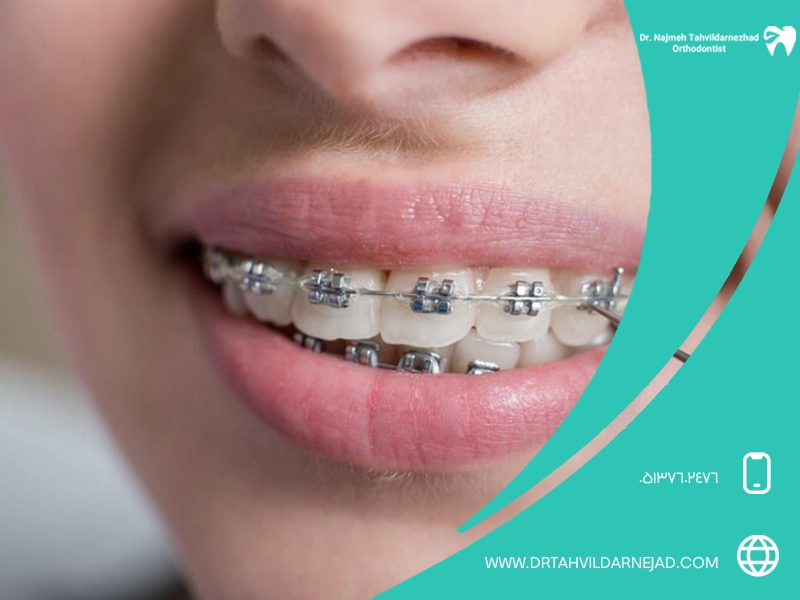
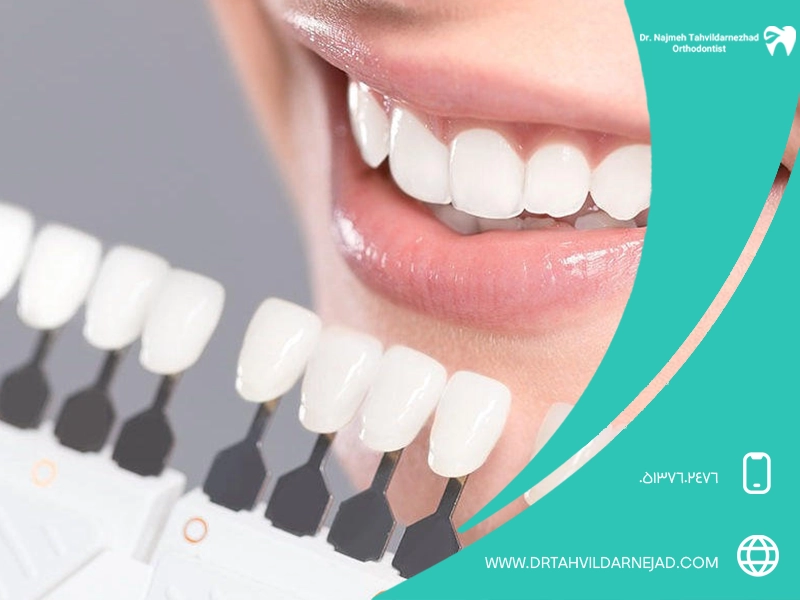
Ceramic laminate is a thin shell of ceramic or porcelain that is placed on the front surface of the tooth. Because laminate:
- have a natural appearance.
- Do not be thick and protruding.
- its edges should not be stuck.
- Do not disturb when talking and chewing.
Usually, a very small part of the tooth enamel needs to be chipped. This cutting is usually about 0.3 to 0.7 mm; It means less than the thickness of the nail!
Therefore, the grinding is done to create a suitable space for placing the laminate, and basically it is only to the extent of the tooth enamel, not the dentin.
Read more» What is dental laminate polishing and how is it done?
Is there always a need to sharpen teeth?
Answer: Not always. The need for tooth grinding depends on the following factors:- The degree of protrusion or irregularity of the teeth
- Selected laminate thickness
- Expected final color
- type of smile and jaw shape
- Dentist's skill and technique
- Laminate material and technology
In some people with the following conditions, lamination may be done without trimming or with very little trimming:
- Small or receding teeth
- smooth surface and no decay
- Slight discoloration
However, if the teeth are protruding, disorganized, have severe discoloration, or have enamel protrusions, more sharpening is likely to be required.
Why should teeth be sharpened?
Scientific reasons and beauty of cutting:
Creating the right thickness for laminate
If the cutting is not done, the laminate will be seen thick and the smile will look so-called "plaster" or "prosthetic".
Better adhesion
Tooth enamel is the best surface for bonding laminate. Controlled grinding increases adhesion.
Edge prevention
Otherwise, the laminate may be edged and food gets stuck, cause gum inflammation and damage faster.
More natural tooth shape
Basic teeth shaving allows the dentist to design the shape, length and curvature of the laminate in harmony with the natural teeth so that the final smile looks completely natural and fits the face.
Read more' Click on the given link to check differences between orthodontics and dental laminates.
Does tooth sharpening hurt?
No in most cases.
Basic carving is done only on enamel, which does not have a nerve. It is usually done with local anesthesia and the person does not feel pain. It just feels a little pressure or vibration of the device.
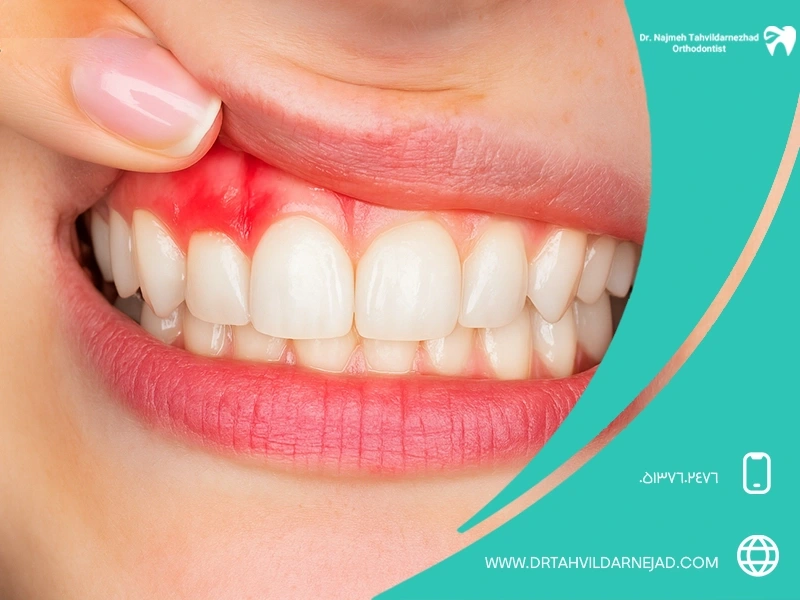
After the treatment, there may be sensitivity to cold, a little sore gums, and sensitivity when chewing, which usually resolves within a few days.
How dangerous is tooth brushing?
There is no special risk if teeth shaving is done by an experienced specialist. But excessive trimming can cause the following:
- Damage to tooth enamel
- Reaching the dentin and causing permanent sensitivity
- Increasing the possibility of decay
- Need to be nerfed
- Decreasing the lifespan of teeth
So choosing a cosmetic dentist is very important.
Is tooth grinding reversible?
No. Once the tooth enamel is cut, it cannot regenerate naturally. Therefore, doing laminate is considered a permanent and irreversible decision. If the laminate is damaged or removed, it usually needs to be replaced again.
What is uncut laminate or luminaries?
It is a type of very thin laminate that is used in some cases without cutting or with minimal cutting.
Advantages:
- Preservation of tooth enamel
- More reversibility
- Less damage
Disadvantages:
- Not suitable for everyone
- The possibility of thickening the appearance of the tooth
- Less natural result in some people
- Higher cost
For most people, a standard laminate with a controlled trim provides a more beautiful and natural result.
Read more » Differences between composite and dental veneers
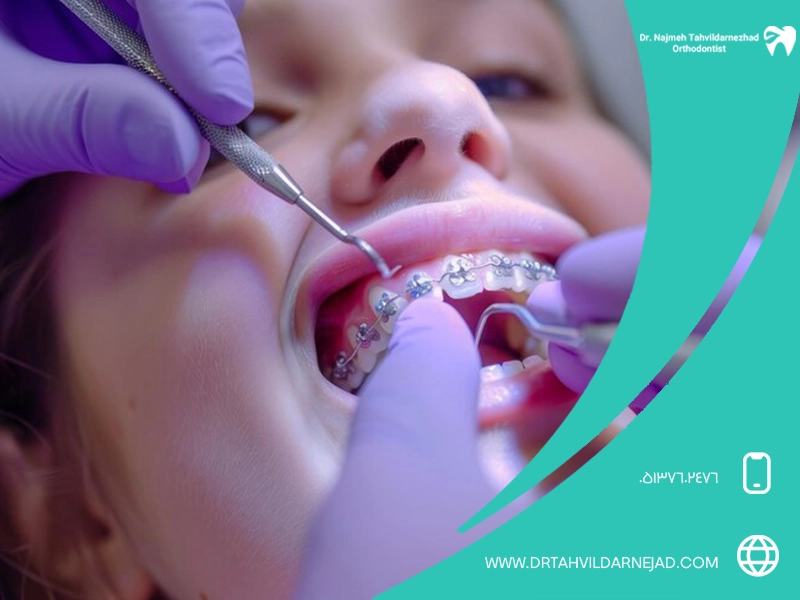
How is the teeth grinding process done?

The usual steps of dental lamination are as follows:
1. Digital smile examination and design
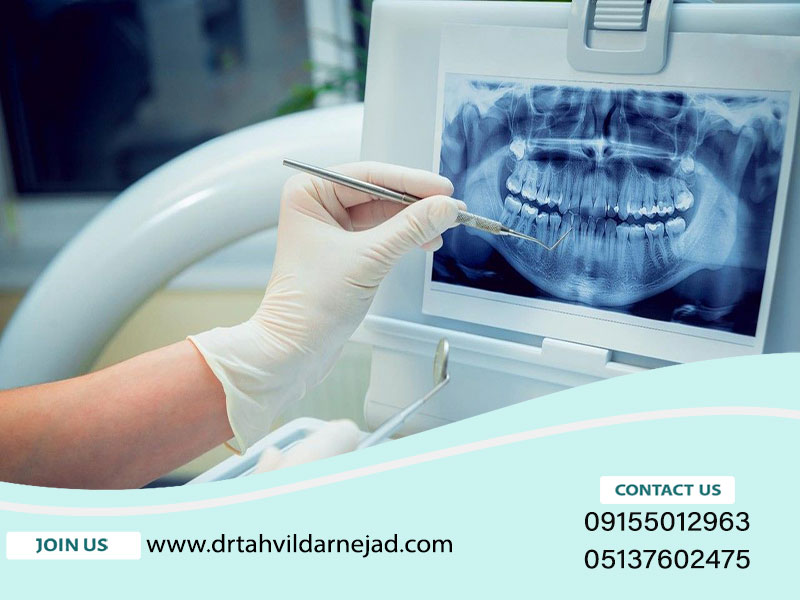
At this stage, the dentist examines the condition of the teeth, gums, and jaw and simulates the final form of the teeth using photography and smile design software so that the result can be seen before the treatment begins.
Read more » What is dental CBCT image?
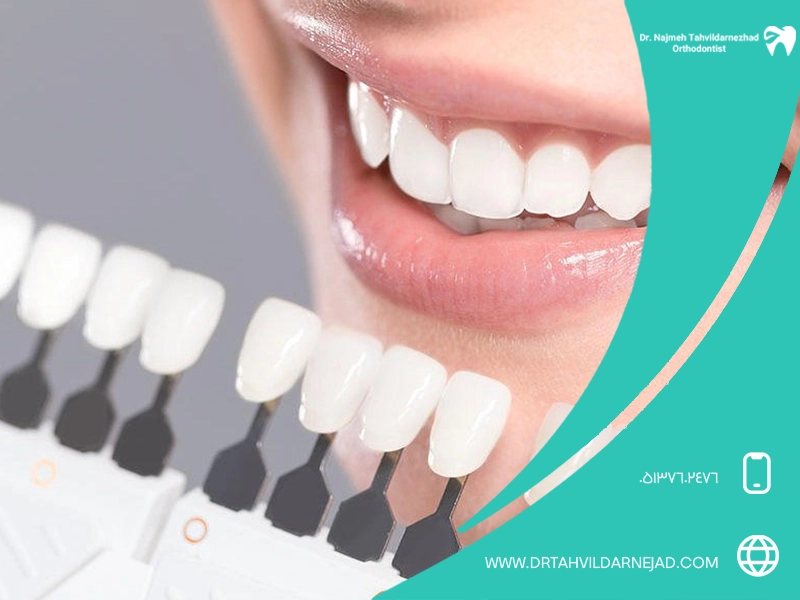
2. Choice of tooth color and shape
The color and shape of the laminate is chosen according to the skin color, face shape and taste of the patient to create a natural and harmonious smile and the teeth do not look too white or artificial.
3. Local anesthesia
To prevent pain and to relax the patient, the desired area is locally numbed so that the cutting process can be done without discomfort.
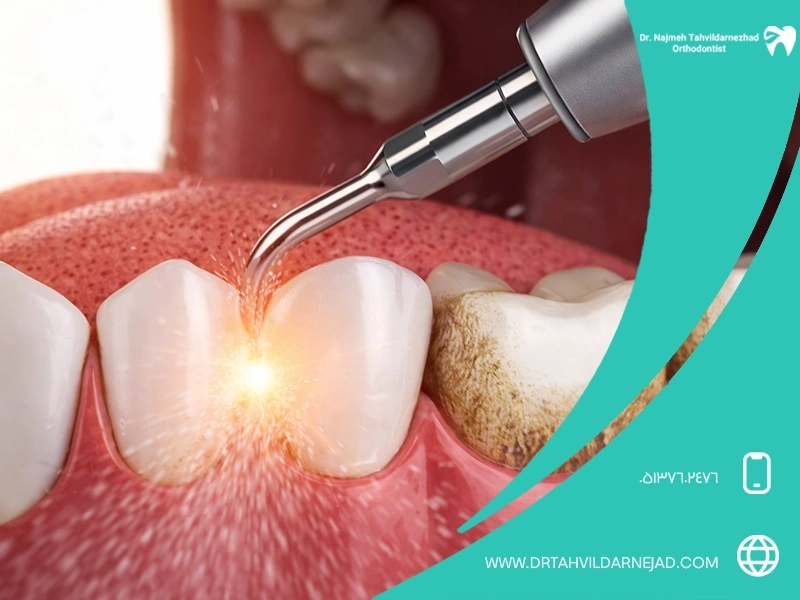
4. Grinding the front surface and edge of the tooth
A very small amount of tooth enamel is cut to create enough space for the placement of the laminate and the final thickness is natural and without protrusions.
5. Digital printing or scanning
After grinding, a precise molding or digital 3D scan is done from the teeth so that the laminates are made to fit the shape of the teeth.
6. Installation of temporary laminate
Until the main laminates are ready, the temporary laminate is placed on the teeth to protect the teeth and maintain the appearance of the smile.
7. Making the final laminate in the laboratory
Permanent laminates are made in a specialized laboratory using high-quality ceramic materials according to the mold or scan.
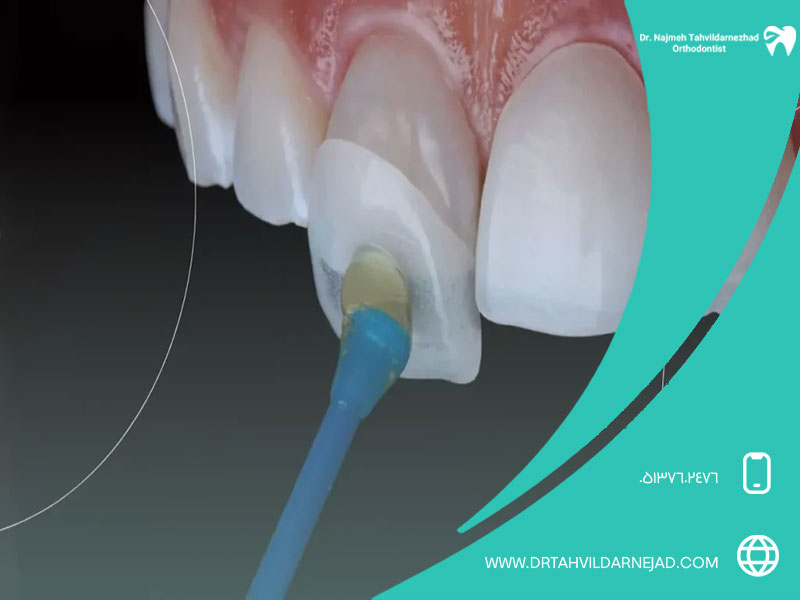
8. Installation and final bonding
At the last stage, the laminates are installed on the teeth with special adhesives and professional bonding technique, so that they have high strength, long durability and a completely natural appearance.
In general, the whole process of laminating teeth usually takes between 7 and 14 days, which may be a little shorter or longer depending on the condition of the teeth and the type of laminate.
Care after tooth brushing
To prevent sensitivity and damage to the teeth after sharpening, it is necessary to observe the following points:
- Use of hypoallergenic toothpaste
- Avoiding very cold or hot foods
- Avoid chewing hard foods
- Maintaining oral hygiene
- Soft toothbrush
Conclusion
Finally, tooth grinding for laminate is a specialized, necessary and fully controlled step that plays an important role in the naturalness, durability and final beauty of the smile. This cutting is done to a minimal extent and only on the tooth enamel so that the laminates are placed on the tooth without protrusions, with high adhesion and a natural shape. Choosing a skilled dentist, carefully examining the condition of the teeth and using basic techniques are the determining factors in the success of this beauty treatment. By knowing the stages and scientific reasons for grinding, you can decide to do dental lamination with more confidence.
FAQ
Is it possible that I need nerve extraction after teeth grinding?
No in basic grinding that is done only on enamel, but there is a possibility of it in deep grinding or sensitive teeth.
How long does tooth shaving for laminate take?
Usually 30 to 60 minutes for each jaw, depending on the number of teeth.
Do teeth become weak after grinding?
If the grind is excessive yes, but a standard grind on the enamel will not cause significant weakness.
Is laminate better without cutting?
It is only suitable for some people and does not always provide the best cosmetic result.
Is it normal to be sensitive after brushing your teeth?
Yes, slight sensitivity to cold or heat for a few days to a few weeks is normal.