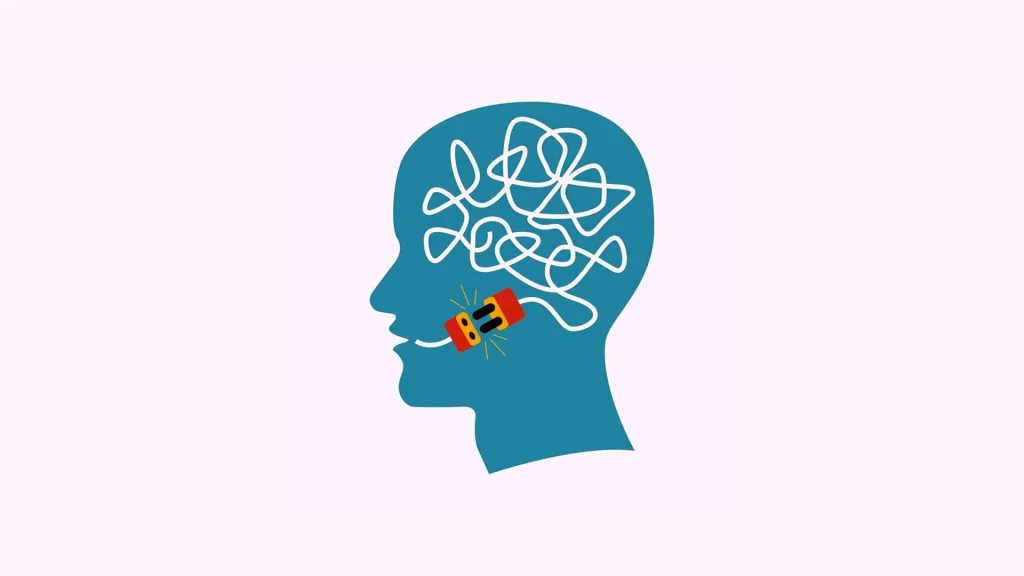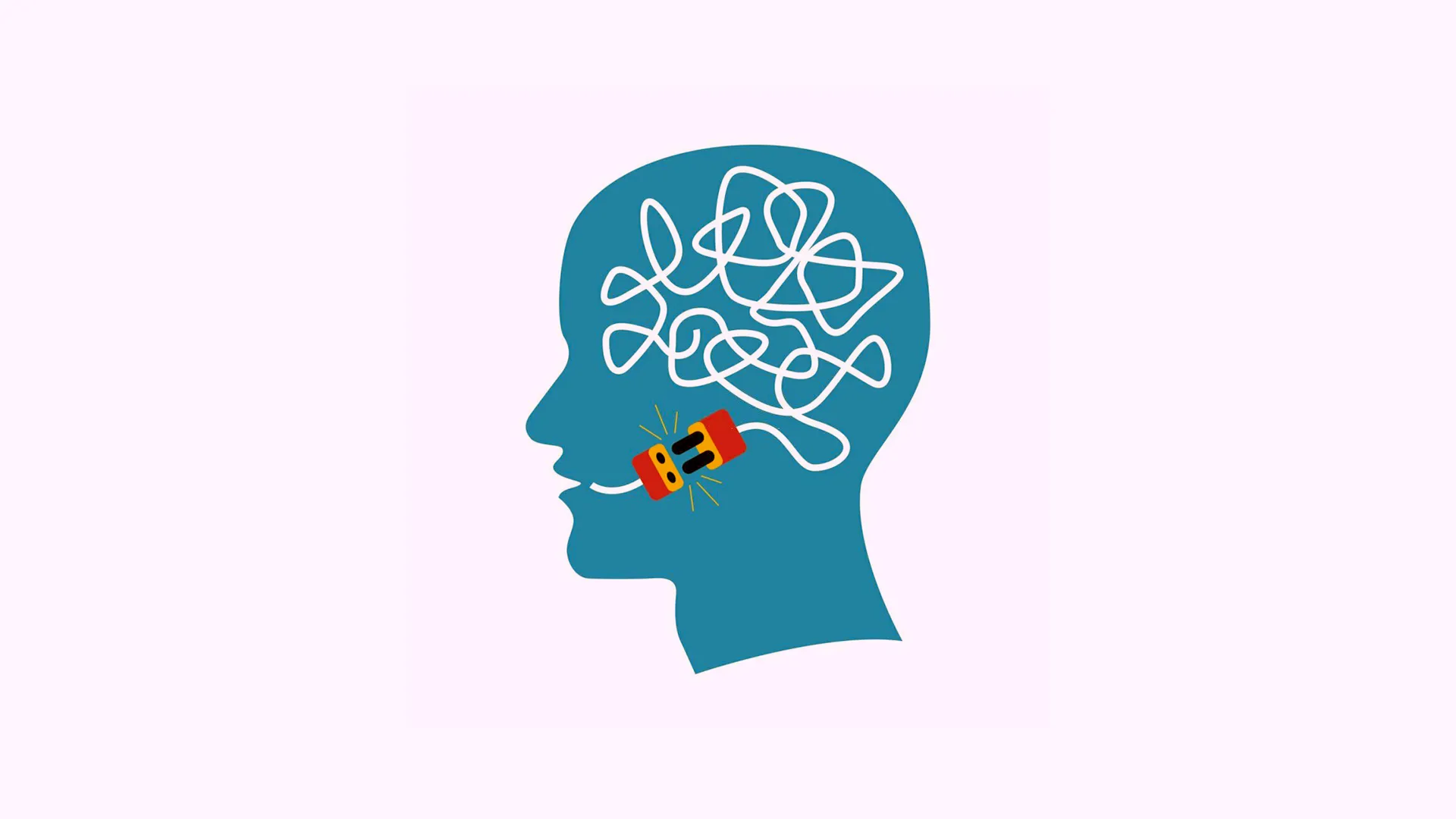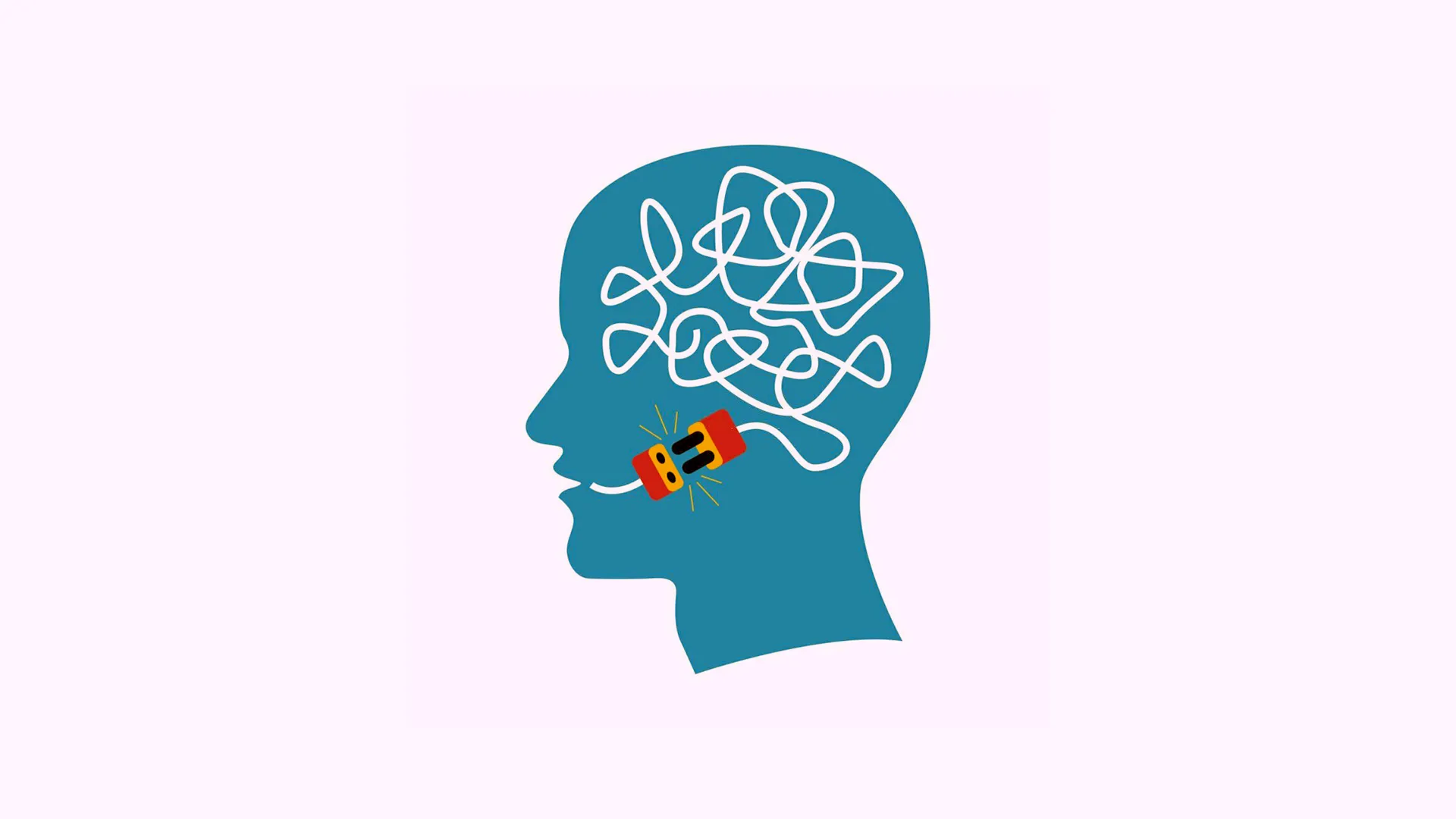


اختلال یادگیری یک مشکل عصبی-شناختی است که بر توانایی فرد در پردازش، یادگیری و استفاده از اطلاعات تأثیر میگذارد. This disorder can appear in various areas, including reading, writing, mathematics, or listening and speaking skills. People with learning disabilities usually have normal or above-average intelligence, but they have problems in some skills that hinder their academic and social progress.
Online occupational therapy
What is a learning disorder?
A question that parents, teachers, and even adults may have is, "What is a learning disability?" And how can it be recognized and managed? In fact, learning disability is not just an academic problem, but a neurological disorder that affects the way information is processed in the brain. Because of this, people with this disorder may have trouble reading, writing, or solving math problems with expected speed and accuracy, even if they have high intelligence.
Learning disorder can have psychological and social effects. For example, children with this problem may have low self-esteem and avoid group activities or schoolwork. With proper knowledge and appropriate intervention methods, these challenges can be reduced and the individual's abilities can be maximized.
Why is it important?
Learning disability is not just an academic problem. Its effects can include reduced self-confidence, anxiety, and even behavioral problems. But the good news is that with proper knowledge and proper support, affected people can maximize their abilities.

Definition of learning disorder
The definition of learning disorder is simply: a set of cognitive problems that arise in processing information, learning skills and remembering information. This disorder is not directly related to a person's intelligence, and affected people can have normal or higher abilities in other fields.
Learning disabilities are usually seen in skills such as reading, writing, math, language, and basic cognitive skills. Children and adults with learning disabilities may face special challenges at school or in the workplace and require special support and educational programs.
Knowing the precise definition of a learning disability helps distinguish between normal learning problems and a true disorder. This issue is crucial for providing appropriate treatment and designing personalized training programs.
According to the definition of learning disorder, it can be said that this disorder is a permanent or partial defect in learning performance that cannot be solved by standard educational methods and requires special programs.
The best occupational therapy in Karaj
Types of learning disorders
There are several main types of learning disabilities, each of which affects a specific skill:
- Dyslexia (reading disorder): Difficulties in recognizing letters, combining them and understanding text. For example, the child may misread the words or long reading may cause fatigue.
- Dysgraphia (writing disorder): Difficulty in writing, spelling words and making coherent sentences. Even adults with this problem may have trouble writing emails or reports.
- Dyscalculia (mathematics disorder): Difficulty understanding numbers and performing basic calculations. The child may also forget simple addition and subtraction.
In addition, learning disabilities can also appear in listening, speaking and memory skills. Understanding these types will help you respond better and know that each person needs their own support.
There are different types of learning disabilities and each type affects one or more specific skills. Among the most common types are reading disorder, writing disorder and math disorder. The reading disorder known as "dyslexia" involves problems in identifying letters, combining them, and understanding text. People with dyslexia may have difficulty in pronouncing words, reading fluently, and understanding text.
Writing disorder or "dysgraphia" is a type of learning disorder that affects a person's ability to write and spell words. Problems include illegible handwriting, frequent spelling mistakes, and difficulty making coherent sentences. Even adults with this disorder may have challenges writing reports or filling out forms.
Mathematics disorder or "dyscalculia" refers to a person's problems in understanding numbers, performing calculations and solving mathematical problems. These people may have difficulty understanding basic concepts such as addition and subtraction or even timing daily activities. In addition to these three main types, learning disorders can also appear in the areas of listening, speaking and memory skills.
The best speech therapy Online
Symptoms and symptoms of learning disorder
How do we know that a child or adult may have a learning disorder? Some common symptoms are:
- Reading slowly or mispronouncing words
- Frequent problems in spelling words and writing
- Difficulty in solving math problems
- Quick forgetting of information and difficulty concentrating
- Avoiding homework or academic activities
Important note: these symptoms do not always mean lack of intelligence. Rather, it shows that the brain processes information differently.
By identifying these symptoms in time, you can take appropriate intervention and prevent further problems such as a decrease in self-confidence.
Symptoms of learning disabilities vary depending on the type, but there are some common signs that can help with diagnosis. Children with learning disabilities may have significant problems with reading, writing, math, or language skills. For example, slow reading, frequent misspellings, and difficulty solving math problems can be signs of a learning disability.
There are also some behavioral symptoms, such as avoiding homework, reduced academic motivation, and inability to focus on learning activities for long periods of time. In addition, short-term memory problems and difficulty in organizing activities can indicate a learning disorder. It is important to know that these symptoms do not always mean a lack of intelligence, but rather indicate differences in information processing in the brain.
Early recognition of these symptoms is very important, because early intervention can prevent further problems such as decreased self-confidence and mental disorders. Parents and teachers should pay attention to the continuous changes in the child's academic performance and if they see signs of learning disorder, take the necessary measures for professional evaluation.
Learning disorders in children
Learning disorders are common in children and can affect academic performance, self-confidence, and social relationships. Symptoms include slow learning, difficulty in reading and writing, and frequent forgetfulness.
Early diagnosis and treatment including specialized training, cognitive rehabilitation and psychological support are very effective. Cooperation between parents and teachers is key.
Adult Learning Disorder
Adult learning disability is underdiagnosed, but many face it. Symptoms include slow learning, poor memory, and reading and writing problems. Treatment includes special education, counseling and assistive technologies.
hyperactive learning disorder
Hyperactive learning disorder is a combination of learning and behavior control problems. Symptoms include inattention, restlessness, and academic difficulties. Treatment includes specialized training, psychotherapy and medication.


Causes of learning disorder
The causes of learning disability are usually combined:
- Genetics: If a family member has a learning disorder, the child is more likely to have it.
- Brain factors: changes in the structure of the brain and how to process information.
- Environment and pregnancy: problems during pregnancy, premature birth or lack of nutrients.
- Educational environment: Lack of appropriate resources or high pressures can make learning difficult.
Knowing the causes helps to better design the path of treatment and intervention and give a more accurate answer to the question: "What is a learning disorder?"
The causes of learning disorders can be complex and multifaceted and usually involve a combination of genetic, biological and environmental factors. Research has shown that some changes in the structure of the brain and the way information is processed can affect the ability to learn. For example, a disorder in brain areas related to language and word processing can lead to dyslexia or reading disorder.
Genetic factors also play an important role; If a family member has a learning disorder, the probability of having it in children increases. In addition, problems during pregnancy, such as nutrient deficiencies, alcohol or certain medications, and premature birth can increase the risk of learning disabilities.
The child's educational and supportive environment is also very important. Lack of proper educational resources, constant stress and social pressures can reduce a child's ability to learn. For this reason, knowing the causes helps parents, teachers and professionals to provide effective intervention solutions.
Diagnosis of learning disorder
Diagnosis of learning disorder is done with the help of experts and includes the following:
- Interview with parents, teachers and the person himself
- Intelligence and learning tests
- Observation of behavior and academic performance
Teachers play an important role because they identify the child's problems early. Accurate diagnosis of the type of disorder, such as dyslexia or dysgraphia, helps to design appropriate educational programs.
Diagnosis of learning disorder requires specialized evaluations by psychologists, psychiatrists and education experts. This process usually involves interviews with parents, teachers, and the individual, and the use of standardized tests of intelligence and learning. These assessments help the specialist to distinguish between a learning disorder and normal academic problems.
In the early stages, teachers can detect early signs of a learning disability by observing a child's problems in class, such as slow reading or frequent writing mistakes. After that, psychologists determine the type of disorder and its severity by performing detailed diagnostic tests. This information is the basis for designing appropriate training and treatment programs.
Accurate diagnosis is the key to success in learning disorder management. Accurately knowing the type of disorder, such as dyslexia, dysgraphia, or dyscalculia, allows parents and teachers to use specific strategies for each disorder and reduce its negative impact on the child's education and psyche.
Learning disorders and academic problems
Learning disorder can affect a child's academic performance. Some problems include:
- Decreasing grades in reading, writing, or math
- Decreasing academic motivation
- Difficulty in memorizing and memorizing content
The important difference is that a child with a learning disorder wants to learn, but his brain processes differently. These problems can be reduced with special training methods.
About the syndrome Baby Digital Learn more
Effect of learning disorder on child psychology
Learning disorder affects the child's psyche in addition to education:
- Decreasing self-confidence
- anxiety and stress
- Problems in social relations
- Confrontational or aggressive behaviors
Psychological support and creating a positive environment can reduce these effects and help individual growth.
Treatment of learning disorder
Treatment methods include:
- Reading and writing exercises: for dyslexia and dysgraphia
- Math exercises: for dyscalculia
- Use of technology: interactive software and programs
- Individual and group interventions: focus on specific skills and continuous exercises
These methods help a person to develop his abilities
Drug for learning disorder treatment
Medications for the treatment of a learning disorder alone do not cure the disorder, but they can be effective in some cases. Especially when the learning disorder is accompanied by attention problems or hyperactivity, drugs such as methylphenidate and atomoxetine are prescribed.
These drugs help increase concentration and reduce inattention and facilitate the learning process. Medicines should be taken under the supervision of a specialist doctor and their side effects should be carefully monitored.
Medications are usually part of a comprehensive treatment plan that also includes specialized education, cognitive rehabilitation, and psychological counseling. Without training and psychological support, the effects of the drug will be limited.
The role of family and teachers
Family and school play a key role:
- Creating a stress-free environment
- emotional and educational support
- Continuous feedback and encouragement to try
- Coordination between home and school for child development
Continuous cooperation ensures the child's success.
The difference between learning disorder and other cognitive problems
Learning disability is different from mental retardation or behavioral problems:
- Intelligence is usually natural
- There is a problem processing certain information
- requires specialized educational interventions
This difference helps parents and teachers choose the right support methods.

Active memory in learning disorder
Working memory plays a very important role in learning because it is responsible for storing and processing information simultaneously. In people with learning disabilities, working memory may function poorly, making it difficult to learn and remember new information.
Weakness in working memory can cause a child or adult to have difficulty learning language, reading, and math. For example, in math, keeping multiple numbers in mind and performing complex calculations requires strong working memory. In reading, recalling words and sentence meanings also depends on active memory.
Educational methods and cognitive exercises can enhance working memory and help people with learning disabilities process information better. Effective techniques include note-taking, active repetition, and playful exercises for active memory.
Understanding the role of working memory in learning disabilities helps parents and educators reduce learning disabilities and improve academic and everyday performance with targeted exercises. forgive.
Learn more: What should we do with a stubborn child?
Prevention and strengthening of learning skills
Although learning disability cannot be prevented, its effects can be reduced by strengthening skills:
- Teaching basic skills
- Practice reading, writing and mathematics
- Using educational games and interactive software
- Continuous support and positive feedback
These actions make the learning path easier.
Prevention and strengthening learning skills from childhood is very important. Establishing proper study habits, practicing concentration, and strengthening working memory can pave the way for better learning and reduce future academic problems. Teaching basic skills such as reading and writing in the correct way and using educational games and engaging activities has a great impact on the child's mental abilities.
Repetition and regular practice is one of the most important tools for strengthening memory and learning new skills. Children and adults can increase their ability to process information by creating daily plans for studying and practicing. In addition, the use of educational technologies such as interactive learning software, memory enhancement applications and game-like tools makes learning more interesting and effective.
Healthy nutrition and enough sleep also play an important role in strengthening mental skills. Lack of vitamins and minerals, stress and lack of sleep can reduce the ability to concentrate and learn, so maintaining a healthy lifestyle is an important part of prevention.
In addition to individual practice, the support of family and teachers is very effective in the learning process. Creating a positive learning environment, encouraging effort and practice, and providing constructive feedback increases motivation and self-confidence. Social and problem-solving skills should also be strengthened, as the ability to communicate effectively and manage day-to-day issues contributes to successful learning.
By focusing on regular exercise, social support and following a healthy lifestyle, you can strengthen mental abilities and pave the way for effective and successful learning for children and adults.
The future and prospects of children with learning disabilities
With timely diagnosis and appropriate support:
- Children can have academic and career success
- Self-confidence and social skills increase
- Modern educational tools pave the way for growth
The future of children with learning disabilities can be bright and successful with timely diagnosis and proper support. The use of modern educational tools and individualized programs paves the path of their growth and learning and makes academic skills to be strengthened over time. In addition, children's self-confidence and social skills increase with continuous practice and support from family and teachers, and they are prepared to face the challenges of school and life.
Learn more: What is Erb's palsy?