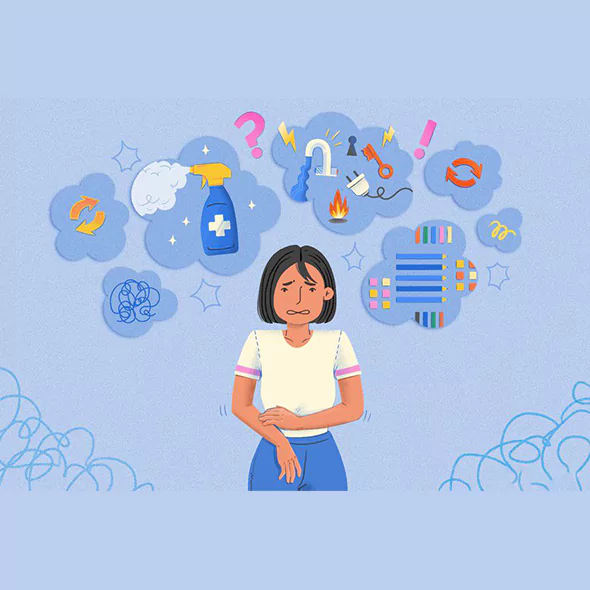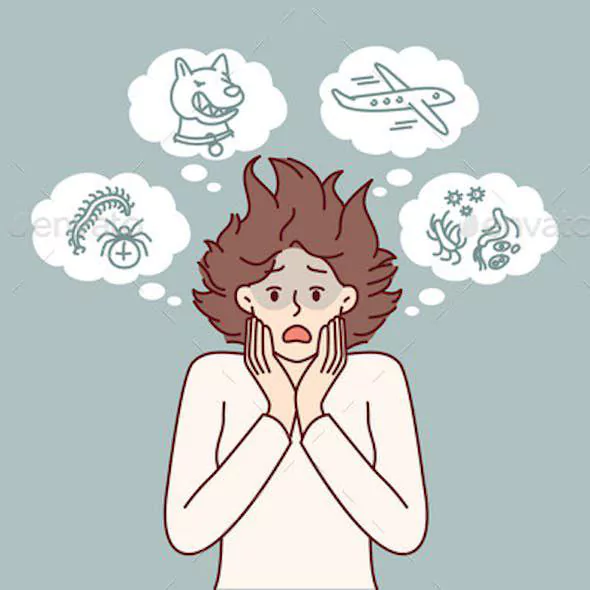


اختلال اضطراب اجتماعی ترس از یک یا چند موقعیت اجتماعی است. موقعیت های ترس آور اغلب شامل صحبت کردن در حضور جمع، رفتن به مهمانی، ملاقات با افراد غریبه، قرار ملاقات گذاشتن، غذا خوردن در حضور جمع، استراحت در اماکن عمومی، صحبت با مراجع قدرت و مخالفت کردن با دیگران است.
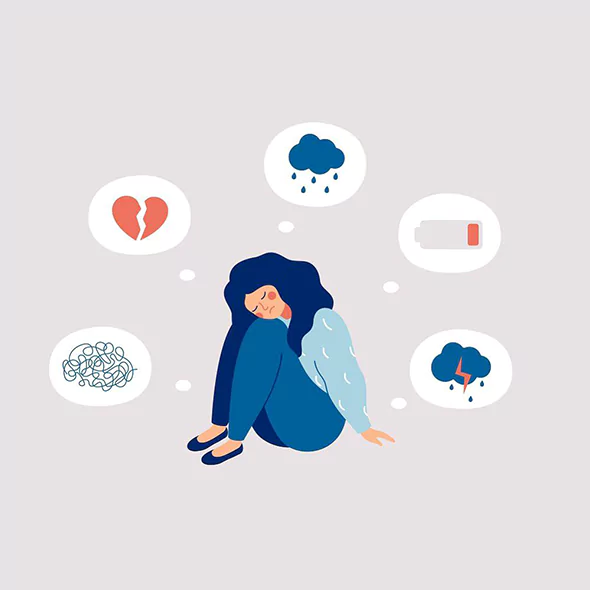
افراد مبتلا به اختلال اضطراب اجتماعی می ترسند کاری انجام دهند که دیگران درباره آنها فکر بدی کنند. آنها اغلب می ترسند که دیگران نشانه ای از اضطراب، از قبیل: سرخ شدن، لرزش یا عرق کردن را در آنها مشاهده کنند. افراد مبتلا به اختلال اضطراب اجتماعی اغلب تلاش می کنند از موقعیت های اضطراب زا دوری کنند. هنگامی که نمی توانند از موقعیت اجتناب کنند، احساس اضطراب یا شرم زیادی می کنند. برخی اوقات ممکن است دچار حملات وحشت زدگی شوند. اختلال اضطراب اجتماعی نوعی خجالتی بودن شدید است که می تواند در زندگی افراد مشکل ایجاد کند. برخی اوقات این مشکلات خفیف است، از قبیل قادر نبودن برای صحبت کردن در کلاس برخی اوقات هم مشکلات می توانند بسیار جدی باشند. افراد مبتلا به اختلال اضطراب اجتماعی شدید اغلب دوستان کمی دارند، احساس تنهایی شدیدی می کنند و در رسیدن به اهداف خود در مدرسه یا محیط کار به مشکل بر می خورند.
چه کسانی به اختلال اضطراب اجتماعی مبتلا می شوند؟
اختلال اضطراب اجتماعی بسیار شایع است. بیش از یک هشتم افراد به درجات مختلف در زندگی خود از اختلال اضطراب اجتماعی رنج می برند. تعداد بیشتری از افراد نشانه هایی از خجالتی بودن را دارند، ولی آن قدر شدید نیستند که اختلال اضطراب اجتماعی به حساب بیاید. اختلال اضطراب اجتماعی اغلب در ابتدای نوجوانی شروع می شود، ولی در مواردی هم در سنین پایین تر گزارش شده است. If people with social anxiety disorder are not treated, it is possible that their problem will continue for years.
What is the cause of social anxiety disorder?
Different factors can be effective in the emergence and continuation of social anxiety disorder:
* Genetics: People with social anxiety disorder often have relatives who are anxious or shy
* Early life experiences: Many people with social anxiety disorder remember feeling embarrassed or embarrassed in the past. They are afraid that this will happen again. Negative experiences with parents, other family members, or peers may play a role in social anxiety
* Negative thinking: People with social anxiety disorder often have negative thoughts about what will happen in social situations. These thoughts are usually things like: "I'm blank and have nothing to say," "I'm acting like an idiot," and "Others are noticing my anxiety." They also have strict standards, such as "I must never be anxious," "You must be beautiful and smart to be liked," or "I must win everyone's approval." They usually have negative beliefs about themselves, such as: "I'm boring," "I'm weird," or "I'm different."
* Avoidance: People with social anxiety disorder often avoid situations that scare them. This will help them feel less anxious in the short term. Avoidance in the long run prevents these people from learning that their social fears are exaggerated and this makes them feel anxious.
* Safety behaviors: Sometimes people participate in social situations, but observe certain things to avoid possible embarrassment. For example, not asking questions or smiling frequently. These "safety behaviors" like avoidance behaviors prevent these people from learning that they can perform well in social situations without extra efforts.
* Lack of social skills: Some people with social anxiety disorder have never had the opportunity to learn social skills. Maybe this issue causes them to have problems in social situations. Other people with this disorder have good social skills, but when they use them, they get anxious and cannot use their skills.
How does cognitive behavioral therapy affect social anxiety disorder?
Cognitive behavioral therapy helps you change the beliefs that cause fear. The therapist teaches you how to identify your negative thoughts and how to think more realistically about social situations and yourself. It also helps you gradually face situations that you were afraid of before. This allows you to find out that fears often do not come true and the consequences of negative events are not so bad. Over time, you'll likely experience less anxiety and more confidence. In addition, your therapist can teach you social and self-soothing skills if needed.
The results of a number of studies have shown that most of the people who underwent cognitive behavioral therapy for their social anxiety disorder had less anxiety after the treatment and most of the people maintained the feeling of improvement even after the end of the treatment.
How long does the treatment last?
For people with mild or moderate social anxiety disorder, usually 16 to 20 treatment sessions are enough. People who only suffer in a specific social situation, such as speaking in public, may take even less time to treat. People with more serious symptoms may need more sessions.
Can drug treatment be effective?
A variety of medications have been found to be helpful for social anxiety disorder. Your doctor or psychiatrist can advise whether or not drug therapy is a good option for you. If necessary, medication can provide initial relief more quickly. However, it has been found that cognitive behavioral therapy is as effective as medication in the long term and can provide better long-term outcomes.
What is expected of you as a patient?
Many people feel anxious at the beginning of treatment. They usually worry about being embarrassed or judged. These patients are initially concerned with the question of whether they will really get better or not. All you have to do is give yourself one more chance to heal. The therapist will teach you things you can do to help yourself and ask you to practice them between sessions. The initial exercises are very simple, but once you feel more comfortable, they will become more challenging. The more you practice, the more likely your social anxiety disorder will improve.
Chapter 6- Post-traumatic stress disorder
Description and diagnosis
Symptoms
Post-traumatic stress disorder is a reaction to a traumatic event such as: war, sexual or physical assault, serious accident, calamity, being imprisoned or tortured and suffering from a life-threatening illness.
One of the early symptoms of PTSD is the involuntary recall of the traumatic event. These symptoms can manifest as recurring memories, nightmares, or flashbacks (in which the person imagines themselves in the traumatic situation again). Additionally, individuals with PTSD tend to avoid internal and external cues associated with the traumatic event. These avoidances generally lead to feelings of numbness or emotional disconnection. Also, these patients constantly experience excessive arousal, which can lead to chronic anger, insomnia, lack of concentration, and a constant feeling of being in danger.
In order to receive a diagnosis of PTSD, a person must experience these symptoms for at least one month. If the symptoms last less than 3 months, the disorder is described as "acute" and otherwise it is described as "chronic". If the symptoms do not start until 6 months after the traumatic event, it is called "late onset". People who have experienced a traumatic event less than a month ago,