به یاد فرزندان جاویدان این سرزمین

یادشان همواره در قلب این خاک زنده خواهد ماند

What is post-traumatic stress disorder? - D. Clinical Psychology Clinic
مقاله تخصصی

What is post-traumatic stress disorder? - D. Clinical Psychology Clinic

3 weeks ago
710 بازدید
Dr. Mohsen Dadashi

Dr. Mohsen Dadashi

Zanjan

PhD in clinical psychology

rel="category" tag">news and articles

What is post-traumatic stress disorder?

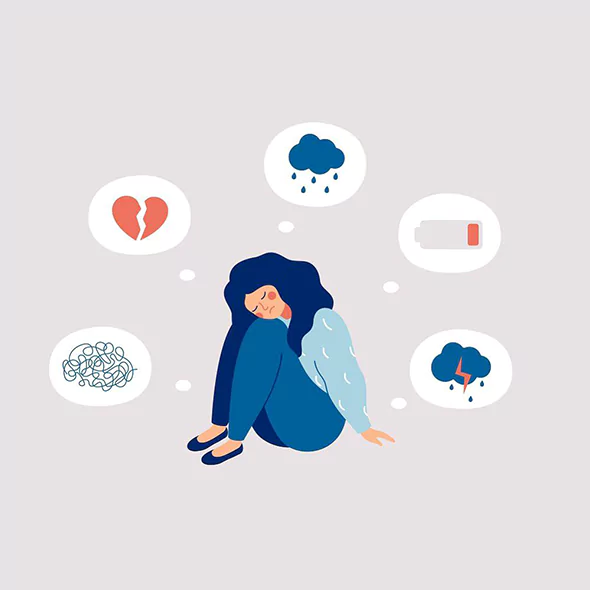
Post-traumatic stress disorder is a common reaction that people show in front of stressful events or trauma. Different events can lead to post-traumatic stress disorder, such as being in a car accident; being assaulted or the victim of a crime; being physically or sexually assaulted; Surviving a disaster such as: flood or explosion; or witnessing the death of another. People suffering from post-traumatic stress disorder have three main problems or symptoms.
1- Re-experiencing the memory of the traumatic event: this experience includes frequent memories, nightmares and flashbacks (the renewal of the memory in a very clear and vivid way) that makes the person suffering from post-traumatic stress disorder feel as if he is re-experiencing the event all over again. When a person suffering from post-traumatic stress disorder sees or hears something that reminds him of that incident, his painful memories come alive again.
2- Avoidance: Remembering what happened is uncomfortable. So people with PTSD try not to think about it. They avoid people, places, or things that bring back memories. They often have no feelings or emotions towards other people or feel numb or detached from others. Some of these patients resort to alcohol or drugs to relieve their pain or discomfort.
3- Symptoms of physical tension: These symptoms can include difficulty falling asleep, constant feeling of restlessness or anger, difficulty concentrating and feeling tense or hearing extreme ringing.

What is the cause of post-traumatic stress disorder?

When people survive a traumatic event, memories of that event are constantly associated with things they see, hear, smell, or feel. Later, images, smells or other similar things can cause past memories and feelings to be revived.
The second reason for reminiscing is that people with PTSD need to analyze the meaning of that event for themselves. Traumatic events often cause people to question their previous beliefs. For example, they consider it ridiculous and impossible that the world is basically a safe place or that bad things will not happen to me. They think about the trauma that happened to them so that they can understand it, but thinking about that event brings back memories and unpleasant feelings; As a result, they will try not to think about them. Instead of relaxing, these people fluctuate between remembering memories and trying to forget them.

What is the formation process of post-traumatic stress disorder?

Most people experience PTSD symptoms shortly after a traumatic event. In about half of these people, symptoms improve on their own within three months. For other patients, symptoms may persist for years. Some people also experience symptoms years after the injury event.

How does cognitive behavioral therapy treat PTSD?

Cognitive behavioral therapy helps to reduce uncomfortable memories and emotions related to the traumatic event in patients with this disorder. This treatment will help you figure out what happened and how you can get back to life. At first, the therapist will give you simple exercises to reduce your anxiety. It will then help you face your distressing memories in a safe way by reliving the traumatic event. At first, you may feel that some old feelings have been rekindled. However, the more you do this, the more the memories will fade and the more relaxed you will feel. The therapist also helps you think more realistically about what happened and what might happen in the future.
Several studies show that cognitive behavioral therapy helps patients with post-traumatic stress disorder to feel much better, and two-thirds of patients under this treatment no longer have the diagnostic criteria of post-traumatic stress disorder. The research conducted includes a variety of people, including combat soldiers, assault victims, car accident survivors, and abused children.

How long does the treatment last?

The time required to treat PTSD depends on the number and severity of traumatic events experienced, the severity of current symptoms, and the number of problems that interfere with treatment. For people who have experienced only one traumatic event, 12 to 20 sessions are usually sufficient. Most of these sessions last 45-50 minutes, but a few treatment sessions will be 90 minutes.

Can medicine be useful?

Medication alone is generally not sufficient to treat PTSD. However, it is beneficial for some patients if combined with psychotherapy. Your doctor and psychiatrist can prescribe the best medicine for you.

What is expected of you as a patient?

If you are currently abusing alcohol or drugs or are struggling with a crisis in your life, it is best not to start treatment. A therapist can help you address these issues first and then treat your PTSD symptoms. After you start the treatment, you need to be enthusiastic about the treatment and devote some time to reading about it every week.


اشتراک‌گذاری:

مقالات مرتبط

مقالات دیگر از Dr. Mohsen Dadashi

22 مقاله
What is obsessive-compulsive disorder? - D. Clinical Psychology Clinic
مطالعه بیشتر

What is obsessive-compulsive disorder? - D. Clinical Psychology Clinic

اخبار و مقالات اختلال وسواس فکری- عملی چیست؟ مهر 12, 140...

3 weeks ago بخوانید
What is depression? - D. Clinical Psychology Clinic
مطالعه بیشتر

What is depression? - D. Clinical Psychology Clinic

اخبار و مقالات افسردگی چیست؟ مهر 1, 1402...

3 weeks ago بخوانید
The difference between a brain map and an EEG A complete guide to application, benefits and methods - Clinical Psychology Clinic D
مطالعه بیشتر

The difference between a brain map and an EEG A complete guide to application, benefits and methods - Clinical Psychology Clinic D

rel="category" tag">news and articles Difference between brain map and EEG | Complete guide to appl...

3 weeks ago بخوانید
What does a brain map show? Recognizing the real functioning of the brain - D. Clinical Psychology Clinic
مطالعه بیشتر

What does a brain map show? Recognizing the real functioning of the brain - D. Clinical Psychology Clinic

rel="category" tag">news and articles What does a brain map show? Knowing the true function of the...

3 weeks ago بخوانید
Application of brain map A new solution to increase creativity and improve memory - D. Clinical Psychology Clinic
مطالعه بیشتر

Application of brain map A new solution to increase creativity and improve memory - D. Clinical Psychology Clinic

rel="category" tag">news and articles Use of brain map | A new solution to increase creativity and...

3 weeks ago بخوانید
The difference between Lortan Neurofeedback and Neurofeedback Scientific comparison of two popular techniques in improving brain function - Clinical Psychology Clinic D
مطالعه بیشتر

The difference between Lortan Neurofeedback and Neurofeedback Scientific comparison of two popular techniques in improving brain function - Clinical Psychology Clinic D

rel="category" tag">news and articles Difference between Loratanourofeedback and Neurofeedback | Sc...

3 weeks ago بخوانید
What is generalized anxiety disorder? - D. Clinical Psychology Clinic
مطالعه بیشتر

What is generalized anxiety disorder? - D. Clinical Psychology Clinic

اخبار و مقالات اختلال اضطراب فراگیر چیست؟ مهر 1, 1402...

3 weeks ago بخوانید
What is social anxiety disorder? - D. Clinical Psychology Clinic
مطالعه بیشتر

What is social anxiety disorder? - D. Clinical Psychology Clinic

اخبار و مقالات اختلال اضطراب اجتماعی چیست؟ مهر 10, 1402...

3 weeks ago بخوانید
Classification of distorted spontaneous thoughts: A practical guide for patients - Clinical Psychology Clinic D
مطالعه بیشتر

Classification of distorted spontaneous thoughts: A practical guide for patients - Clinical Psychology Clinic D

rel="category" tag">news and articles Classification of distorted spontaneous thoughts: a practical...

3 weeks ago بخوانید
What is a specific phobia? - D. Clinical Psychology Clinic
مطالعه بیشتر

What is a specific phobia? - D. Clinical Psychology Clinic

اخبار و مقالات هراس خاص چیست؟ مهر 10, 1402...

3 weeks ago بخوانید
What is the red color in the brain map? Behind the curtain of neural activities
مطالعه بیشتر

What is the red color in the brain map? Behind the curtain of neural activities

rel="category" tag">news and articles What does the red color in the brain map indicate? Behind the...

3 weeks ago بخوانید
What is panic disorder and agoraphobia? - D. Clinical Psychology Clinic
مطالعه بیشتر

What is panic disorder and agoraphobia? - D. Clinical Psychology Clinic

rel="category" tag">news and articles What is panic disorder and agoraphobia?...

3 weeks ago بخوانید
کاربرد نقشه مغزی | راهکاری نوین برای افزایش خلاقیت و بهبود حافظه
مطالعه بیشتر

کاربرد نقشه مغزی | راهکاری نوین برای افزایش خلاقیت و بهبود حافظه

اخبار و مقالات کاربرد نقشه مغزی | راهکاری نوین برای افزایش خلاقیت و بهبود حافظه...

1 month ago بخوانید
اختلال وحشت زدگی و گذر هراسی چیست؟ - کلینیک روانشناسی بالینی دی
مطالعه بیشتر

اختلال وحشت زدگی و گذر هراسی چیست؟ - کلینیک روانشناسی بالینی دی

اخبار و مقالات اختلال وحشت زدگی و گذر هراسی چیست؟ مهر 1,...

1 month ago بخوانید
افسردگی چیست؟ - کلینیک روانشناسی بالینی دی
مطالعه بیشتر

افسردگی چیست؟ - کلینیک روانشناسی بالینی دی

اخبار و مقالات افسردگی چیست؟ مهر 1, 1402...

1 month ago بخوانید
اختلال اضطراب فراگیر چیست؟ - کلینیک روانشناسی بالینی دی
مطالعه بیشتر

اختلال اضطراب فراگیر چیست؟ - کلینیک روانشناسی بالینی دی

اخبار و مقالات اختلال اضطراب فراگیر چیست؟ مهر 1, 1402...

1 month ago بخوانید
اختلال اضطراب اجتماعی چیست؟ - کلینیک روانشناسی بالینی دی
مطالعه بیشتر

اختلال اضطراب اجتماعی چیست؟ - کلینیک روانشناسی بالینی دی

اخبار و مقالات اختلال اضطراب اجتماعی چیست؟ مهر 10, 1402...

1 month ago بخوانید
Pagedone
Resources
Products
©GCORP LLC 2026, All rights reserved.