Anger is like an internal fire that if not controlled, its flames threaten relationships, decisions and even our physical health. The moment a sudden burst of anger overtakes us, we feel out of control, and only a few hours later we are faced with deep regrets about what we said or did. Fortunately, there are methods that can reduce the intensity of anger in the moment and bring the mind and body to relative peace. This article is going to introduce the best immediate solutions to control anger in the moment so that we can tame the flames of anger energy and use them for positive and constructive actions. style="display:none;">

مقاله تخصصی
The best immediate anger management techniques at the moment of anger Doctor Doctor magazine
3 hours ago
255 بازدید

Dr. Reza Bahadur
MashhadOrthopedic specialist
What is anger and why is it important to control it?
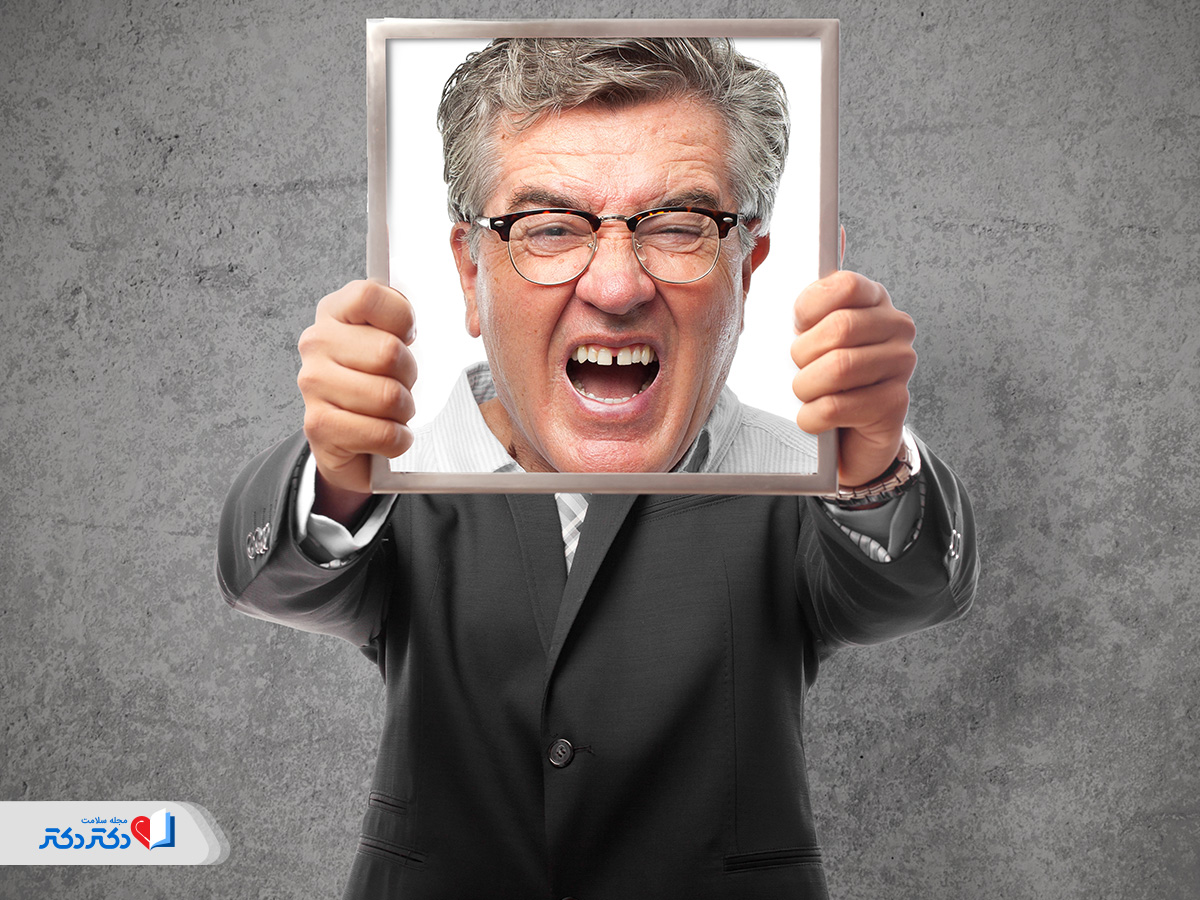
Anger is a natural and instinctive reaction to any kind of threat and is one of the emotions necessary for human survival. The intensity of this feeling can range from simple annoyance to extreme anger. Although anger is often considered as a negative emotion, in some cases it can have a healthy and productive function; Especially when it encourages a person to defend others or to try to make social changes. However, the importance of controlling anger becomes apparent when its inappropriate and uncontrolled occurrence seriously disrupts a person's personal and social life. Inability to manage this emotion may lead to physical violence, verbal abuse and destruction of property. Also, uncontrolled anger sometimes leads to saying things that later cause regret. Also, anger may lead to hasty decisions such as sending emotional messages or emails, and even cause serious physical and mental problems. Natural anger can act as a "warning," a warning that one's rights have been violated or one is in an unhealthy or traumatic situation. In such situations, anger can be a source of awareness and courage and can be used to create positive changes or stand up against injustice.
On the other hand, unhealthy anger is often a destructive factor that increases stress levels and damages interpersonal relationships. When anger is too intense and frequent or expressed in a way that leads to loss of control and subsequent feelings of regret, it becomes a problematic emotion, especially if it is accompanied by aggressive behavior such as shouting, verbal abuse, or destruction of objects.
On the other hand, if unhealthy anger is forcibly suppressed and suppressed, it will have a negative effect on a person's mental and physical condition in the long run. Suppressed anger may even lead to more severe mental disorders such as chronic anxiety and Panic attack. Therefore, getting to know the methods of understanding and managing the emotion of anger is one of the key skills in life.
The main causes of anger and extreme anger
Anger and irritability can be rooted in many factors, from external stimuli to conflicts and deep emotional problems. Some of the common causes of these feelings include daily stress, family tension, and economic pressures. In many cases, intense anger is not just a spur-of-the-moment reaction to a specific event, but rather stems from past fears, anxieties, or traumatic experiences. This destructive excitement lowers a person's tolerance threshold and makes him prone to sudden and explosive reactions.
In addition to psychological factors, physiological variables also play a significant role in increasing irritability. For example, hormonal imbalance can lead to more intense emotional reactions. Although anger is considered a normal emotion, in some cases it can be a sign of underlying disorders. For example, excessive alcohol consumption weakens impulse control, disrupts the process of emotion regulation and emotion management, and makes the occurrence of anger more intense. For example, depression does not manifest as sadness and in some people it can manifest as chronic irritability, irritability and outbursts of anger. Also, people with OCD may experience extreme anger and frustration if their rituals and obsessive behaviors are disrupted or they are unable to control intrusive thoughts. Other disorders can also be accompanied by increased anger and impulsivity. For example, attention deficit hyperactivity disorder (ADHD) is often associated with mood problems and poor impulse control. Also, bipolar disorder causes significant mood swings that include periods of extreme anger during manic or depressive phases. In addition, in Intermittent Explosive Disorder, which is associated with the lack of control over anger impulses, there are sudden, frequent and disproportionate episodes of aggressive behavior towards stimulating situations.

Environmental and social factors
Environment plays an important role in provoking anger. Everyday events such as traffic, long waits in line, or sarcastic comments from others can act as triggers, especially when a person is tired, stressed, or has a reduced tolerance threshold. In addition, environmental factors include social interactions, situations in which a person feels that their personal rights or psychological boundaries have been ignored. Meanwhile, social factors and stressful life events such as bereavement, divorce, or job loss are also associated with outbursts of anger in some cases. In such a situation, anger can directly or indirectly be directed at the lost person, related conditions or even inanimate objects and is an extreme reaction to the feeling of helplessness, injustice or lack of control.
Family and work problems
Internal family tensions, such as the non-cooperation of children or insufficient participation of the spouse in doing household chores, also lead to frustration and psychological pressure. hits If these issues are not properly addressed and resolved, they lead to the formation of resentment and bitterness and gradually affect the positive emotional atmosphere of the family. In families with children, the anger projected by their parents becomes the cause of aggression in children.
In the workplace, factors such as high-stress meetings, high volume of responsibilities, or tension and conflict with colleagues can become the basis for increasing anger and irritability. In such a situation, the person may remain mentally agitated and tense after returning home. Constant mental preoccupation with an unsuccessful work day and repeated review of unpleasant events keeps the brain in a state of discomfort and prevents emotional relaxation, a situation that can end up in venting anger on family members.

How to control your anger?
Effective anger management means learning how to identify your anger, accept it, and express it in constructive and healthy ways. Research shows that cognitive-behavioral approaches are very effective in this field, because they help people change their thinking and behavioral patterns and better understand the relationship between their thoughts, emotions, and behaviors. One of the important solutions is to plan for the moments when anger takes control of the mind. In this way, a person knows what actions to take specifically during emotional arousal.
Another important strategy is to identify the triggers and physiological signs of anger; Some signs such as an increased heart rate, muscle contraction or clenched fists appear before reaching the peak of anger. Being aware of these symptoms allows a person to intervene in time and adjust his emotional state before the situation escalates, before anger leads to harmful behaviors. In the rest of this article, we will mention a number of anger management methods.
Immediate techniques to control anger at the moment of anger
One of the most effective strategies in anger management is to distance yourself from the provoking situation. For example, leaving a tense meeting, taking a walk when you are involved in an argument with a family member, or temporarily interrupting a conversation with a friend and resuming after both parties have calmed down can be helpful. Before speaking, it is better to pause for a moment and collect your thoughts so that you do not say words that may cause regret in the future.
Breathing exercises and calming the mind as ways to control anger
Breathing exercises and gradual muscle relaxation are proven methods to reduce physical tensions caused by anger. These exercises are simple and can be done in a variety of settings, from a stressful workplace to a family dinner party. These exercises allow a person to quickly reduce physical pressure and stress.
Mental relaxation can also include repeating a mantra or a relaxing phrase such as "keep calm" or "relax your mind" to reduce anxious thoughts. Other techniques include visualizing a relaxing scene, doing yoga exercises, or listening to soothing music, all of which help create a calm mental and physical state.
Changing Negative Thought Patterns
Nervous thoughts often act as fuel for the "fire" of emotions. By changing your mindset and focusing on reality instead of catastrophic predictions, you can reduce your anger. These processes help to remove the glasses of pessimism and anger and prevent rumination. Also, to stop intrusive thoughts, the best thing to do is to occupy yourself with a new activity. A task that requires concentration, such as gardening, cleaning, or playing with the children, prevents negative thoughts from entering the mind. In this way, the brain and body become more relaxed.
Writing, exercise and healthy release of anger
Physical activity is a great way to remove excess tension and clear the mind. Whether it's a brisk walk, a run, or the gym, exercise reduces stress and increases your endurance. Writing in a notebook is another healthy way to allow yourself to process your feelings and become calmer.
Once you're calmer, it's better to express your concerns firmly but not aggressively. Using sentences that start with "I," like "I'm sorry you didn't help me," allows you to express your need without blaming or escalating the fight. Using jokes, if not sarcastic, can reduce the tension.

When should we see a psychologist to control anger?
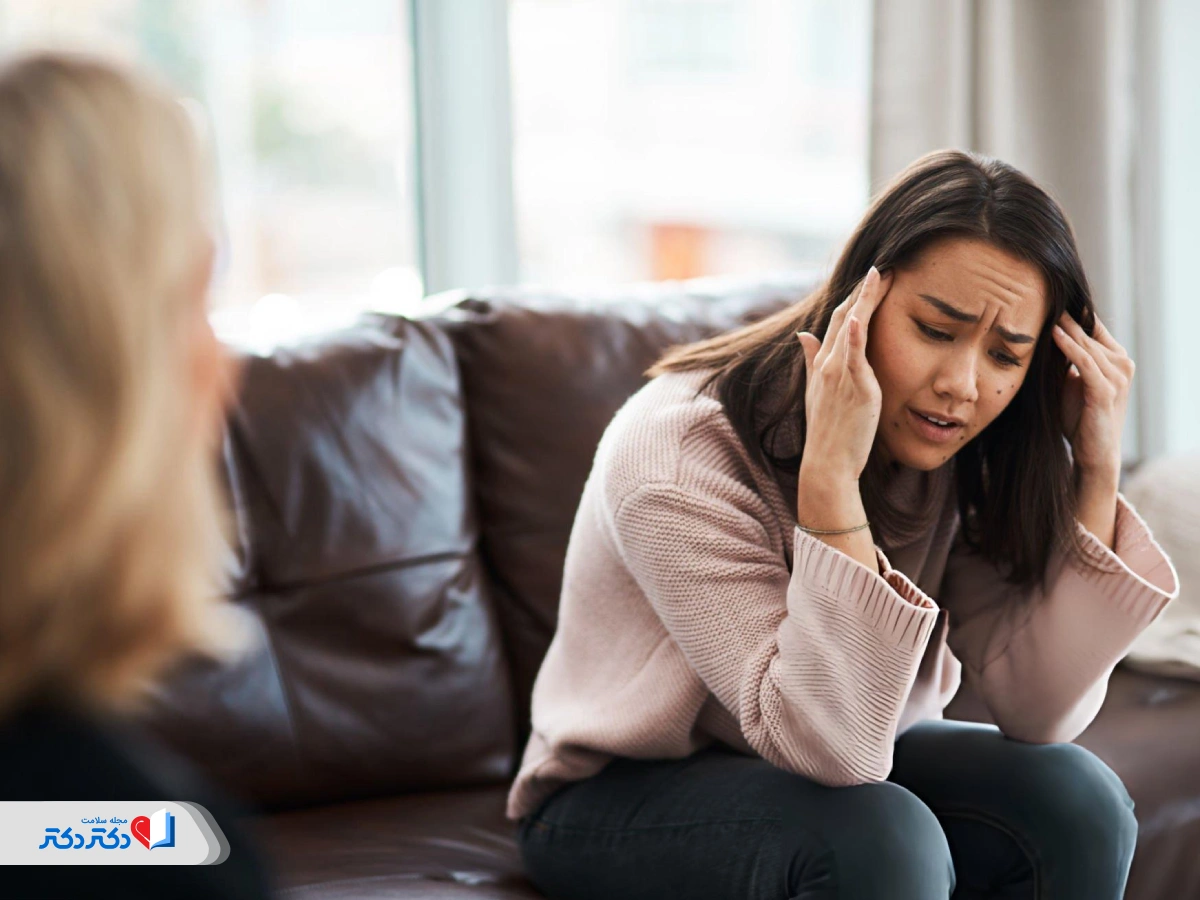
If your anger becomes uncontrollable or continuously damages your relationships and those around you, it is better to see a psychologist. If you regret something you've done or said after you've calmed down, a professional can give you the tools to tame your anger.
Getting help is important because anger can be a sign of underlying mental disorders, such as post-traumatic stress disorder, depression, or hormonal imbalances. A psychologist will find these problems and make sure you get the right treatment, not just try to suppress the anger. In this regard, the DoctorDoctor website helps you, in addition to gaining more knowledge and information about the full list of mental and nervous disorders, to online consultation with the best psychologists and, if necessary, get the medicine you need from the DoctorDoctor online pharmacy.
Signs of dangerous or chronic anger
Dangerous or chronic anger often manifests itself in aggressive behavior, such as yelling at family members, threatening coworkers, or destroying things. Also, anger may take the form of physical violence or verbal abuse. If you feel like you go from "calm" to "very angry" in the blink of an eye and can't control yourself, you are most likely dealing with problematic and dangerous anger.
Physical signs of chronic anger include high blood pressure, rapid heart rate, and muscle tension. The chronic anger of introverts often manifests itself in the form of negative self-talk, isolation or ignoring basic needs, which in the long run is extremely dangerous for a person's physical and mental health.
The role of psychotherapy and individual counseling
Psychotherapy helps a person learn skills to cope with thoughts, feelings and behaviors that cause anger. In psychotherapy sessions, the psychologist may use behavioral therapy or cognitive behavioral interventions to help the person incorporate anger management techniques into daily life. In addition, one of the tasks of the psychologist or doctor is to examine physical problems that can cause mood changes. Depending on the specialist's diagnosis, the treatment may be combined with drugs associated with underlying disorders such as anxiety or ADHD to make the person's emotions more balanced.
What is the anger management course and who is it suitable for?
Anger management course is a regular and structured program that teaches a person how to recognize his anger triggers and express his emotions in a healthy and constructive way. These courses are suitable for anyone who feels that anger has affected their life, whether this anger is limited to anger in street traffic or more severe aggressions.
Anger management courses are offered in person and online in many places such as psychological clinics or psychotherapy counseling centers, and some of them are even available to people in the form of telephone sessions or self-help programs. These courses are useful for people who want to be more tolerant of frustration and anger and learn specific skills to manage their intense emotions.
Anger Management Course Content
In most cases, anger management courses focus on cognitive behavioral methods and teach participants that their thoughts, feelings and behaviors are all connected. Participants learn to recognize the early signs of anger and do various relaxation exercises such as deep breathing or gradual muscle relaxation.
In addition, anger management courses teach conflict resolution skills, such as using sentences that begin with "I" or how to communicate assertively. The use of distraction techniques to break the cycle of negative thoughts may also be taught in the course.
Difference between anger control course and individual therapy
Anger control courses and individual therapy are held with the aim of reducing anger, but individual counseling is more in-depth and includes the assessment of a person's specific psychological conditions by a specialist. In individual counseling, the anger management program is personalized and underlying disorders can be managed through therapy or medication.
Also, anger management courses are more skill-oriented and educational and focus on learning practical techniques for managing anger in everyday situations. These courses are often held in groups and participants can benefit from the experience and support of others. In fact, anger management courses provide an interactive and supportive environment that is different from the one-on-one atmosphere of counseling sessions.

Benefits of participating in anger management courses
Participating in anger management courses will make you better able to control your anger and a small incident will cause you to explode in anger. This preventative method is used to manage stress and prevent the physical effects of uncontrolled anger on the heart and brain.
Also, these courses improve social and work relationships as you learn to solve problems without alienating others. When you learn to talk honestly about hidden feelings like frustration or sadness, you also address the roots of your anger.
Doctor's Final Word
Anger is a natural emotion, but when left unchecked it can threaten relationships, decisions, and physical health. Fortunately, with immediate techniques such as breathing exercises, muscle relaxation, changing thought patterns and healthy discharge of anger, its intensity can be reduced in the moment. For this purpose, the DoctorDoctor website helps you access the best and most experienced mental health specialists and psychologists in person or online from any geographic location. Also, if needed, you can also get the necessary medicines from Doctor Doctor Pharmacy online. In general, we must keep in mind that anger management does not mean suppressing emotions, but by recognizing triggers and applying practical skills, emotional reactions are controlled, relationships become healthier and daily life goes more smoothly and effectively. data-toggle="collapse">How to control ourselves in the moment of anger?
The most effective way is to take a break from the brain and Relax your body. Before speaking, think for a few seconds so that you don't regret your words in the future. Using quick relaxation techniques, such as deep breathing or repeating a calming mantra like "calm down" can also help reduce the intensity of anger more quickly. icon-opened" style="display:none"> When does anger need to see a psychologist?
Resources
Tags:
The content of this article is for your general information only and does not constitute medical prescription.