

Use of laser in root canal treatment; New technology in increasing the success of endodontics
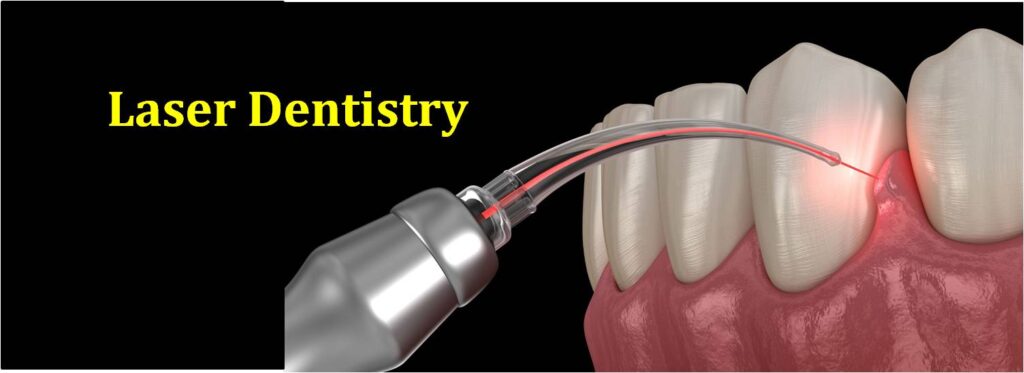
Endodontics is performed with the aim of removing infection from the root canal system and preserving natural teeth. Despite significant advances in mechanical instruments and antiseptic materials, the main challenge remains complete removal of microorganisms from the complex structure of the root canal. In recent years, the use of laser in root canal treatment has been proposed as a new technology that can play an important role in increasing the effectiveness of disinfection.
In this article, we will discuss the scientific use of laser in root canal treatment, its advantages, limitations and its role in improving treatment results.
Why is complete root canal disinfection challenging?
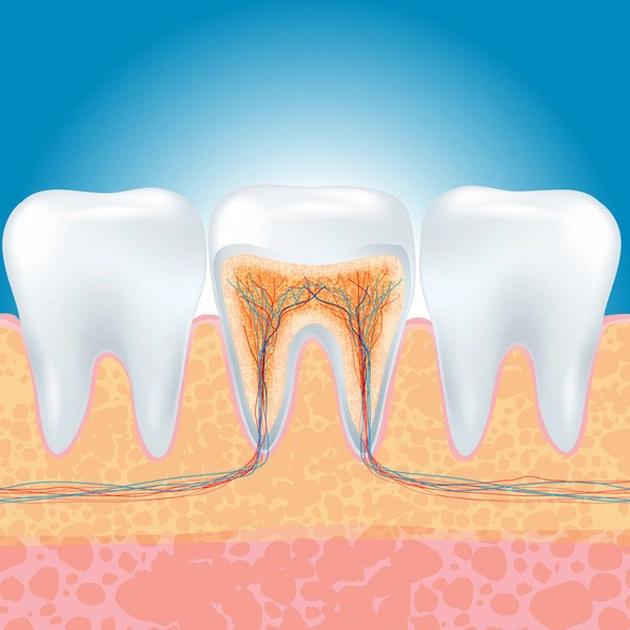
The root canal system has a complex structure including:
Canals Sub
Ismus
Fins
Dentin tubules
Multiple curves
Mechanical instruments mainly clean the central part of the canal, but access to microscopic areas and Dentin tubules are limited. Bacteria such as Enterococcus faecalis can remain in these areas and cause treatment failure.
For this reason, technologies such as lasers have been considered as a supplement to chemical disinfection.
How does laser work in root canal treatment?
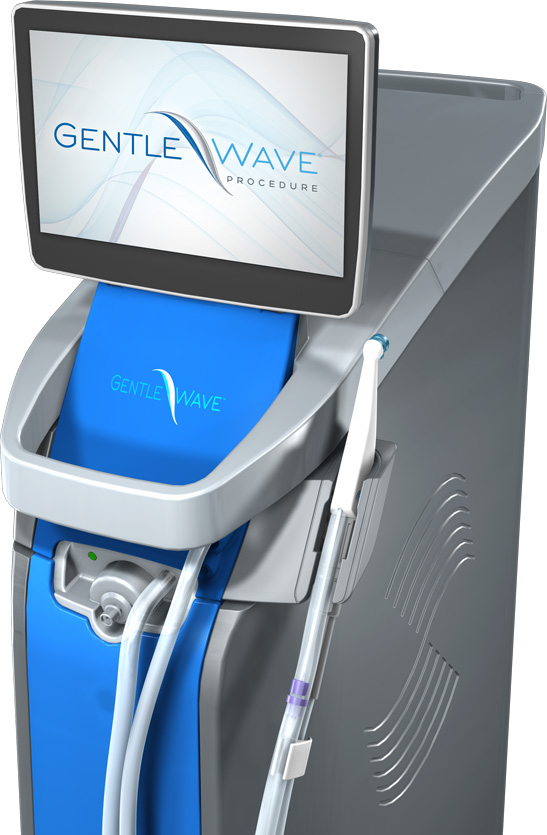
Lasers used in endodontics usually include the following types:
Nd:YAG
Er:YAG
Er,Cr:YSGG
Diode Laser
Laser effect mechanism includes:
Direct bactericidal effect through thermal energy
Deeper penetration into the dentinal tubules than washing solutions
Reduced load Microbial in canal walls
help to remove the smear layer
Studies have shown that the correct use Laser can significantly reduce the amount of remaining bacteria.
Advantages of using laser in root canal treatment
1. Increasing the effectiveness of disinfection
Laser energy can penetrate deeper into the dentine and reduce the bacteria in the dentine tubules; Areas that are sometimes not completely cleaned by normal washing.
2. Reducing resistant microbial load
Some microorganisms are resistant to environmental conditions. Laser can further reduce the microbial load as a supplement to solutions such as sodium hypochlorite.
3. Helping to remove the smear layer
In some wavelengths, the laser can help remove or modify the smear layer and facilitate better penetration of sealer materials.
4. Reducing the chance of recurrence of infection
By further reducing the residual bacteria, the chance of treatment failure and the need for re-endodontic treatment is reduced.
Is laser a replacement for classical treatment?
No. Based on scientific evidence, laser is considered to complement standard treatment, not replace it.
Successful endodontic treatment still depends on:
correct channel shaping
effective washing with standard solutions
control of working length
fundamental canal filling
Use of laser, if used correctly, can enhance this process but replace the steps It is not the main treatment.
Limitations of laser use in endodontics
need for specialized equipment and high cost
dependence on the skill and knowledge of the user
possibility of increasing root temperature in Incorrect use
Restriction of complete access to all microscopic branches of the channel
For this reason, the correct choice of case and principled use are very important.
Which patients may benefit more from laser?
teeth with resistant infection
Retreatment cases
Complex canals with difficult anatomy
Chronic periapical lesions
In these cases, further reduction of the microbial load can increase the chance of treatment success.
The role of an endodontic specialist in the use of lasers
The use of lasers in endodontic treatment requires:
Knowledge of channel anatomy
Wavelength and proper energy control
Correct combination with Standard irrigation protocols
Safe endodontic temperature management
The endodontist with advanced knowledge of pulp biology and endodontic infections can decide whether to use a laser for a case. Is it particularly helpful?
Does laser use reduce pain?
In some studies, reductions in microbial load and inflammation can be associated with pain reduction after treatment; But the final result depends on several factors, including the severity of the initial infection and the quality of the overall disinfection.
Summary
Using laser in root canal treatment is one of the new advances in endodontics that can As a supplement to chemical disinfection, it can be effective in reducing the microbial load and increasing the success of the treatment. However, the success of the treatment still depends on the basic principles of endodontics, including precise shaping, adequate washing and basic filling of the canal.
Choosing the appropriate treatment method should be done based on the conditions of each patient and expert diagnosis in order to achieve the best result in preserving the natural tooth.