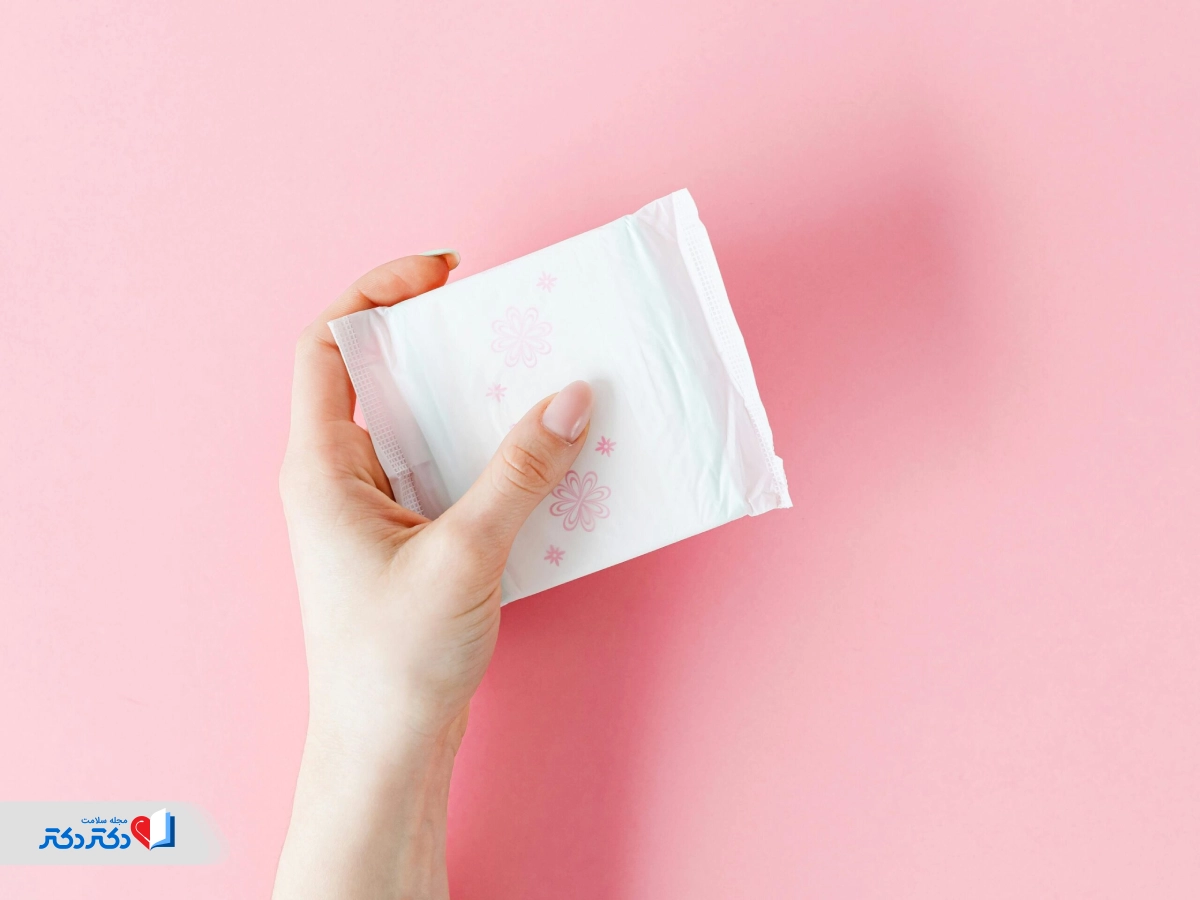
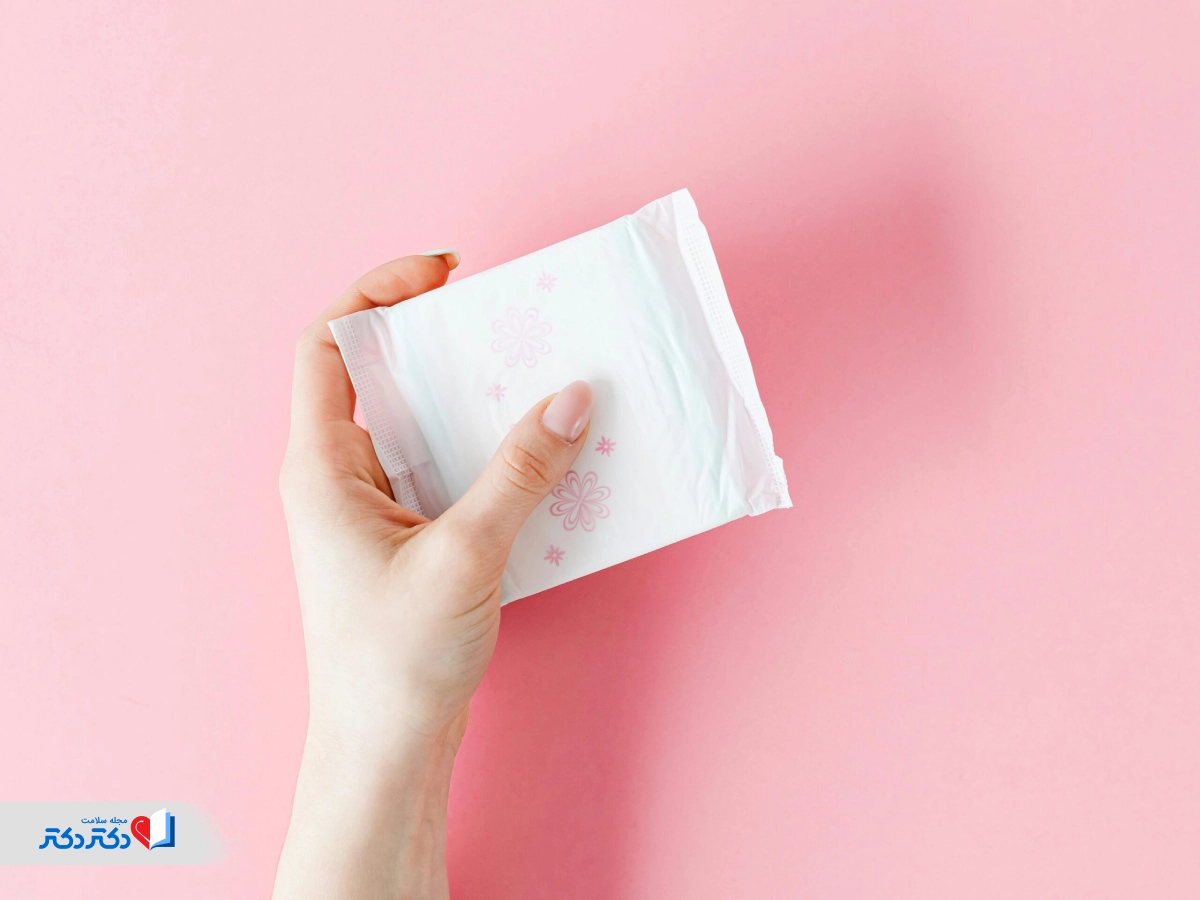
ترشحات واژن یک پدیده فیزیولوژیکی کاملا طبیعی در بدن زنان است و وجود آن برای سلامت سیستم تولیدمثل زنانه ضروری است. برخلاف تصور، ترشحات واژن در طول چرخه قاعدگی یکسان نیست و ممکن است گاهی از نظر بافت، رنگ و مقدار تغییر کند. بنابراین، جز در برخی موارد خاص، لزومی ندارد نگران این تغییرات باشید. ما در این مقاله، همه انواع ترشحات واژن را چه طبیعی باشند و چه غیرطبیعی، بررسی میکنیم تا بدانید علت هریک از آنها چیست و چه زمانی باید به پزشک مراجعه کنید.
مقاله تخصصی
types of vaginal secretions; Reason, color and time to see a doctor + photo
1 hour ago
855 بازدید

Dr. Reza Bahadur
MashhadOrthopedic specialist
What is vaginal discharge?
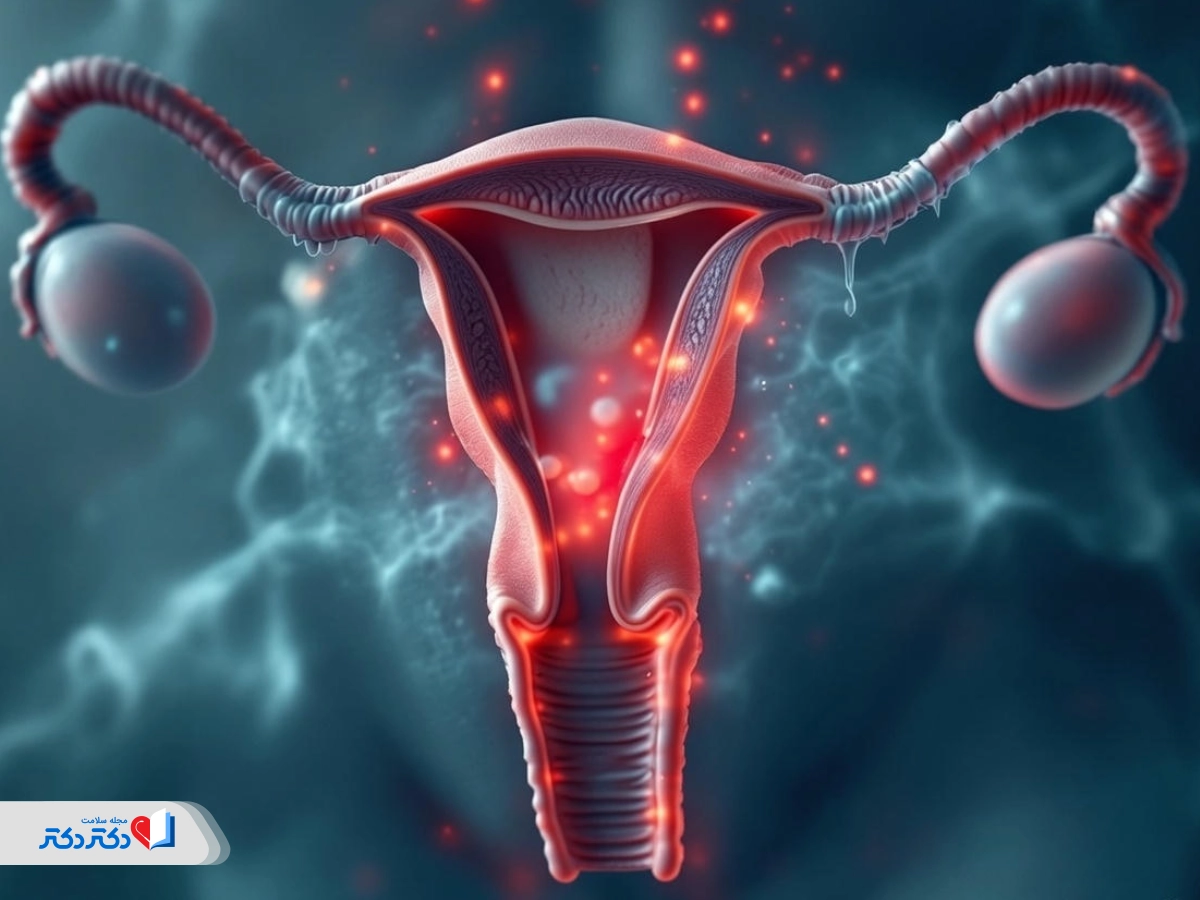
Vaginal discharge is a watery liquid or It is sticky and comes out naturally from the vagina and you can see traces of it in your underwear. These secretions are produced by the glands inside the vagina and cervix and are a combination of water, mucus, dead cells and bacteria such as lactobacilli. The role of vaginal secretions in the reproductive system of women is very important; Because like a natural cleanser and protector, they keep the inside of the vagina clean, prevent vaginal dryness and prevent the spread of infection.
Vaginal secretions are valuable information about the cycle. Menstruation and your overall health. The changes that you see in the amount, concentration, texture, color and smell of these secretions are sometimes normal and sometimes they may be due to infection or another disease. For this reason, knowing the types of vaginal secretions is very important.
Categories of vaginal secretions
In this part of the article, we explain the types of vaginal secretions with real photos so that it is easy for you to recognize them:
1. Normal vaginal discharge
- Days 1 to 5: At the beginning of the cycle, the discharge is usually red or bloody as the body sheds the lining of the uterus.
- Days 6 to 12: After the period, vaginal discharge usually decreases. As the eggs begin to grow and mature, the cervical mucus becomes cloudy and white or yellow.
- Days 13 to 15: During the ovulation phase, the mucus becomes slimy and slippery and looks like raw egg white. After ovulation, the mucus will probably become sticky and cloudy and have a white or yellow color.
- Days 16 to 28: The cervical mucus will become lighter and you will have less discharge before your period.

The characteristics of natural discharge are as follows:
| Color | Clear, milky white or creamy white |
| Odor | Not bad or unpleasant, unless you are unhygienic or pregnant |
| Texture | Watery, slimy, sticky, thick or pasty |
| Amount | Depends on individual characteristics and circumstances. For example, postmenopausal women and teenagers have less discharge, women of reproductive age have neither high nor low discharge, and pregnant women have a lot of vaginal discharge. This hormonal change increases vaginal secretions during pregnancy, which you should be happy about; Because it makes it more difficult to transfer infections from the vagina to the uterus. In late pregnancy, you may notice streaks of pink in your vaginal discharge. These are your cervical mucus secretions and indicate that your body is preparing for childbirth.Vaginal discharge before periodAt the end of the menstrual cycle and close to the period, the discharge usually decreases. However, it is normal if you see brown spots right before your period. In people with light menstrual bleeding, it takes longer for menstrual blood to pass down the cervix. As a result, these brown spots are probably the same old blood that creates brown spots along with secretions. 2. Abnormal vaginal dischargeIn general, abnormal vaginal discharge includes:
Different colors of vaginal secretions and their meaningsNow let's see what the different colors of vaginal discharges mean: Clear dischargesVaginal discharges are basically clear or white, but there is no problem if they are cream or light yellow. Sometimes the texture of these secretions may be slimy or similar to egg white. Usually, during sexual arousal, just before ovulation and during pregnancy, the discharge is more transparent and slippery. White or milky dischargeWhite or milky discharge if accompanied by other symptoms such as itching or vaginal burning may indicate an infection. For example, cheesy white discharge that has a pungent smell is probably a sign of a yeast infection. Dark or bright red dischargeVaginal discharge usually turns red when you have your period. In fact, the red color of the discharge is due to the presence of blood in it. Note that menstrual bleeding occurs on average once every 28 days, but between 21 and 35 days is also normal. During this period, whenever you have red discharge (as if you had your period twice a month), you should see a doctor; Especially if it happens more than once. If you are menopausal and have vaginal bleeding, see a gynecologist as soon as possible. This problem may have occurred because of endometrial cancer. If you want to visit in person, choose the specialist you want in the online appointment system of DoctorDoctor. With just a few clicks, your turn will be registered without wasting your valuable time. If for any reason it is difficult for you to visit gynecology doctor in person, use the online visit service of Dr. On this platform, there are experienced specialists in the field of gynecological diseases who will make an appointment in the shortest possible time and visit you remotely in the safe environment of your own home. Pink dischargeIf the color of your vaginal discharge is bright pink or deep pink, there is probably a little blood in it. Such discharge often occurs with spotting before the period. Of course, one of the types of vaginal discharge in pregnancy is pink discharge, which may indicate implantation bleeding in early pregnancy. Some people have spotting after ovulation, which causes pink discharge. If you see pinkish discharge after sex, it is normal because there may be small tears in the vaginal wall or cervix. Greenish yellow dischargeLight yellow discharge is often not a problem; It may even become this color due to eating certain foods or supplements. However, if the color is dark yellow, greenish yellow, or green, it is probably a sign of a bacterial or sexually transmitted infection. In this case, the secretions may be very thick and clotted or bad smell Feel the vagina for discharge. Gray dischargeThis color is also a possible sign of a common bacterial infection called bacterial vaginosis (BV), especially if it is accompanied by the following symptoms:
The cause of vaginal dischargeNow the question is what is the cause of vaginal discharge? The reason for vaginal discharge is different for discharges that are normal and abnormal discharges. Let's examine each one separately. 1. The cause of natural vaginal secretionsVaginal secretions are part of the female reproductive system and keep the vagina clean and healthy. Bacteria and dead cells need these secretions to leave the vagina. During pregnancy, it is these secretions that prevent bacteria from entering the uterus. Another cause of vaginal discharge is excitement and sexual arousal.
2. The cause of abnormal vaginal secretionsAbnormal vaginal secretions often occur for the following reasons: Disruption of the bacterial balance of the vaginal environmentSometimes due to the use of antibiotics or steroids, the normal bacterial balance of the vagina is disturbed, which probably causes changes in vaginal secretions. Infection FungalWhen the growth rate of certain fungi called candida in your vagina gets out of control, the vaginal discharge changes to thick, white and cheesy. It is usually accompanied by swelling and itching and makes sex painful. TrichomoniasisIt is a type of sexually transmitted infection (STI) that is transmitted to you through sex with an infected person. The cause of this infection is a parasite that causes vaginal secretions to be green, yellow, or gray in color and bubbly or foamy. Bacterial vaginosisoccurs when certain bacteria overgrow in the vagina. These bacteria may be transmitted through sexual contact, especially with multiple sexual partners (not always). People with BV have white or gray discharge that smells very fishy. Gonorrhea and chlamydiaThese two sexually transmitted diseases are transmitted through sexual intercourse with an infected person. Some people with these infections have cloudy, yellow or green vaginal discharge. If not treated, the infection spreads and causes pelvic inflammatory disease. Non-infectious causes of abnormal vaginal dischargeSometimes abnormal vaginal discharge is not related to infection and may be caused by other factors. Some of these causes are:
Note: Pregnancy is one of the causes of increased vaginal secretions compared to the normal state. However, this is not a bad thing and to protect you against Vaginal infection occurs. Treatment of vaginal dischargeNatural vaginal discharge does not require treatment because it is not dirty or unhealthy. It's just a way to get rid of fluid and dead cells from your vagina. Never use a vaginal douche to get rid of vaginal discharge. This both destroys the natural balance of organisms in your body and causes infection. You should see a doctor to treat abnormal vaginal discharge. He first diagnoses the cause of your vaginal discharge and uses different treatment methods accordingly. For example, if the cause of these discharges are bacterial or sexual infections, he will treat you by prescribing medicine for vaginal infection including antibiotics. Important note: Never self-medicate and do not self-medicate to remove vaginal discharge. Especially antibiotics must be taken with the advice of a doctor. If the cause of your vaginal discharge is not an infection and you take antibiotics for no reason, you may destroy the beneficial bacteria in the body and the vaginal area, and this means that your body will become resistant to antibiotics.
Care for vaginal discharge at homeIf your vaginal discharge is not abnormal and you just want Maintain hygiene, the best thing to do is to gently clean the outside of the vagina using mild soap and water. That's enough; You do not need to clean the inside of the vagina. This organ keeps itself clean naturally with the help of some healthy bacteria. The bacteria in the vaginal area make the environment maintain its acidity so that microorganisms and fungi cannot grow excessively. Do not use soaps, antibacterial gels, wet wipes and any hygiene products containing perfume in the vaginal area. Do not wear tight underwear, jeans, bathing suits and sweaty clothes for a long time and change them to dry and comfortable clothes as soon as possible. Always wipe your vagina from front to back to prevent anal bacteria from entering the vagina. When to see a doctor?See a doctor if you have any of the following symptoms in the vaginal area:
Doctor's last wordIn this article, we talked about the types of vaginal discharge. Vaginal secretions are completely normal and play an important role in keeping the vagina clean and removing bacteria from it. It is not necessary to follow your secretions carefully every day, but sometimes these secretions change in terms of color, smell and concentration due to reasons such as infection, pregnancy or various diseases, which are different from their normal state. In such a situation, you should go to a gynecologist to diagnose the main cause of the discharge and, if treatment is necessary, prescribe you medicine or antibiotics. If you feel that you have abnormal vaginal discharge, for example, it has a bad and pungent smell, is cheesy or has an unusual color, make an appointment with a gynecologist at Dr.Doctor online now and get a visit. If you need an in-person visit, make an appointment with the online doctor appointment system. Frequently Asked QuestionsWhat are normal vaginal discharges like? Clear, white, milky or pale yellow discharges that are slimy and slippery are normal. What does vaginal discharge from sexually transmitted infections look like? What is the cause of gray discharge? Why do I have greenish-yellow discharge without a bad smell? The reason for clear and slimy discharge when What is vaginal cleansing? Amount How much is normal vaginal discharge? Resources Tags: The content of this article is for your general information only and does not constitute medical prescription. |