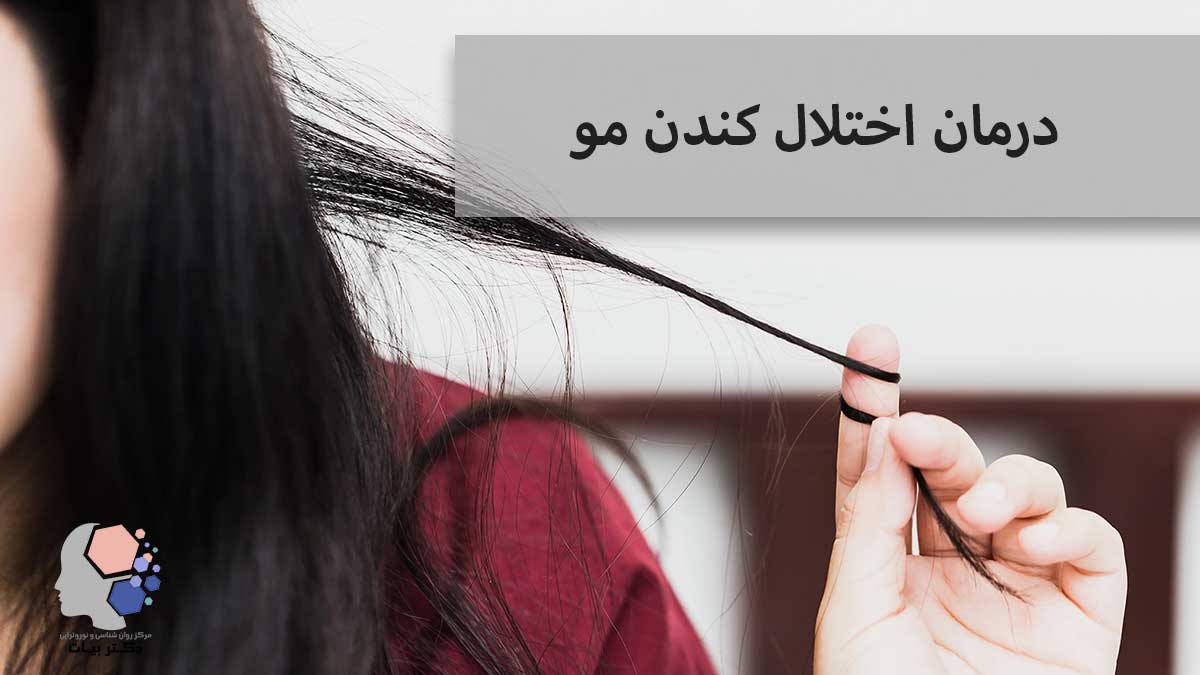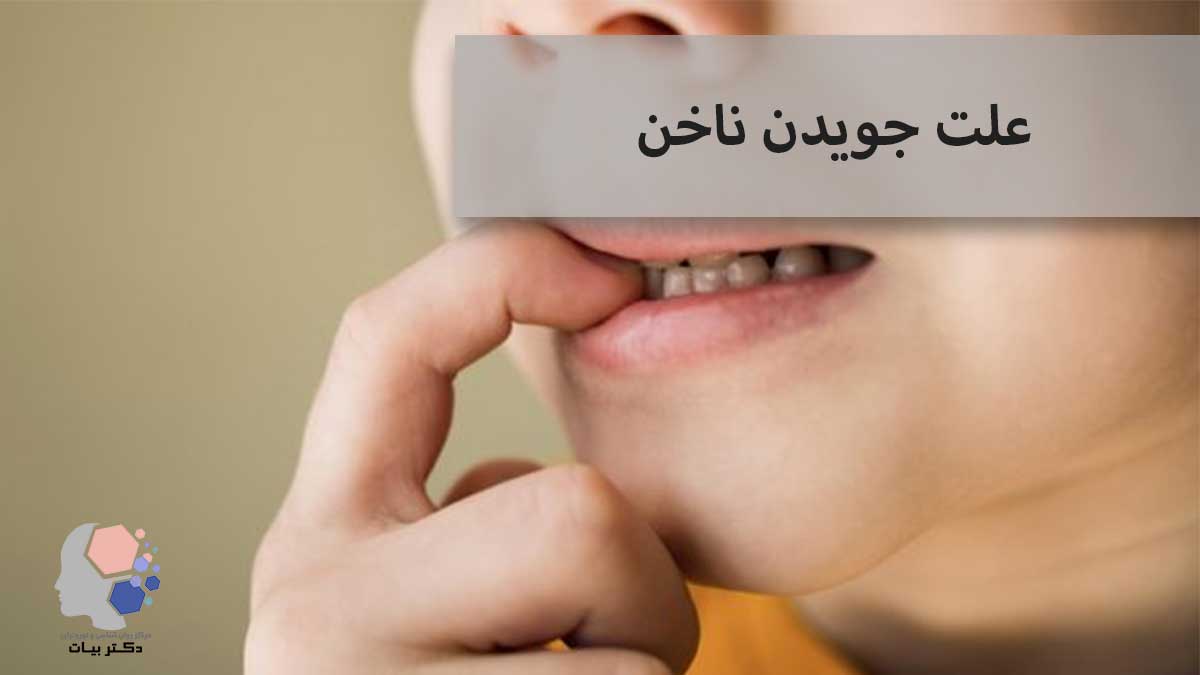

Nail biting in psychology under onychophagia (Onychophagia) is known and is included in the category of repetitive behaviors derived from tension; Behaviors that are usually activated when a person faces stress, mental preoccupation or emotional tension. Research shows that this behavior is often a form of "tension release"; That is, by biting the nails, a person is freed from internal pressure for a moment, and this feeling of short release strengthens the habit.
In adolescents, this behavior is more related to academic pressures, nervous sensitivity and concern about others' evaluation. In adults, it is usually seen with chronic anxiety, perfectionism, and unstable patterns of emotion regulation. So nail biting is not just an unpleasant habit; It is a sign that a person's emotional system relies on an unconscious and ineffective pattern to manage stress.. Knowing the psychological causes of this behavior is the first and most necessary step to correct it. When a person understands what in his mind and body activates this behavior, the path to treatment and replacement of healthier habits becomes much clearer.
The psychological cause of nail biting
The role of anxiety and tension in the initiation of behavior
Nail biting usually appears when a person is under stress. When stress rises, the body looks for a quick way to release tension, and nail biting is one of the easiest reactions. For this reason, many people unconsciously resort to this behavior in situations such as waiting, worry or restlessness..
Unconscious mechanisms and behavioral conditioning
This behavior happens most of the time without conscious decision. At first, a person accidentally bites a nail when stressed, and because it relieves mental pressure for a few moments, the brain registers it as a "quick fix". This same process makes nail biting fixed as an unconscious habit and repeated in similar situations.
Association of nail biting with body-focused repetitive disorders (BFRBs)
In psychology, nail biting is included in the group of behaviors that are done to reduce tension and may harm the body. These behaviors usually occur when a person does not have enough ability to manage emotions and stress. For this reason, nail biting is not just a superficial habit; It is a sign that the mind and body need more help to control tension.
What is the cause of nail biting in children?
As mentioned, nail biting disorder is more prevalent in children, especially in younger age groups such as hair pulling disorder. For example, 2-year-old children chew their nails more than people over 10 years old.
In children, especially children who have not yet found the ability to speak fully, expressing and describing internal states such as fear and stress have many problems. This issue causes children's mental problems to remain without proper expression and the cause of nail biting in children acts as a way to reduce stress.
Children can understand problems and stresses, but they have difficulty expressing them correctly to others, due to their inability to express their emotional stress. In some cases, the cause of nail biting in children is suppression of mental pressure. Children may explain, but those around them may not understand accurately and may not provide appropriate help to improve the child's condition. In this situation, the child has to bear his mental pressure alone and tries to reduce some of his anxiety by biting his nails.
Read more: The cause of aggression in children
Also, many children chew their nails when they feel hungry. This action may be intermittent and temporary at first, but in many cases it becomes a permanent and stable habit in the child.Symptoms of nail biting disorder
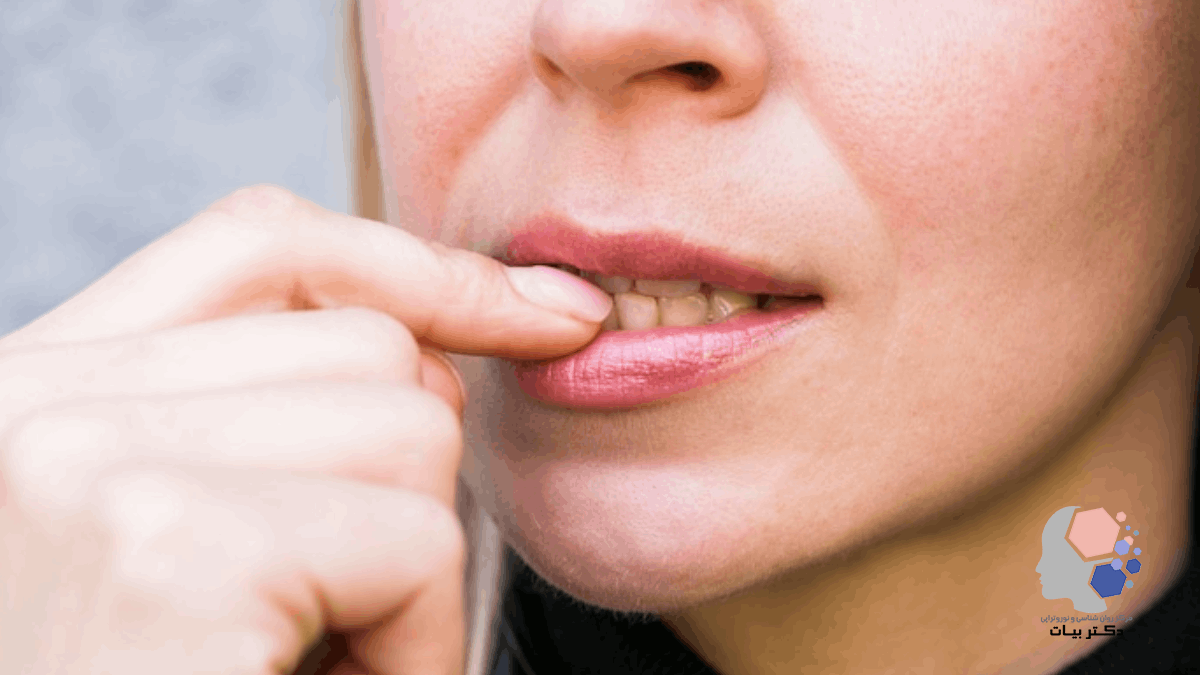
In many people of all ages, nail biting may appear as a short-term reaction and response to environmental and psychological conditions. However, in some cases, this habit becomes a continuous process and when faced with unpleasant situations, a person starts biting his nails.
In these cases, it can be said that nail biting plays a greater role in a person's life as an obsessive disorder with specific physical and mental dimensions. Some of the signs and symptoms of people suffering from this disorder are:
- biting nails in the face of problems:
When people experience stress, insecurity, or anxiety, nail biting begins as a relief response.
- Relief after nail biting:
People who suffer from this disorder find relief by biting their nails and in some cases enjoy the act.
- Creating physical problems:
In addition to mental problems, nail biting can also lead to physical problems and if it continues, it may turn into a nail biting disorder.
- Shame on bad habits:
People may be ashamed of this habit and try to hide their bitten nails.
Injuries caused by nail biting
The habit of biting nails at different ages may lead to the following injuries and risks:
- Introduction of a large amount of bacteria and germs into a person's body
- Creation of infection in the area around the nail
- creating a scratch in the gum and as a result gum infection
- Looseness of the root and nerve of the tooth by biting and chewing the strong tissue of the nail
- Creating bad breath by entering a large volume of bacteria into it
- Breaking and filling teeth
- Tooth enamel loosening
- Turning teeth grinding on each other into a regular habit and as a result of grinding teeth in people
- jaw stiffness
- Stomach and digestive tract infection
- falling distance between the teeth
- Damage of orthodontic brackets and their loosening
- creating herpes and mouth sores
- Inflammation of the skin around the nail
- Eating toxic substances from nail polish and getting chemicals into the body
What is the cause of nail biting in adults?

This disorder may be caused by various factors, most of which have a psychological origin. The main and influential factors in the emergence of nail biting disorder in adults include the following:
- Stress:
The main cause of nail biting in adults is stress and anxiety. People who are faced with stressful situations for a long time, unconsciously resort to biting their nails and use this action as a means to deal with anxiety. Those interested to learn more about the methods treatment Anxiety and stress can read the relevant article.
- Lack of affection:
A large percentage of emotionally deficient people suffer from nail biting disorder. These people, due to being in unfavorable emotional conditions, discharge their negative energies through nail biting.
- Genetics:
So far, this reason has not been scientifically proven, but according to research, a large percentage of parents of people with this disorder had a habit of biting their nails in the past.
Read more: behavioral problems of adolescents
Methods to stop nail biting
Psychologists offer several recommendations to treat and stop nail biting at different ages, especially in children. These recommendations include the following:
- Conversation with the affected person
Discussion with the affected person is the best way to treat nail biting in adults and children. Parents or close people should provide an opportunity to tell the internal problems of the affected person by building trust and attracting attention. By using psychological and focused conversations, identify the root of the problem and by suggesting multiple solutions, help relieve and reduce stress or fear.
- Keeping nails short
Keeping the nails regularly and their manicure can become one of the effective ways to quit the habit of nail biting. This action reduces the attractiveness of nail biting.
- Using fun tools
Use alternative and fun ways to treat nail biting in children and adults. For example, having stress relievers or toys that can be used instead of nail biting in stressful situations.
- Reward and encouragement
Using small rewards and rewards, even if they are simple, can encourage children to stop biting their nails. It is very important to emphasize on providing timely and correct rewards.
- use of gloves
Using gloves can be effective in treating nail biting in children. This device can keep the nails away from the person's reach and help to break the habit.
- chewing gum
Chewing gum can help in critical situations. This method can distract a person from biting nails. Of course, it is necessary to pay attention to consuming a lot of gum and use sugar-free versions.
- bitter nails
Using bitter foods, such as frankincense or bitter varnish, can prevent nail biting. This method is effective for children and adults.
- Artificial nail
Planting artificial nails can distract a person from nail biting and help to quit this habit. Chewing the implanted nails due to their hardness may help in breaking the habit.
How to recognize the main cause of nail biting?
Diagnosing the cause of nail biting becomes possible when a person knows what stimuli, situations and patterns activate this behavior.
identification of stimuli
To find the cause of nail biting, you need to identify the triggers that start the behavior. Many people unconsciously go to nail biting when they are stressed, busy, bored or mentally stressed. Examining these moments helps to find a clearer reason for the behavior.
Analysis of stressful situations
Nail biting often occurs in situations where the stress level is higher than usual. Detailed analysis of the conditions that activate the behavior; Such as work, study or interaction situations, it helps you understand when the reason for nail biting peaks and what kind of emotional pressure is behind it.
Registration of accompanying behavior and patterns
Recording the time and place of occurrence of the behavior, accompanying feelings, and what you were doing before nail biting will make the process of diagnosing the psychological cause of nail biting much easier. By recording these patterns, it is determined whether the behavior is tied to anxiety, boredom, momentary stress or a specific stimulus.
Scientific and fundamental treatment of nail biting
Effective treatment begins when a person understands why this behavior is formed and how it can be stopped with scientific methods. Nail biting, even if it continues for years, can be controlled with the right approaches, and most people experience a clear reduction in the behavior within a few weeks after learning these methods..
approach CBT and modification of thought patterns
Cognitive Behavioral Therapy (CBT) is one of the most basic methods of treating nail biting. This approach helps a person understand what internal thoughts, worries, or expectations are causing tension and activating behavior. By correcting these mental patterns, the intensity of tension decreases and the desire to bite nails decreases. Combining CBT with emotion control skills usually makes the person's condition improve in a short period of time and the behavior is transferred from an unconscious state to a controlled state.
Method Habit Reversal Training
The method of habit reversal or HRT is the most important tool for the treatment of repetitive body-oriented disorders. In this method, the person first learns to recognize the moment the nail biting starts, then chooses an alternative reaction instead of continuing the behavior. This reaction can be holding a small ball, gently pressing the hands or even placing the hands at a point away from the face. By repeating this substitution, the nail biting cycle is gradually weakened. Many people who have practiced this method regularly have reported a reduction in behavior within weeks.
Anxiety control and emotion regulation techniques
Because the cause of nail biting in many people is related to anxiety and internal tension, emotional control is considered an important part of treatment. Deep breathing, relaxation, mindfulness and thought stopping are techniques that quickly reduce tension and bring the mind to a more balanced state. By reducing tension, the brain has less need to activate repetitive behaviors such as nail biting. These techniques together with CBT or HRT multiply the power of treatment.
In adolescents, treatment should be more flexible. Sensitivity to the judgment of others, academic pressure and emotional changes of this age increase the probability of nail biting. For this reason, a combination of HRT, emotion management training, reducing environmental stressors, and parental cooperation usually works best. Adolescents usually respond much faster to behavioral treatments than adults, provided that the treatment process is simple, understandable and stress-free. Seeing a professional is essential if nail biting has caused wounds, infections, skin damage, or decreased self-esteem, or if the behavior is accompanied by severe anxiety, obsessions, or persistent restlessness. By carefully examining the triggers and mental conditions, the therapist suggests the best treatment path and helps to control the behavior in a sustainable way. Specialist consultation not only speeds up the treatment process, but also prevents the habit from repeating itself in the future. Nail biting is a behavior that often continues for years, but its change begins when a person can recognize the causes, triggers and hidden patterns behind this behavior. Scientific methods such as CBT, HRT and emotion regulation exercises have proven that even old and ingrained behaviors can be modified with the right approach. As the individual learns to manage internal tensions and substitute healthier responses, the cycle of repetition gradually weakens and control of behavior is regained.. At Dr. Hossein Bayat Psychology and Neurofeedback Clinic, the treatment process is specially designed according to scientific patterns so that each person receives detailed and personalized self-treatment based on their psychological conditions, age and special stimuli. Many clients have experienced a significant reduction in nail biting and a noticeable increase in relaxation and self-confidence after a few sessions. Choosing a scientific and guided treatment path is the point where real change begins and can lead to a permanent end to this unpleasant habit. Sources: https://childmind.org/topics/anxiety/
Appropriate interventions for adolescents
cases requiring specialist referral

Result