

Why does gum analysis happen? Causes, symptoms and treatment methods
Gum analysis is one of the most common oral and dental problems that appears as receding gum tissue from the teeth. In addition to having a negative effect on the beauty of the smile, this situation can also endanger the health of the teeth. Many people notice gum recession when their teeth look longer or they have tooth sensitivity.
In this article, we scientifically examine why gum recession occurs, what are its symptoms, and how can it be treated or controlled.
What is gingival recession?
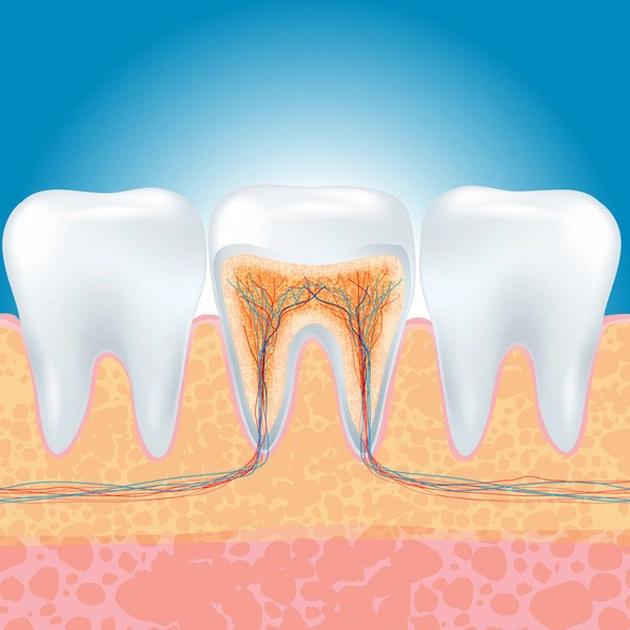
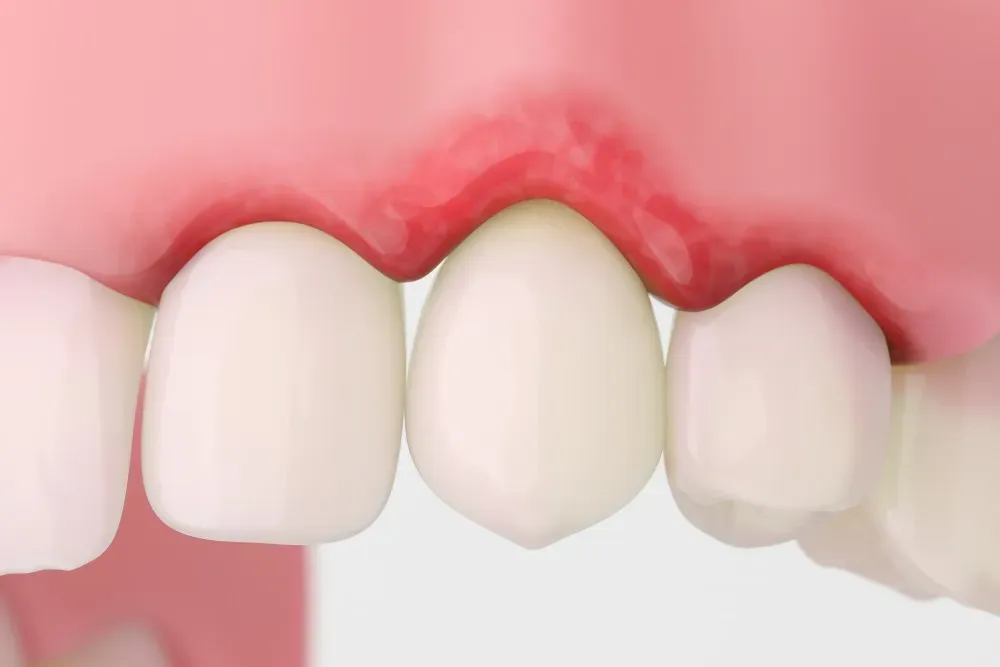
Gingival recession is a condition in which the gum tissue gradually recedes and part of the tooth root is exposed. Since the root of the tooth lacks enamel, it is much more sensitive to cold, heat and decay than the crown of the tooth.
The most important causes of gum recession
1. Gum diseases (periodontal)
The most common cause of gum recession is gum inflammation and infection. The accumulation of plaque and bacterial mass causes the gradual destruction of the gum and bone tissue around the teeth.
2. Improper and rough brushing
Using a hard toothbrush or excessive pressure while brushing, over time causes mechanical damage to the gums and their receding.
3. Improper oral and dental hygiene
Lack of brushing and flossing regularly will cause the accumulation of plaque, inflammation of the gums, and ultimately gum recession.
4. Genetic factors
Some people genetically have thin and sensitive gums and even with proper hygiene, they are prone to gingivitis.
5. Teeth grinding (Broxism)
Excessive pressure caused by teeth grinding or clenching the teeth can cause bone and gum loss around the teeth.
6. Improper dental treatments
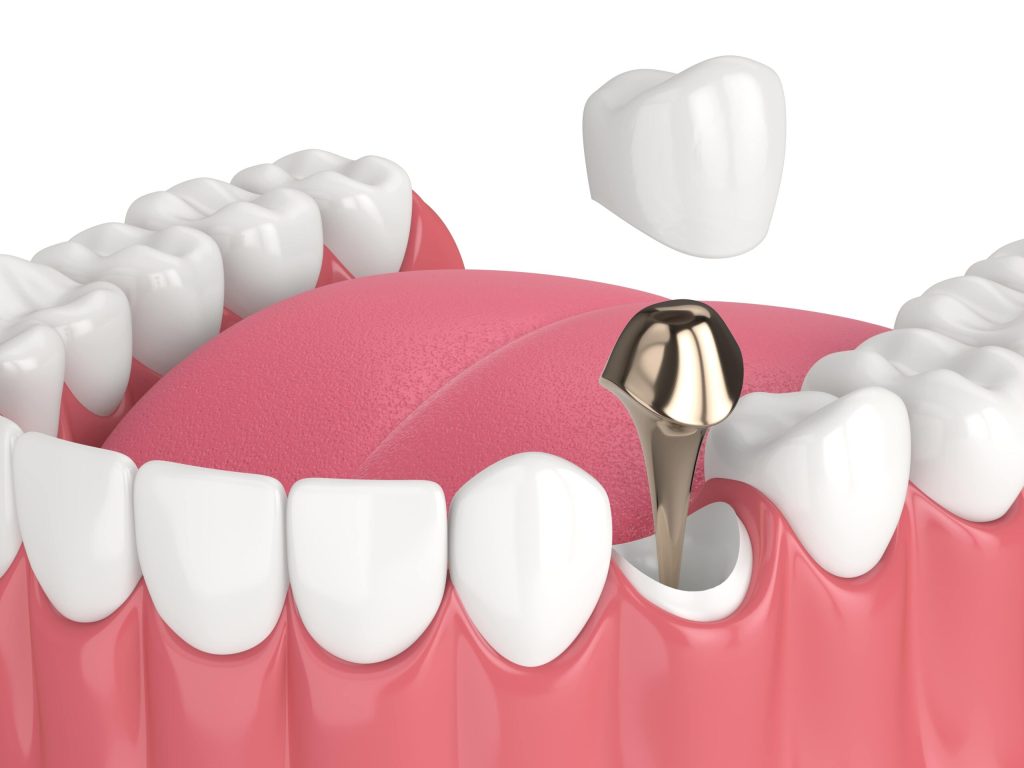
Non-standard restorations or veneers, incorrect orthodontics or inappropriate fillings can cause gum irritation and decay.
7. Cigarettes and tobacco
Cigarette consumption reduces the blood flow to the gums and disrupts the tissue repair process; As a result, the possibility of gum recession increases.
Symptoms of gum recession
Higher visible teeth
Dental sensitivity to cold and heat
Root exposure Teeth
Bleeding or inflammation of the gums
Change in color of the root area
Persistent bad breath
Is gingivitis dangerous?
If left untreated, Gingivitis can lead to:
root decay
Therefore, its timely diagnosis and treatment is very important.
Methods for treating gum recession
🔹 non-surgical treatment
Massing and smoothing the root surface
Teaching how to brush correctly
Using a soft toothbrush and special toothpaste
Grinding control with night guard
🔹 Surgical treatment
In advanced cases, gum surgery is performed by a gum specialist, including:
Gingival graft
Flap surgery
Increasing the thickness of gum tissue
The aim of these treatments is to cover the root of the tooth and prevent the progress of decay.
Is gingivitis reversible?
Gingivitis is not naturally reversible, but with proper treatment you can:
stopped its progress
reduced symptoms
Improve the appearance and function of the gums
How to prevent gum recession?
Correct brushing with gentle pressure
Regular use of dental floss
Periodic visits to the dentist
Quit smoking
Early treatment of gingivitis
Using a tooth protector in case of grinding your teeth
Summary
Gingival analysis is a common but serious problem that can threaten the health and beauty of teeth. Knowing the causes, paying attention to the initial symptoms and visiting the dentist on time plays a key role in controlling and treating this condition. The earlier the treatment starts, the more successful and less invasive the results will be.