
Table of Contents
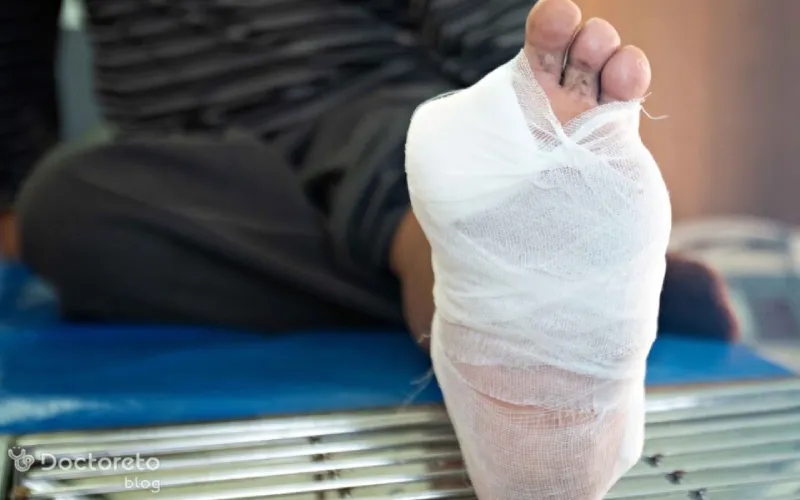
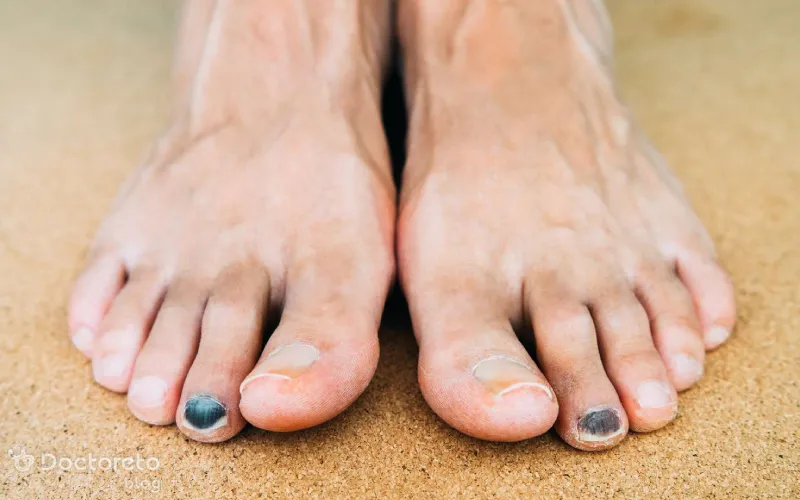
Discoloration of the toes, especially when they turn dark or black, is a worrying sign. In people with diabetes, this discoloration is a sign of a serious underlying problem, such as impaired circulation, nerve damage, or tissue infection. A condition that, if neglected, leads to serious complications such as diabetic foot ulcers or gangrene. Since diabetes interferes with wound healing and blood supply to the extremities, any changes in the appearance of the feet should be taken seriously. Early diagnosis and timely action play an important role in preventing limb amputation and more dangerous complications such as death. In this article, we will talk to your doctor about blackening of the diabetic toe.
What is the cause of diabetic toe blackening?
One of complications of diabetes is the possibility of diabetic toe turning black. The most important reason for black toe in people with diabetes is the reduction of peripheral blood flow. Impaired blood supply causes insufficient oxygen to reach the tissues, and in severe cases, tissue death and dark or black discoloration occur. This condition is often seen in patients with long-term or uncontrolled diabetes
diabetic neuropathy also plays an important role. Nerve damage reduces the feeling of pain and pressure in the leg, and in such a situation, a person does not notice a wound, injury or infection. This numbness can cause gradual progression of tissue damage and darkening of the toe without warning signs.
What are the warning signs before a black toe?
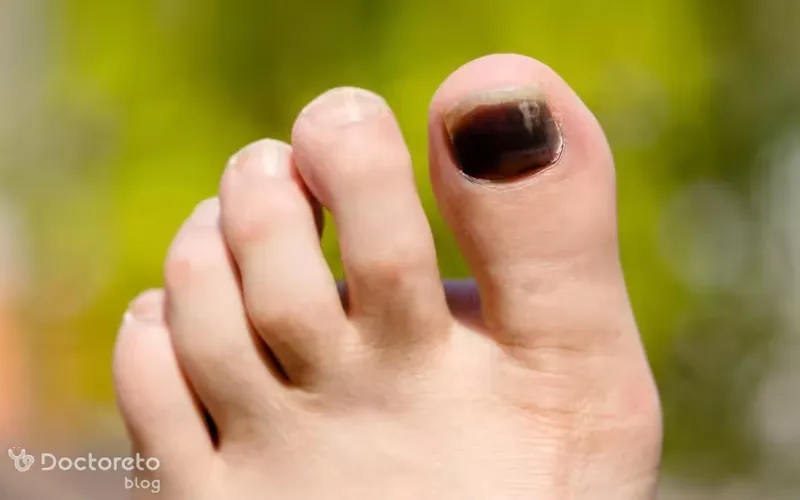
Early symptoms include red, purple, blue, or dark brown discoloration of the skin that does not improve over time. Local swelling, warming or, on the contrary, cooling of the finger and pain or abnormal sensitivity are also important warning signs. In some patients, numbness, tingling, or a bad smell are signs of infection or nerve damage. Observing any of these symptoms requires immediate investigation.
How dangerous is toe blackening in diabetics?
Although the blackening of the nail or the tip of the finger seems to be an external problem at first, but in diabetic people it is a sign of the beginning of a dangerous process such as a deep infection or gangrene. This condition spreads rapidly if left untreated. Early diagnosis of the underlying cause, whether it is a circulatory disorder, infection or nerve damage, is very important. Timely treatment prevents the progression of the injury and the need for invasive procedures such as surgery or amputation.
English text:
Typically caused by gangrene, this condition could mean amputation is imminent.
Persian translation:
This disease, which is usually caused by gangrene, means imminent amputation. href="https://feetsee.us/black-toes-from-diabetes-recognizing-the-warning-signs-and-protecting-your-feet/" target="_blank" rel="noreferrer noopener">feetsee
What to do if the toe turns black?
If you see blackness or darkening of the toe, it is necessary to see a doctor immediately; Especially if the person has diabetes. Self-medication or delay in seeing a doctor increases the risk of serious complications. The doctor determines the cause by examining the blood flow, the condition of the nerves, the presence of infection and the blood sugar level and starts the appropriate treatment.
| Symptoms of diabetic toe darkening | Treatment solutions and appropriate action |
|---|---|
| Change the color of the toe skin to dark brown, purple or black | See a doctor immediately; Assessment of blood supply (ABI, Doppler) and ischemia or gangrene |
| Abnormal coldness of the finger compared to other fingers | Check for circulatory disorders; modification of risk factors (sugar control, smoking cessation), vascular treatment if needed |
| severe pain or on the contrary complete finger pain | simultaneous examination of neuropathy and ischemia; Adjustment of diabetes medications and specialist referral |
| Swelling, redness around the finger or purulent discharge | Evaluation of infection; Start antibiotics only with a doctor's prescription and hospitalization if necessary. debridement (removal of dead tissue) and targeted treatment |
| open wound that does not heal | specialized diabetic foot ulcer care, pressure reduction (off-loading), close control of blood sugar |
| numbness, tingling or loss of sensation | management of diabetic neuropathy; Daily foot care training |
| Blackening with gradual expansion | Emergency situation; Possible need for surgical intervention or vascular reconstruction |
| fever or general signs of infection | urgent referral; Investigating systemic infection and aggressive treatment if needed |
1. Basic actions at home
In the early stages and only with the doctor's opinion, the feet can be washed once or twice a day for 10 minutes in a solution of lukewarm water and mild detergent. This helps to reduce inflammation and microbial load. Also, the use of topical antibiotic ointments is used only if there is clinical evidence of infection and with the doctor's prescription.
2. Medicine to treat diabetic toe blackening
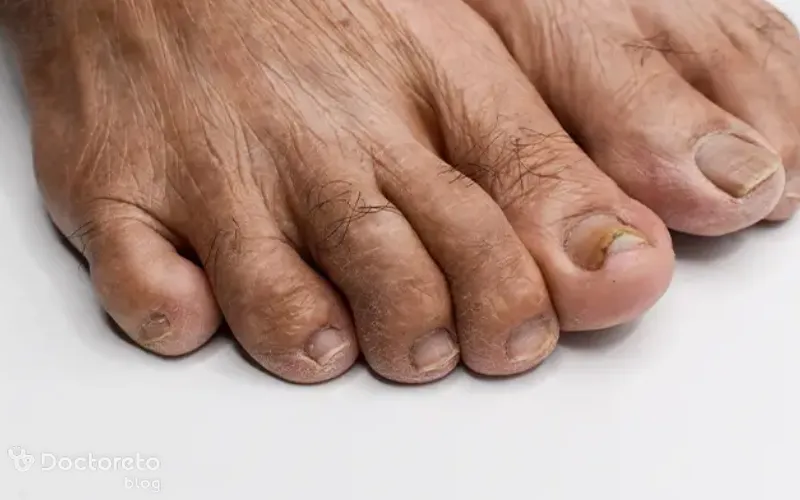
In diabetics, toe blackening is considered a vascular/infectious emergency and should not be mistaken for a fungal nail infection. In moderate to severe diabetic foot infections, especially in cases of suspected multimicrobial infection, injectable antibiotics such as vancomycin are prescribed along with other medications.
3. Surgery to treat blackened diabetic toe
In advanced cases, when the damaged tissue or nail causes severe pain or persistent infection, surgery becomes necessary. These procedures are usually performed under local anesthesia and the pain during the operation is very minimal. After complete anesthesia, removal of the nail or damaged tissue is done painlessly. Post-operative care plays an important role in recovery and prevention of re-infection.
English text:
quoted from my.clevelandclinic
Gangrene is when lack of blood flow causes tissues in your body to die. It often starts on the edges of limbs, like toes or fingers.
Persian translation:
Ganqaria occurs when the lack of blood flow causes the death of body tissues. The disease often starts at the edges of the limbs, such as the fingers or toes.
How to prevent diabetic toe blackening?
Wearing suitable and comfortable shoes, avoiding walking barefoot even at home and trimming nails correctly are the most important preventive measures. These cases reduce the risk of wound formation and local pressure. Keeping the feet dry, moisturizing the skin to prevent cracking and accurate blood sugar control through medication, healthy eating and regular physical activity play an essential role in maintaining the health of diabetic feet.

Diabetic Foot Ulcer Prevention How Is it?
Conclusion
Diabetic toe blackening can be caused by poor circulation, nerve damage, or infection, which should not be dismissed as a simple problem. This discoloration may be a sign of hematoma under the nail or the beginning of serious tissue damage. Regular care of the feet, early detection of symptoms and timely visit to the doctor is the way to prevent dangerous complications and maintain the health of the lower limbs in diabetic patients.
Your doctor takes care of your health!