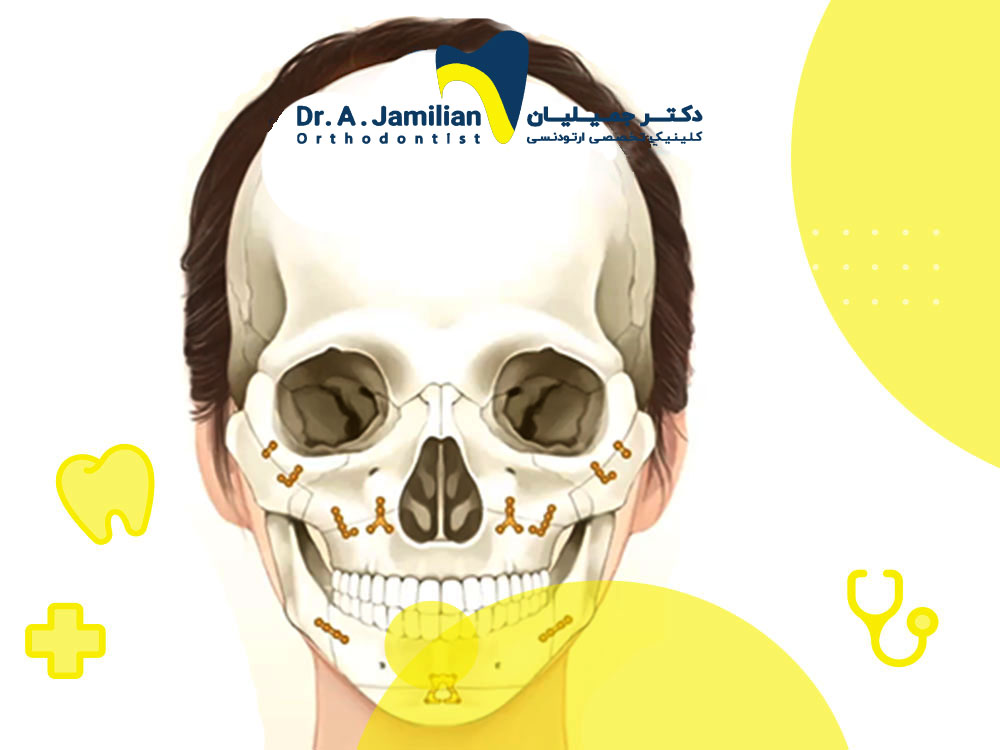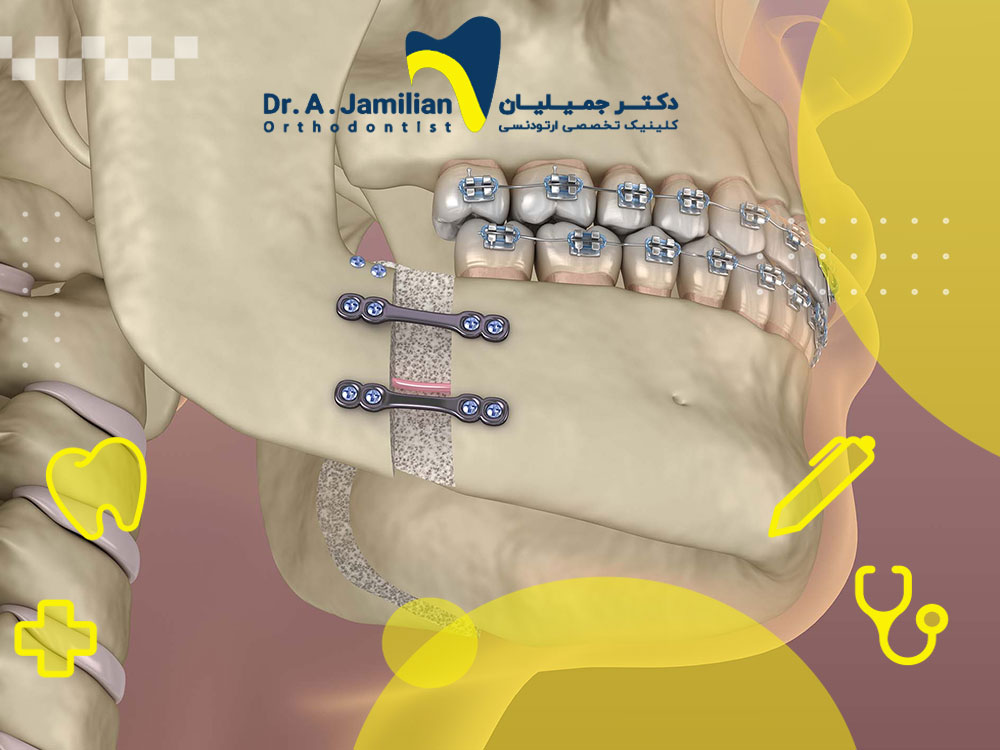

Although orthodontics alone can solve many problems of misalignment and misalignment of teeth, jaw surgery is sometimes required in severe cases. In some patients, jaw surgery for orthodontics is not a choice, but necessary. But who needs jaw surgery for orthodontics? What are the treatment times and procedures? It may also be necessary to perform some orthodontic treatments before jaw surgery.
Why is jaw surgery necessary for orthodontics?
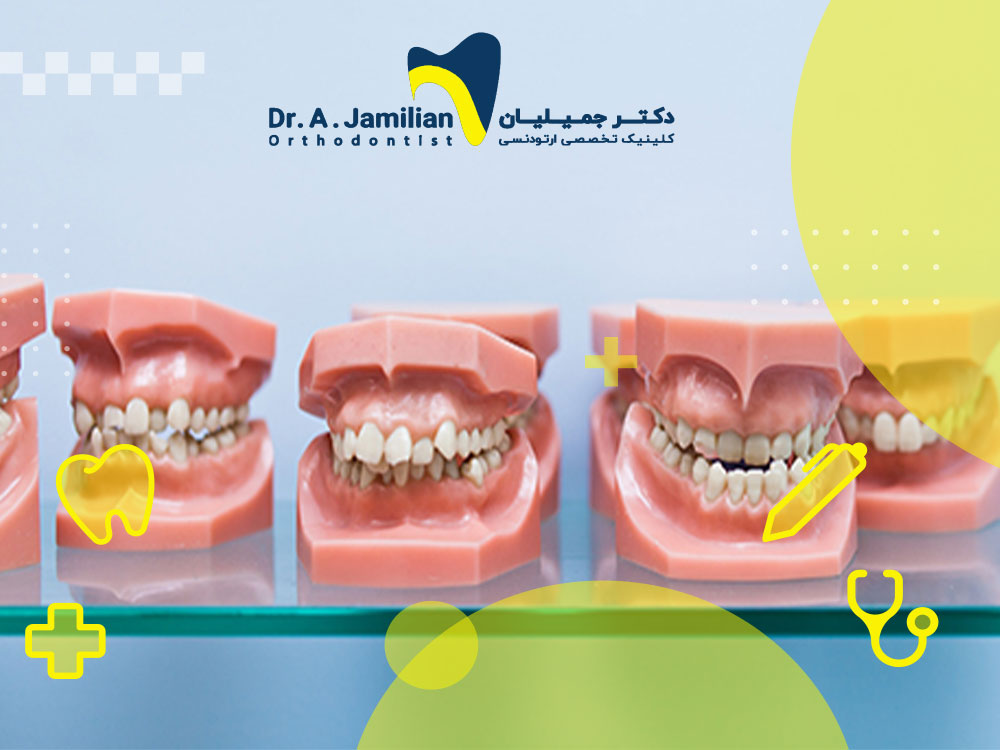
In some cases, the disorder and misalignment of teeth is caused by jaw problems. Problems such as misalignment of the jaws and one jaw being forward or backward relative to the other jaw create a compensatory response over time. In the compensatory response, the body tries to solve the problem by changing the direction of the teeth and makes it easier for the patient to chew. These patients do not have the possibility to receive treatment with mobile orthodontics suitable for the jaw, and the bones are formed in such a way that they cannot be moved by the pressure and force of the orthodontic device.
In this case, jaw surgery is necessary for orthodontics. Because without solving the problem of the jaws, the problems of the teeth will not be solved completely. Orthodontics improves the condition of the teeth, but does not cure severe jaw abnormalities.
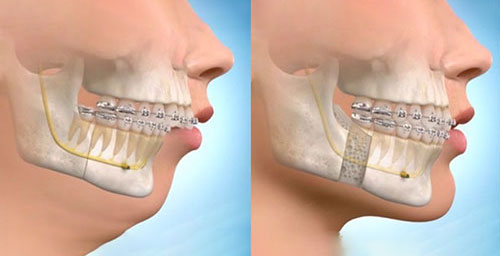
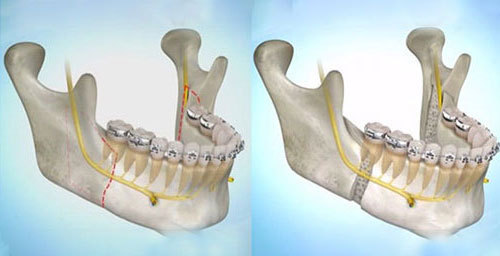
Steps of jaw surgery for orthodontics
Jaw surgery for orthodontics often has the following three stages:
-
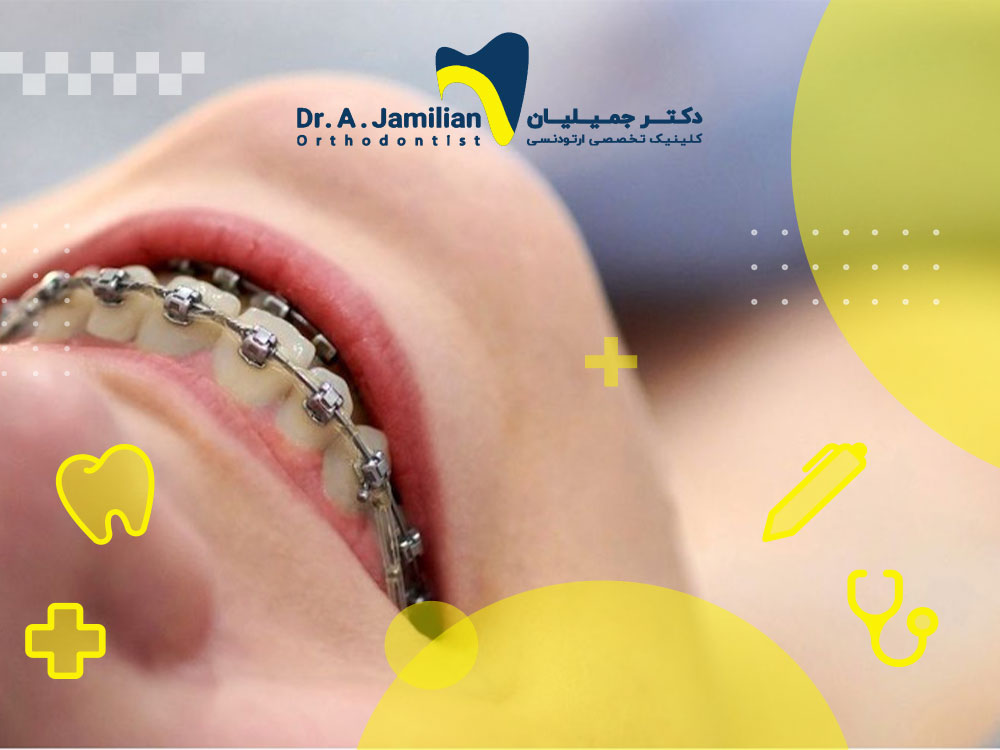
Orthodontics before jaw surgery
- Perform jaw surgery Orthodontics after jaw surgery
orthodontics before jaw surgery
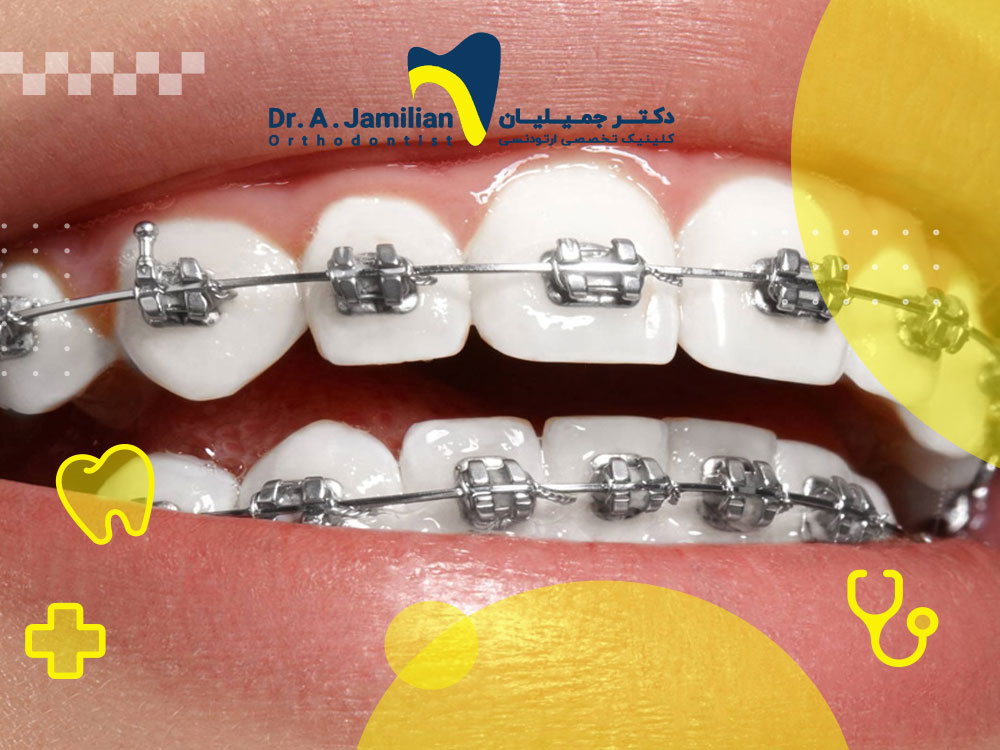
Usually, before jaw surgery, the patient must undergo a course of orthodontics treatment with an orthodontic specialist. This course helps the surgeon to determine the exact amount of jaw deviations. The fact is that crooked and messy teeth can prevent the correct measurement of jaw problems. Orthodontics before surgery can take a year or even more depending on the patient's condition.
jaw surgery
The condition of jaw surgery, such as the duration of the surgery, post-surgery care, complications, etc., all vary according to the patient's condition and the complexity of the operation. If both jaws need surgery, naturally, the duration of the surgery is longer and it requires more special care after the operation.
orthodontics after jaw surgery
Initial healing of the jaw after surgery usually takes about four weeks, but full healing can take up to 8 weeks. Orthodontics after jaw surgery usually begins with partial recovery (after 4 weeks). This step is done to align the teeth as much as possible and solve possible remaining problems. Keep in mind that orthodontics after jaw surgery can minimize the risk of recurrence of problems.
Did you know that by referring to The best orthodontic specialist in the field of fixing jaw and teeth abnormalities, the possibility of going to a maxillofacial surgeon decreases
Is jaw surgery without orthodontics useful and results?
In special cases and with the opinion of the attending physician, it is possible to reduce the duration of orthodontics before surgery. But without orthodontics, it is almost impossible to fix jaw problems accurately. Because, as we said, jaw problems eventually lead to teeth problems and vice versa. Without aligning the teeth, even if the jaw surgery is successful (which is very difficult), jaw problems will soon recur.
What is the total length of the jaw surgery treatment for orthodontics?
The length of treatment jaw surgery for orthodontics is variable and largely depends on the patient's condition. Among the most important influencing factors:
- Severity of jaw and teeth abnormalities
- The extent of patient cooperation
- Age of the patient
- Treatment techniques
- Success rate in controlling the side effects of jaw surgery
Accordingly, the duration of each stage is often as follows:
-
Orthodontics before jaw surgery: 12 to 18 months
- Recovery period after surgery: 4 to 8 weeks Orthodontics after jaw surgery: 6 to 9 months
results and expectations
Successfully performing jaw surgery for orthodontics (three steps above) will bring you the following results:
- General improvement of facial appearance
- Fixing problems related to chewing and eating food
- Improving breathing and sleep
- reducing digestive problems
- Speech improvement