

When is emergency root canal treatment in Karaj necessary?
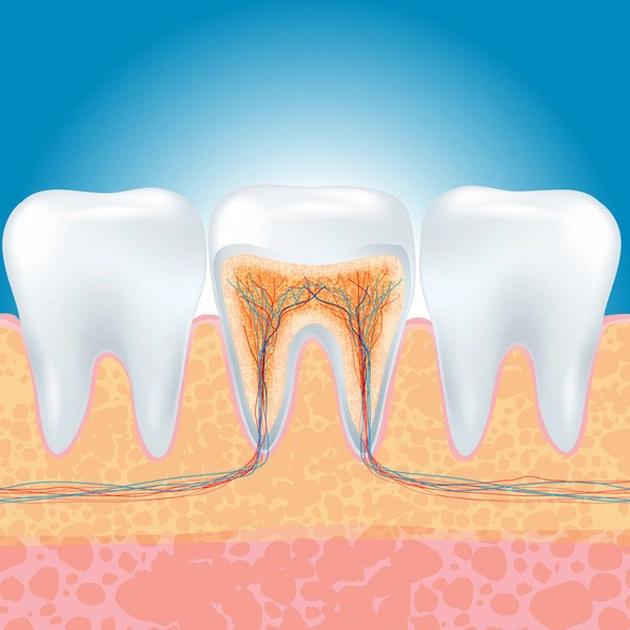
Severe tooth pain can be sudden and unbearable and disrupt daily life. In many cases, the source of this pain is dental pulp infection, which requires emergency root canal treatment. Timely diagnosis and quick referral to an endodontic specialist in Karaj can prevent the spread of infection, swelling and even tooth loss.
In this article, we examine when emergency root canal treatment is necessary and what symptoms should not be ignored.
What does emergency endodontic treatment mean?
Emergency endodontic treatment is performed when the tooth has severe inflammation or infection and the patient presents with severe pain, swelling or active infection symptoms. In this situation, the main goal:
Rapid reduction of pain
Control Infection
Preventing the spread of infection to surrounding tissues
Preserving natural teeth
Sometimes in the first session, the focus is on draining the infection and reducing the pressure inside the canal so that acute symptoms subside.
When is emergency root canal treatment necessary?
1. Severe and spontaneous tooth pain
If the pain starts without a stimulus, worsens at night, or is not controlled with conventional pain relievers, the possibility of pulp involvement is high and requires immediate investigation.
2. Prolonged sensitivity to cold and heat
Sensitivity that remains for several seconds or minutes after removing the stimulus can be a sign of irreversible pulpitis; A condition that usually requires root canal treatment.
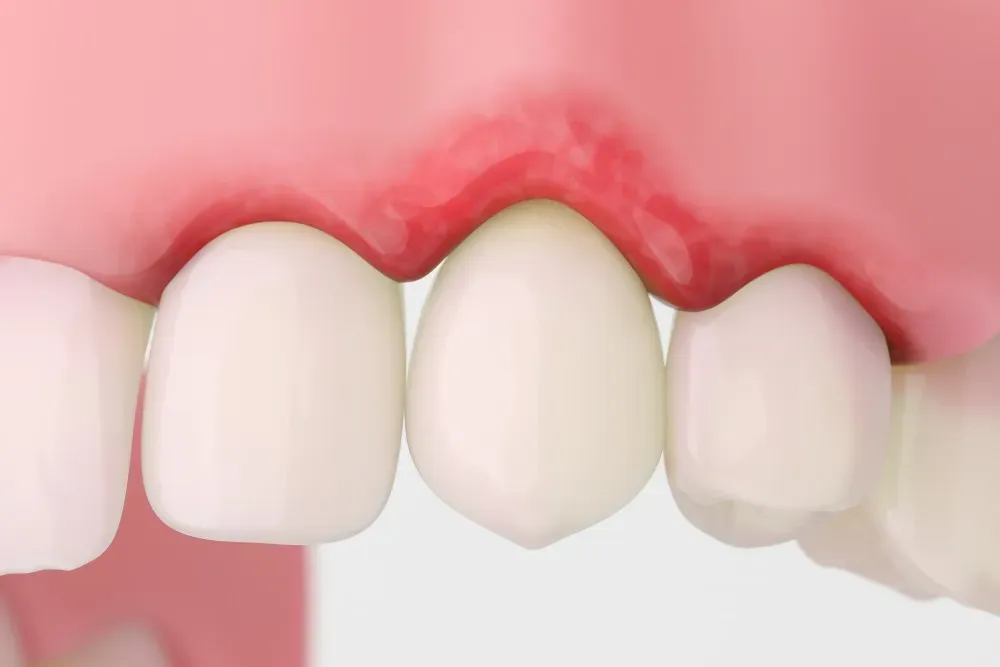
3. Swelling of the gums or face
Swelling is a sign of an active infection. In this situation, delay in treatment can cause:
spread of infection
More pain
Involvement of surrounding tissues
need for treatments More complex
4. Pain when chewing or impact
Pain when pressing the tooth can indicate inflammation of the end of the root area that needs immediate treatment.
5. Abscess or pus discharge
Observing a pus boil (fistula) or discharge is a clear sign of infection and should be evaluated by an endodontist immediately.
6. Recurrence of pain in a previously denervated tooth
If a previously root-treated tooth hurts again, the infection may remain or reoccur and re-treatment is urgently needed.
Why is quick referral important?
Delay in treatment can cause the infection to progress and the following complications:
Increased pain intensity
Wide swelling
Destruction of the bone around the root
Decreasing the chance of saving the tooth
Need to extract the tooth and replace it with Implant
In many cases, timely referral makes the treatment easier, shorter and less expensive.
What actions are taken in emergency visit Is it possible?
Depending on the condition of the tooth, the measures may include the following:
Expert examination and radiographic review
opening the canal path and reducing the pressure
emptying the infection
Primary canal cleaning and disinfection
Medicine prescription if needed
Planning to complete the treatment in the next sessions
The goal of the emergency session is to control the pain and stop the infection process.
Who is most likely to need emergency treatment?
People with untreated deep caries
Teeth with extensive restorations
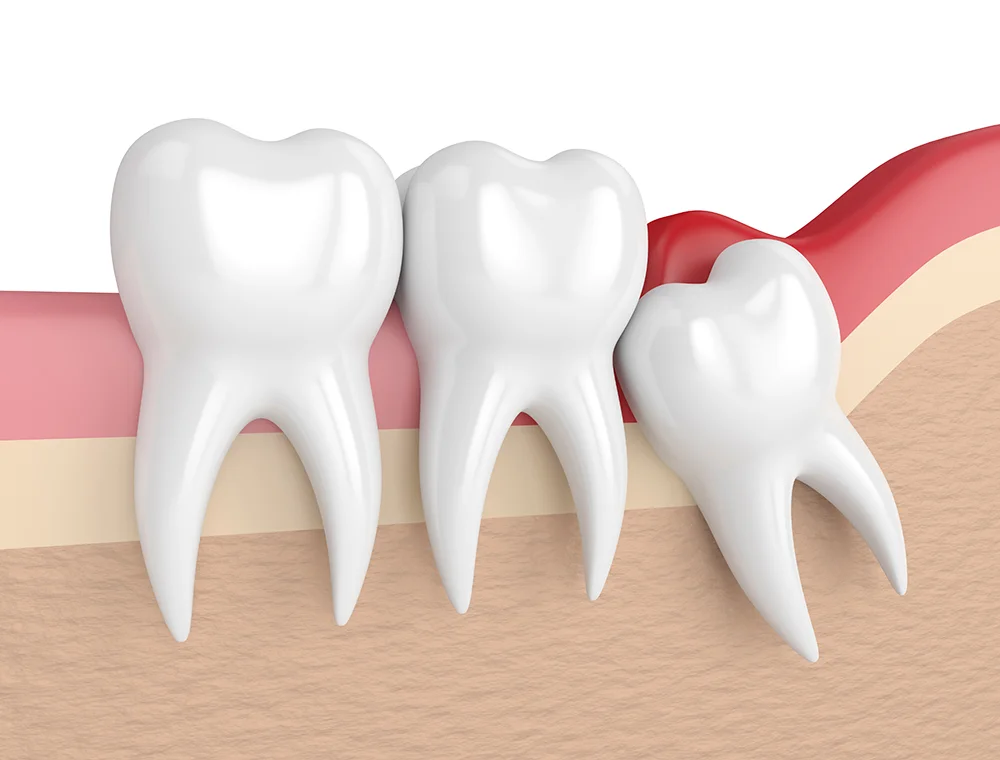
Impacted teeth
Patients who have had incomplete root canal treatment
People who have ignored toothache for a long time
How to prevent emergency situations?
Regular visit for checkups
timely treatment of cavities
replacement of old and leaky restorations
Quick referral when the pain starts
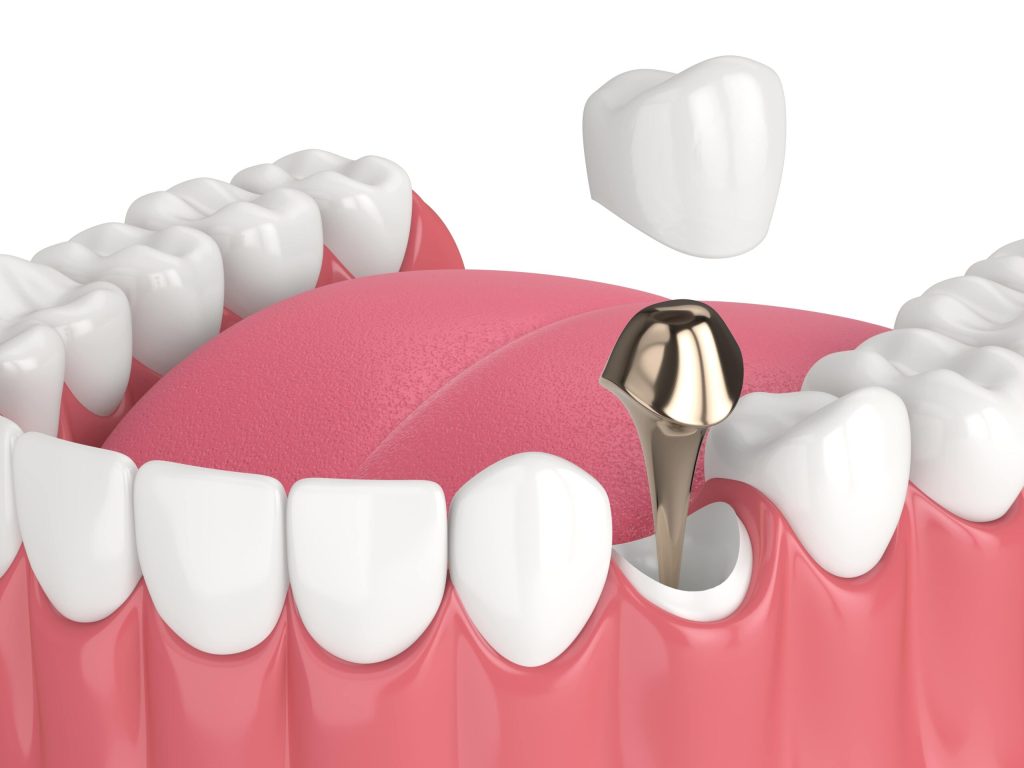
Completing root canal and crown treatment at the right time
Prevention is the easiest way to avoid severe pain and emergency visits.
Summary
Emergency root canal treatment is necessary when acute symptoms such as severe pain, swelling, abscess or sensitivity long exist A quick visit to a root canal treatment specialist in Karaj can prevent the progress of infection and increase the chances of preserving a natural tooth. Ignoring these symptoms usually makes the treatment more complicated and more expensive.