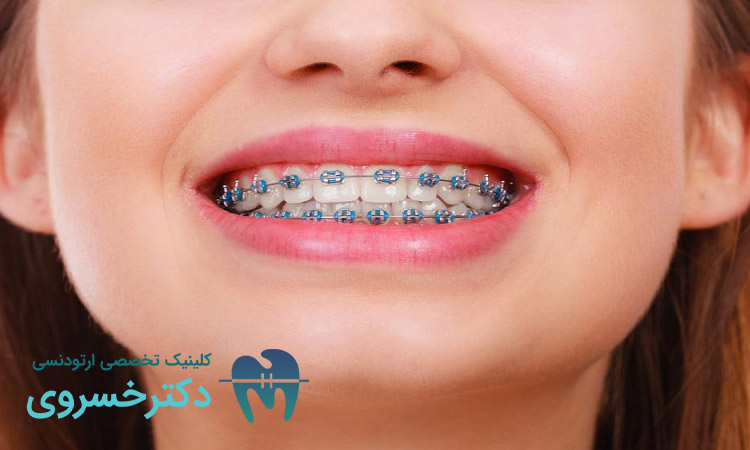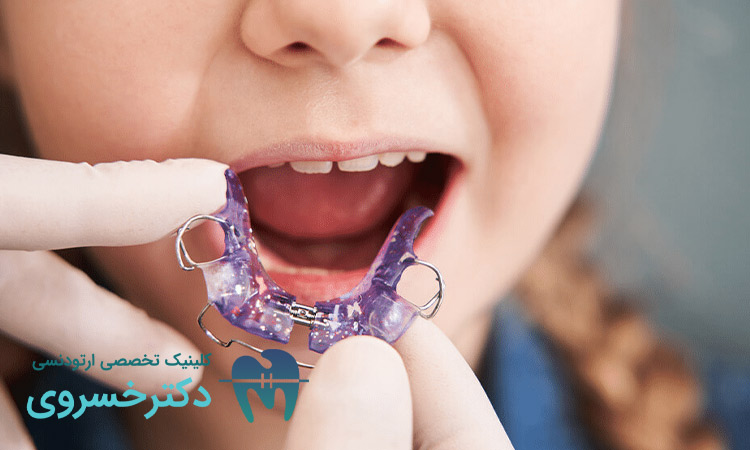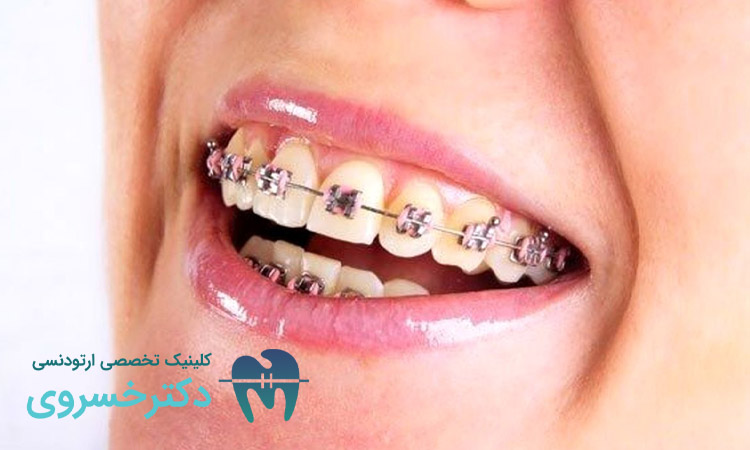

In recent decades, the world of dentistry, especially orthodontics, has experienced a huge transformation. Advances in digital technologies, 3D imaging, and artificial intelligence have transformed diagnosis and treatment methods. However, one of the technologies that the future of orthodontic treatments Invisible and fixed will affect more than any other factor, is Augmented Reality (AR).
Augmented Reality is a bridge between the real and digital worlds; A technology that allows doctors to see 3D digital images of the tooth and jaw structure in real time on the patient's face. This technology has not only made the treatment design process more accurate, but has also revolutionized the learning experience for doctors and the understanding of treatment for patients. In this article, we comprehensively examine what the future of orthodontic treatments will look like with the introduction of AR, how it helps to improve training and treatment design, what benefits it has for patients, and what successful examples of its implementation have been seen in clinics.
Introduction of AR applications in treatment design and training
Understanding the future of orthodontic treatments is impossible without paying attention to modern digital technologies. Today, augmented reality (AR) has become a key tool in the hands of professionals so that they can design the orthodontic treatment plan in an accurate, interactive and visible way.
3D simulation of AR before starting orthodontic treatment
One of the main challenges of orthodontic patients has always been that they could not see the final result of their smile before starting treatment. New technologies in orthodontics such as AR technology have solved this problem. By using 3D scanning of the mouth and advanced software, the specialist can display a virtual image of the final result of the treatment on the real face of the patient with the help of AR. در این حالت، بیمار با دیدن تصویر خود روی صفحه نمایش یا از طریق عینک واقعیت افزوده، بهطور زنده مشاهده میکند که پس از درمان دندانها چگونه منظم و لبخندش چطور تغییر خواهد کرد. This interactive experience increases the patient's confidence and reduces psychological resistance to the length of the treatment.

More precise design of brackets and aligners Orthodontics with AR
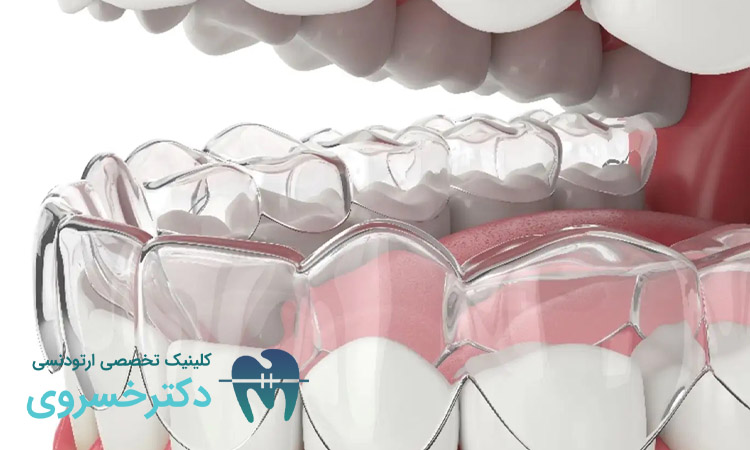
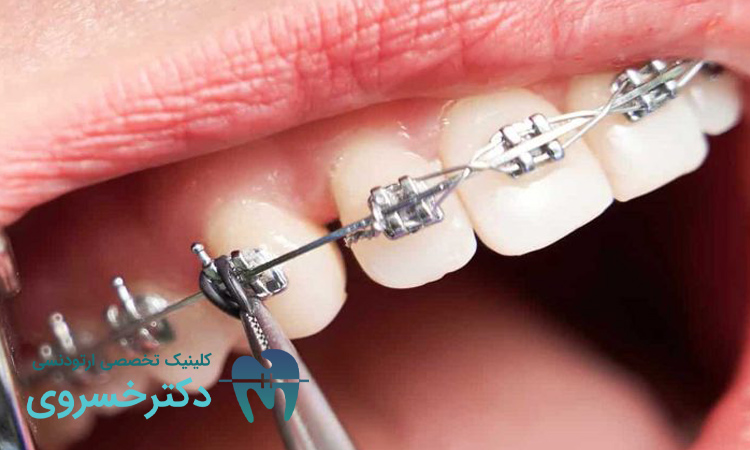
In the past, the design of orthodontic devices such as brackets or transparent aligners (Invisalign) was mostly done in two dimensions. Today, with AR technology, an orthodontist can adjust the position of each tooth in a virtual environment in a 3D and live manner. This feature makes the design of the devices more accurate, personalized and in accordance with the real movements of the patient's jaw and teeth. The result is the reduction of treatment errors and the shortening of orthodontic treatment time.
Interactive training for orthodontic students
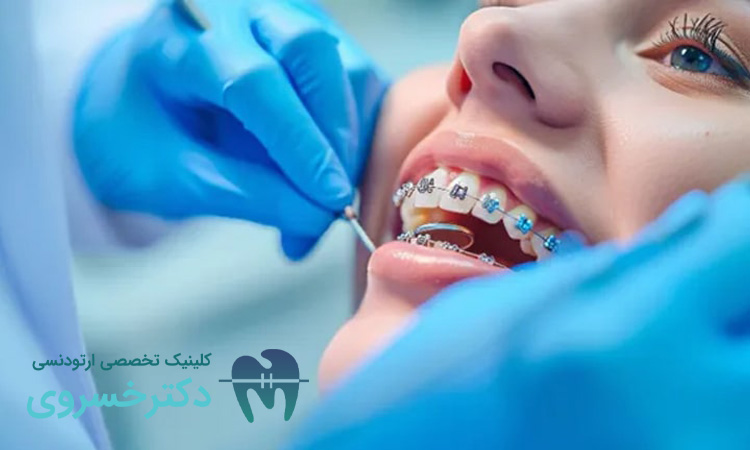
One of the most important applications of AR in the future of orthodontic treatments is the evolution of dental education. Using augmented reality headsets or simulation software, students can virtually practice bracket installation, tooth movement analysis, or ideal bite design. In fact, AR-based training reduces learning errors and enables real experience without the need for the presence of a real patient. Dental universities in America, Japan and South Korea are already using augmented reality platforms to educate orthodontic students.
Diagnosis and high-precision treatment planning
AR can provide a comprehensive picture of the jaw and mouth structure by combining three-dimensional imaging data (CBCT) and the digital model of teeth. This image allows the specialist to simulate tooth movement in a virtual environment and see its effect on the muscles and jaw joint (TMJ). Such accuracy in treatment design greatly reduces the possibility of error and personalizes the treatment path according to the anatomical characteristics of each patient.
Advantages of patient education with augmented reality and the future of orthodontics
The future of orthodontic treatments not only relies on digital technologies, but also focuses on the patient experience. Augmented reality is a powerful tool that increases the patient's understanding of the treatment and improves his cooperation during the treatment. In the following, we discuss the most important advantages of using AR in education and patient communication.

Saving time and money Orthodontics
Effective training with AR reduces the number of unnecessary patient visits for questions or confusion. It also helps the specialist to make faster and more accurate treatment decisions during initial consultation sessions.
 This technology is not only used in consultation sessions, but is also an effective teaching tool for dental students.
At the University of Tokyo, an AR educational platform It is designed so that students can observe the movements of the jaw, the forces applied in the brackets and the effect of the force on the bone tissue using special headsets. This project caused a 40% increase in the understanding of orthodontic biomechanical concepts among students. European digital clinics: In European countries such as Germany and Sweden, many clinics use AR to plan orthosurgery (surgery-oriented orthodontics). With this method, the surgeon and the orthodontist can simulate the position of the bones in the augmented reality environment and minimize the risk of surgical error. In recent years, some dental clinics in Arab countries and even Iran have started using AR applications for consultation and marketing. These clinics allow patients to see the possible result of their smile live on their face before treatment, a method that has a high impact on increasing the treatment acceptance rate.
Conclusion The future of orthodontic treatments
Digital technologies are changing the face of orthodontic science, but augmented reality is undoubtedly one of the most revolutionary innovations in the future of orthodontic treatments. From the more precise design of devices to the interactive training of patients and doctors, AR has made the treatment path smarter, faster and more enjoyable. In the not-so-distant future, every modern orthodontic clinic is expected to be equipped with AR systems, so that patients can see the result of their smile in virtual reality before starting treatment. The combination of this technology with artificial intelligence and 3D printing will bring dentistry to a stage of complete personalization and unprecedented accuracy.
Frequently asked questions about the future of orthodontic treatments
- Will augmented reality replace the in-person orthodontic examination?
no AR is an auxiliary tool and does not replace the expert skill and judgment of the physician. Its purpose is to improve the accuracy of the design and increase the patient's understanding of the treatment process. - What is the cost of using AR in orthodontic treatment?
Currently, its cost varies depending on the software and equipment used, but with the development of technology, it is expected that prices will decrease and become accessible to the general patient population in the future. - Is the use of AR only applicable to cosmetic orthodontics?
no AR is used in complex treatments such as jaw surgery, adjustment of asymmetric bites, and even post-injury rehabilitation treatments.