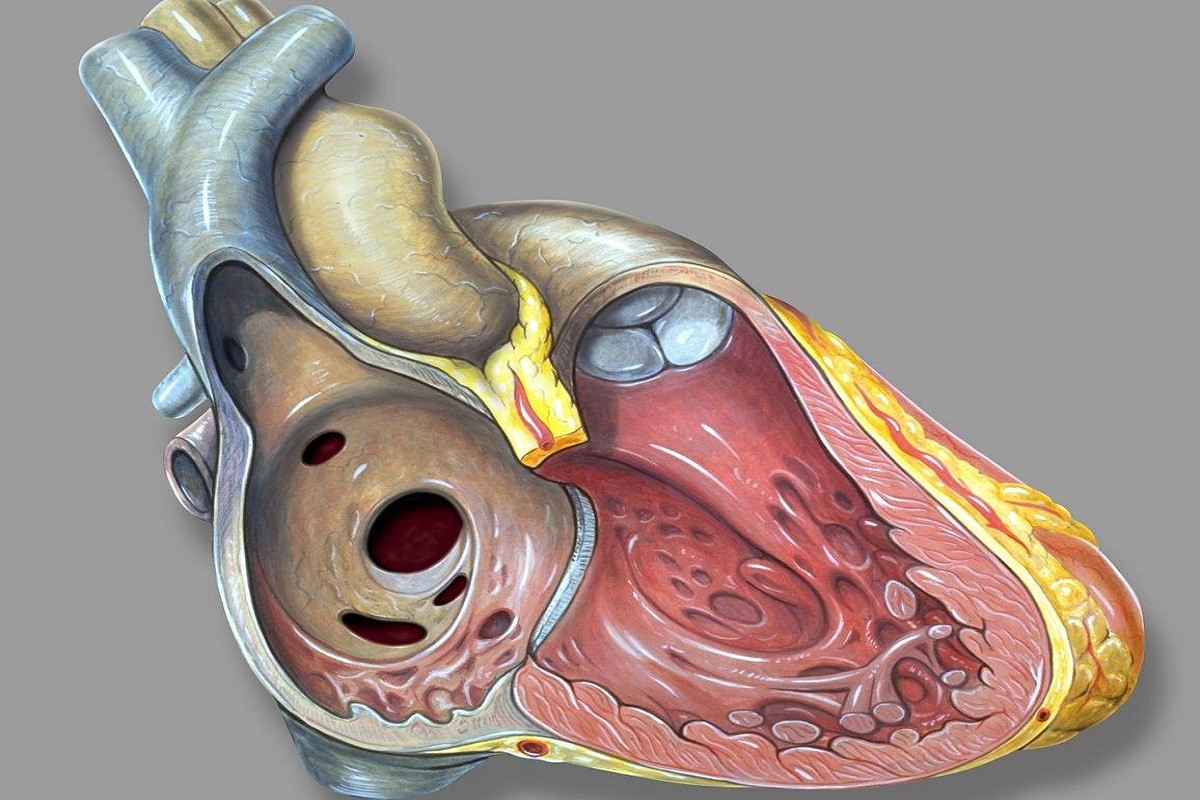
غذاها و نوشیدنی های زیادی وجود دارد که ضربان قلب را افزایش می دهند. You may even experience palpitations and other heart symptoms after consuming these products. In most cases, such side effects go away quickly, but you should be careful about eating too much of these foods, usually a few foods can increase the heart rate, especially if you eat them in large quantities. Foods that increase heart rate include: chocolate, caffeinated products and monosodium glutamate.

The connection between heart health and diet
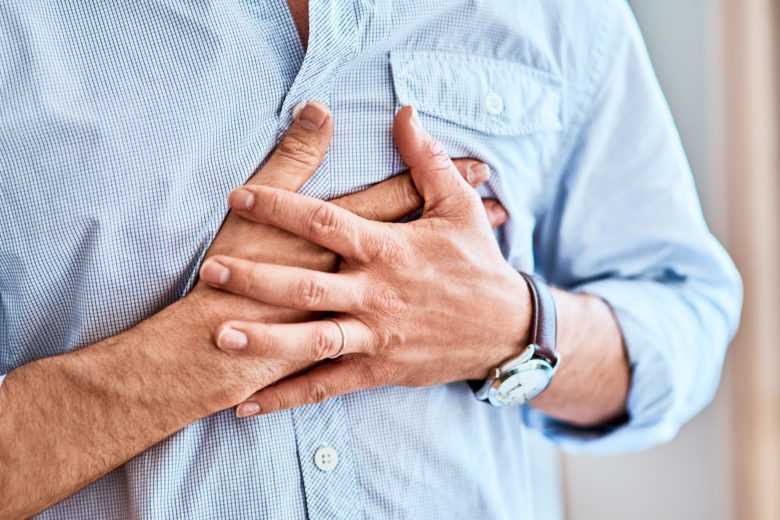
High consumption of caffeine, chocolate and alcohol are all possible causes of palpitations. Monosodium glutamate is also one of the possible causes of heart palpitations. Foods that cause palpitations are often the same foods that increase heart rate. Tachycardia occurs when your heart rate increases too much. Tachycardia can be normal, but in other cases it can cause various problems. These problems include: dizziness, chest pain, shortness of breath, fatigue and fainting. If you experience tachycardia regularly, your doctor may ask you to modify your diet or lifestyle to reduce your symptoms.
pills to increase heart rate
Pills that can increase your heart rate include:
- Atropine
- dopamine epinephrine
- Glycopyrrolate

Drinks necessary to increase heart rate
- Drip coffee or decaf: 95 to 330 mg
- Instant coffee: 30 to 70 mg
- Black tea: 40 to 74 mg
- Green tea: 25 to 50 mg
- Oolong tea: 21 to 64 mg
- Energy drinks: 33 to 400 mg
These amounts mean that just two cups of black coffee can exceed the daily recommended caffeine allowance, while more than five cups of tea is still within the average caffeine intake. However, these values also mean that people who experience cardiovascular complications after consuming caffeine may not need to eliminate caffeinated products from their diet. The solution to this problem may be as simple as consuming other products such as: instant coffee instead of black coffee.
It is better to know that heart rate is different at every age, for example href="https://drhsnajafi.com/13336/%d8%b6%d8%b1%d8%a8%d8%a7%d9%86-%d9%82%d9%84%d8%a8-%d9%86%d8 %b1%d9%85%d8%a7%d9%84-%d8%af%d8%b1-%d8%b3%d8%a7%d9%84%d9%85%d9%86%d8%af%d8%a7%d9%86.html">Graban Normal heart in the elderly is different from the heartbeat of young people.

Raising heart rate with food
Although chocolate may also be found in drinks and desserts, it still contains caffeine. Chocolate in small amounts can help regulate the immune and cardiovascular systems. Usually, the effect of chocolate on heart health is only positive, because it contains a variety of beneficial antioxidants. However, consuming too much chocolate can lead to cardiovascular problems. These cardiovascular problems are due to the amount of caffeine in cocoa beans, therefore, the possibility of experiencing side effects depends on both the amount and the type of chocolate you consume. Chocolate causes problems such as: tachycardia, heart palpitations, atrial fibrillation and Arrhythmia (rapid and irregular heartbeat).
Most people are sensitive to other ingredients used in caffeinated products. These substances include ginseng, glucuronolactone, taurine, and ginkgo biloba, which are likely to increase blood pressure or tachycardia if eaten or drunk. MSG is a substance used to flavor foods and does not contain caffeine. Although, like: caffeinated products, you may experience heart palpitations and tachycardia after eating them. This food item causes complications such as: headache, flushing, sweating, chest pain, nausea and weakness. MSG consumption may also cause numbness, tingling, pressure, or burning around the head and neck. However, not all people experience these symptoms. If you get this feeling after eating foods containing MSG, you should probably avoid this additive.
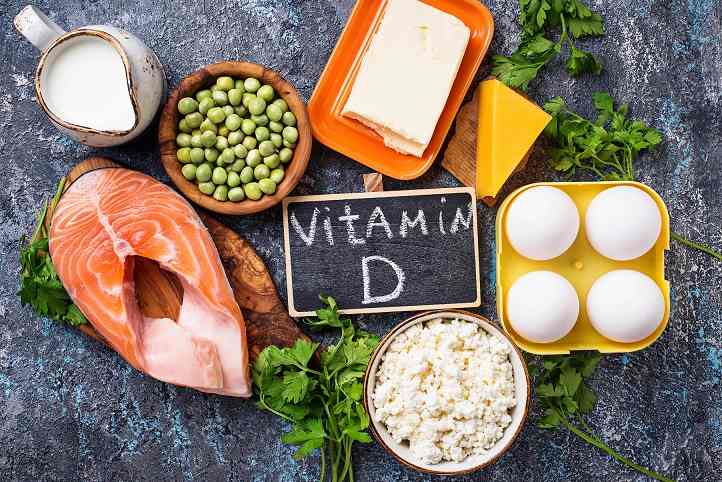
Foods useful for cardiovascular health
Many of the foods you eat help support your cardiovascular health. These foods contain essential nutrients that help regulate blood pressure and maintain a normal heart rate, and support other aspects of healthy heart function. Foods containing potassium and magnesium are good for heart health. Both of these essential substances regulate blood pressure and maintain normal heart function. Sodium and vitamin D also affect your blood pressure. Sodium is a food item that you should be especially careful about. According to the American Heart Association, most people consume too much sodium on a daily basis. Instead of consuming the recommended 1,500 to 2,300 milligrams of sodium per day, Americans consume 3,400 milligrams of sodium per day. Excessive sodium intake can raise blood pressure and is harmful to cardiovascular health.
Reducing sodium intake can lower blood pressure. However, lowering your sodium intake can also increase your heart rate. Therefore, talk to your doctor or nutritionist before making any dietary changes, such as drastically reducing your sodium intake. Although the increase in heart rate may not cause health problems for healthy people, it can be dangerous for people with cardiovascular problems. Source: Dr. Mohammad Hossein. Najafi, a cardiologist