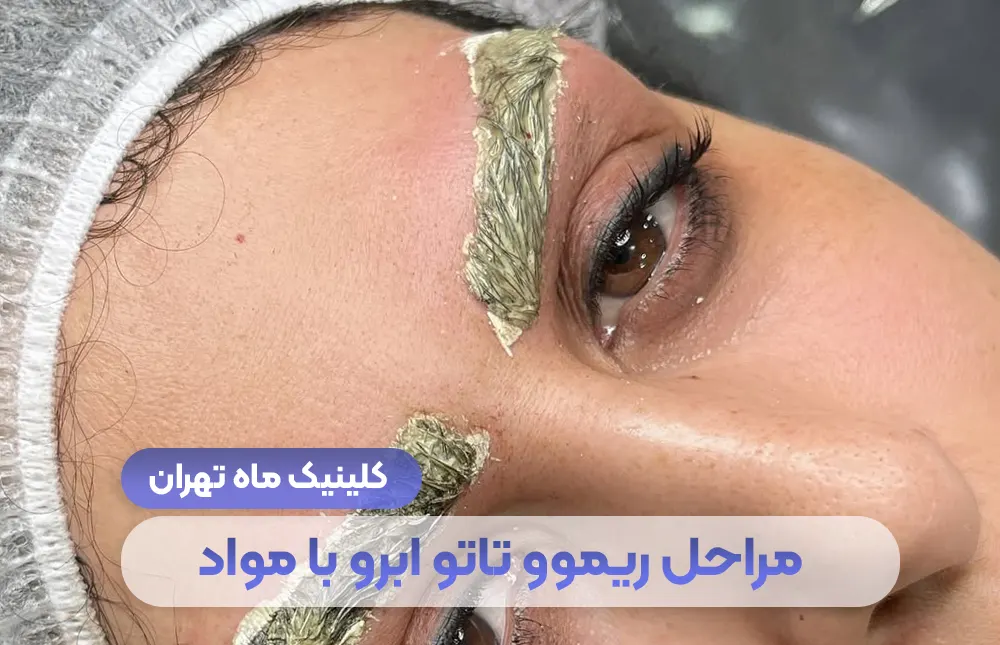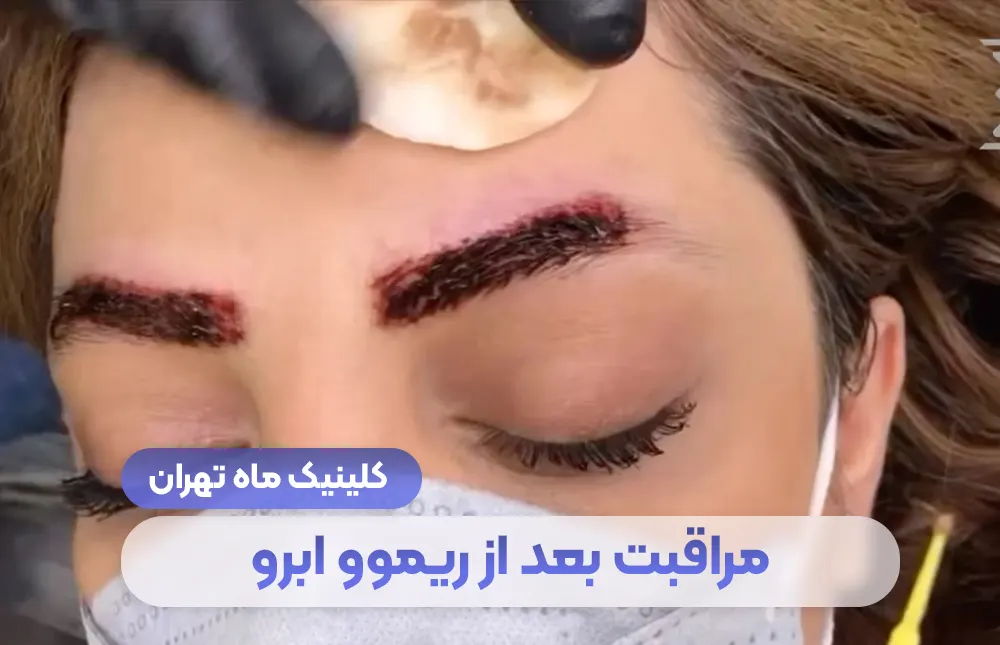


Eyebrow tattoo removal is one of the methods that need to be corrected and changed due to reasons such as dissatisfaction with the eyebrow model. Different methods are used for eyebrow removal, each of which requires special care because the eyebrow area is very sensitive and vulnerable. Eyebrow removal is done well when, in addition to using original ingredients, you can fully follow the care and health tips. Failure to comply with these points will cause many complications in the treatment area, which will be expensive to compensate. Therefore, if you have decided to remove the eyebrow tattoo, you must first get enough information about the care and health tips of this method in order to get the best results.

What is eyebrow tattoo removal
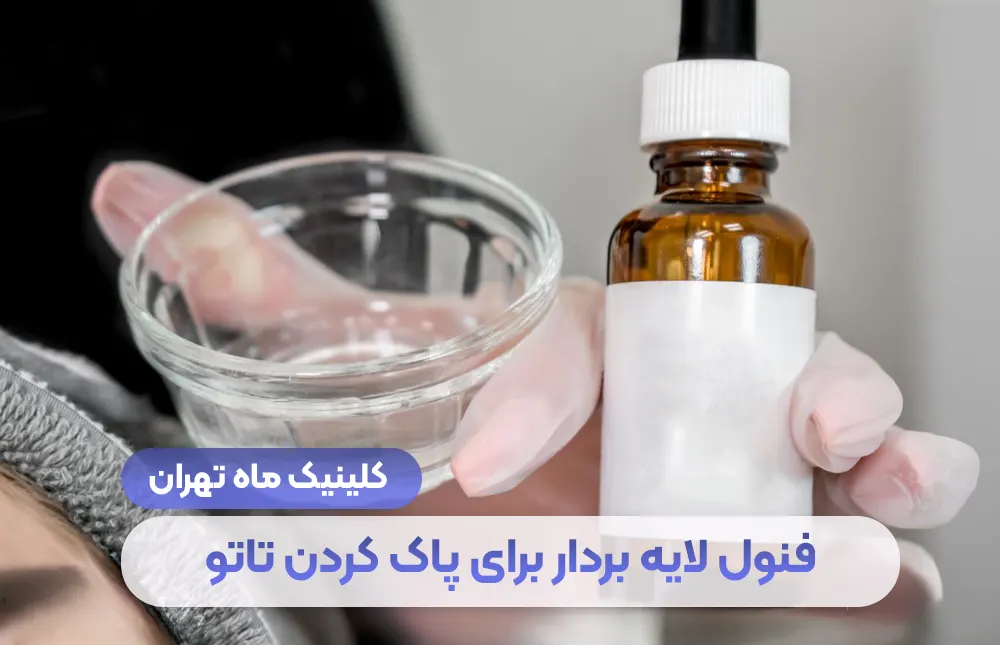
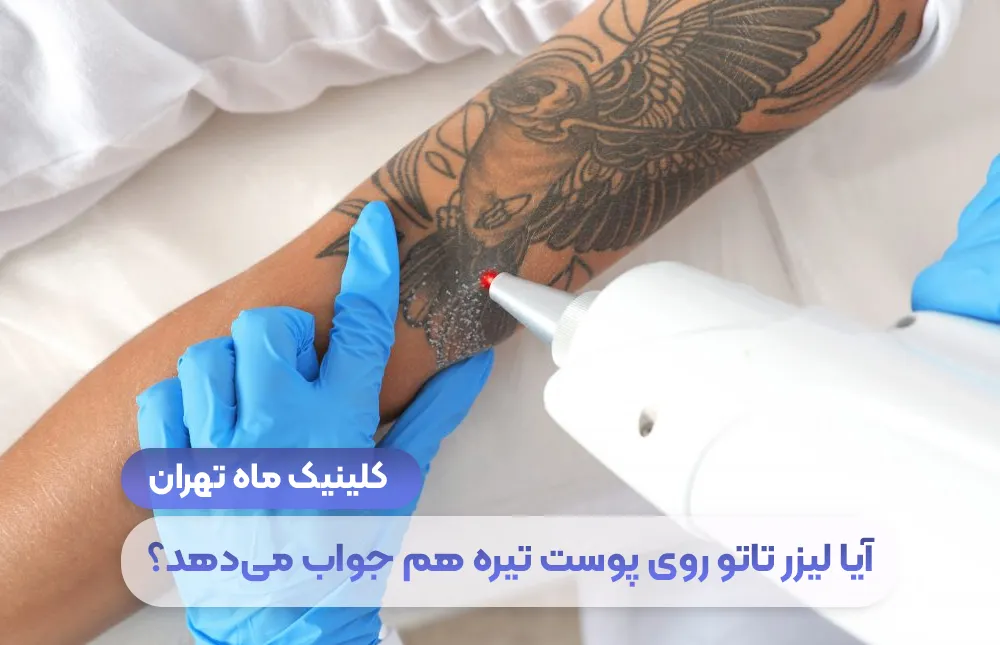
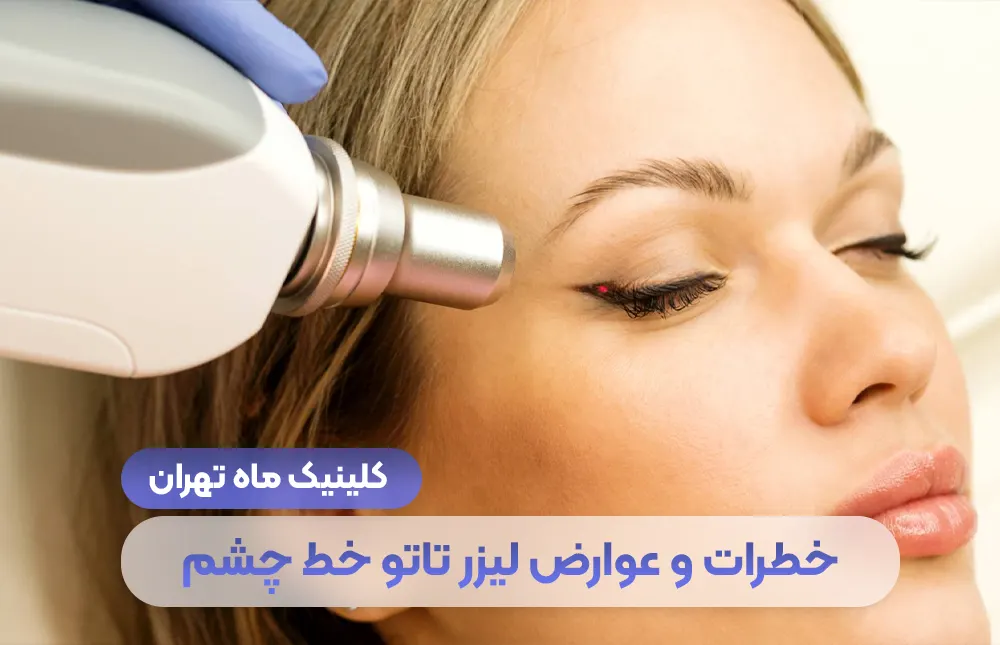
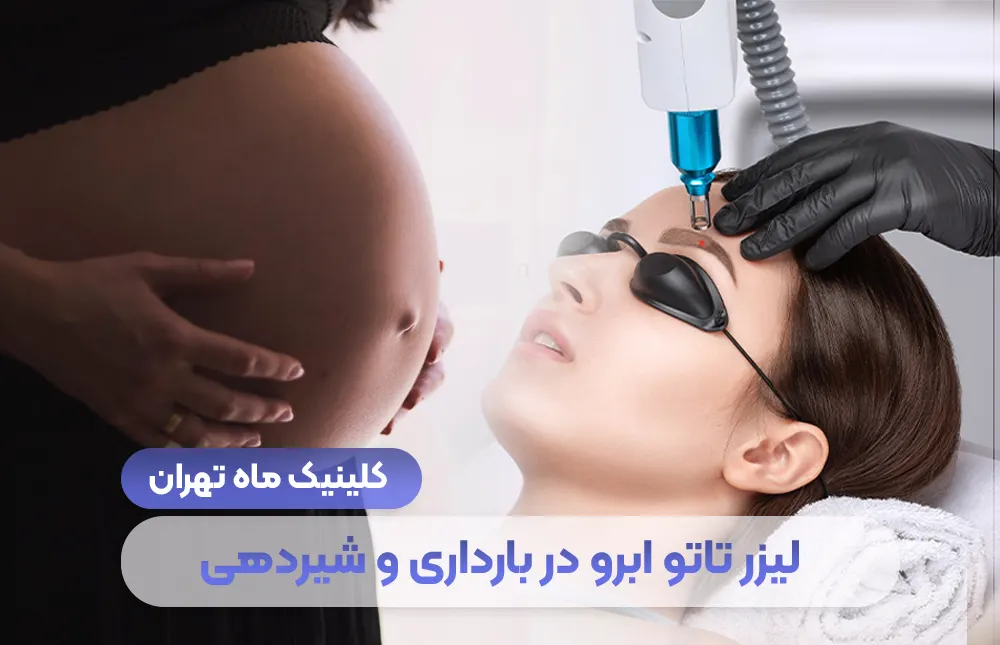
Eyebrow tattoo removal is a method used to remove eyebrow tattoo pigments from the skin. For tattoo removal, a laser device or special chemicals can be used to remove tattoo pigments, which are very important in both methods of follow-up care to reduce complications. However, removing a tattoo using chemicals requires more care because it damages the skin more.
Read: Why is the care after eyebrow tattoo removal important?
The care after eyebrow tattoo removal is important because it prevents unwanted complications. For example, if your skin is sensitive, touching or scratching the area will cause wounds and scars. In addition, lack of hygiene after tattoo removal may cause inflammation and unwanted reactions to chemicals. Therefore, to prevent these complications, it is better to take care after tattoo removal seriously.
General care after eyebrow tattoo removal
- Keeping eyebrows dry and clean is the most important thing you should do to prevent infection. Using the prescribed restorers for a week will help the skin repair faster. It is better not to shower for 3 days and use lukewarm water while showering.
- If you see a blister at the eyebrow tattoo removal site, don't worry because this is completely normal and will heal by itself. Avoid touching and scratching blisters and crusts at the tattoo site.
- If you feel itching and swelling, use vitamin E and prescribed ointments, and if the area becomes inflamed and inflamed, use painkillers.
- Avoid aspirin or blood thinners for two weeks. Avoid exposure to sunlight after eyebrow tattoo removal because it may change the color of the skin.
- To reduce the recovery time, it is better to take vitamin C daily. After a week, the dead skin will peel off by itself, so do not manipulate the area and use the repairer at night for two weeks.
Read: immediate care after eyebrow tattoo removal
- After the tattoo removal session, it is better to use a cold compress to cool the skin to prevent inflammation and redness. If the doctor prescribes the use of a special restorative cream to reduce inflammation, be sure to use it to heal the wound and surface inflammation.
- After tattoo removal, the skin is very vulnerable, so it is better to cover the eyebrows and go home immediately so as not to be exposed to environmental pollution.
- The most important point of care at this time is to keep the eyebrow dry and not to contact the area with water for the first two or three days. After eyebrow removal, avoid going to the swimming pool and sauna until complete recovery.
- Disinfect your hands before touching the treated area to prevent infection. For about two weeks after eyebrow removal, do not use cosmetics and use mild detergents without essential oils to wash the eyebrow area. When going out, use a hat, sunscreen, and sunglasses so that the treated area is not affected by the sun's ultraviolet rays. Additionally, keep your body hydrated as hydration can speed up the healing process of the skin.